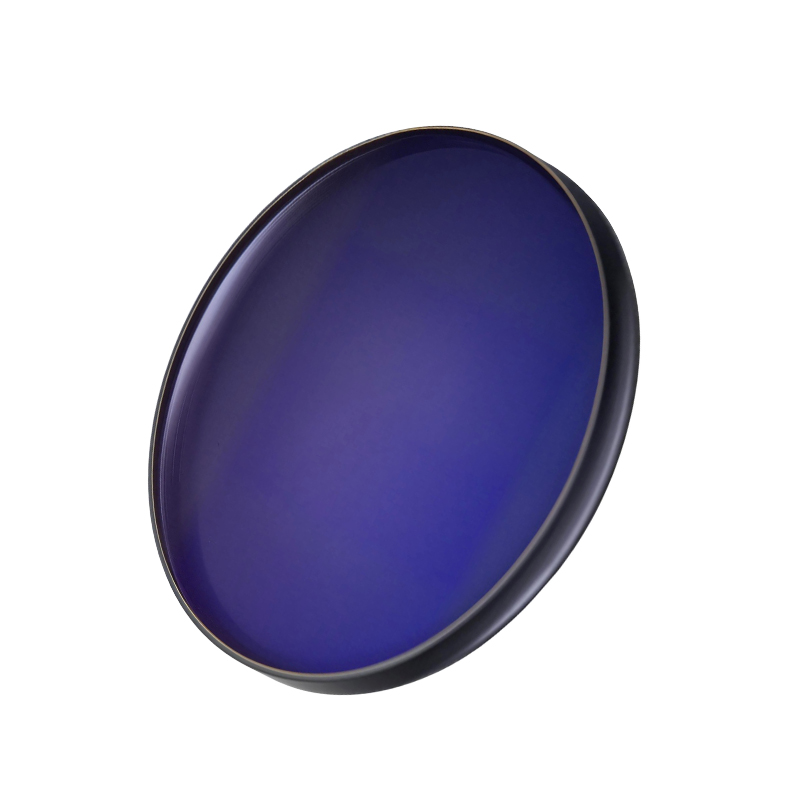
An optical laboratory sits in the middle of a tight chain: the eye care professional writes a prescription, and the patient expects a pair of lenses that feels right from the first day. To deliver that, laboratories need suppliers who understand not just lenses, but lab workflow. Sourcing decisions affect inventory, edging, coating turnaround, and patient satisfaction.
What Optical Laboratories Need From a Lens Manufacturer
First, optical laboratories need lens blanks and finished lenses that behave the same from batch to batch. A slight shift in base curve or center thickness can alter edging and patient comfort, so a manufacturer must maintain tight tolerances across production runs.
Second, a lab should be able to choose from a broad range of refractive indexes, designs, and coatings. This flexibility lets a laboratory meet different prescriptions and budgets without juggling dozens of suppliers. In practice, that means access to single vision, bifocal, progressive, photochromic, and blue-block lenses in both finished and semi-finished forms.
Third, availability and lead times matter. An optical laboratory runs on turnaround promises. If a common 1.56 single vision lens is out of stock, the whole order is delayed. Reliable stock availability, clear lead times, and consistent quality are the foundation of any useful supply relationship.
Finished Stock Lenses vs. Semi-Finished Blanks
One of the first decisions an optical laboratory makes is whether to buy finished stock lenses or semi-finished blanks. Finished lenses come with both front and back surfaces fully polished and are ready to edge for the frame. Semi-finished blanks have only the front surface finished; the back surface is generated and polished by the laboratory according to the exact prescription.
Key differences that affect optical laboratory workflow
| Aspect |
Finished Stock Lens |
Semi-Finished Blank |
| Processing |
Ready to edge and mount |
Back surface generated and polished by the lab |
| Inventory cost |
Many sphere and cylinder powers needed |
Fewer powers needed; flexibility for Rx range |
| Customization |
Limited to available combinations |
Back surface can be tailored per prescription |
| Turnaround |
Fast for common prescriptions |
Requires surfacing time before edging |
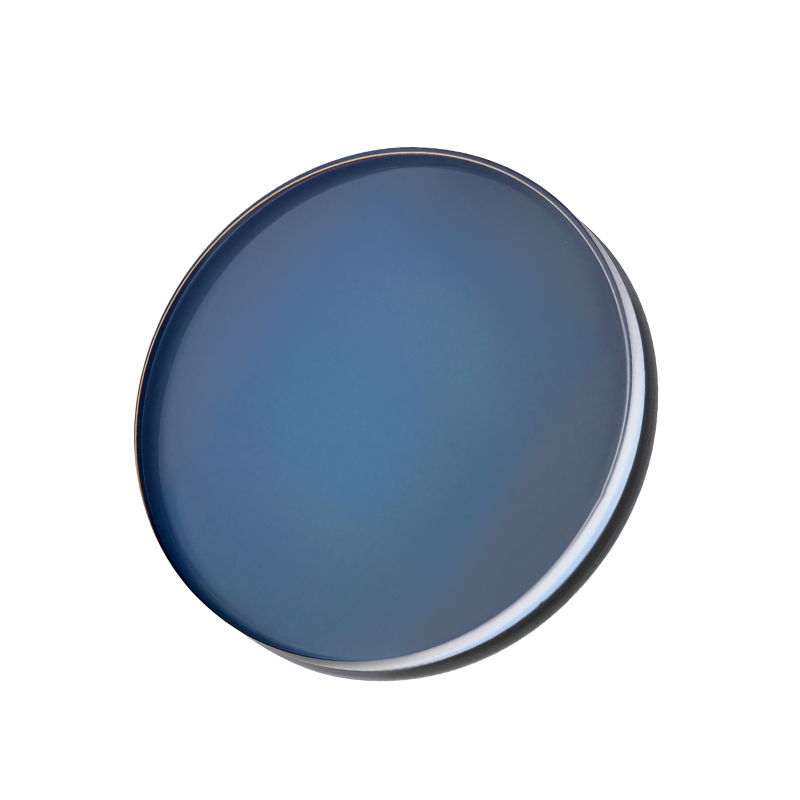
For high-volume common prescriptions, finished lenses are the fastest option and keep patient wait times short. For labs that want to generate their own back surfaces, semi-finished blanks provide more flexibility. A practical choice for many laboratories is a 1.56 single vision semi-finished lens that covers a wide range of prescriptions without requiring a large bank of finished inventory. The practical advantages of semi-finished lenses are explained in more detail in our guide on why semi-finished lenses suit optical laboratories.
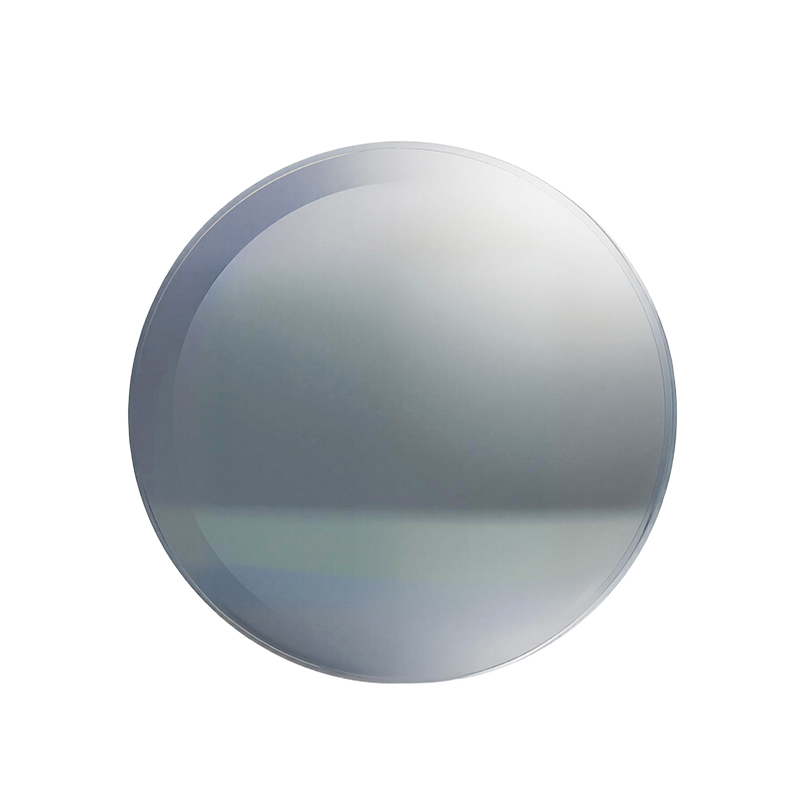 Wholesale Semi-finished 1.56 UC/HC/HMC Single Vision Lens Suppliers, Factory - JJiangsu Junshi Optics Co., Ltd is China wholesale Semi-finished 1.56 UC/HC/HMC Single Vision Lens suppliers and factory,1. Moderate Refra...View Product →
Understanding Lens Materials and Refractive Indexes
The patient's prescription and frame choice drive the material decision. A laboratory should keep at least four common refractive indexes available: 1.50, 1.56, 1.61, and 1.67. Each offers a different balance of thickness, weight, and cost.
Common refractive indexes used in optical laboratory prescriptions
| Index |
Typical Use |
Thinner Profile |
Material Notes |
| 1.50 |
Basic single vision, budget-friendly |
Standard |
Commonly CR-39 or similar resin |
| 1.56 |
Most popular for mid-range prescriptions |
Thinner than 1.50 |
Good balance of optics and price |
| 1.61 |
High prescriptions, stylish frames |
Noticeably thinner |
Often MR-8 or MR-7, better impact resistance |
| 1.67 |
Very high prescriptions |
Thinnest in this range |
Used for strong minus prescriptions, improves aesthetics |
In practice, a lab can cover the majority of orders with 1.56 and 1.61 stock lenses, while 1.67 handles higher prescriptions and rimless frames. Offering multiple indexes also helps dispensers manage patient expectations about lens thickness and weight.
Expanding Capability With Freeform RX Lenses
Optical laboratories that want to move beyond conventional designs can use freeform technology to create personalized progressive and single vision lenses. Freeform surfacing generates a back surface that compensates for frame tilt, wrap, and individual fitting measurements, which often improves visual comfort for the wearer.
For progressive lenses, corridor length and design family matter. A 9.4 design is one example that balances intermediate and near vision while reducing peripheral skew. Laboratories can use these designs to provide more comfortable adaptation for first-time wearers and existing progressive lens users.
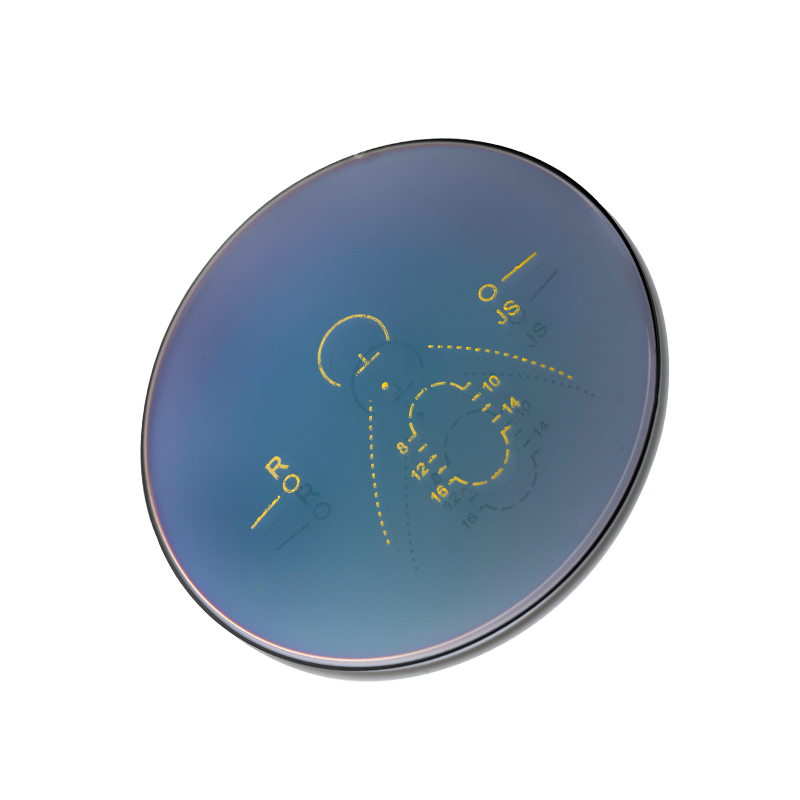
When choosing a freeform supplier, look for a product line that supports multiple refractive indexes and functional layers. A versatile option is a freeform progressive lens in 1.56, 1.61, and 1.67, which allows labs to serve both style-conscious and high-prescription patients. For a deeper look at the process, see how digital freeform technology works from design to finished lens.
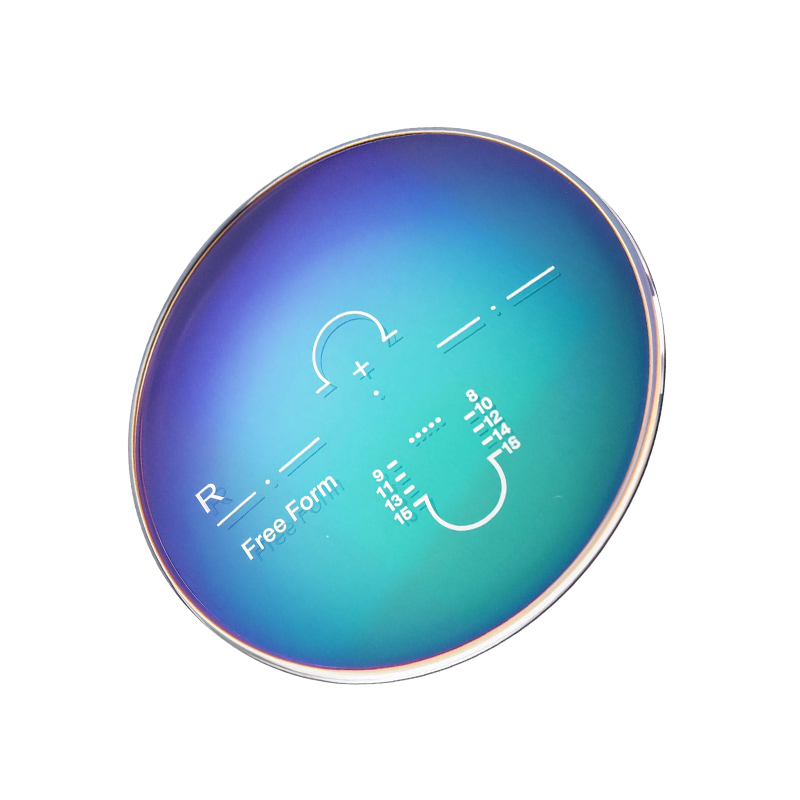 Freeform Blue Block Photochromic Progressive Lens Suppliers, FactoryJiangsu Junshi Optics Co., Ltd. is China freeform progressive lens HC/HMC suppliers and freeform blue block photochromic progressive lens...View Product →
Coatings and Functional Add-Ons That Matter
Modern optical laboratories need to offer lenses that go beyond basic vision correction. Anti-reflective coatings, hard coats, blue-light blocking, and photochromic treatments have become routine patient requests. The manufacturer's coating lines must be able to deliver these features without compromising durability or optical clarity.
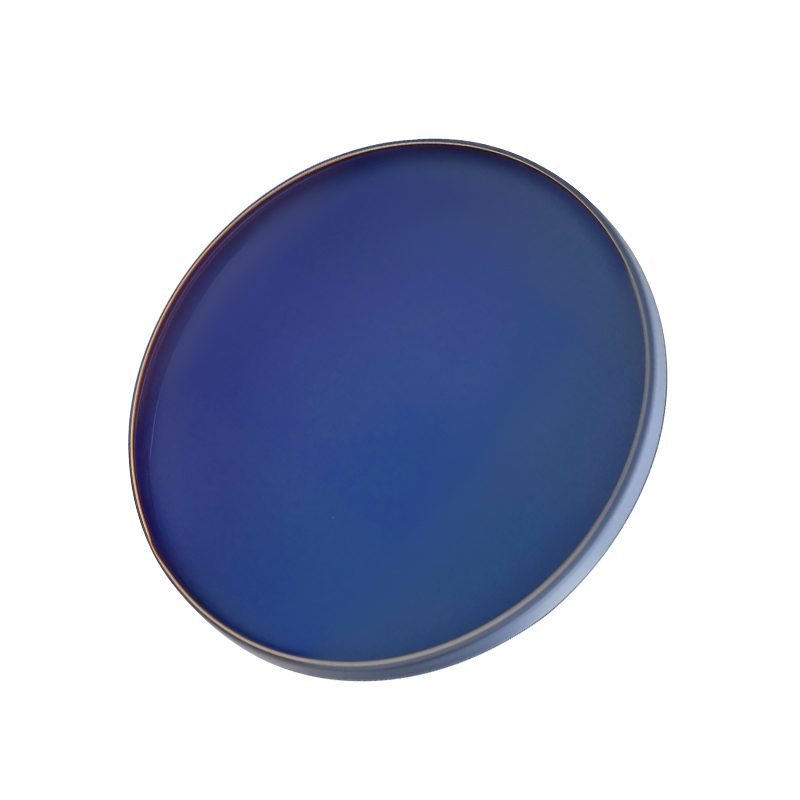
Hard multi-coated and super-hard multi-coated lenses use multiple layers to reduce reflections and increase scratch resistance. Blue-block lenses preserve color perception while filtering high-energy blue light, making them popular for desk workers and digital device users. Photochromic lenses add convenience for patients who move between indoors and outdoors.
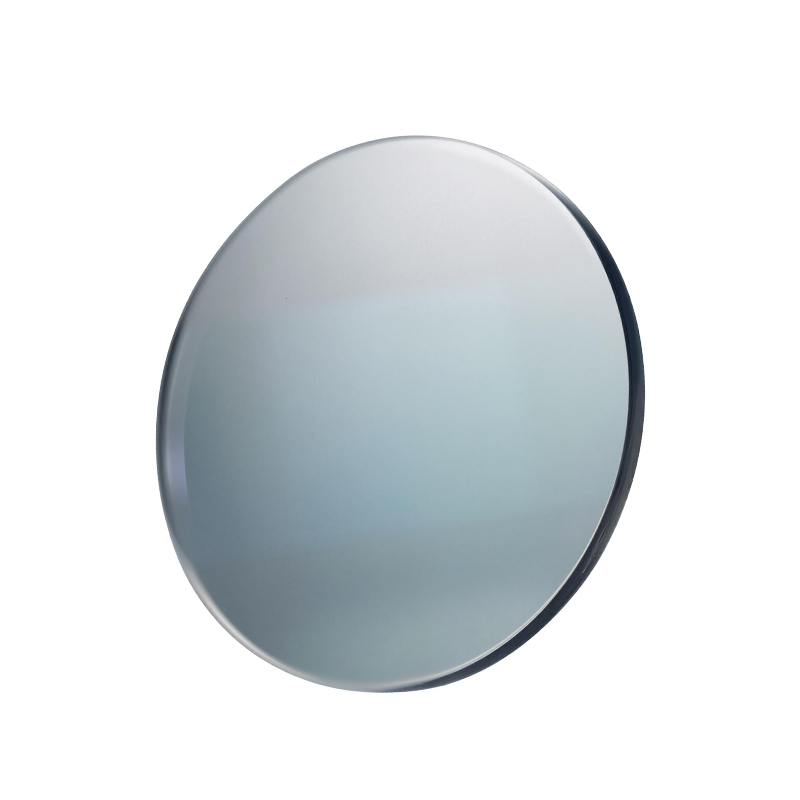
For example, a laboratory looking to expand its premium offering might stock a fast-change photochromic finished lens that combines fast darkening with a blue-block function and a durable airblue coating. Offering such lenses gives dispensers a clear upgrade path for patients who spend long hours outdoors or in front of screens.
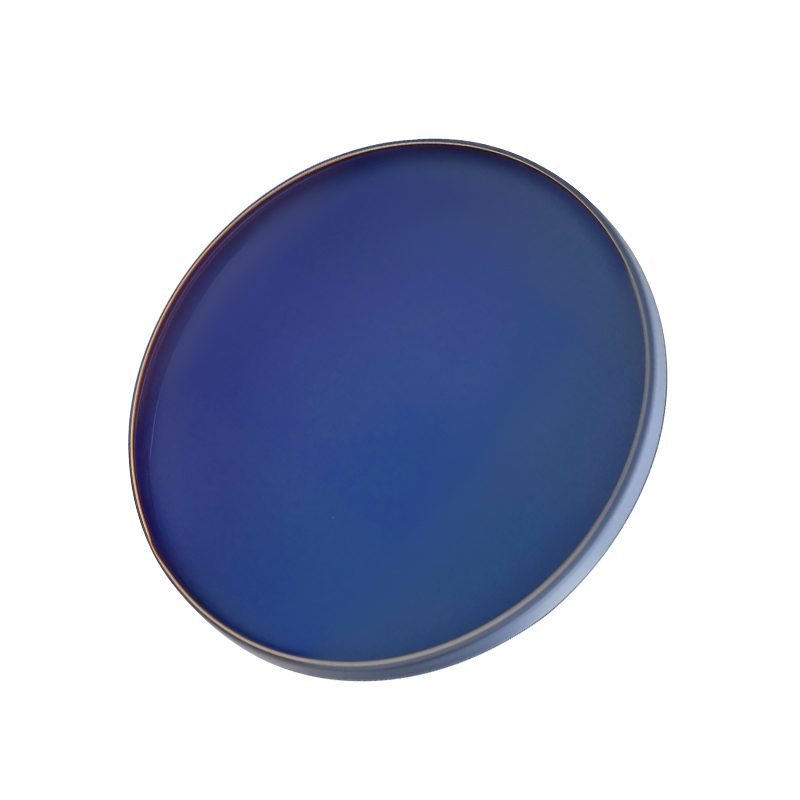 Wholesale 1.56 Photogrey (Fast Change) Airblue Coating SHMC Photochromic FinisheJiangsu Junshi Optics Co., Ltd is China wholesale 1.56 Photogrey (Fast Change) Airblue Coating SHMC Photochromic Finished Lens suppliers ...View Product →
Production Capacity and Vertical Integration
At some point, every optical laboratory asks how much it can rely on a manufacturer during peak demand. A supplier's production capacity and degree of vertical integration are strong indicators of that reliability.
Vertically integrated manufacturers control the entire process, from raw material mixing and monomer casting to lens formation, coating, and final inspection. This control tends to produce better batch consistency and faster problem resolution. A facility such as Jiangsu Junshi Optics, with a 14,000 square meter plant, annual production of over 25 million lenses, four automated resin casting lines, and more than 19 AR and hard-coating lines, is built to absorb demand surges. Independent optical laboratories can also benefit from the same OEM and ODM capabilities that international eyewear brands use to create customized products.
Quality Assurance and Lab Support
Beyond production capacity, optical laboratories need to know that quality is consistent. Look for suppliers with traceable batch records, clear coating specifications, and reliable inspection procedures. It is also helpful when a manufacturer offers technical support for edging, coating, and layout, because even a perfect lens blank can fail if processed incorrectly.
A partner that documents base curve changes and recommends the right material for specific frame styles reduces lab rework and makes the entire workflow safer. Good technical support also shortens the learning curve for new staff and helps laboratories adopt new products with confidence.
Selecting a Long-Term Supply Partner
When choosing a lens partner, optical laboratories should evaluate several factors. Look for documented quality control procedures and a clear product roadmap. Ask about lead times and stock levels for finished lenses, especially for best-selling single vision and progressive designs. Review coating options and make sure they include hard coats, anti-reflective layers, blue-blocking, and photochromic treatments. Finally, confirm that the supplier can provide technical support for laboratory equipment and software.
- Verify product range and stock availability
- Review coating and material options
- Confirm order lead times and minimum quantities
- Ask about OEM and custom labeling
- Test technical support response time
Equally important is the willingness to share data and problem-solve. The best partnerships are those where a manufacturer treats your laboratory as an extension of its own facility.
Optical laboratories succeed by turning prescriptions into comfortable, durable lenses with consistent quality and fast turnaround. That success depends heavily on the manufacturer behind the lens blank. Choosing a partner with broad product coverage, in-house coating capacity, and the flexibility to supply finished stock lenses, semi-finished blanks, and freeform RX designs gives your laboratory a solid foundation for growth.

 English
 Français
 Español
 عربى
عربى 中文
中文