Dr. Chen runs a three-year-old optometry practice with a two-chair exam room and a modest dispensary. Every month, he orders finished lenses from four different suppliers because each one seems to have a different strength. One vendor offers competitive pricing on single-vision lenses. Another is the only source for a specific progressive design. A third handles blue-blocking coatings. The fourth supplies photochromic lenses, but deliveries have been inconsistent for the past two months. His staff members spend roughly six hours per week submitting orders, chasing backorders, and returning defective lenses. For a small practice, that is a hidden cost that never appears on a profit-and-loss statement.
After one full quarter of tracking every purchase order, Dr. Chen found the real problem: vendor management, not lens quality, was the biggest drag on his optical department's profitability. Lens procurement is an avoidable margin drain when it is not structured. Vendor management determines not only the price you pay for products, but also how quickly your lab can complete a patient order, how many lenses end up rejected, and how much staff time gets consumed by administrative back-and-forth.
Why Vendor Management Matters More Than You Think
Lens costs typically represent a substantial share of a practice's total optical COGS. But the hidden costs of fragmented procurement usually matter more. When you spread your orders across many vendors, you lose volume-based pricing. You also lose leverage: no single vendor has a strong incentive to prioritize your practice during peak season.
There is also a quality angle. When four different manufacturers supply the same dispensing tray, the coating colors, base curve availability, and even the backside markings will differ. That inconsistency becomes a real problem in a professional practice where line-of-sight trust matters. More importantly, a vendor's sales representative is a free source of field knowledge. Most reps visit 200 to 300 practices each month. They see what other offices do well, what they stock, and which product families create patient satisfaction. If you have only one or two strong vendor relationships, you get more meaningful insight from those visits.
An effective vendor management strategy does not mean squeezing each supplier on price. It means defining evaluation criteria, tracking performance, and working with vendors to solve problems before they become expensive.
How to Evaluate an Optical Lens Supplier
A practical assessment starts with five measurable dimensions. Use the table below as a quick reference when reviewing a current or prospective lens vendor.
Five evaluation dimensions for selecting an optical lens vendor
| Dimension |
Metric that matters |
Why it affects your practice |
| Delivery reliability |
95% or higher on-time rate; three days or less lead time for stock lenses |
Patient orders depend on predictable restocking |
| Quality consistency |
Good-sample rate of 99% or higher; batch-to-batch color difference within Delta E 3 |
Coating color and optical tolerance variance drives retakes |
| Coating durability |
Adhesion test results; abrasion resistance; UV block rate |
Defective coatings are the most common lens complaint |
| Material performance |
Abbe value; impact strength; refractive index tolerance |
Determines optical clarity and safety |
| Technical support |
Response time; staff training; return policy |
A good vendor reduces your lab's troubleshooting burden |
An insightful note: when evaluating stock lenses, the key is not just the first delivery, but how well the vendor maintains that same quality over five or ten batches. The most expensive lens is the one that creates a second or third dispensing appointment.
Consolidating Vendors Without Losing Flexibility
The practical question is: how many vendors does an optometry practice actually need? The honest answer is often fewer than most practices maintain. Each supplier relationship consumes inventory space, administrative attention, and staff time. Keeping six vendors means six catalogs, six return processes, and six different support line experiences.
A disciplined approach uses the 80/20 model. Choose one or two primary suppliers for 70 to 80 percent of your lens volume, and keep one or two backup partners for specialty items or when the primary vendor runs out of stock. This structure preserves flexibility without losing the price negotiation power and the quality consistency that follows from concentrated volume.
When the primary vendor's product line covers multiple functional categories, consolidation becomes easy. A practice that can source blue-blocking finished lenses from its main supplier avoids opening a second ordering relationship or carrying an extra inventory SKU.
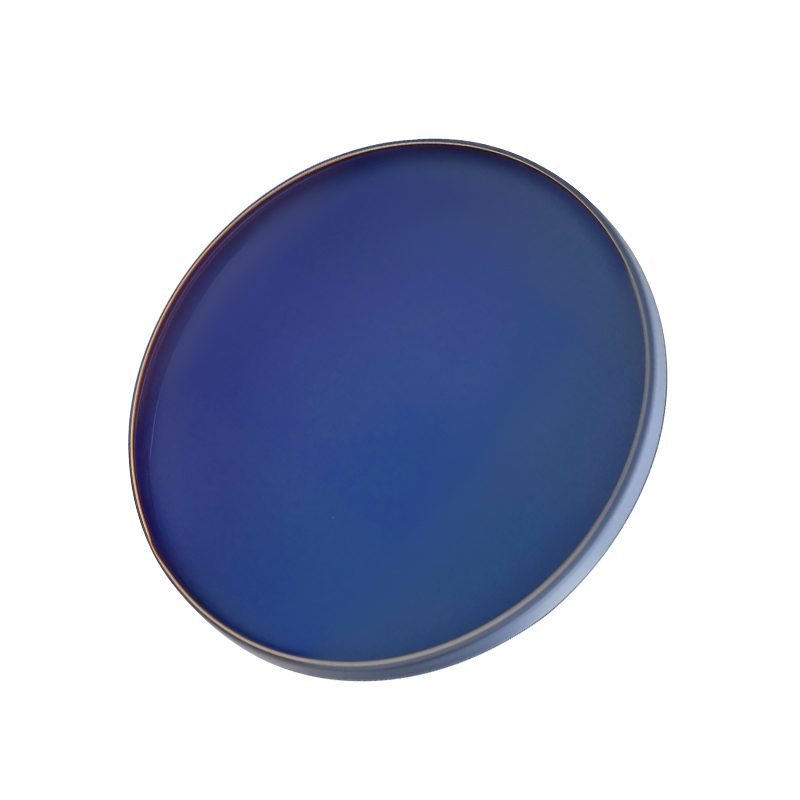
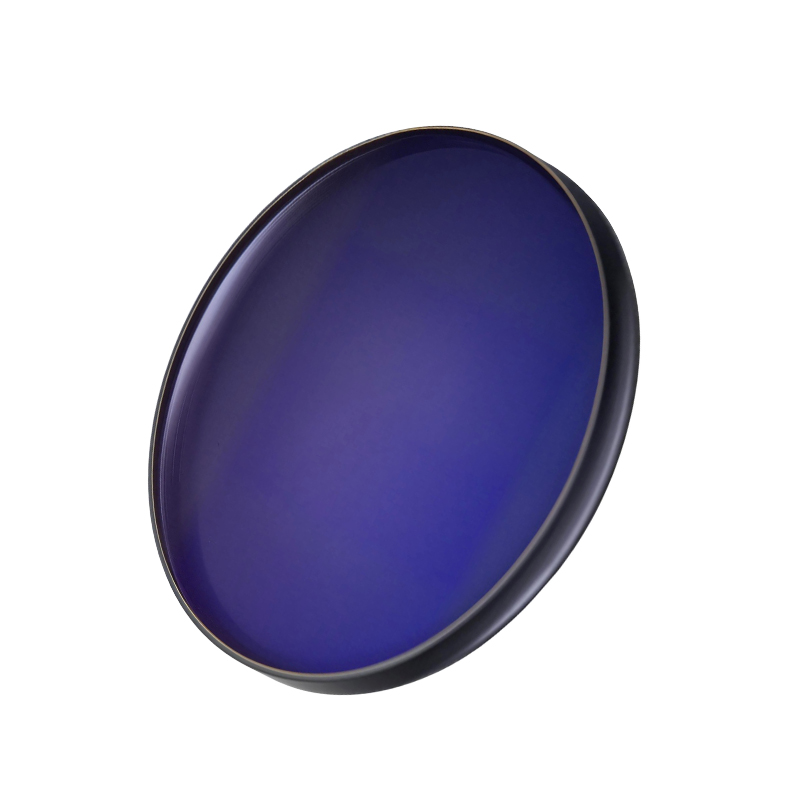
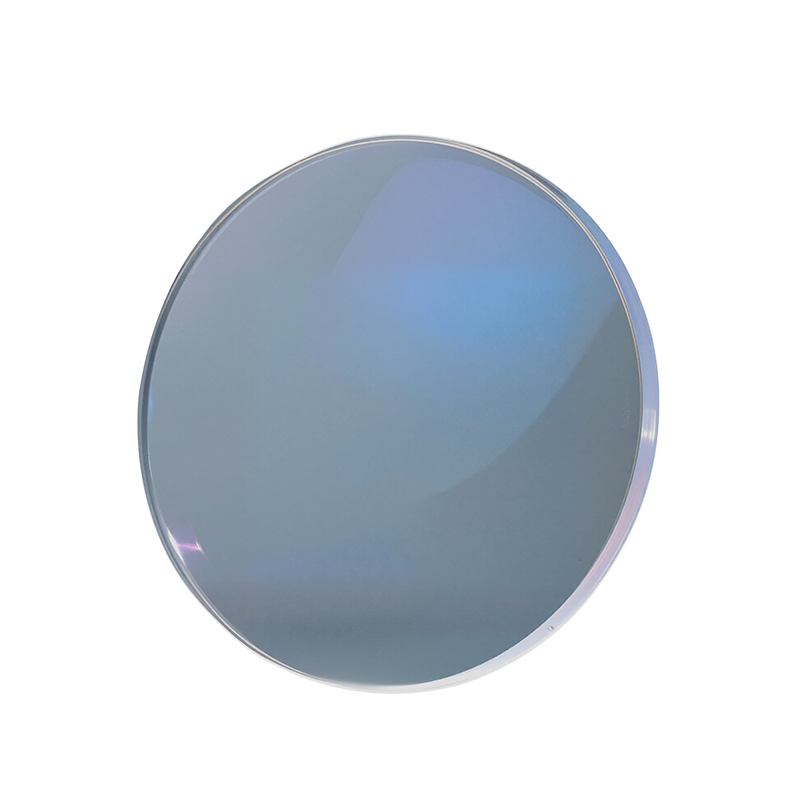 1.61 Blue Block Airblue SHMC Finished LensThis 1.61 finished lens with blue-blocking Airblue and SHMC coatings offers clear vision and UV protection, supporting consolidation of lens sourcing from a single supplier.View Product →
That is exactly what a stable vendor relationship looks like: a single trusted source reduces the administrative overhead that eats into your chair time.
Working With a Single Qualified Lens Partner
Once you have consolidated, the next step is to deepen the partnership with a qualified manufacturer. The ideal partner has vertical integration from material compounding and casting to AR coating and final package assembly. That integration matters because when a problem occurs, you don't have to coordinate with multiple factories. One contact, one quality standard, and one solution path.
Consider the scenario where a patient comes in after three months wearing a progressive lens and reports blurry peripheral vision. With a fragmented supply chain, you may have to log the complaint, inspect the lens, check the coating, contact the vendor, and then wait for the lab to troubleshoot the design. If the same design comes from a manufacturer that also engineered the surface, the response is faster: the design parameters can be reviewed against the patient's prescription immediately. For a typical practice, that speed is not a luxury. It's a way to protect your chair time.
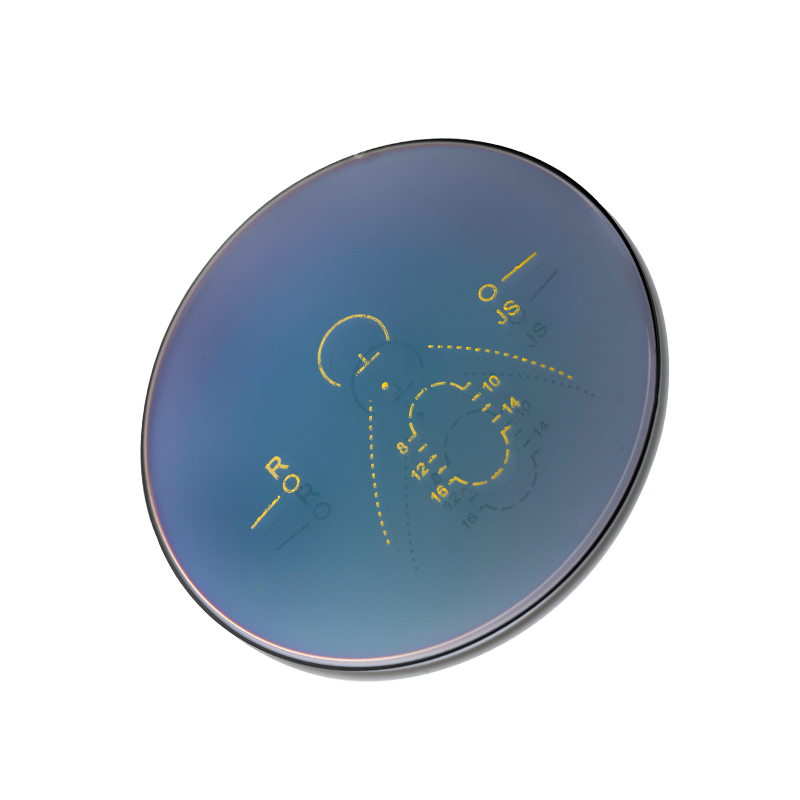
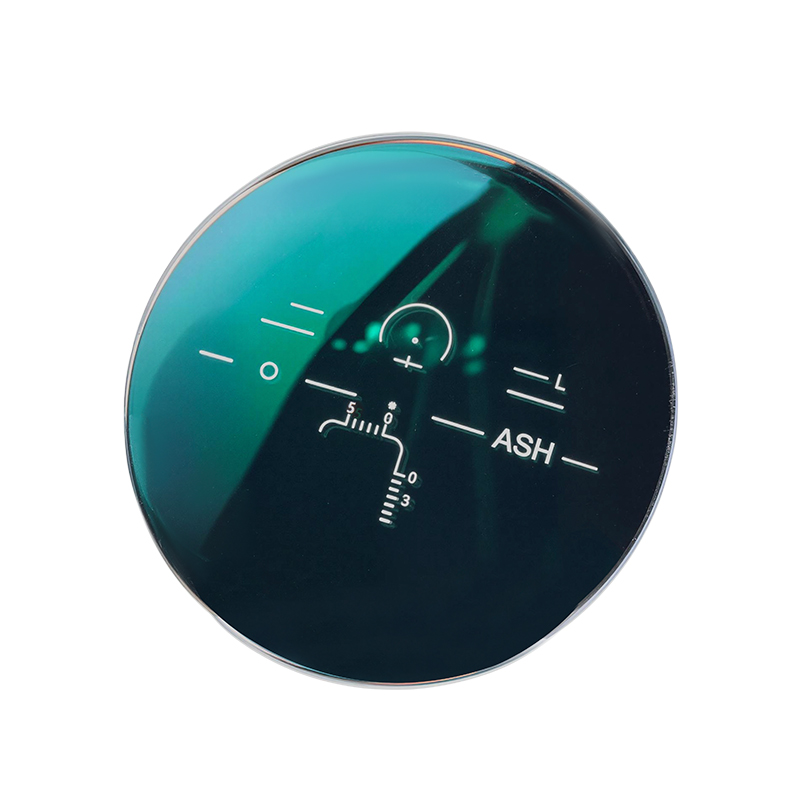 1.61 Blue Block Progressive 9+4 Design Finished LensThis 1.61 progressive lens with 9+4 design includes blue light protection, enabling streamlined troubleshooting from a vendor that also engineered the surface.View Product →
For photochromic lenses, a partner with proprietary spin coating and fast-change technology can help extend the prescription lens portfolio in your practice. Patients who use these lenses often have a specific need for glare reduction and adaptive tinting, and their satisfaction depends on consistent tint speed and even coating.
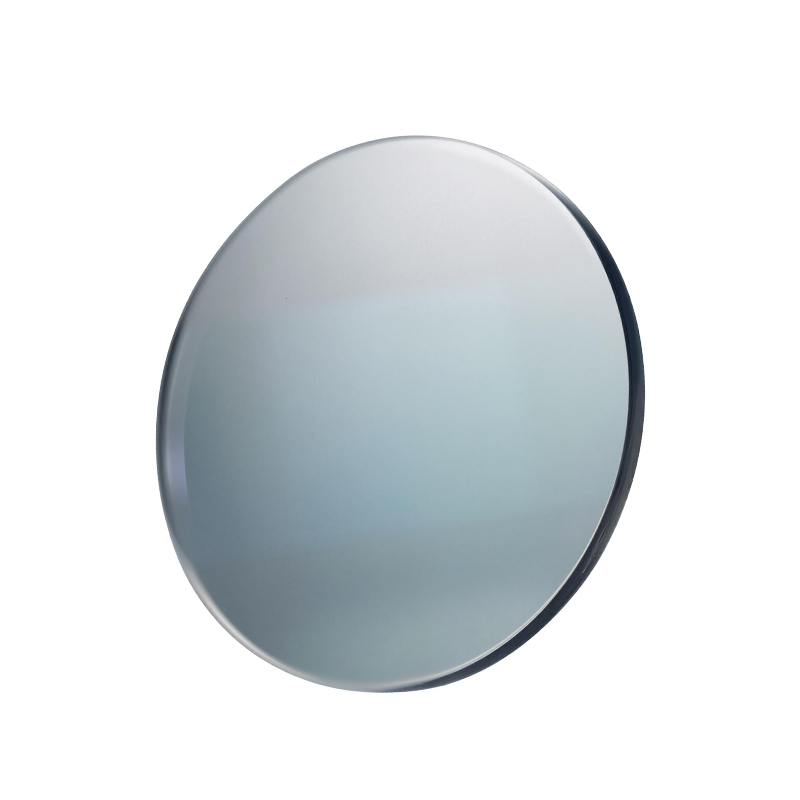
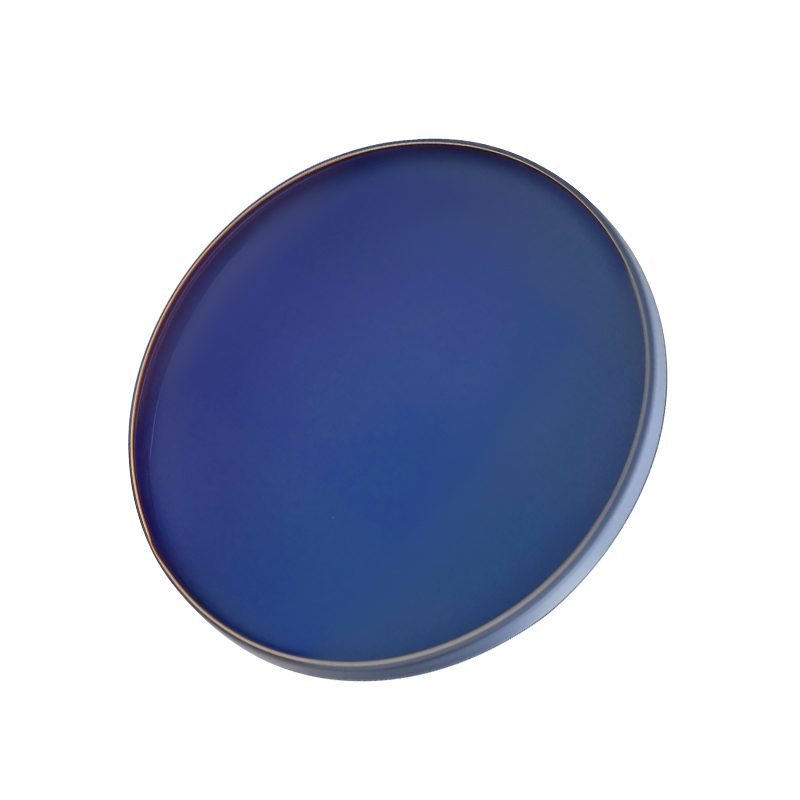 1.56 Photogrey Fast Change Airblue SHMC Photochromic Finished LensThis 1.56 photochromic lens with fast-change technology, Airblue and SHMC coatings rapidly adapts to light, ensuring consistent tint speed for patient satisfaction.View Product →
A reliable manufacturer removes one more variable from your dispensing equation, ensuring that the functional lens you recommend performs exactly as promised.
Four Practical Steps to Strengthen Vendor Relationships
A stable supplier relationship produces better performance when it is managed with intention.
- Review delivery data quarterly. Ask your vendor for the on-time rate, backorder frequency, and the average number of days from order to arrival. Holding a supplier accountable to clear metrics improves both parties' planning.
- Create a quality feedback loop. Every time a lens is rejected for coating defect, edge chipping, or design error, log the issue and send the report to the vendor. For the vendor, such data becomes manufacturing intelligence. For your practice, it converts complaints into evidence.
- Plan product assortment together. Share patient demographics and prescribing trends with your vendor. This allows them to suggest products that will reduce your inventory carrying cost and increase your average order value.
- Require staff training. If your practice dispenses semi-finished lenses, technical training on edging and surfacing can reduce costly errors. This is especially important when your lab handles complex designs in-house. Understanding semi-finished lens processing can help your team make better decisions. The right vendor treats training as part of the contract, not as an extra paid service.
The Bottom Line
For most optometrists, the conversation about vendor management stops at price. But the stronger lever is a structured process that selects fewer vendors, tracks performance, and builds long-term accountability. A disciplined practice can cut purchase order processing time, reduce return rates, and improve gross margins without ever raising a single patient fee.
The best vendor for your practice is not necessarily the cheapest. It's the one whose manufacturing capability aligns with your patient mix, whose delivery performance you can rely on, and whose support team actually understands your optical workflow. Focus on that, and the financial and operational benefits will follow naturally.

 English
 Français
 Español
 عربى
عربى 中文
中文