Industrial Value and Market Evolution of Blue Block Finished Lens in the Digital Vision Era
With the large-scale popularization of digital office work, mobile terminals, online education, and smart entertainment devices, the amount of time people spend exposed to electronic screens continues to increase. Whether it is computer monitors in offices, OLED displays on mobile devices, or high-brightness display systems in smart homes, short-wave blue light has become an important component of the modern visual environment. Consumer demands for visual comfort are no longer limited to “seeing clearly,” but are gradually extending to higher-level needs such as “seeing comfortably for longer periods,” “reducing visual fatigue,” and “improving long-term wearing comfort.” Against this background, Blue Block Finished Lens has rapidly entered the global optical lens market and become a key product direction for many lens suppliers, manufacturers, and optical lens factories.
Blue Block Finished Lens is essentially a functional optical lens that combines blue light blocking technology with the characteristics of a finished lens structure. It not only possesses the direct assembly advantages of traditional Finished Lens products, but also provides partial harmful blue light filtering, optimization of the visual spectral environment, and relief from digital visual fatigue. For people with mild myopia, mild hyperopia, and those who spend long periods facing electronic devices, this type of lens is forming a new consumer habit.
In the global lens industry, the development speed of functional Finished Lens products is significantly faster than that of traditional single-function refractive lenses. More and more optical lens manufacturers are shifting from “simply producing lenses” to “providing complete visual solutions.” Consumers are no longer only concerned about refractive index, but are paying greater attention to coating structure, light transmittance, color authenticity, blue light filtering ratio, wearing comfort, and long-term visual experience.
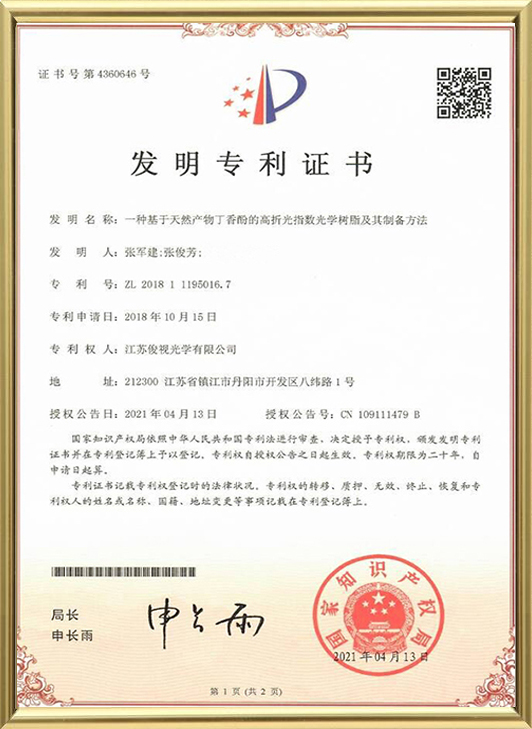
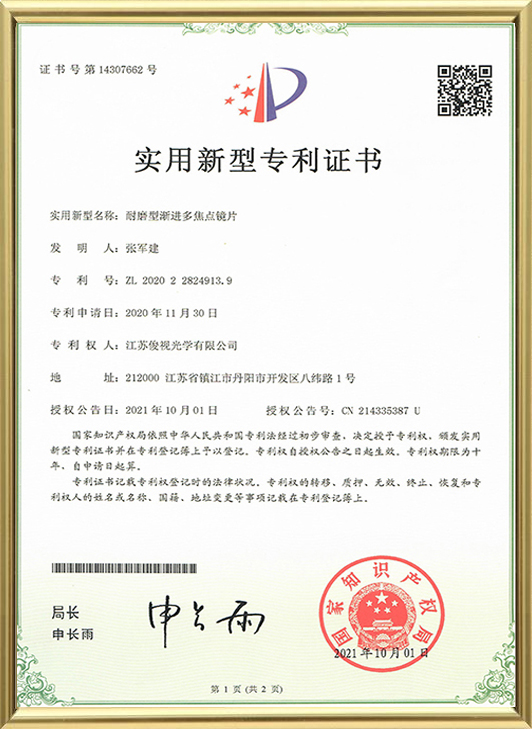
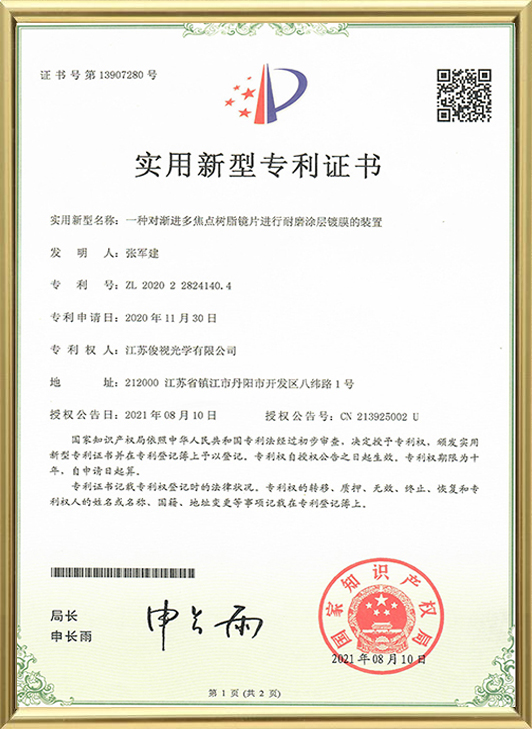
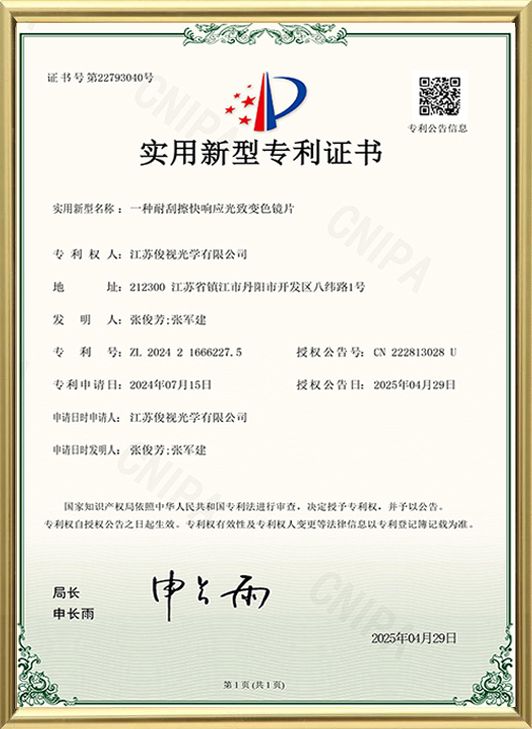
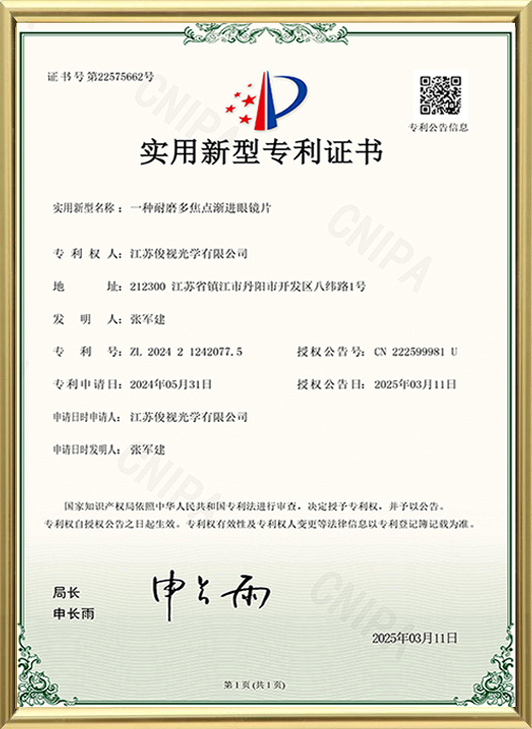
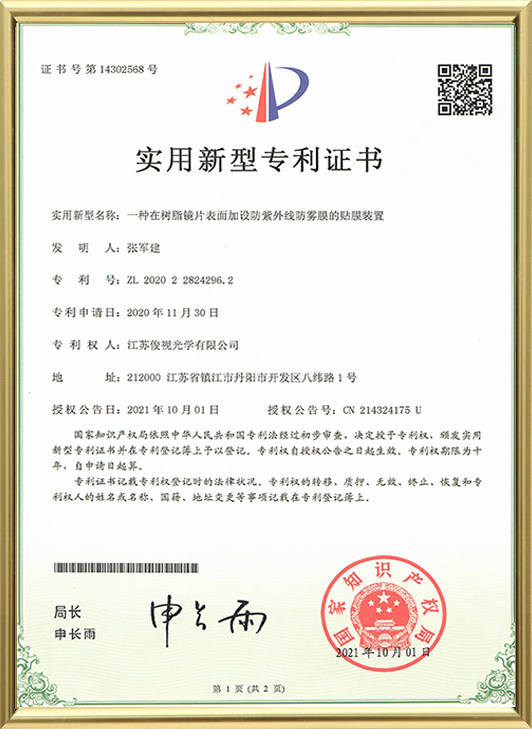
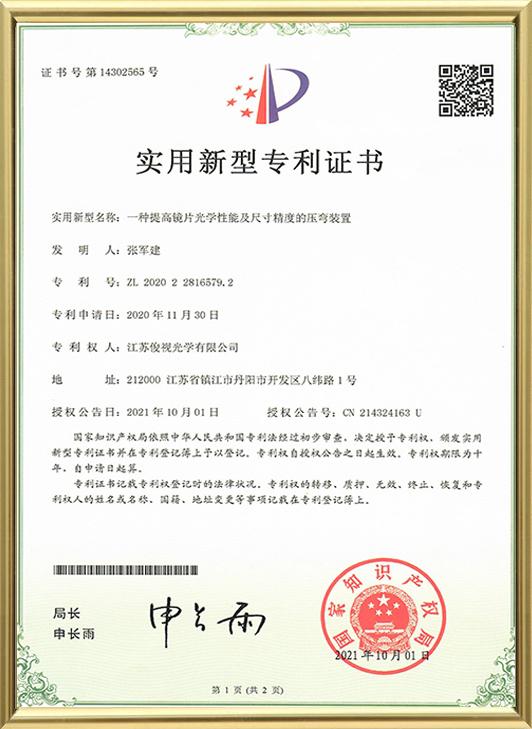
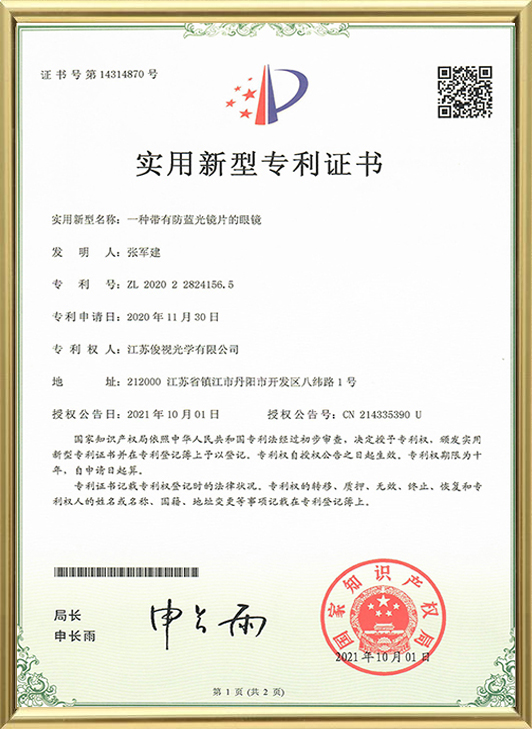
As an important enterprise in China’s high-end resin lens field, Jiangsu Junshi Optics Co., Ltd. has long focused on the research and development of high-performance optical resin lenses and has established a complete ODM and OEM system in the field of blue light protection Finished Lens products. The company continuously invests 12% of its annual revenue into research and development and employs more than 40 specialists in optics, material chemistry, and process automation. It has accumulated more than 35 patents in optical design, functional coatings, and material engineering. At the same time, the company has established long-term cooperation with more than 300 international partner brands and serves more than 5,000 partner stores in China, forming strong industrial collaboration capabilities within the Finished Lens supply chain system.
For modern lens factories, Blue Block Finished Lens is no longer merely a single product category, but rather represents an important direction for the future of functional optical lenses. More international brands are paying attention to whether suppliers possess stable research systems, automated production capabilities, and high-standard quality control systems.
Technical Structure and Optical Principles of Blue Block Finished Lens
The reason Blue Block Finished Lens has gained rapid market recognition is closely related to its unique technical structure. Traditional Finished Lens products mainly emphasize processing convenience and standardization, while blue light protection Finished Lens products further integrate spectral control technology.
The blue light emitted from electronic screens is mainly concentrated within the 400nm to 500nm wavelength range. Among these wavelengths, short-wave high-energy blue light is more likely to cause visual fatigue, glare discomfort, and visual tension after prolonged use. The core objective of Blue Block Finished Lens is not to completely block blue light, but rather to selectively filter high-energy short-wave blue light while maintaining visual authenticity and color balance.
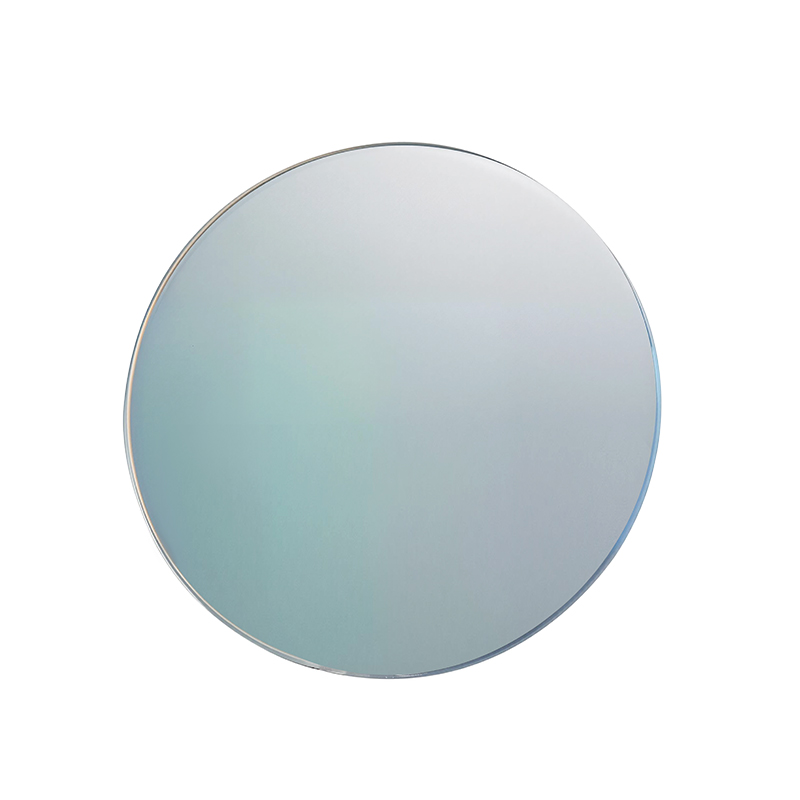
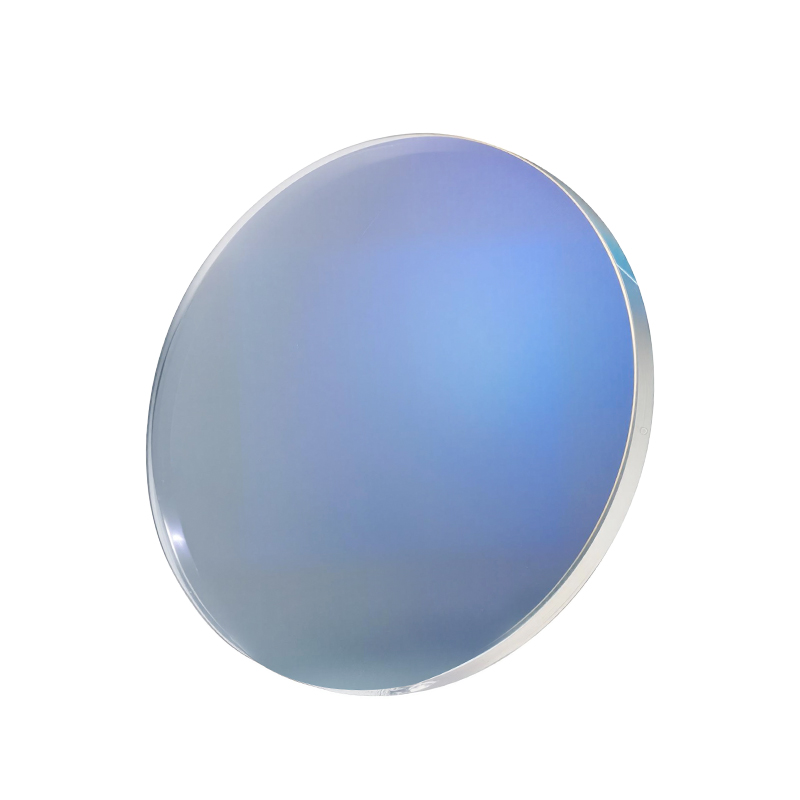
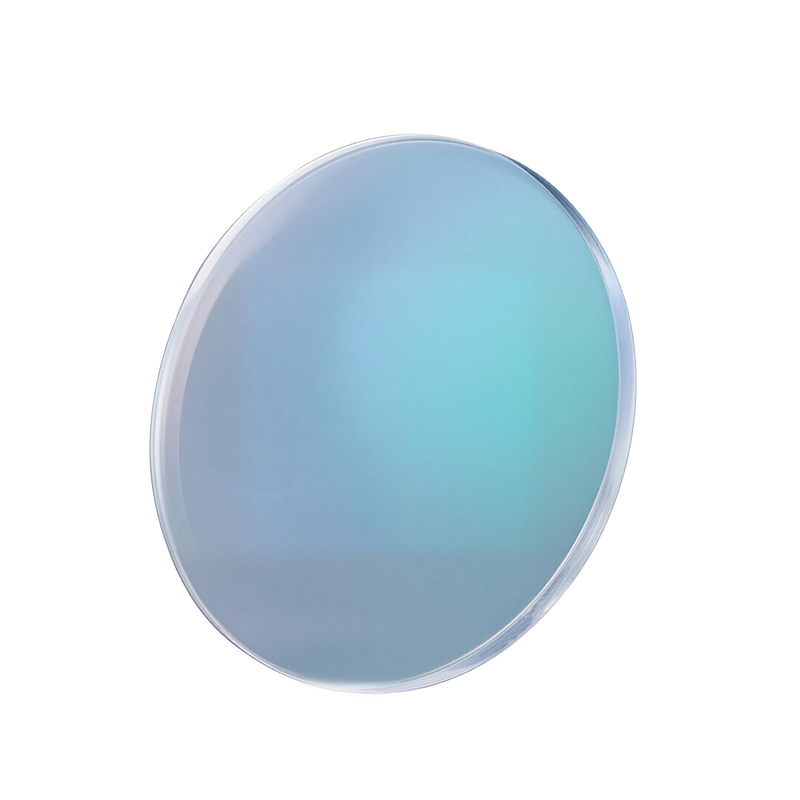
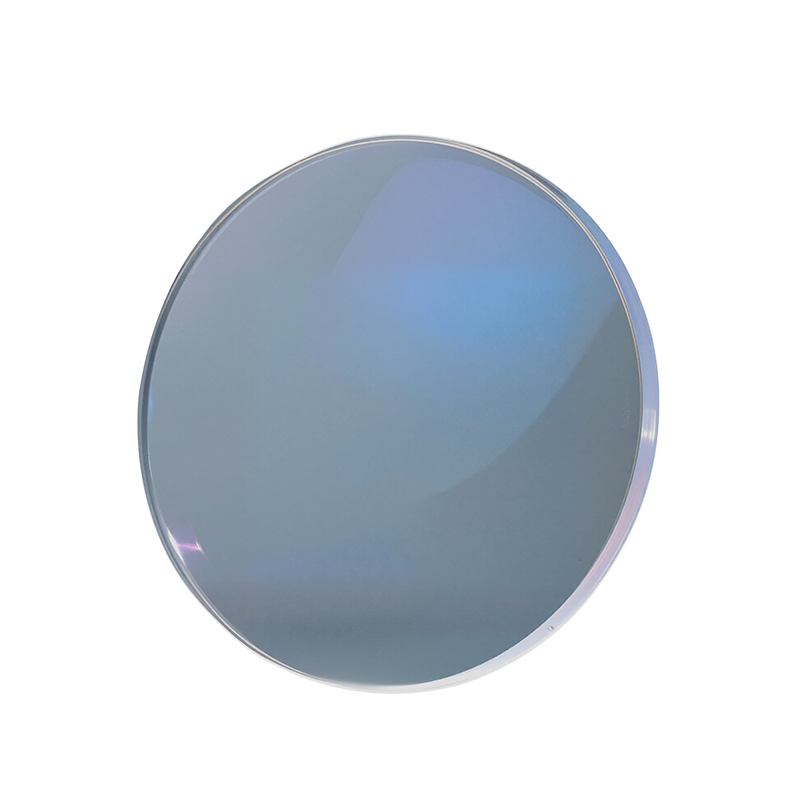
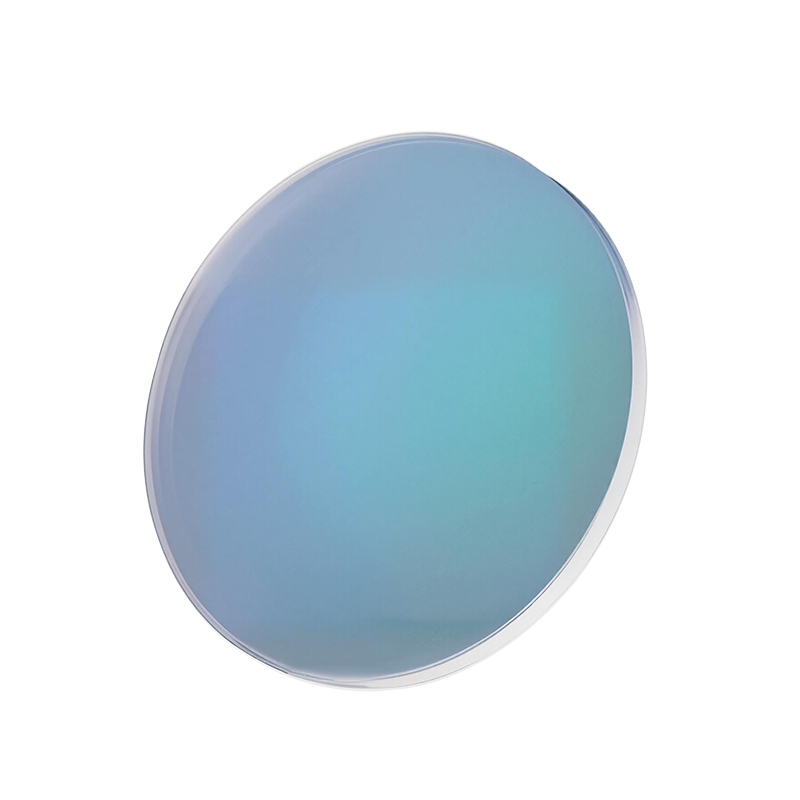
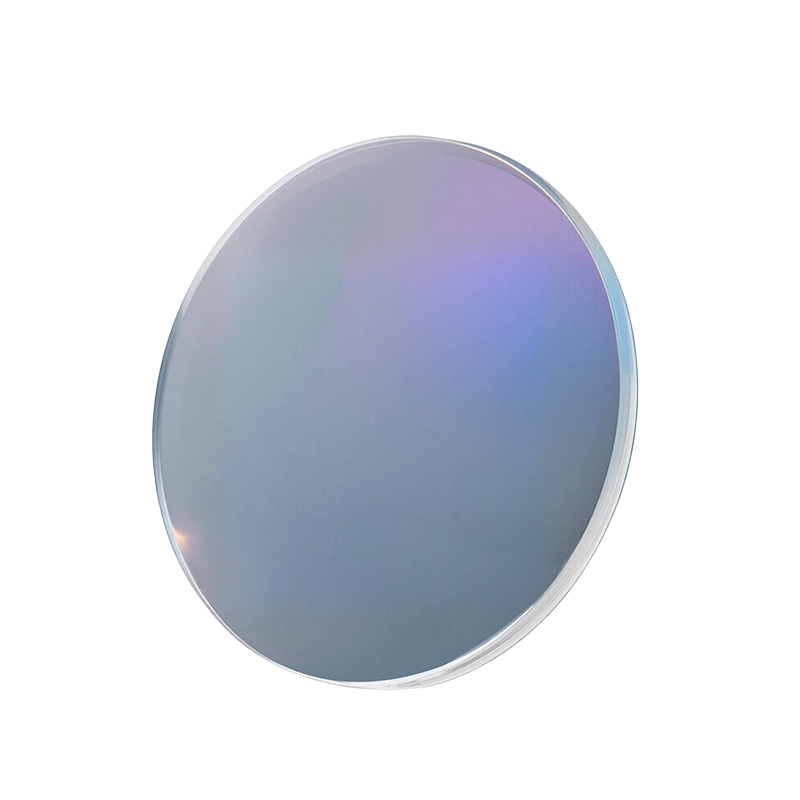
Currently, blue light Finished Lens products on the market mainly adopt two technical routes. One is substrate absorption technology. Lens manufacturers add special absorption factors into resin materials, enabling the lens to possess blue light absorption capabilities during the molding stage. The advantage of this solution lies in its stable functionality, as the blue light filtering performance is less affected by coating wear, while maintaining good durability. The other route is coating reflection technology. Lens factories use multilayer coating structures to reflect part of the blue light. Such lenses often display a light blue reflective appearance and have strong market recognition.
As consumer aesthetic demands continue to increase, more high-end Blue Block Finished Lens products are adopting a composite structure that combines “substrate absorption and coating optimization.” This structure not only reduces surface reflections but also improves color deviation issues, allowing wearers to achieve a more natural visual experience.
During the research and development of blue light lenses, Jiangsu Junshi Optics Co., Ltd. places greater emphasis on balancing “functionality and visual performance.” Traditional blue light lenses once suffered from noticeable yellow tinting, reduced light transmittance, and color distortion, while modern high-end Blue Block Finished Lens products are gradually solving these industry problems.
Through continuous research investment, the company’s R&D team continuously optimizes resin molecular structures and combines high-precision coating processes to control lens spectral curves. This allows the lenses to effectively reduce high-energy blue light stimulation while maintaining high visible light transmittance. This is particularly important for long-term office workers, esports users, online learning groups, and heavy smart device users.
Many lens suppliers promoting Blue Block Finished Lens products are no longer solely emphasizing blue light blocking ratios, but are instead paying greater attention to the overall visual performance of the lenses. Excessive blue light filtering may lead to yellowish vision, image distortion, and visual adaptation difficulties, so high-end lens manufacturers are continuously optimizing spectral control logic.
| Application Scenario |
Main User Groups |
Core Performance Requirements |
Manufacturing Focus |
| Digital Office Work |
Office workers and software developers |
Long-term visual comfort and reduced fatigue |
Low reflection, high transmittance, stable blue light filtering |
| Online Education |
Students and training institution users |
Reducing pressure from prolonged near-distance viewing |
High clarity and natural color performance |
| Esports and Entertainment |
Gamers and live-streaming users |
Reducing stimulation from high-brightness screens |
Fast visual adaptation and reduced glare |
| Mobile Device Usage |
Heavy smartphone and tablet users |
All-day wearing comfort |
Lightweight materials and highly durable coatings |
| Smart Office Environments |
Remote workers and creative professionals |
True color representation and visual balance |
Precise spectral control technology |
For lens factories, Blue Block Finished Lens products must not only satisfy basic optical standards but also achieve higher levels of coating uniformity, abrasion resistance, and long-term stability. Particularly in high-index lenses, there is often a complex balance between blue light control and chromatic dispersion control. Some low-quality blue light lenses may cause edge distortion, increased chromatic dispersion, and nighttime visual discomfort, prompting high-end manufacturers to continuously optimize overall optical structures.
Compared with Semi Finished Lens products, Finished Lens products place greater emphasis on finished standardization. For global channel customers, Finished Lens products can reduce processing cycles and improve in-store fitting efficiency, leading to rapid growth in chain optical retail systems.
Many international lens brands are promoting a business model centered around “fast delivery and integrated functionality.” Blue Block Finished Lens products align perfectly with this market demand because they both shorten fitting processes and satisfy consumer expectations for functional lenses.
In Asian markets, digital office environments are driving rapid growth in blue light lenses. Large numbers of white-collar workers spend more than eight hours daily using computers, making eye fatigue an increasingly important issue. Meanwhile, in Europe and North America, the development of online education, remote working, and esports entertainment industries has further expanded demand for Blue Block Finished Lens products.
For lens manufacturers, future competition will no longer focus solely on refractive index, but rather on functional integration capabilities. Suppliers capable of balancing high-definition vision, wearing comfort, and functional protection will be more likely to gain international market recognition.
Global Blue Block Finished Lens Industry Chain Upgrading and Future Manufacturing Trends
The rapid development of Blue Block Finished Lens products is driving profound changes throughout the entire optical lens industry chain. Traditional lens industries relied more heavily on large-scale manufacturing, while the current market places greater emphasis on research capability, material innovation, intelligent manufacturing, and functional integration.
In the past, many lens factories mainly relied on standard resin materials and basic coating technologies for production, resulting in limited product differentiation. However, the development of blue light protection lenses has pushed the industry into a technology-driven stage.
The manufacturing process of modern Blue Block Finished Lens products involves multiple complex procedures, including resin polymerization, mold control, surface polishing, multilayer coating, hardening treatment, cleaning inspection, and automated packaging. Any deviation during these processes may affect the final wearing experience.
Within high-end lens manufacturing systems, automated production is becoming an important direction. Many advanced lens manufacturers have introduced intelligent inspection systems that use automated equipment to monitor surface stress, coating uniformity, and spectral data, thereby improving finished product consistency.
In recent years, Jiangsu Junshi Optics Co., Ltd. has continuously promoted automated process upgrades and focused its research efforts on the stable production of functional lenses. Because the company possesses strong ODM development capabilities, it can provide not only standardized Blue Block Finished Lens products but also customized development solutions according to the needs of international brands.
This ODM model is becoming increasingly popular in the global lens market because many international brands possess channel and marketing advantages but do not own complete manufacturing systems, leading them to prefer cooperation with mature optical lens suppliers.
At present, the global Blue Block Finished Lens market has formed a clear segmentation structure. High-end markets focus more on visual authenticity, low reflectivity, and long-term wearing comfort; mid-range markets emphasize functional stability and cost performance; while entry-level markets rely more heavily on large-scale supply capabilities and distribution coverage.
As consumer awareness continues to improve, relying solely on low prices is no longer sufficient for maintaining long-term competitiveness. Increasing numbers of consumers are paying attention to the manufacturing process, research capability, and brand credibility behind lenses.
For lens suppliers, research capability has become one of the core competitive barriers. Especially in the blue light lens field, functional parameters are not the only standard. How to control yellow tinting, improve nighttime visual comfort, and reduce reflective glare has become an important technical direction for high-end markets.
Many international buyers selecting lens factories now focus not only on production capacity, but also on research capability and long-term cooperation stability. Jiangsu Junshi Optics Co., Ltd. has established long-term relationships with more than 300 international partner brands due to its continuous technological investment. The company invests 12% of annual revenue into research and development, which is considered a relatively high proportion within the traditional manufacturing industry. Research funding is allocated not only to new material development but also to automated process optimization, coating technology upgrades, and lens structure innovation.
Because Blue Block Finished Lens is a typical functional product, its technological upgrade speed is significantly faster than that of ordinary lenses. In the past, the market mainly focused on blue light blocking ratios, while current trends increasingly emphasize “precise filtering.” Not all blue light is harmful, and certain blue light wavelengths still play positive roles in human circadian rhythms and visual perception. Therefore, high-end lens manufacturers are researching more scientific spectral control solutions.
At the same time, consumers are placing higher demands on lens appearance. Traditional blue light lenses often displayed obvious blue reflections, while modern high-end products tend to pursue low reflectivity, high clarity, and more natural visual effects.
At the supply chain level, the global lens industry is also undergoing regional restructuring. Asia remains one of the world’s major optical lens manufacturing centers, and China in particular possesses a complete industrial chain advantage in resin lenses. From raw material supply and mold manufacturing to automated coating equipment, Chinese lens factories have already formed a mature manufacturing ecosystem.
This industrial cluster advantage enables Chinese lens manufacturers to achieve strong balance among research speed, delivery efficiency, and cost control.
The development of Blue Block Finished Lens products has also promoted upgrading at the retail terminal level. In the past, consumers mainly focused on price and prescription when purchasing glasses, while optical retail stores are now increasingly promoting concepts related to visual health. Many eyewear retailers are recommending blue light protection lenses as standard products, especially for office workers, students, and mobile internet users.
In e-commerce channels, the standardized characteristics of Finished Lens products also make them more suitable for online sales. Since Finished Lens products reduce processing complexity and improve SKU standardization, they are more likely to form large-scale online retail models.
Future development directions for Blue Block Finished Lens products also include multifunctional integration, lightweight material upgrades, and intelligent optical design. Modern consumers expect a single pair of lenses to provide blue light protection, UV protection, anti-glare performance, anti-smudge coatings, water resistance, and high-definition vision simultaneously. As a result, lens manufacturers are strengthening research into composite coating technologies.
As OLED, Mini LED, and AR display devices continue to expand, the light emission structures of electronic screens are also changing. This means that the spectral control logic of blue light lenses must evolve simultaneously. Blue light filtering solutions originally designed for LCD screens may not be fully suitable for new display technologies, so high-end lens factories are strengthening spectral research targeting different display environments.
Meanwhile, consumer demand for lightweight lenses continues to increase. During long-term wear, lens weight directly affects nose bridge pressure and overall comfort. Therefore, lightweight high-index materials will continue to represent an important development direction for Blue Block Finished Lens products.
In future international market competition, relying solely on low-cost production will no longer be sufficient to establish long-term advantages. Lens suppliers possessing strong research capability, automated manufacturing systems, and global cooperation networks will be more likely to gain recognition from international brands.

 English
 Français
 Español
 عربى
عربى 中文
中文

 +86- 511-86229810