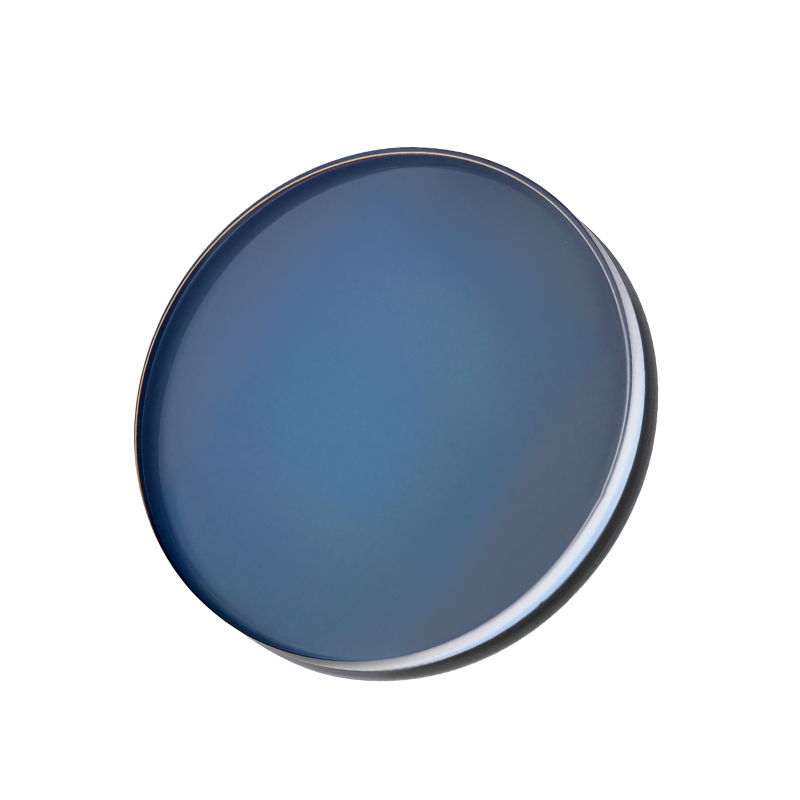
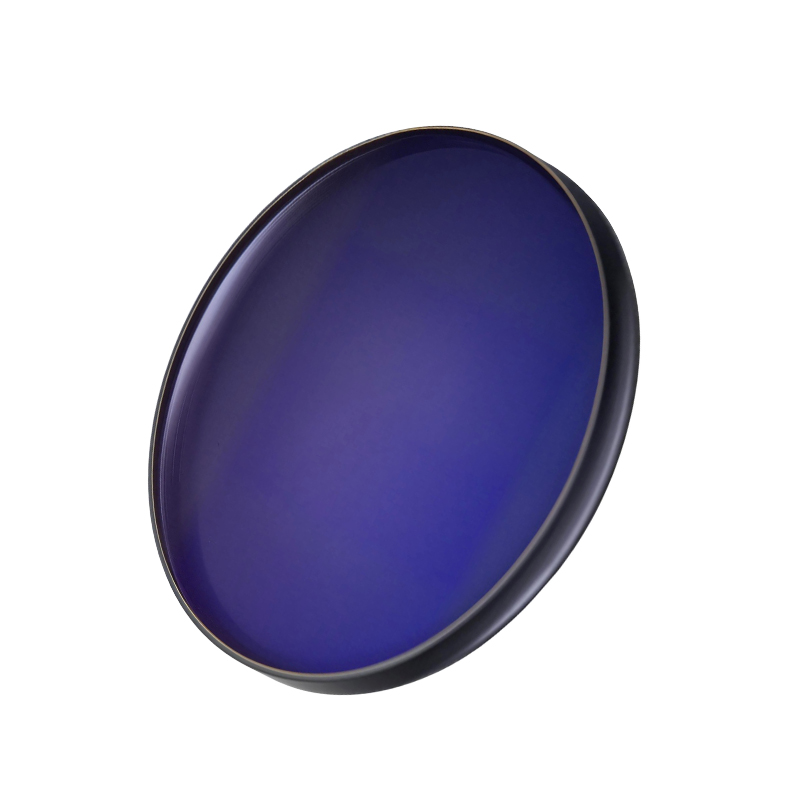
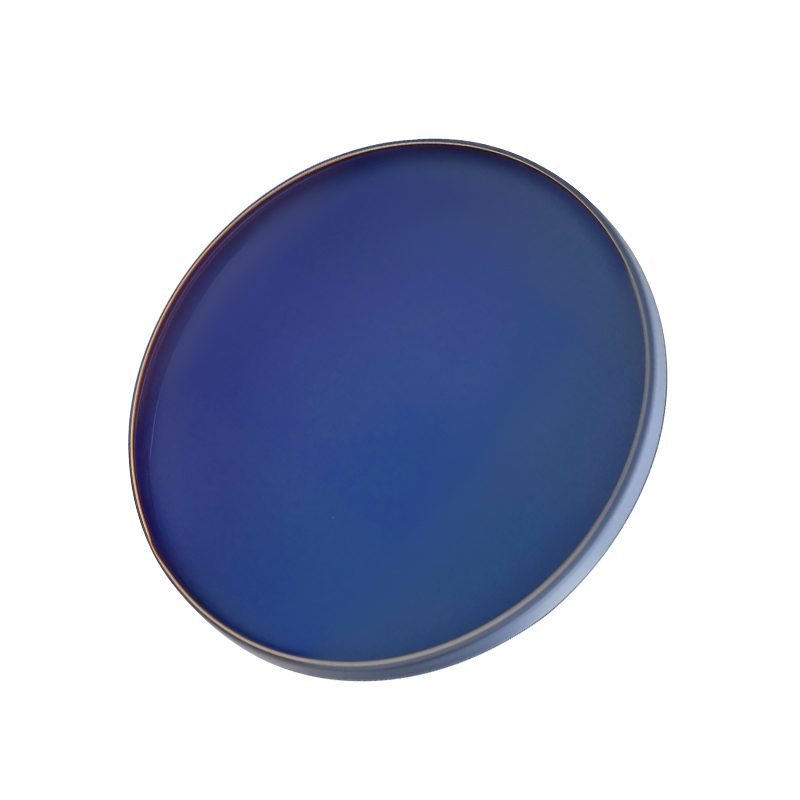
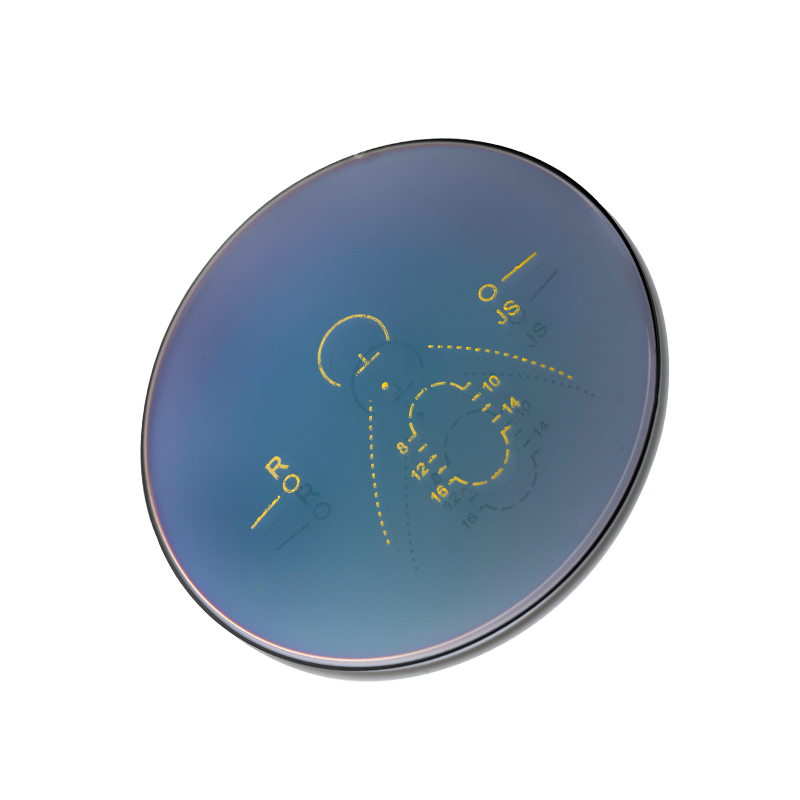
Photochromic Finished Lens Industry Development and Product Definition Evolution
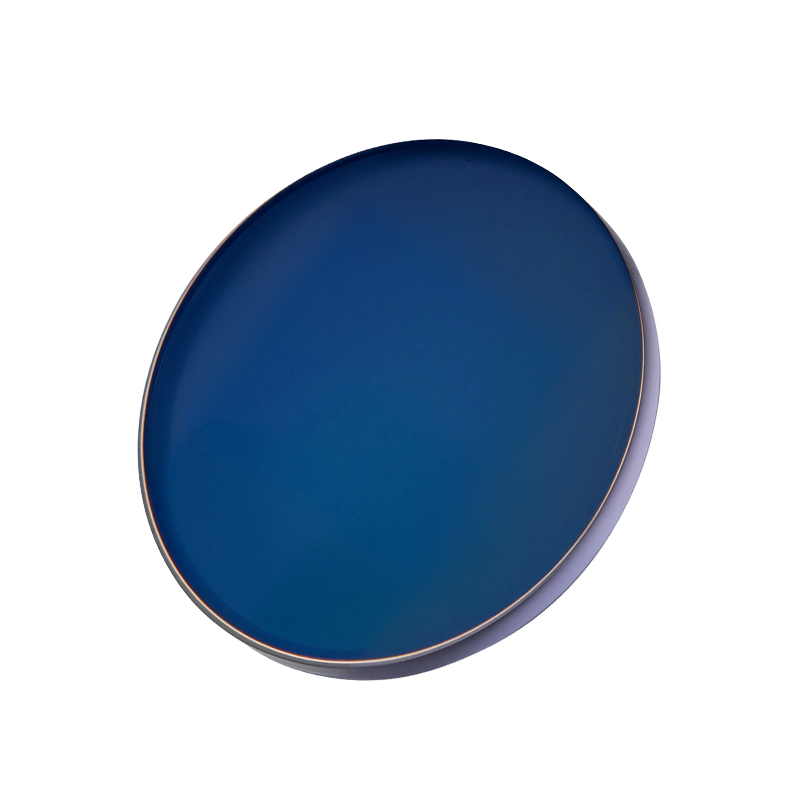
In the context of continuous upgrading of the global ophthalmic industry chain, Photochromic Finished Lens has gradually evolved from a single-function optical product into a comprehensive solution integrating visual correction and intelligent ambient light adaptation. Its core mechanism lies in the photochromic molecular system, which enables dynamic transmittance changes under different lighting conditions, thereby automatically adjusting visual comfort between indoor and outdoor environments. This type of lens not only meets basic vision correction needs but also resolves the inconvenience of frequently switching between regular glasses and sunglasses.
Within the global supply chain system, the production of Photochromic Finished Lens is typically led by vertically integrated manufacturers, while upstream suppliers provide high-purity photochromic monomers, resin substrates, and functional coating materials. Midstream manufacturers and lens factories are responsible for molding, curing, coating, and inspection processes. Different manufacturers across regions adopt varying technical pathways, but the overall trend focuses on faster photoresponse, improved color stability, and enhanced UV resistance.
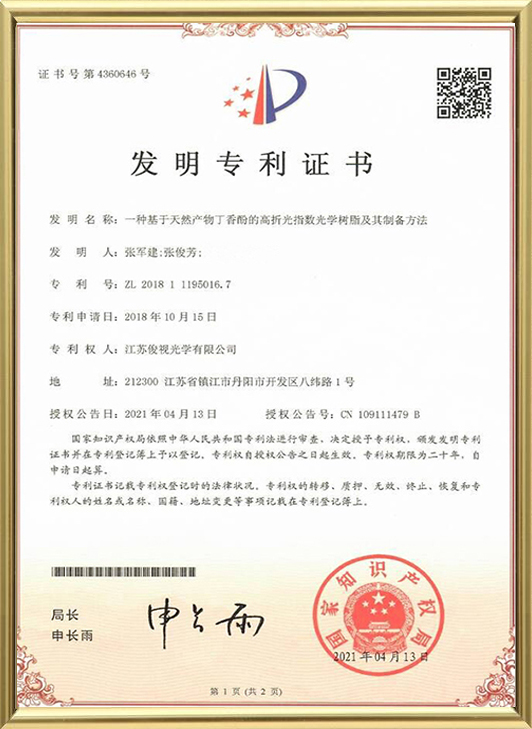
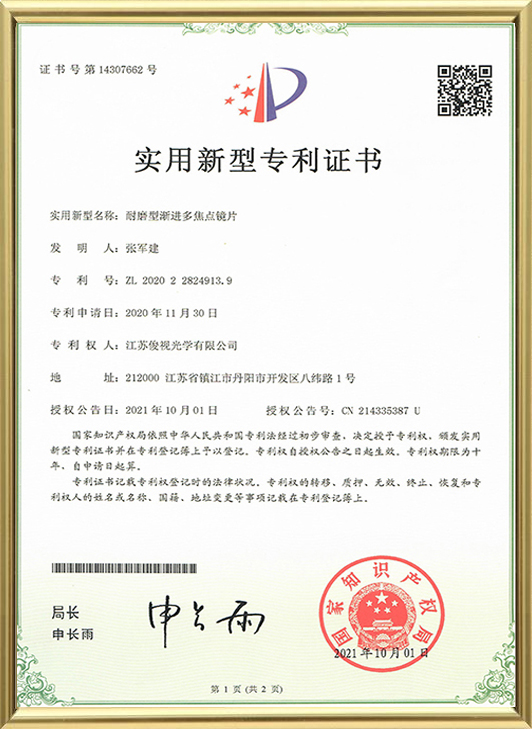
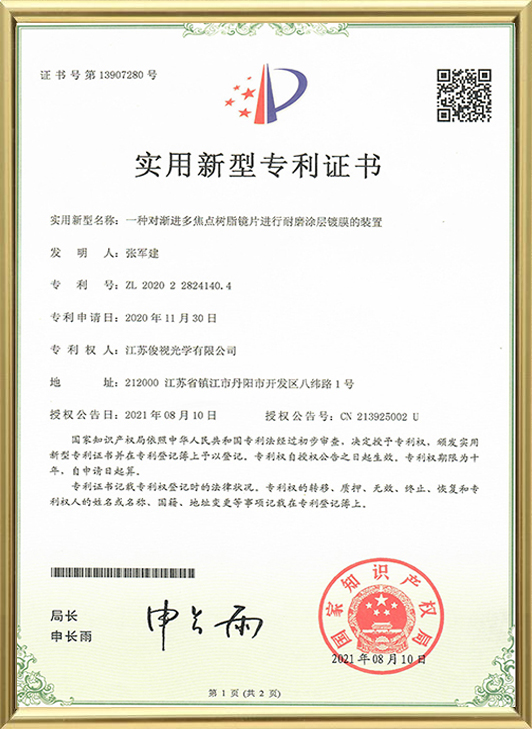
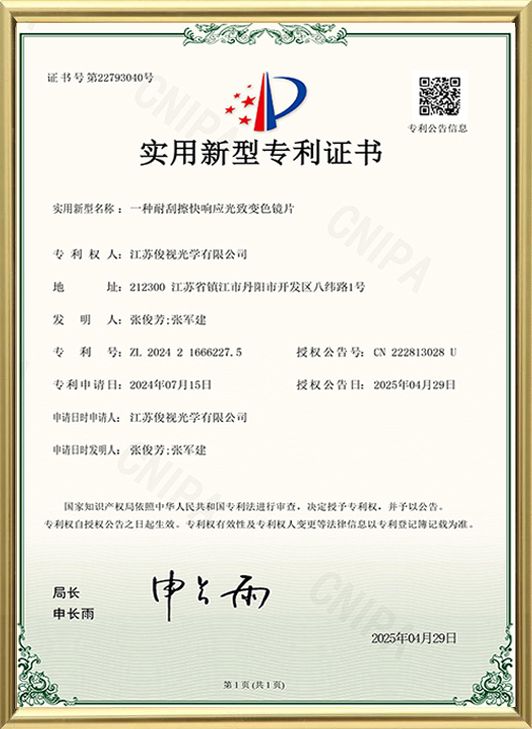
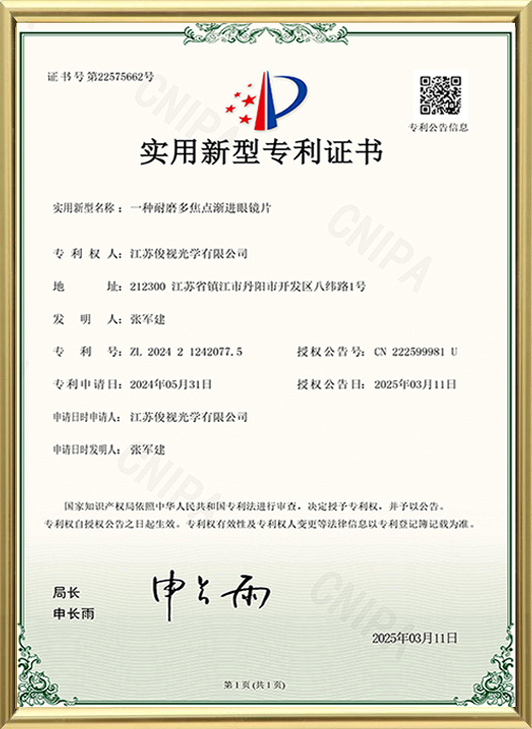
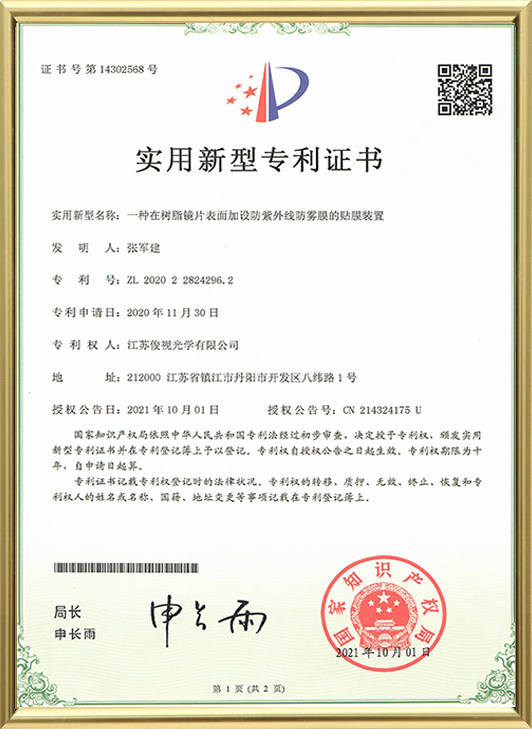
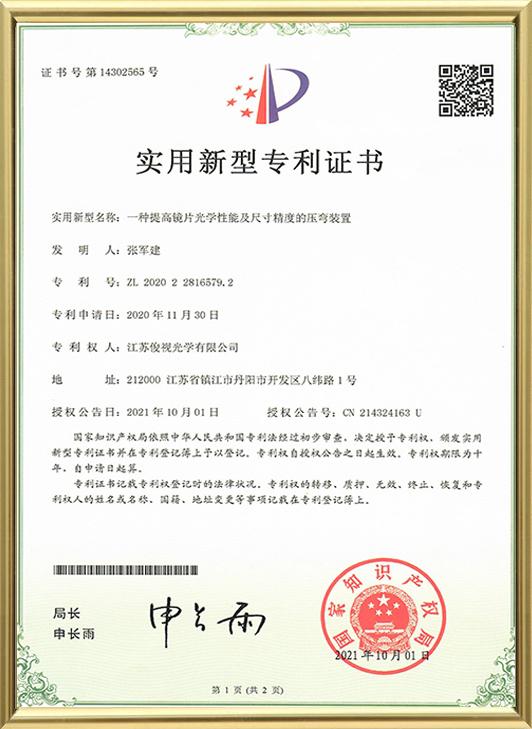
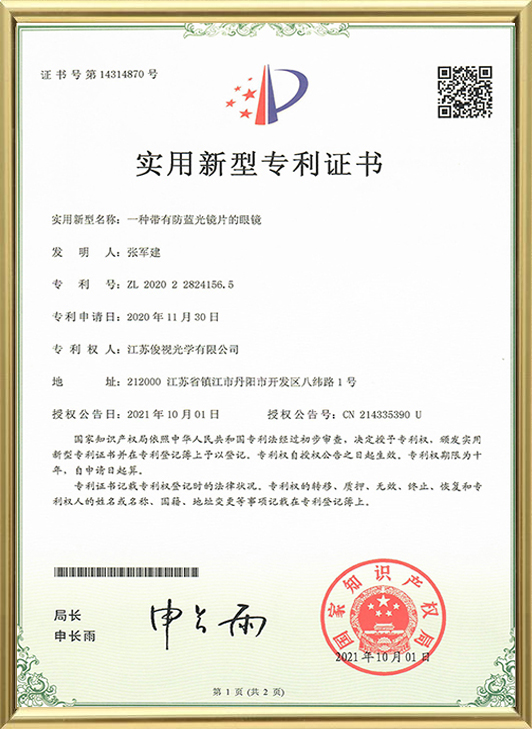
In China’s Danyang, known as the “Lens Capital,” the optical industry has formed a highly concentrated ecosystem. As one of the major global lens supply and manufacturing bases, the region hosts numerous lens factories and ODM manufacturers. Among them, Jiangsu Junshi Optics Co., Ltd., founded in 2002 with optical expertise dating back to 1996, specializes in high-performance resin lenses and has developed systematic engineering capabilities in Photochromic Finished Lens.
Early photochromic lenses relied primarily on basic UV-triggered color change. However, with rising consumer expectations, single-function performance is no longer sufficient. Modern Photochromic Finished Lens must provide rapid UV response, stable color depth across temperatures, high indoor transparency, and natural visual performance. These requirements have driven continuous investment in molecular design, coating stability, and optical path optimization by manufacturers.
In the upstream segment, suppliers are transitioning from material providers to co-development partners. Photochromic material suppliers collaborate with lens manufacturers to optimize molecular response mechanisms for different resin substrates. Lens factories apply automated molding and precision inspection systems to ensure optical uniformity and color consistency in each finished product. The focus of competition among manufacturers has shifted toward system integration capability and product stability control.
As a result, Photochromic Finished Lens has expanded from a mid-to-high-end functional product into a mainstream optical solution, widely used in commuting, outdoor sports, driving protection, and mild vision correction scenarios. Its definition has evolved into a dynamic light-adaptive visual solution rather than a simple “photochromic lens.”
Manufacturing System and Optical Engineering Pathways of Photochromic Finished Lens
The manufacturing system of Photochromic Finished Lens is built upon complex optical engineering and materials science. Production typically includes resin formulation design, lens molding, optical surface processing, photochromic layer integration or coating, hard coating treatment, and multi-dimensional quality inspection. Manufacturers and factories play a decisive role in determining final optical performance and durability.
Upstream suppliers provide resin materials with high transmittance and low internal stress, ensuring minimal optical distortion during molding. Photochromic molecules must maintain stable reversible structural changes under UV exposure, enabling controlled color variation. This requires extremely high purity and molecular dispersion uniformity.
During manufacturing, lens factories use high-precision injection and centrifugal molding to form stable optical curves. Functional layers are then applied via dipping or coating processes. Some manufacturers adopt bulk embedding structures for long-term stability, while others use surface coating systems for faster response and wider color range.
Jiangsu Junshi Optics Co., Ltd. integrates material R&D, lens forming, coating, and inspection within a 14,000 sqm vertically integrated facility, ensuring consistency across production stages. With over 300 professionals and advanced AR coating and optical inspection systems, the company operates as a major ODM manufacturer and global supplier.
In coating processes, multiple functional layers are applied to enhance anti-reflection, scratch resistance, and UV protection. Super anti-scratch technology improves surface hardness, ensuring long-term optical clarity. The maturity of coating technology directly influences durability in end-use markets.
Quality inspection is essential in the production chain. Automated optical systems evaluate transmittance, color change speed, uniformity, and surface defects to ensure compliance with brand specifications. This quality control system is crucial for global brand partnerships.
With freeform design technology, Photochromic Finished Lens has significantly improved in complex prescription adaptation. Computer-aided optical design optimizes lens surfaces to maintain stable imaging across viewing angles, enhancing comfort and customization potential.
Global Supply Chain Structure, Application Expansion, and Industrial Coordination
The global supply chain of Photochromic Finished Lens is highly coordinated. Upstream suppliers focus on resin materials and photochromic compounds, midstream manufacturers handle optical processing and production, while downstream brand owners, distributors, and optometry channels form the retail network.
In Europe and North America, consumers prioritize comfort and adaptability, making these lenses widely used for commuting and outdoor activities. In Asia, rising myopia rates and prolonged digital device usage have increased adoption among students and office workers. In high-UV regions, photochromic lenses are essential protective optical products.
Manufacturers now play a broader role beyond production, extending into product design and market adaptation. Jiangsu Junshi Optics Co., Ltd. collaborates with over 1,000 global brand partners, delivering ODM solutions tailored to diverse environmental and usage conditions.
Lens factories have also evolved into technology integration centers, incorporating automation and digital management systems to improve production traceability and efficiency. This enhances transparency between suppliers, manufacturers, and brand owners.
Application scenarios continue expanding into driving safety, outdoor sports protection, and screen-related visual fatigue reduction. Dynamic light adaptation improves comfort in complex lighting environments and reduces visual strain.
The optical manufacturing industry is forming a multi-layered ecosystem where manufacturers act as technical hubs, suppliers provide materials, factories execute production, and brands drive market demand. Jiangsu Junshi Optics Co., Ltd. plays a key role in this structure with an annual output exceeding 25 million lenses.
FAQ
Q1: How does Photochromic Finished Lens perform under different temperature conditions?
A1: Its performance varies due to molecular activity. In low temperatures, lenses darken more deeply but react more slowly. In high temperatures, response speed increases but color depth may be reduced.
Q2: What is the main difference between Photochromic Finished Lens and regular finished lenses?
A2: Regular lenses provide fixed optical correction, while Photochromic Finished Lens dynamically adjusts transmittance based on UV intensity, enabling seamless indoor-outdoor transition.
Q3: How do manufacturers control photochromic performance during production?
A3: Control is achieved through material formulation, coating processes, curing conditions, and precise optical testing to ensure consistent color change speed and uniformity.
Q4: What roles do suppliers and factories play in the supply chain?
A4: Suppliers provide raw materials such as resin and photochromic compounds, while factories handle molding, coating, and finishing processes to produce complete optical lenses.
Q5: What are the advantages of Jiangsu Junshi Optics Co., Ltd. in this field?
A5: The company has a vertically integrated production system, advanced optical processing capability, and large-scale manufacturing capacity, enabling stable ODM and OEM services for global customers.

 English
 Français
 Español
 عربى
عربى 中文
中文

 +86- 511-86229810