Bifocal Finished Lens Optical Principles and Market Demand Structure
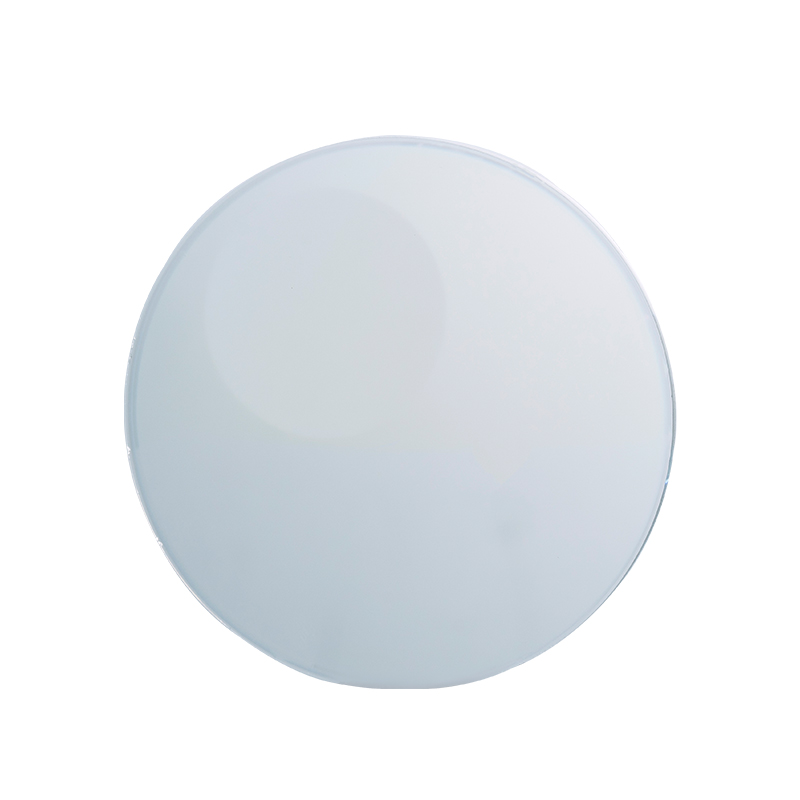
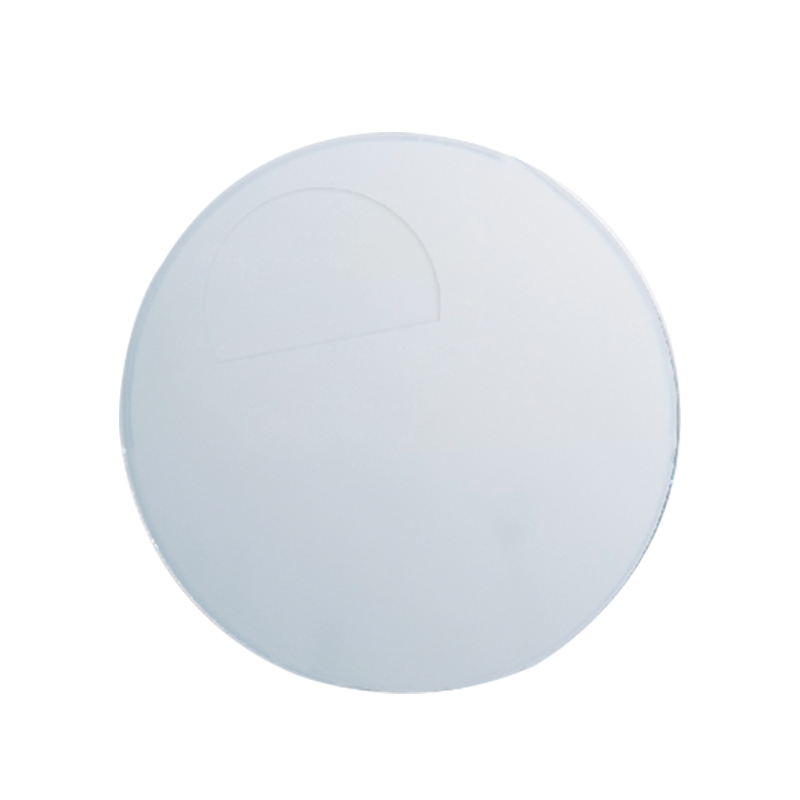
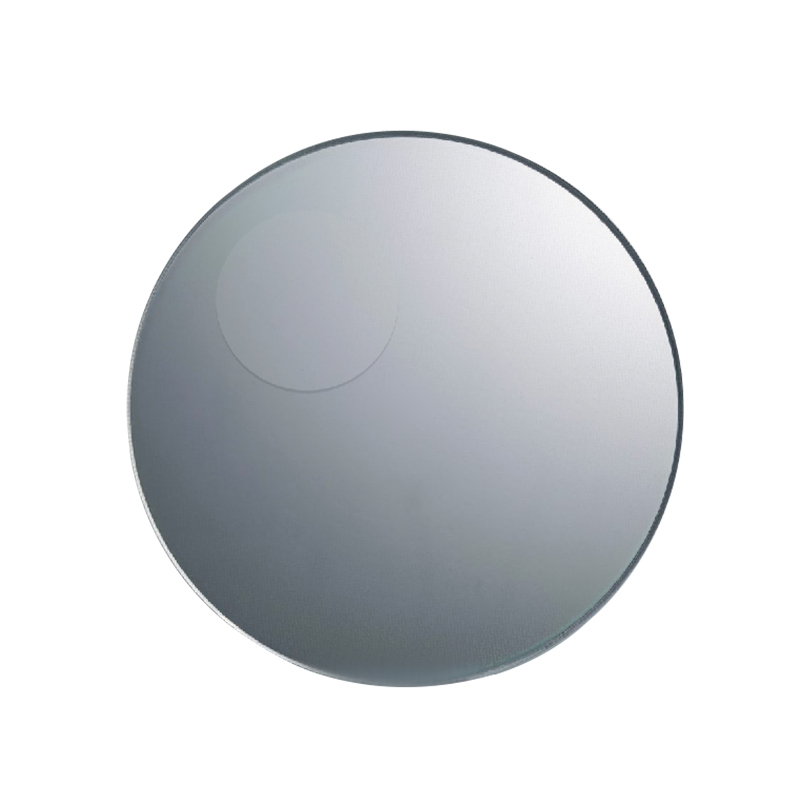
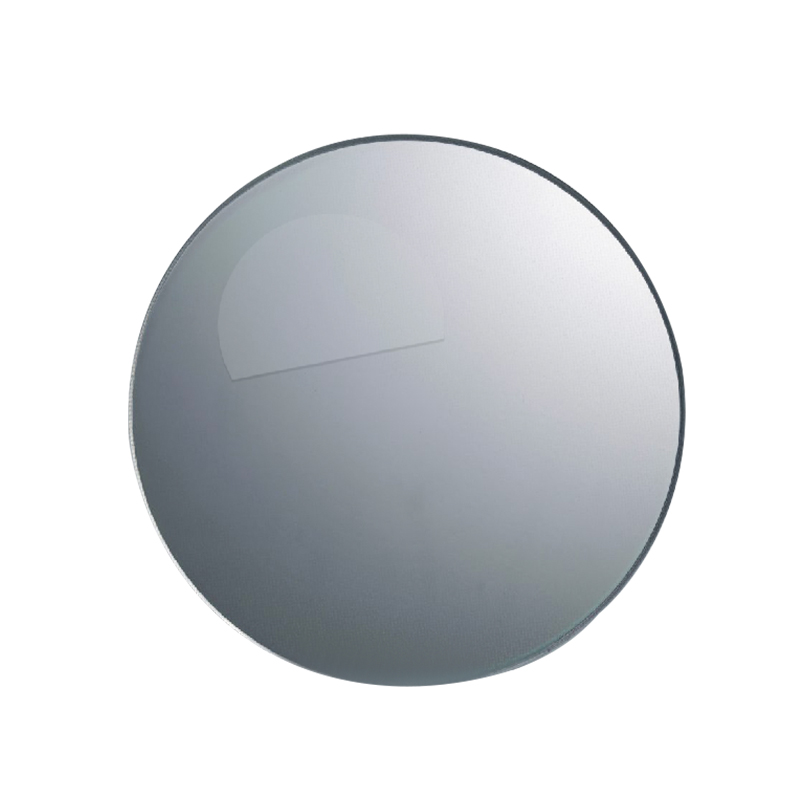
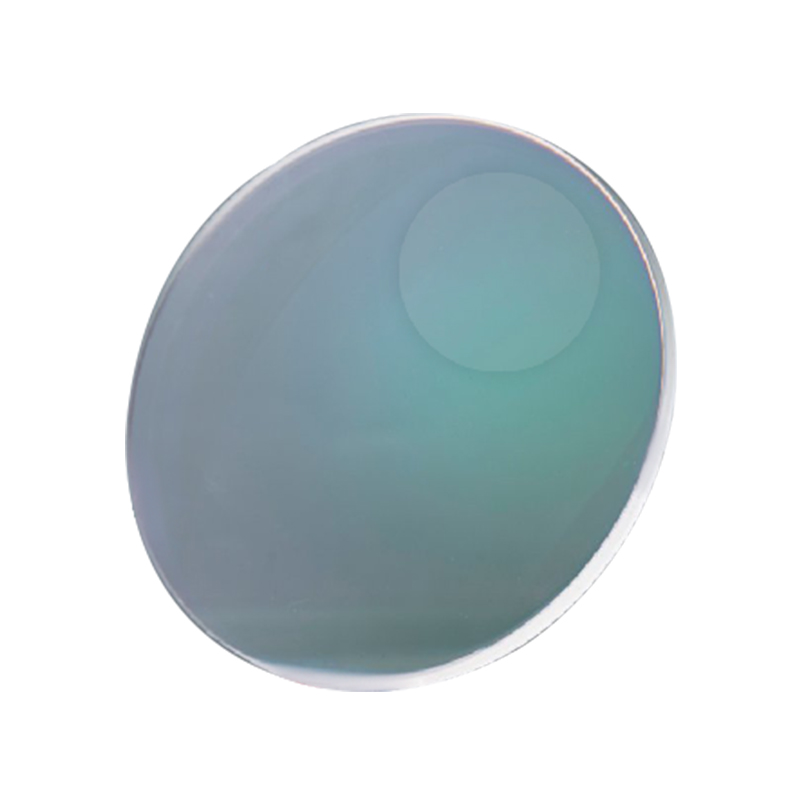
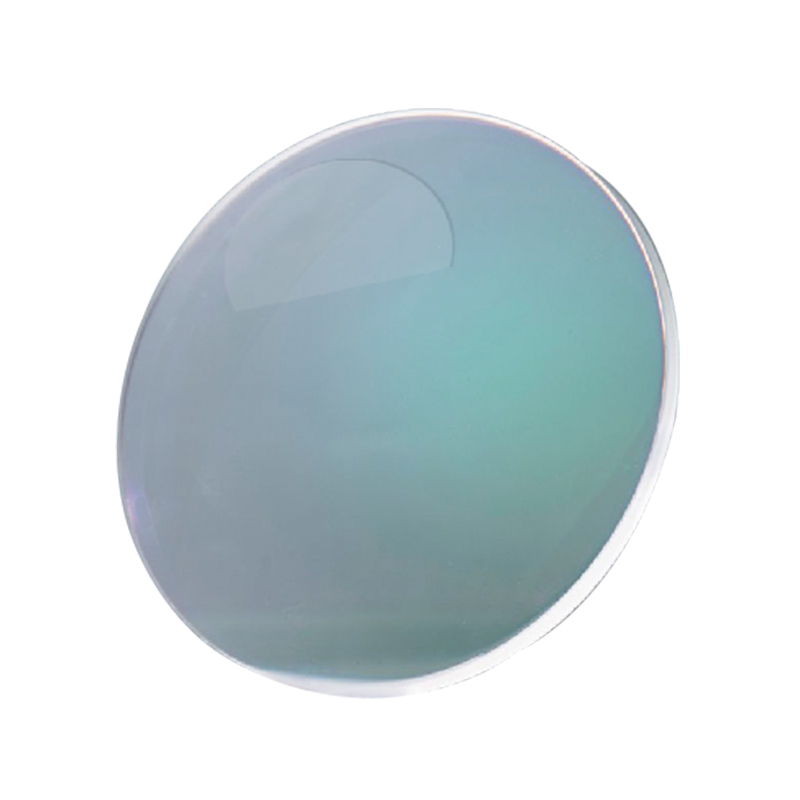
Bifocal Finished Lens is a basic multifocal optical lens widely used in the vision correction industry. Its fundamental design integrates distance and near vision correction within a single lens through a segmented dual-zone optical structure. The upper part of the lens is generally designed for distance vision, while the lower segment is dedicated to near vision correction. The two optical zones are separated through a clearly defined or blended segment line, allowing wearers to switch between different viewing distances in daily life.
From an optical engineering perspective, the core value of Bifocal Finished Lens lies in the precise distribution of refractive power and the stable control of segment positioning. The distance zone supports activities such as walking, driving, and long-range recognition, while the near zone supports reading, mobile device usage, and close-range tasks. The standardized structure of this lens type enables efficient mass production and stable prescription consistency, making it a widely adopted solution for early presbyopia users and individuals with mild refractive errors combined with reduced accommodation ability.
Within the optical supply chain, Bifocal Finished Lens is typically produced through coordinated efforts among lens suppliers, optical manufacturers, and large-scale lens factories. Each stage, from raw material selection to molding and final coating, directly affects the optical performance of the finished product. In particular, the uniformity of optical resin materials and internal stress control play a critical role in ensuring imaging stability across the segmented boundary.
In the global market structure, Bifocal Finished Lens continues to maintain stable demand, especially in Europe, North America, and parts of Asia. Many eyewear brands prefer to collaborate with ODM suppliers for customized development to achieve both product differentiation and cost optimization. For manufacturers, the key technical challenges lie in segment accuracy control, batch consistency, and coating compatibility.
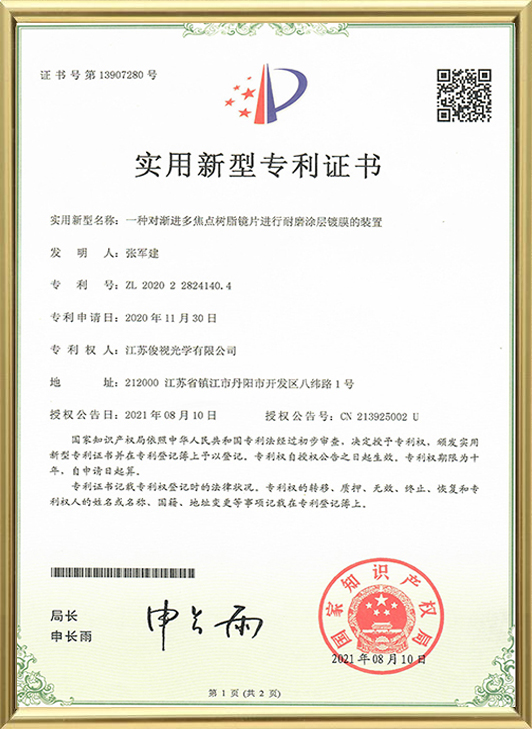
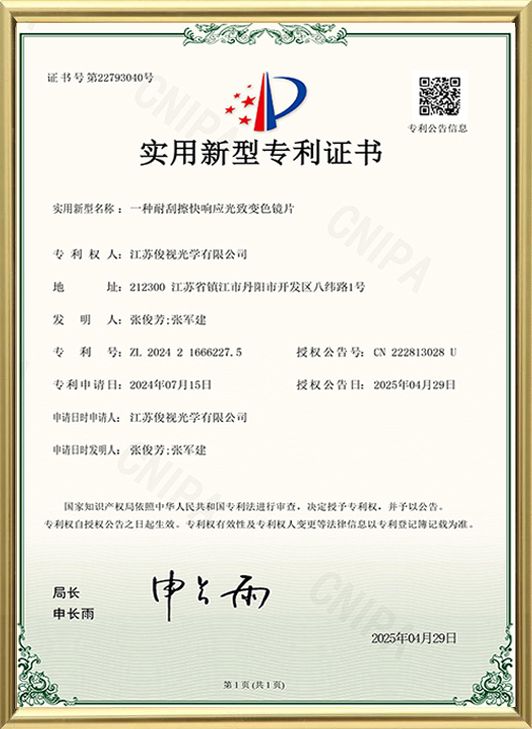
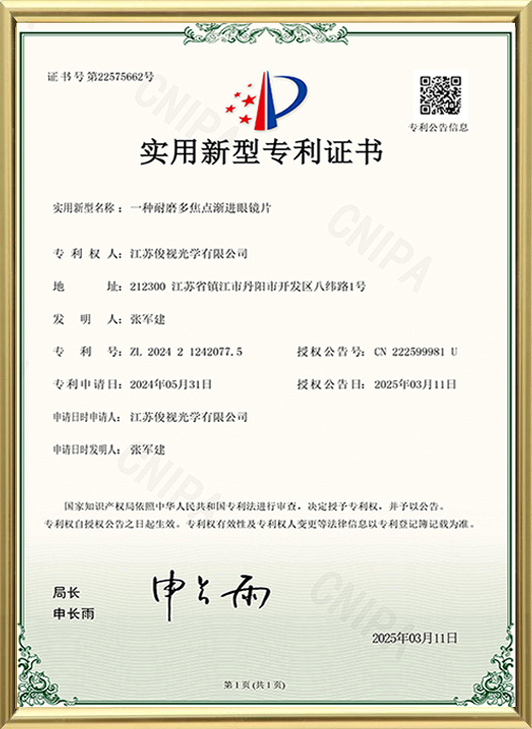
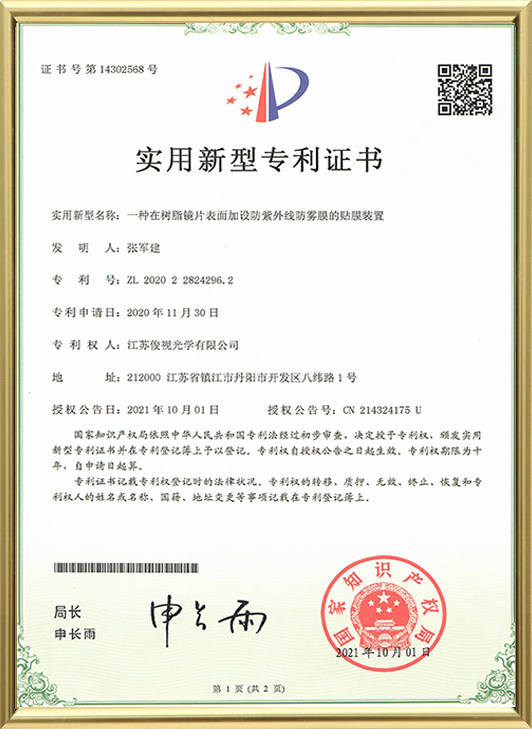
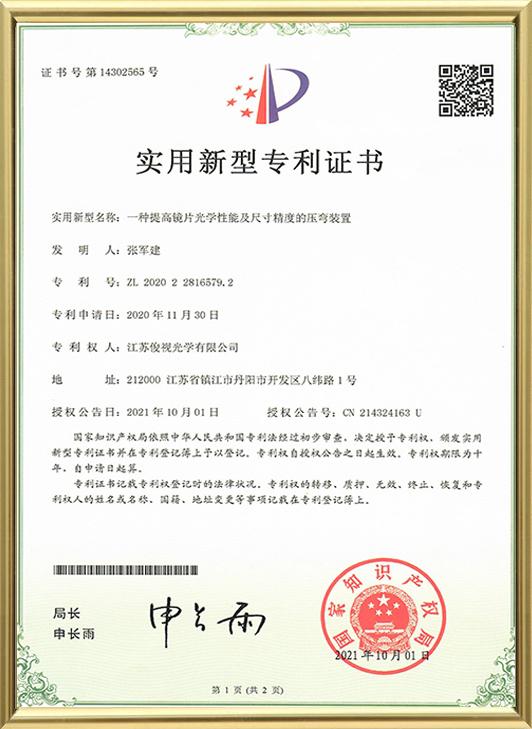
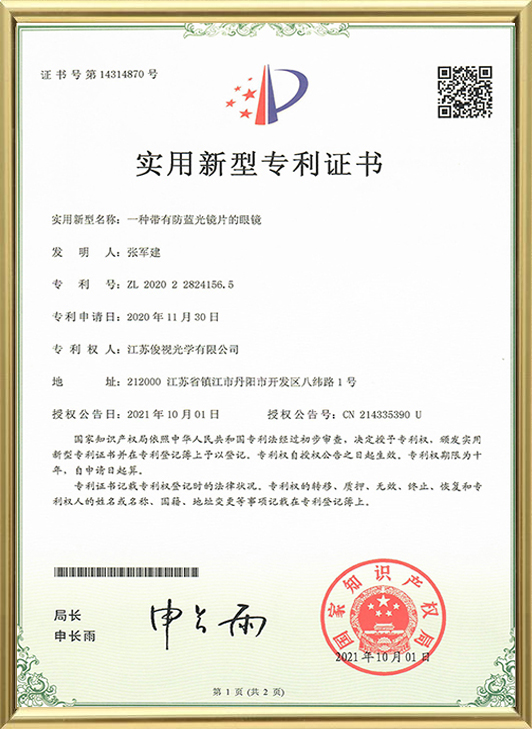
Within this industry context, Jiangsu Junshi Optics Co., Ltd., founded in 2002 in Danyang—known as China’s “Lens Capital”—has developed a comprehensive ODM manufacturing system specializing in high-performance optical resin lenses. With origins dating back to 1996, the company has built strong expertise in optical manufacturing and lens engineering, forming a mature product system covering Bifocal Finished Lens and other functional optical products.
The company operates a 14,000-square-meter integrated production facility that combines material formulation, lens molding, functional coating, and finished product inspection within a single closed-loop system. This integrated structure allows the manufacturer to respond efficiently to diverse customer requirements while maintaining supply chain stability, serving more than 1,000 brand partners worldwide.
Bifocal Finished Lens Manufacturing Process and Industrial Chain Collaboration
The manufacturing process of Bifocal Finished Lens involves multiple precision optical engineering stages. The production chain is typically supported by material suppliers, ODM manufacturers, and lens factories working in coordination. During the resin polymerization stage, raw materials must undergo strict process control to ensure optical uniformity. Any minor deviation in refractive index can affect visual transition quality between distance and near zones.
In the molding stage, high-precision molds are used to shape the lens under controlled temperature and pressure conditions. For bifocal lenses, the segmented optical structure is formed during molding rather than post-processing, requiring advanced mold design capability and stable equipment performance.
In coating processes, anti-reflective (AR) coatings and hard coatings play a crucial role in product quality. Jiangsu Junshi Optics Co., Ltd. operates multiple automated AR coating production lines using vacuum deposition technology to enhance light transmittance and reduce reflections. Combined with its proprietary Super Anti-Scratch Technology, the company improves surface durability and long-term optical stability.
In quality inspection, automated optical detection systems are used to verify optical center positioning, segment boundary clarity, and overall refractive consistency. For suppliers and manufacturers, this stage is essential for ensuring batch-to-batch consistency and compliance with brand requirements.
From an industrial chain perspective, production typically involves upstream raw material suppliers, midstream optical manufacturers, and downstream brand distribution networks. Suppliers provide optical resin monomers, additives, and coating materials, while manufacturers handle design and production, and brands integrate finished lenses into eyewear systems.
ODM manufacturers such as Jiangsu Junshi Optics Co., Ltd. not only provide standardized Bifocal Finished Lens products but also support customized adjustments in segment height, optical zone ratio, and coating combinations to meet diverse market demands.
| Category |
Standard Range |
Key Process Focus |
Application Impact |
| Distance Power |
+6.00D to -8.00D |
Optical center positioning accuracy |
Affects distance vision clarity |
| Near Addition Power |
+1.00D to +3.50D |
Segment stability control |
Determines reading comfort |
| Segment Type |
Flat-top / Round-top |
Mold precision control |
Affects visual transition smoothness |
| Coating Structure |
Single / Multi-layer AR |
Vacuum coating uniformity |
Improves transmittance and durability |
| Refractive Index |
1.499 / 1.56 / 1.60 |
Material purity control |
Affects lens thickness and weight |
In practical production, manufacturers and factories adjust process parameters according to different material grades supplied by upstream suppliers to ensure consistent optical performance across batches. This parameterized control capability is a key factor in global competitiveness for ODM manufacturers.
Application Scenarios of Bifocal Finished Lens and Global Supply Chain Structure
Bifocal Finished Lens is widely used in daily visual correction scenarios, primarily serving early presbyopia users and individuals with combined mild refractive errors. It reduces the need for frequent switching between multiple pairs of glasses by integrating dual optical zones within a single lens.
Market acceptance of bifocal lenses varies across regions. Some markets increasingly prefer progressive lenses, while bifocal designs remain highly relevant in cost-sensitive segments. This requires suppliers and manufacturers to maintain flexible product portfolios.
Within the global supply system, lens factories typically operate under OEM or ODM models. Suppliers provide raw materials and technical support, manufacturers handle product design and production execution, and factories manage large-scale manufacturing output. Jiangsu Junshi Optics Co., Ltd. operates a vertically integrated system that connects material development, optical design, and production into a unified workflow, improving overall efficiency.
Quality control processes include multiple inspection stages such as optical center verification, segment boundary inspection, and coating uniformity testing. Advanced manufacturers implement digital traceability systems to ensure full production record tracking for each batch.
In European and North American markets, brand owners prioritize optical stability and wearing comfort, requiring manufacturers to optimize segment design and material formulations. In Asian and Middle Eastern markets, cost efficiency and adaptability are more critical, placing higher demands on production scalability.
The supply chain for Bifocal Finished Lens depends on coordinated cooperation across multiple regions, including raw material supply, mold manufacturing, coating equipment support, and logistics distribution. Manufacturers play a central role in integrating these resources and maintaining standardized production systems.
Jiangsu Junshi Optics Co., Ltd. continues to provide standardized ODM solutions globally, with an annual output exceeding 25 million lenses and partnerships with more than 1,000 brands, forming a stable supply capability in the bifocal lens segment.
FAQ
Q1: What types of users are suitable for Bifocal Finished Lens
A1: It is mainly suitable for users with combined distance and near vision correction needs, especially early presbyopia cases with mild refractive errors who require frequent switching between near and far vision tasks.
Q2: What is the main structural difference between bifocal and progressive lenses
A2: Bifocal lenses use a clearly segmented optical structure, while progressive lenses use a continuous gradient design, resulting in differences in visual transition and manufacturing complexity.
Q3: What role do suppliers play in the optical industry chain
A3: Suppliers provide raw optical materials, coating materials, and technical support, forming the foundation for manufacturing stability and product consistency.
Q4: How do manufacturers ensure batch consistency of bifocal lenses
A4: They rely on precision mold control, automated production lines, and full-process optical inspection systems to maintain consistent refractive power and segment structure across batches.
Q5: What is the role of lens factories in the global supply chain
A5: Lens factories are responsible for large-scale production and delivery execution, serving as key capacity providers within OEM and ODM manufacturing systems.

 English
 Français
 Español
 عربى
عربى 中文
中文

 +86- 511-86229810