Semi-finished Progressive Lens UC/HC/HMC Optical Structure and Visual Function System
Semi-finished Progressive Lens UC/HC/HMC (progressive multifocal semi-finished lenses) represent one of the most important product categories in modern optical correction systems. Their core design is built on the integration of “progressive multifocal optical design” and “semi-finished lens preformed structure”. Within the global ophthalmic industry chain, this type of lens is widely applied in presbyopia correction, personalized optical dispensing, and high-end customized optical brand systems. It also serves as a fundamental product form for coordination among lens manufacturers, suppliers, and processing factories.
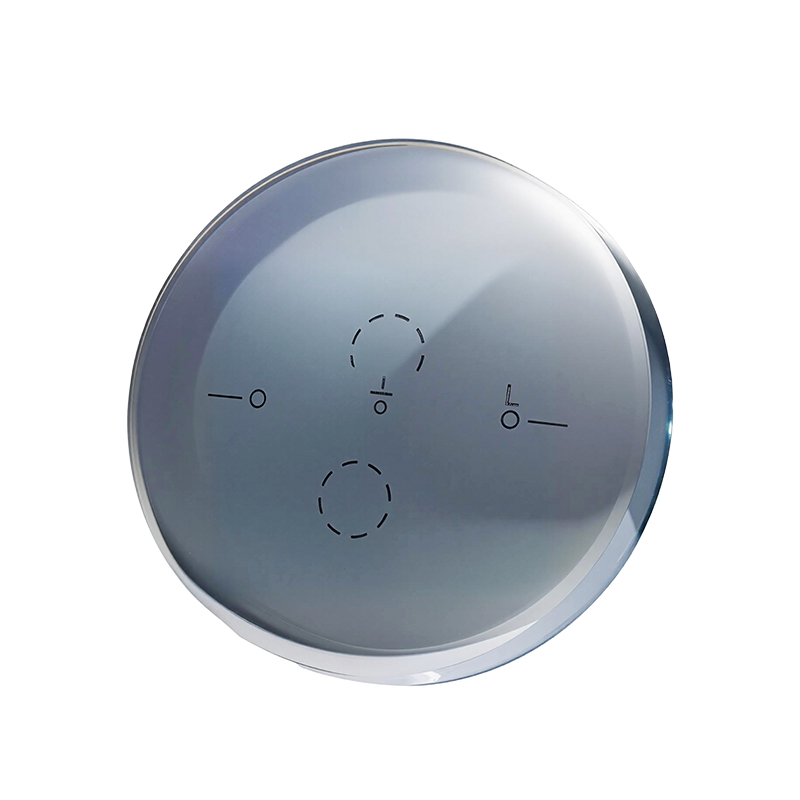
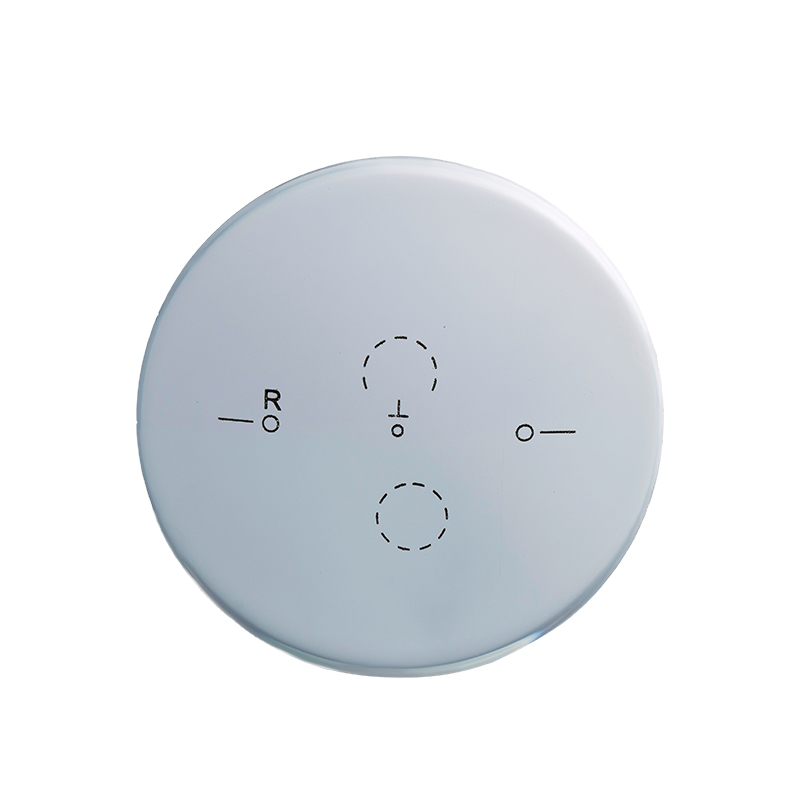
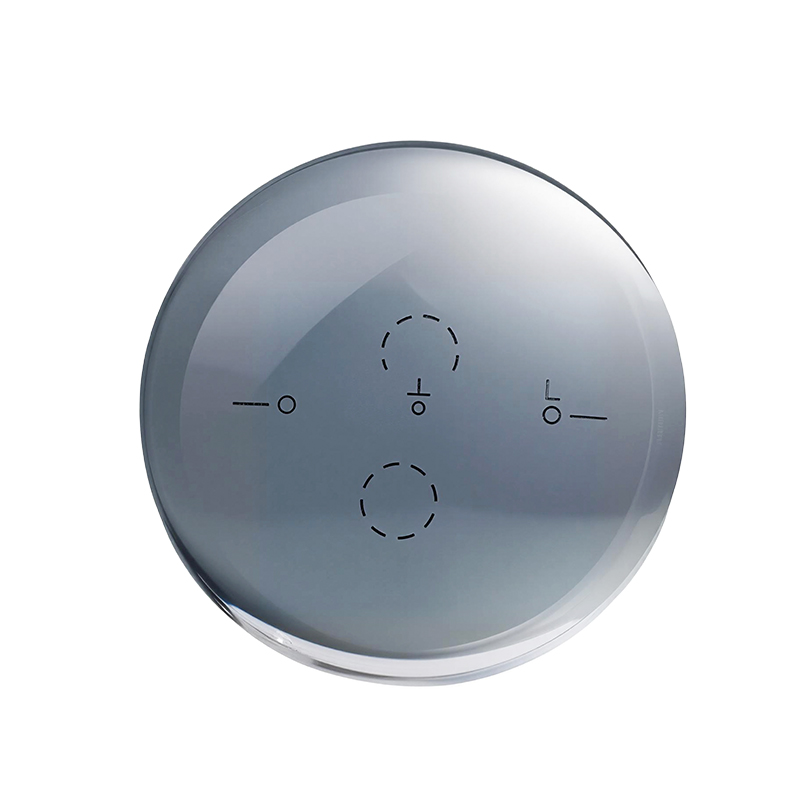
A Progressive Semi-finished Lens is essentially a lens blank that has already completed precision processing on one optical surface at the factory stage. This surface contains the core progressive optical design, including a continuous power transition across distance vision, intermediate vision, and near reading zones. The other surface remains unprocessed, allowing customized machining based on end-user prescription data. This structure balances optical precision and processing flexibility, enabling downstream laboratories to perform highly personalized production without altering the original optical design.
From a functional perspective, progressive multifocal design eliminates abrupt visual jumps found in traditional bifocal or trifocal lenses by creating a continuous optical gradient. For users, this reduces eye strain during transitions between walking, reading, and computer use. The value of Semi-finished Progressive Lens UC/HC/HMC is not only in optical design but also in material compatibility and post-processing adaptability.
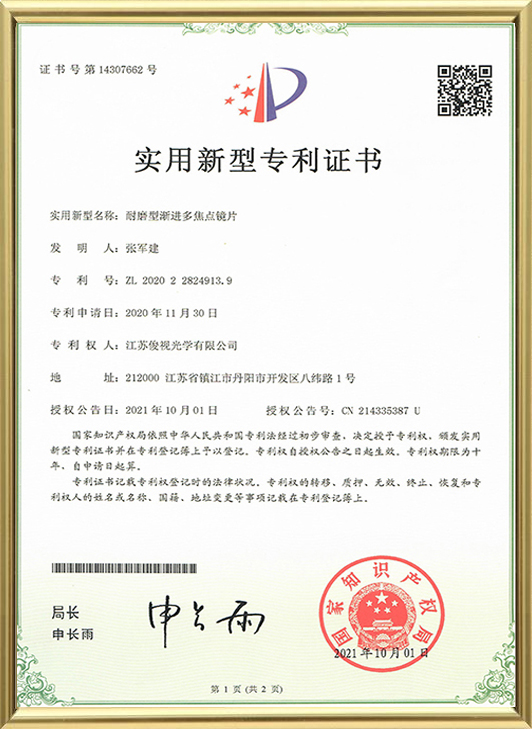
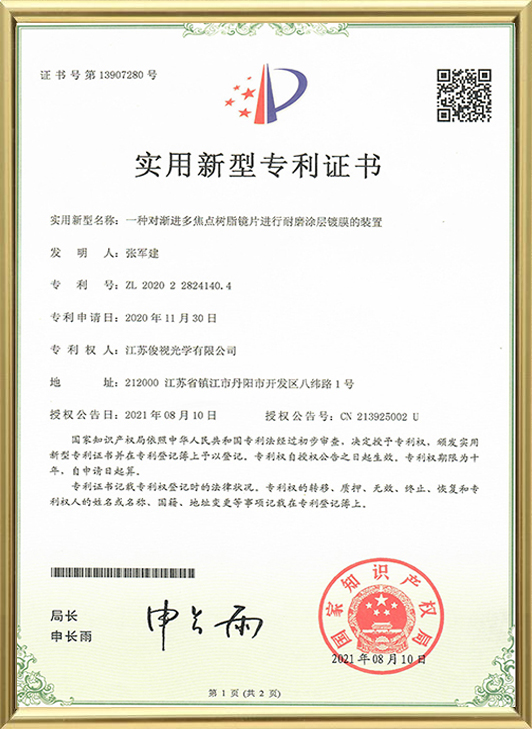
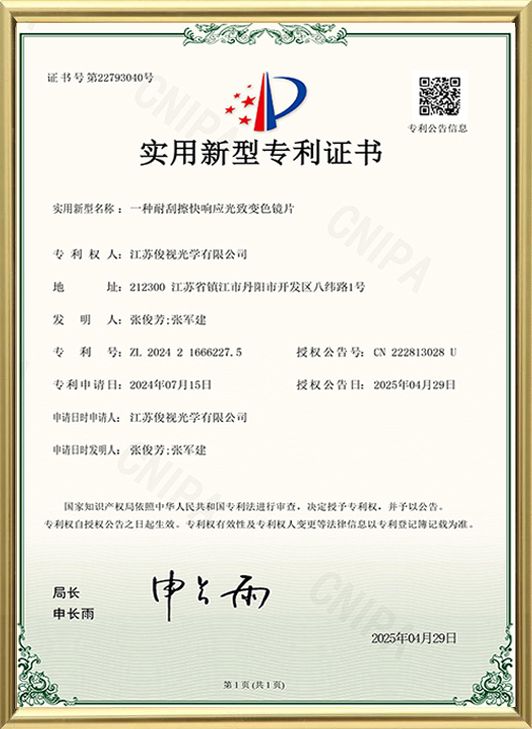
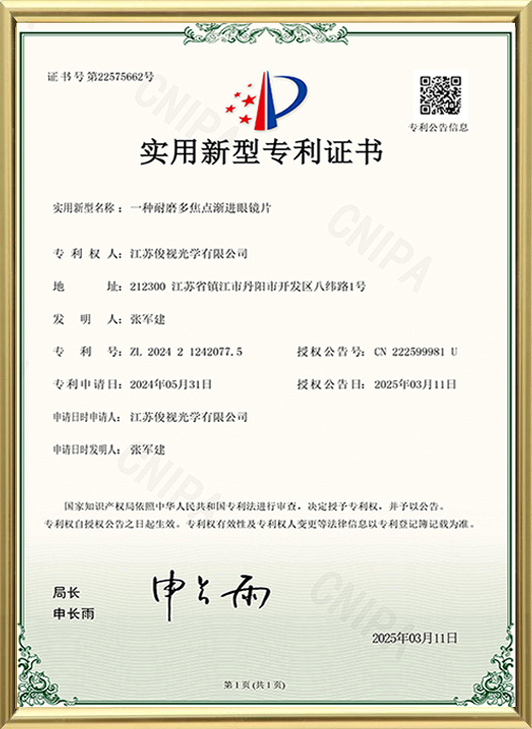
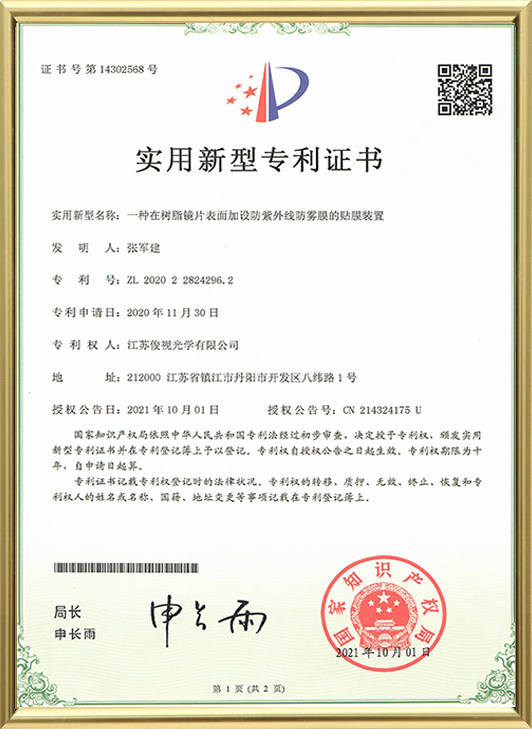
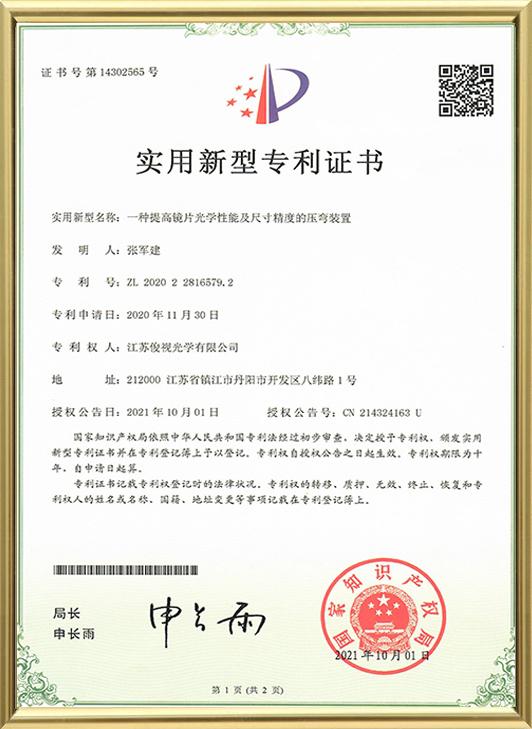
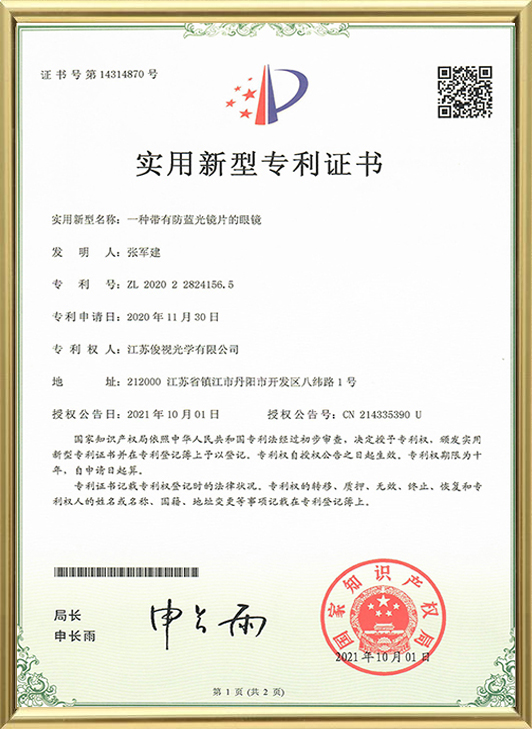
In the global supply chain, suppliers are responsible for categorizing semi-finished lenses based on diopter range, progressive design type, and coating level before distribution to optical processing centers and brand factories. Manufacturers handle mass production through automated systems, while factories are responsible for final edging, cutting, and assembly. Within this structure, Jiangsu Junshi Optics Co., Ltd. integrates ODM optical design with manufacturing equipment parameters, improving consistency and production efficiency through system-level coordination.
In terms of materials, Progressive Semi-finished Lenses are typically made of high-transparency optical resin with carefully controlled refractive indices to meet requirements for lightweight design, high clarity, and impact resistance. The upstream supply chain provides optical monomers, which are then polymerized and molded by lens manufacturers. The manufacturer’s core responsibility is to ensure optical surface precision and stability of progressive curves, which directly determines final visual performance after processing.
Structurally, progressive lenses are not simply divided into near, intermediate, and distance zones. Instead, they are designed with continuously varying refractive power functions that ensure smooth transitions between visual fields. The distance zone supports outdoor vision, the intermediate zone supports computer and indoor activities, and the near zone supports reading tasks. In Semi-finished Progressive Lens UC/HC/HMC products, these zones are pre-defined at high precision during the semi-finished stage, allowing downstream processing to focus on prescription customization rather than optical redesign.
Within the supply chain system, suppliers distribute semi-finished lenses according to optical specifications, manufacturers ensure standardized production stability, and factories perform final customization processes. Jiangsu Junshi Optics Co., Ltd. plays a key role in integrating these stages, linking optical design directly with manufacturing execution to ensure consistency across global production batches.
Progressive Semi-finished Lens in UC/HC/HMC Coating Systems
In the industrial system of Semi-finished Progressive Lens UC/HC/HMC, UC (Uncoated), HC (Hard Coating), and HMC (Hard Multi Coating) represent different levels of surface treatment technologies. These coating systems directly influence scratch resistance, light transmission, and market positioning.
UC lenses refer to basic semi-finished lens blanks without surface hardening or coating treatment. They are typically used in specific processing workflows or low-cost applications. After demolding, UC lenses undergo cleaning and optical inspection before entering storage and distribution, maintaining a basic resin surface that allows high flexibility in further processing.
HC coating adds a hardened layer to improve surface scratch resistance. In manufacturing processes, HC coatings are typically applied through vacuum deposition or spin-coating techniques, forming a uniform protective layer. This is particularly important for progressive lenses because even minor surface scratches can disrupt optical continuity and affect visual clarity.
HMC coating systems represent a more advanced multi-layer structure that builds on HC technology by adding anti-reflective, anti-smudge, and anti-static layers. Manufacturers use multi-chamber vacuum coating equipment to precisely control thickness and refractive index of each layer, achieving higher light transmission across different wavelengths. HMC versions of Progressive Semi-finished Lens UC/HC/HMC are typically used in mid-to-high-end optical markets.
Automation plays a critical role in coating consistency. Jiangsu Junshi Optics Co., Ltd. operates multiple fully automated AR coating production lines, ensuring stable optical performance across continuous production. A digital quality control system monitors every lens to guarantee consistency in progressive channel accuracy.
Coating processes also involve strict control of temperature, vacuum stability, and material compatibility. Different resin substrates require different adhesion treatments, so manufacturers collaborate closely with material suppliers to optimize surface preparation. This ensures stable bonding between coating layers and lens substrates.
In downstream processing factories, semi-finished lenses are selected based on coating requirements and customer orders. OEM production strictly follows brand specifications, while ODM production may involve deeper integration between design and manufacturing to achieve differentiated optical performance.
ODM/OEM Manufacturing System and the Role of Jiangsu Junshi Optics Co., Ltd. in the Global Supply Chain
In the global optical industry chain, production and distribution of Semi-finished Progressive Lens UC/HC/HMC heavily rely on the coordination of ODM and OEM systems. ODM focuses on integrated optical design and product development, while OEM focuses on manufacturing according to existing customer specifications. Together, they form the foundation of modern lens production systems.
Jiangsu Junshi Optics Co., Ltd. operates both ODM and OEM models, providing global customers with full-chain support covering optical design, material engineering, functional coating, and brand implementation. In ODM mode, the company develops progressive optical designs optimized for different user groups and visual behaviors, improving transition smoothness and reducing optical aberrations. In OEM mode, production strictly follows customer-provided design standards to ensure global consistency.
Within the supply chain structure, suppliers provide raw materials and lens blanks, manufacturers handle optical processing and coating, and factories complete final edging and assembly. This multi-layer structure enables large-scale production while maintaining customization capabilities.
Progressive Semi-finished Lens plays a critical role as a bridge between optical design and end-use application. Its semi-finished nature allows both industrial efficiency and personalized customization. During production, manufacturers manage complex optical parameters such as diopter distribution, progressive corridor length, aberration control, and edge distortion optimization.
Global supplier networks cover regions such as Europe, North America, Southeast Asia, and the Middle East. Different markets demand different coating levels, with high-end markets preferring HMC products while emerging markets often prioritize HC or UC versions. Manufacturers therefore maintain flexible production systems to meet diverse demand structures.
Jiangsu Junshi Optics Co., Ltd. implements a full traceability system for every Progressive Semi-finished Lens, recording batch data, material sources, and coating parameters. This transparency improves trust between suppliers, manufacturers, and global customers.
In factory operations, automation handles most repetitive tasks such as edging and polishing, while human operators focus on inspection and process control. High-precision alignment and progressive channel calibration are performed at micron-level accuracy to ensure optical consistency.
FAQ
What is the difference between UC, HC, and HMC coatings in Semi-finished Progressive Lens UC/HC/HMC?
UC refers to uncoated basic lenses, HC adds a hard protective coating for scratch resistance, and HMC includes multiple layers such as anti-reflective and anti-smudge coatings, improving optical clarity and durability.
How is a Progressive Semi-finished Lens processed in optical factories?
It is further customized by processing factories based on wearer prescription data, including edging, cutting, and optical center alignment to match interpupillary distance and visual requirements.
Who is involved in the manufacturing of Progressive Semi-finished Lenses?
The supply chain includes raw material suppliers, optical manufacturers, and processing factories. Companies like Jiangsu Junshi Optics Co., Ltd. connect optical design with production through ODM and OEM systems.
What is the key advantage of progressive optical design in semi-finished lenses?
The progressive design enables continuous power transition between distance, intermediate, and near vision zones, reducing visual distortion and improving comfort during focus switching.
What is the role of HMC coating in Progressive Semi-finished Lenses?
HMC coating enhances light transmission, reduces glare, and improves visual contrast, making lenses more suitable for strong light environments and nighttime use.

 English
 Français
 Español
 عربى
عربى 中文
中文

 +86- 511-86229810