Blue Light Blocking Semi-finished Lens Industry Background and Product Structure Analysis
In the modern optical industry environment, where visual health and material engineering continue to evolve, blue light blocking lenses, Blue Light Blocking Semi-finished Lens, and Semi-finished Blue Block Lens UC/HC/HMC have become one of the core product categories in the global eyewear lens supply chain. These products play an important role not only in the end-consumer market but also in upstream manufacturing systems, ODM processing systems, and OEM customization systems.
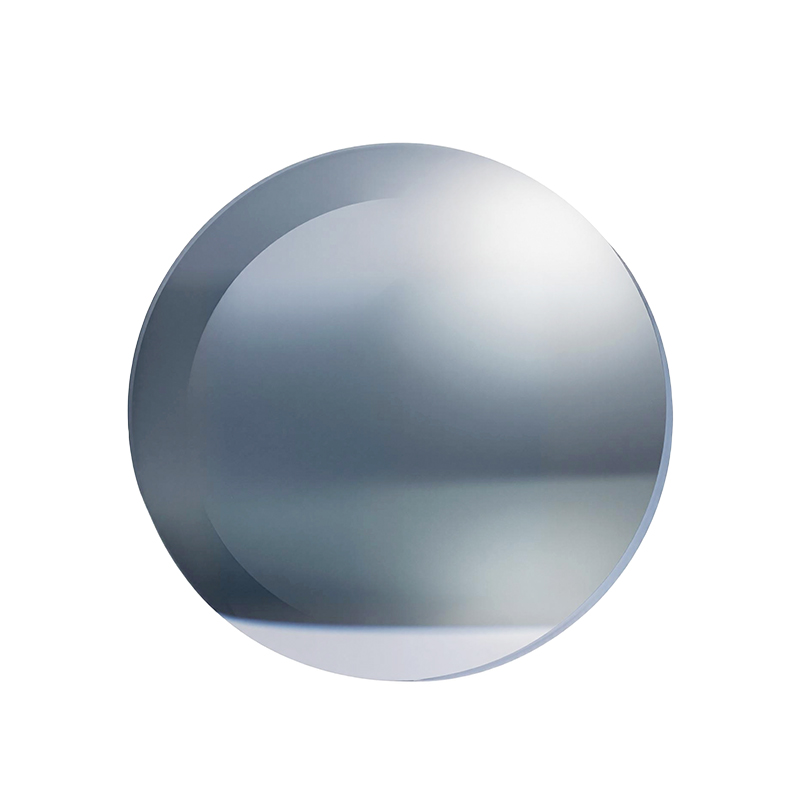
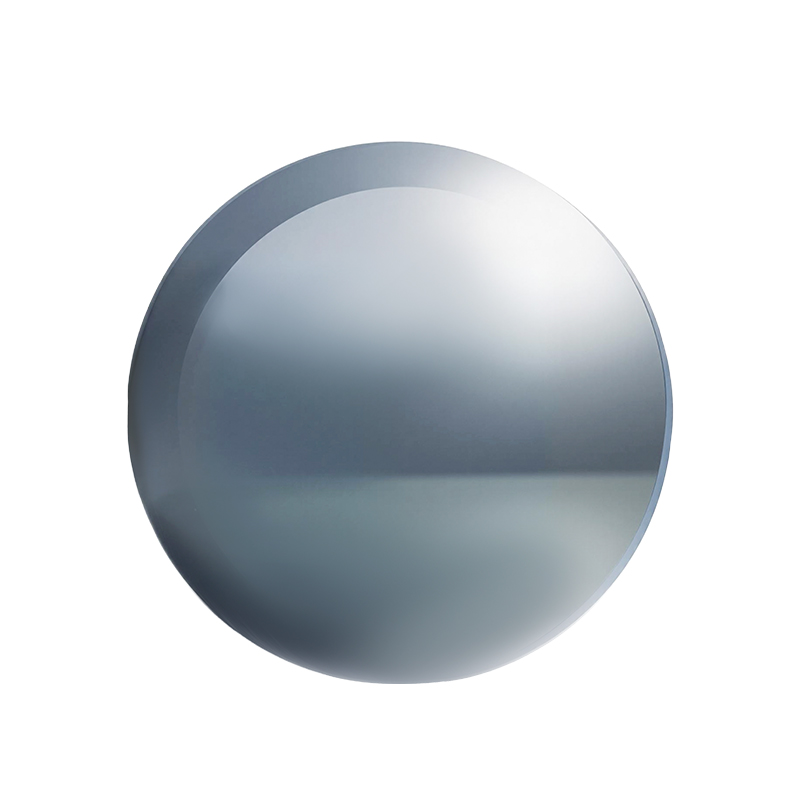
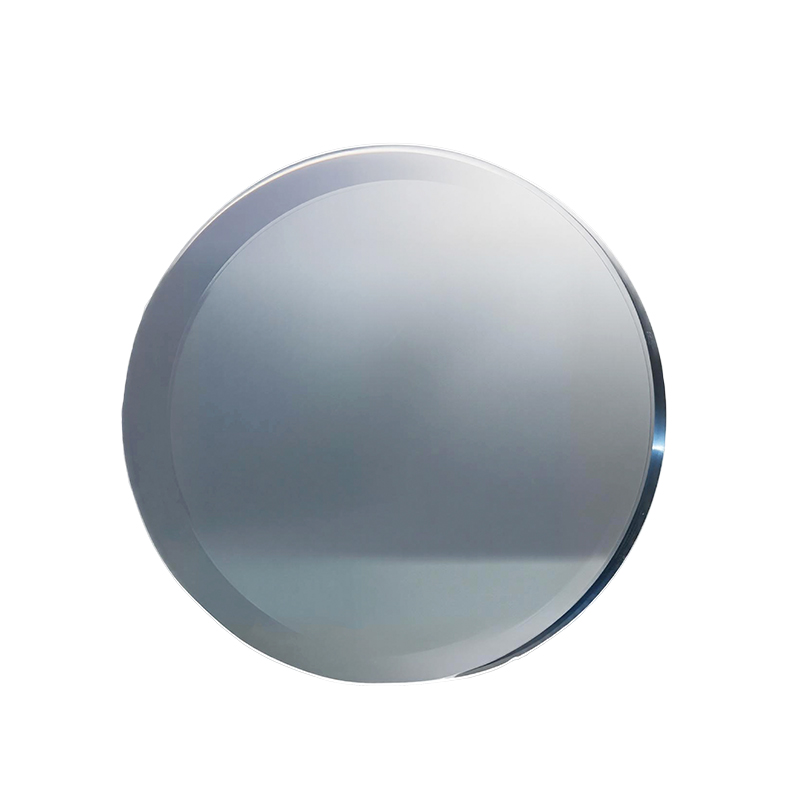
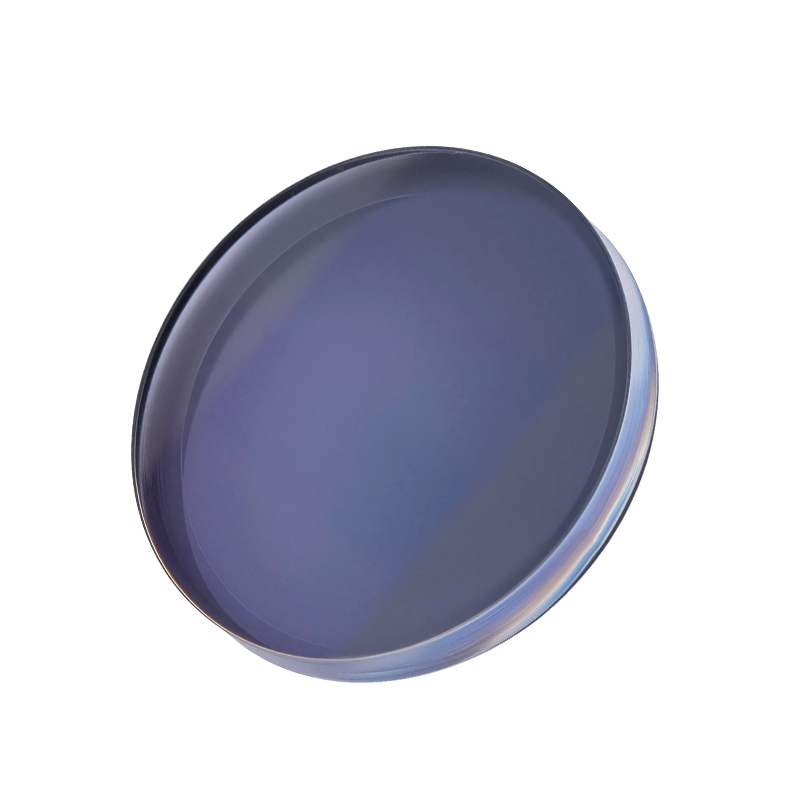
A Blue Light Blocking Semi-finished Lens is an optical lens blank with a clear functional orientation. It integrates blue light protection functionality with the structural characteristics of semi-finished lenses. This means it retains optical protection performance while preserving processing flexibility. Structurally, only one optical surface is pre-shaped, while the other surface remains available for personalized grinding and prescription processing, making it highly suitable for RX customization markets.
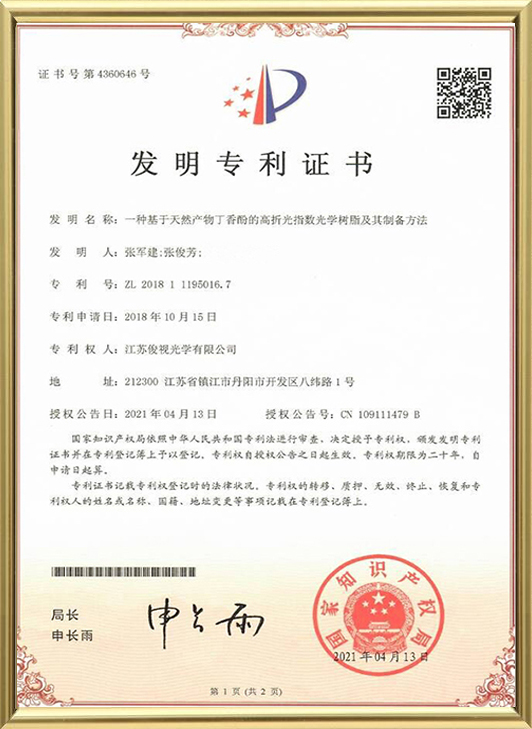
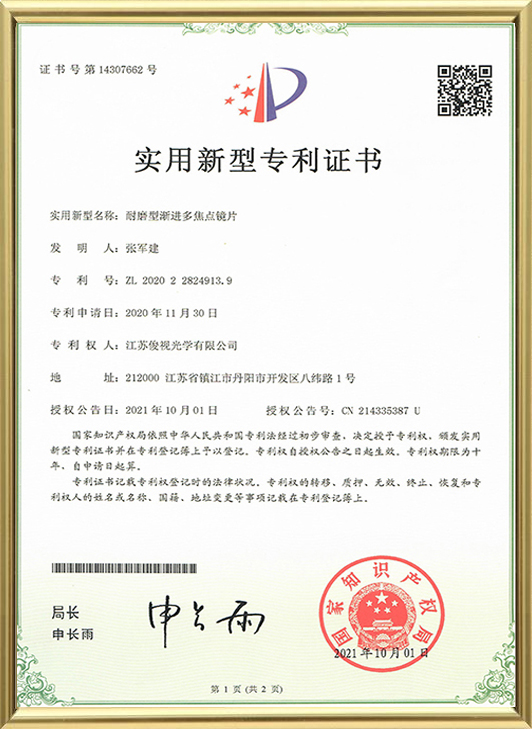
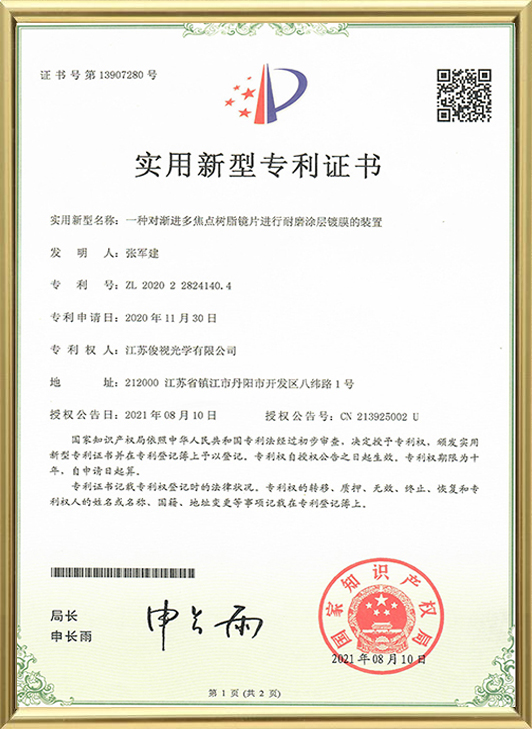
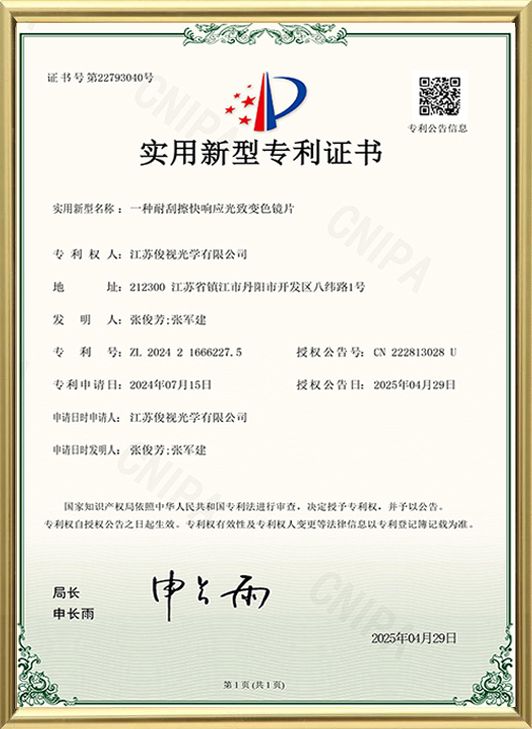
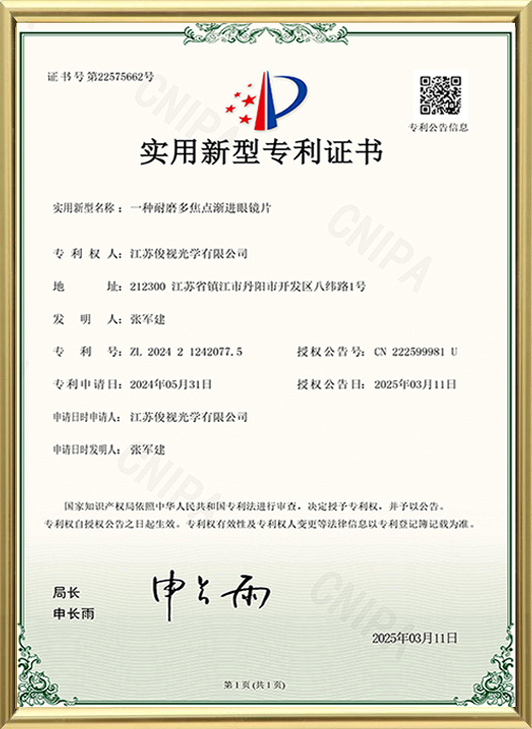
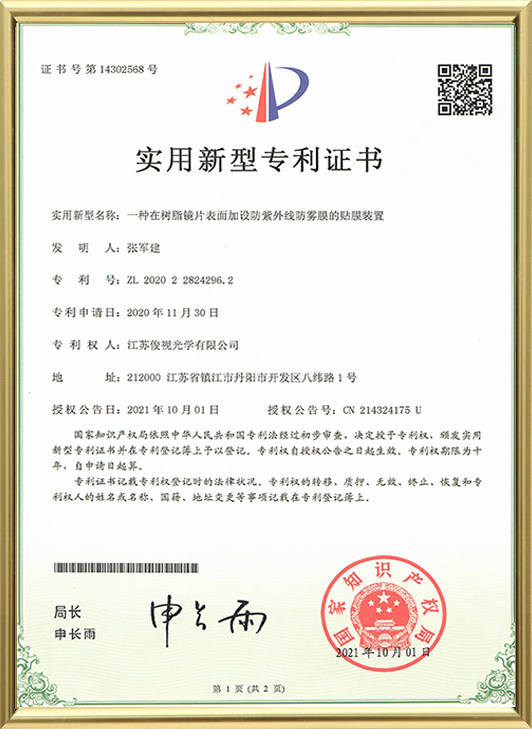
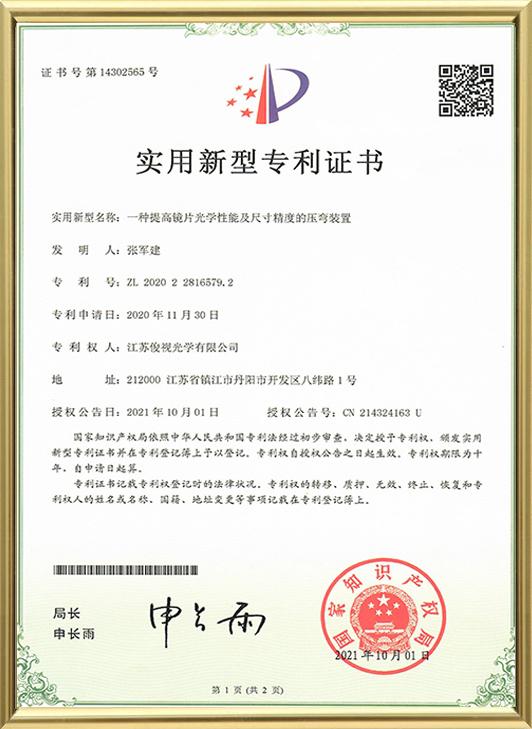
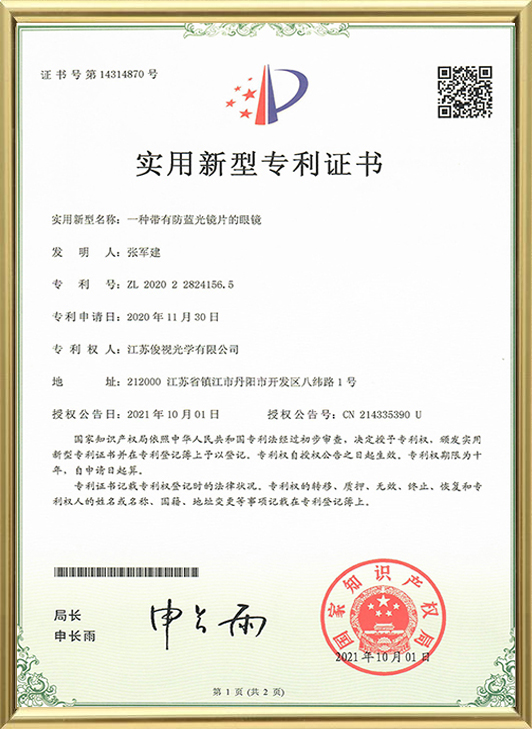
In the supply chain system, suppliers, manufacturers, and factories collectively form the production and distribution foundation of this product category. Companies such as Jiangsu Junshi Optics Co., Ltd. have established systematic production capabilities and digital management systems, enabling stability, scalability, and customization efficiency in Blue Light Blocking Semi-finished Lens production.
From a material perspective, these lenses typically use high-transparency resin substrates. Blue light absorbing or reflective functional factors are introduced into the material or coating layers, enabling effective filtering of high-energy visible light in the 400nm–455nm range. Due to their semi-finished nature, these lenses maintain sufficient optical processing allowance before final prescription customization.
In the global optical lens industry chain, Blue Light Blocking Semi-finished Lens has become an essential intermediate product connecting raw material manufacturing and end optical services. Its application covers optical retail systems, hospital vision centers, lens processing factories, and cross-border OEM customization projects.
Smart Manufacturing System and Factory Production Capability Structure
In the manufacturing process of Blue Light Blocking Semi-finished Lens, production system stability and automation level directly determine product consistency and optical performance. Companies such as Jiangsu Junshi Optics Co., Ltd. utilize Smart Digital Production systems to ensure standardized and traceable production processes.
At the factory level, 19 fully automated AR coating production lines form the core capacity foundation. These lines operate under precise vacuum coating control environments, ensuring uniform distribution of blue light functional layers across lens surfaces or internal structures. With a daily output capacity exceeding 140,000 lenses, large-scale global demand for semi-finished blue light lenses can be effectively met.
CNC Precision Machining Centers play a critical role in curvature accuracy control. Six high-precision machining systems support mold correction, curvature optimization, and edge precision control, allowing Blue Light Blocking Semi-finished Lens to adapt to multiple optical designs including single vision, progressive, and customized astigmatism structures.
The Full Traceability system ensures every lens is tracked from raw material entry to final shipment. Each lens carries a unique tracking code recording production batch, coating parameters, processing time, and inspection results, enabling transparency between suppliers and manufacturers.
In global OEM and ODM projects, factories not only handle standardized production but also adjust parameters according to brand requirements. Semi-finished Blue Block Lens UC/HC/HMC variants are classified based on coating levels, where UC refers to uncoated surfaces, HC refers to hard coating layers, and HMC refers to hard multi-coating systems with enhanced anti-reflective, anti-smudge, and wear-resistant properties.
The Flexible & Fast system ensures rapid production response. For standard orders, 95% of shipments can be completed within 48 hours, significantly improving supply chain efficiency for global optical markets.
Semi-finished Blue Block Lens Applications and Global Supply Chain Development
Semi-finished Blue Block Lens serves as a key intermediate carrier between optical design and prescription correction systems. In the supply chain structure, manufacturers are responsible for optical forming and functional coating, suppliers provide materials and technical components, and factories handle large-scale production and quality control.
In end-use processing, these semi-finished lenses are further customized in optical centers or processing laboratories. Since one optical surface is pre-formed, the processing complexity is significantly reduced, improving efficiency in prescription lens manufacturing.
Blue light filtering mechanisms are typically achieved through two main approaches. One method incorporates absorbing molecular structures into the substrate material to absorb high-energy blue light. The other uses coating-layer reflection structures to reflect specific wavelengths away from the eye.
Jiangsu Junshi Optics Co., Ltd. integrates material engineering and coating optimization to balance blue light protection with visual clarity. In ODM projects, the company provides both standard semi-finished lenses and customized optical parameter adjustments for different brand requirements.
In international markets, Semi-finished Blue Block Lens UC/HC/HMC is widely used across North America, Europe, and Southeast Asia, where regional differences in blue light protection requirements drive product diversification.
Supplier-manufacturer collaboration continues to deepen. Raw material suppliers provide resin substrates and functional additives, factories perform coating and molding, and brand clients integrate products into their own brand systems through OEM and ODM models.
Optical performance development focuses on maintaining color accuracy and visual comfort while ensuring effective blue light filtering. Coating design optimization is essential to prevent visual distortion in daily use.
Over time, blue light blocking lenses have evolved from single-function products into multi-functional optical solutions, integrating anti-fatigue, UV protection, and digital screen vision optimization technologies.
Global Manufacturing Network, OEM/ODM Collaboration, and Industry Evolution Path
In the global optical industry, Blue Light Blocking Semi-finished Lens manufacturing networks are characterized by specialization and regional collaboration. Manufacturers are typically located in regions with complete optical industrial chains, while suppliers focus on material science and chemical engineering, and factories handle mass production.
Jiangsu Junshi Optics Co., Ltd. integrates Smart Digital Production systems to establish a fully traceable digital manufacturing process from raw material input to finished product output.
In OEM and ODM cooperation models, Blue Light Blocking Semi-finished Lens serves as a base platform product for further development. Brand clients can customize optical designs, coating structures, and product specifications to create differentiated market positioning.
Automation plays a key role in ensuring consistency. Fully automated AR coating lines control vacuum environments and deposition rates, ensuring uniform optical performance across batches. CNC systems ensure precise curvature accuracy for different prescription requirements.
Flexible & Fast production systems significantly shorten production cycles, enabling rapid delivery for standardized orders and improving global supply responsiveness.
Technological evolution trends show continuous improvement toward higher transparency, lower dispersion, and multi-functional integration, enhancing performance across various lighting conditions.
In global applications, these products are widely used in optical retail systems, vision medical institutions, and cross-border e-commerce channels. The coordination among suppliers, manufacturers, and factories ensures stable cost control, technological advancement, and delivery efficiency.
Future development will further strengthen integration between blue light blocking lenses and semi-finished optical systems, maintaining the importance of Blue Light Blocking Semi-finished Lens UC/HC/HMC in the global optical manufacturing ecosystem.
FAQ
Q1: What is the core structural feature of Blue Light Blocking Semi-finished Lens?
A1: It is a semi-finished optical lens with one pre-shaped optical surface while retaining processing space on the other side, combined with blue light filtering functionality.
Q2: What do UC, HC, and HMC represent in Semi-finished Blue Block Lens?
A2: UC refers to uncoated structure, HC refers to hard coating, and HMC refers to hard multi-coating with enhanced optical performance.
Q3: How is consistency ensured in factory production?
A3: Through fully automated AR coating lines, CNC precision machining systems, and full traceability digital tracking systems.
Q4: What capabilities does Jiangsu Junshi Optics Co., Ltd. provide?
A4: The company offers Smart Digital Production, 19 automated coating lines, 6 CNC machining centers, and a 100% order tracking system.
Q5: What position does this product hold in the supply chain?
A5: It serves as an intermediate product connecting raw materials and end optical processing, involving suppliers, manufacturers, and factories in different production stages.

 English
 Français
 Español
 عربى
عربى 中文
中文

 +86- 511-86229810