● Material:
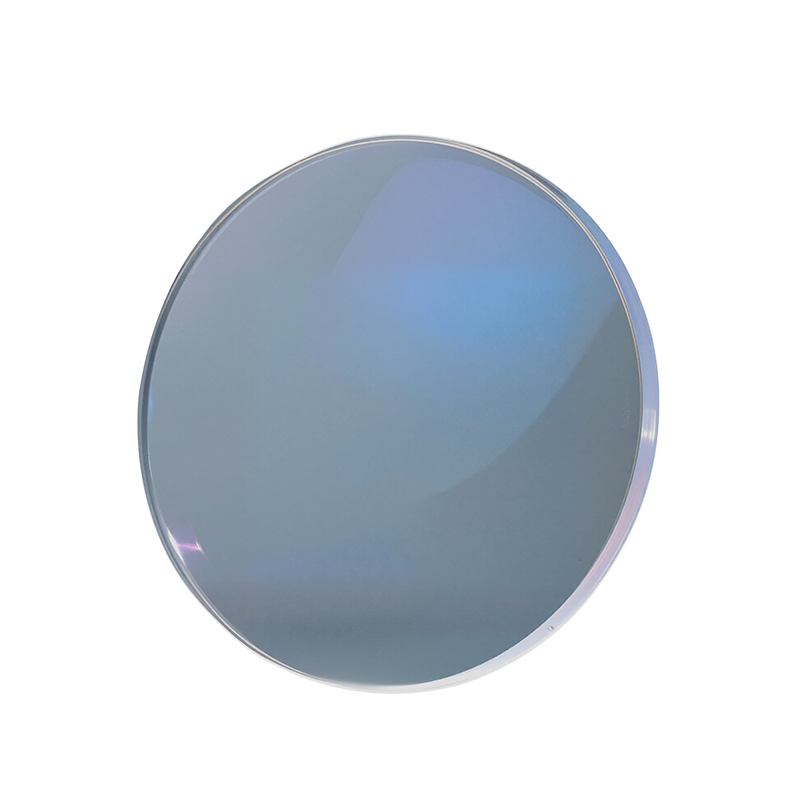
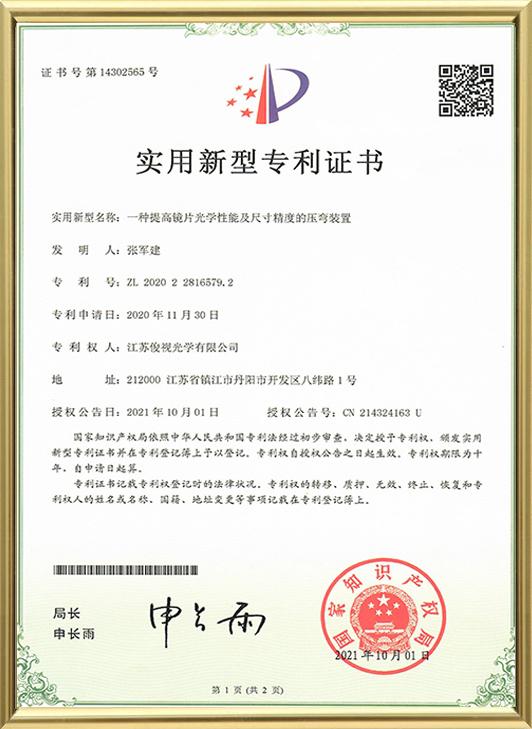
This lens is made of high-quality resin materials, commonly such as MR-8 or similar grades. Resin materials boast excellent optical performance and a lightweight texture, which significantly reduces the pressure on the bridge of the nose and ears during wear, enhancing wearing comfort. Compared with traditional glass lenses, they offer notably stronger impact resistance, effectively lowering the risk of eye injury caused by accidental lens breakage. This makes them particularly suitable for scenarios involving frequent daily activities.
● Blue Light Protection:
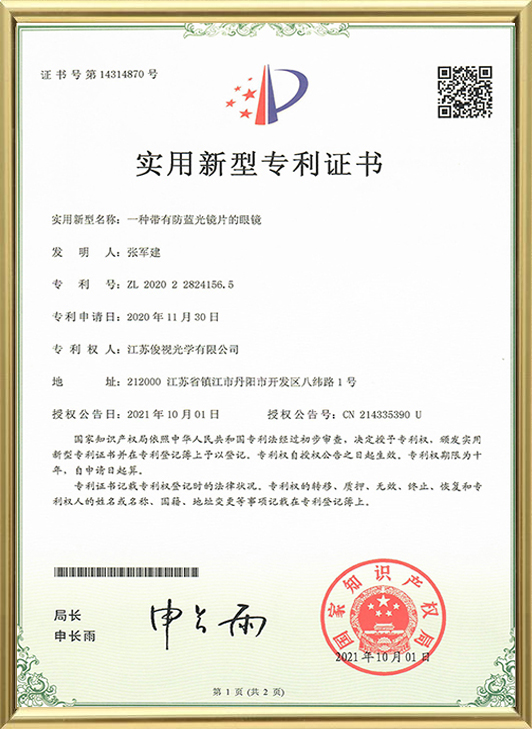
It is a blue light-blocking lens that can effectively filter high-energy blue light. It is usually labeled as UV420, meaning it can block light with a wavelength of approximately 420nm. In indoor environments, it can efficiently filter harmful blue light emitted by electronic device screens (e.g., mobile phones, computers, tablets). When facing electronic screens for extended periods, it reduces the irritation of blue light on the eye retina, lowering the risks of eye fatigue, dryness, and potential macular degeneration—providing strong protection for eye health in the digital age.
● Photochromic (Grey-Tinting):
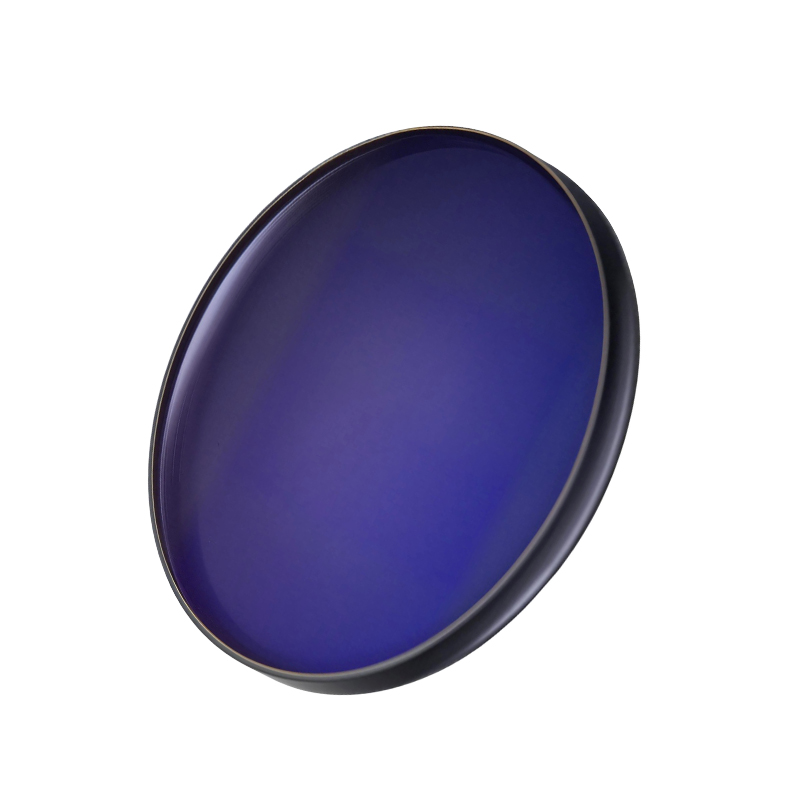
It features a photogrey function. Under outdoor sunlight, the lens can quickly sense the intensity of ultraviolet (UV) rays and undergo a color-changing reaction, with its color gradually darkening to a grey tone similar to that of regular sunglasses. The advantage of grey-tinted lenses lies in their ability to absorb light of all colors evenly without altering the color of objects being viewed, ensuring a natural and authentic outdoor visual experience. Meanwhile, the color-changing speed is fast, allowing the lens to quickly adapt to changes in light intensity: it can complete the darkening process within a few seconds when moving from indoors to outdoors, providing immediate sun protection for the eyes and effectively blocking UV rays and excessive visible light from harming the eyes. When returning indoors, the lens rapidly reverts to a transparent state, facilitating indoor activities.
● Coating System:
1. Airblue Multi-Layer AR Coating:
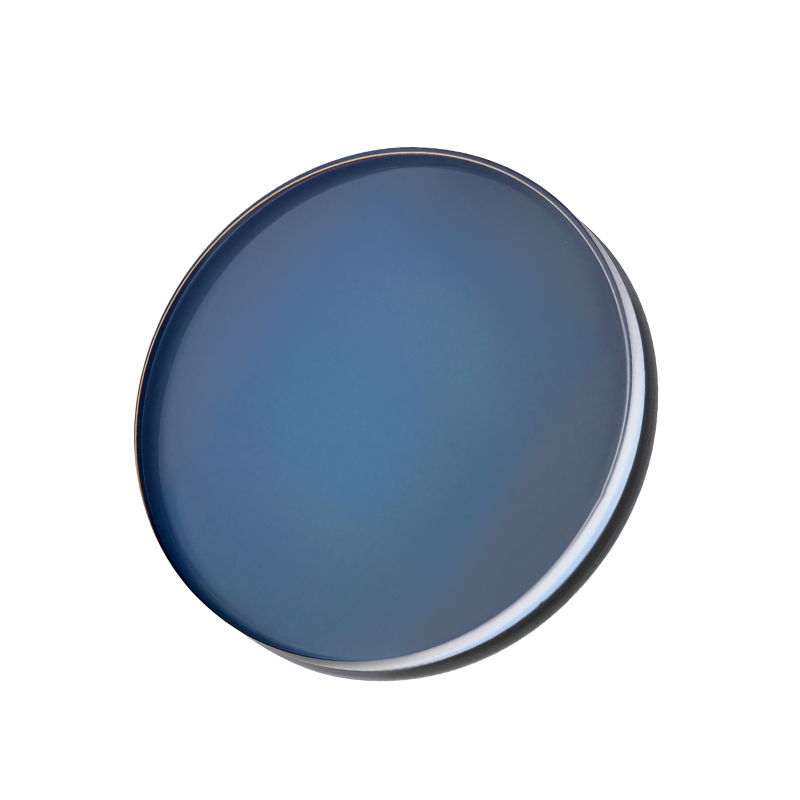
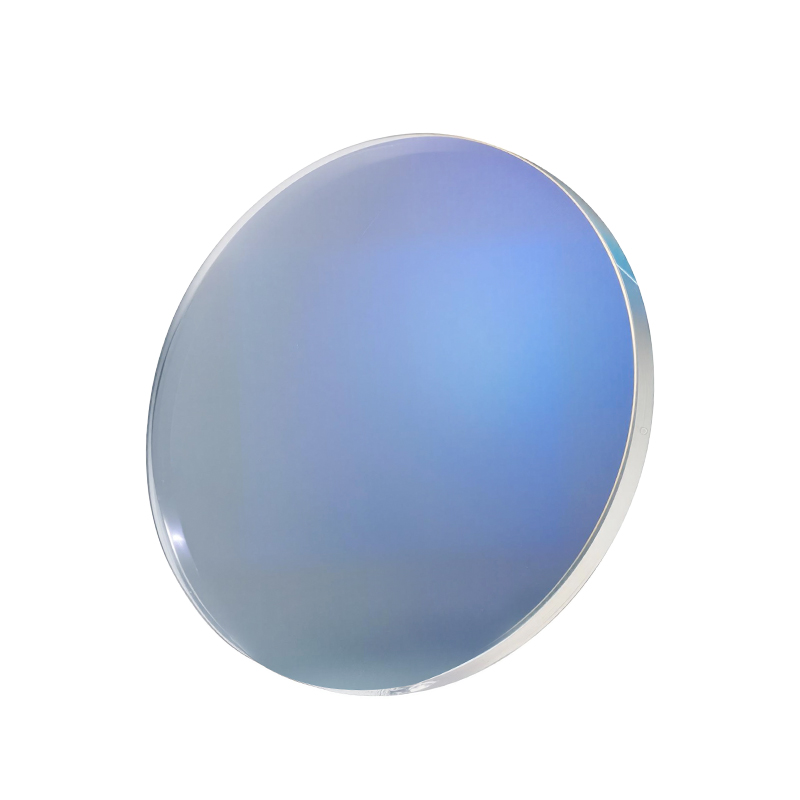
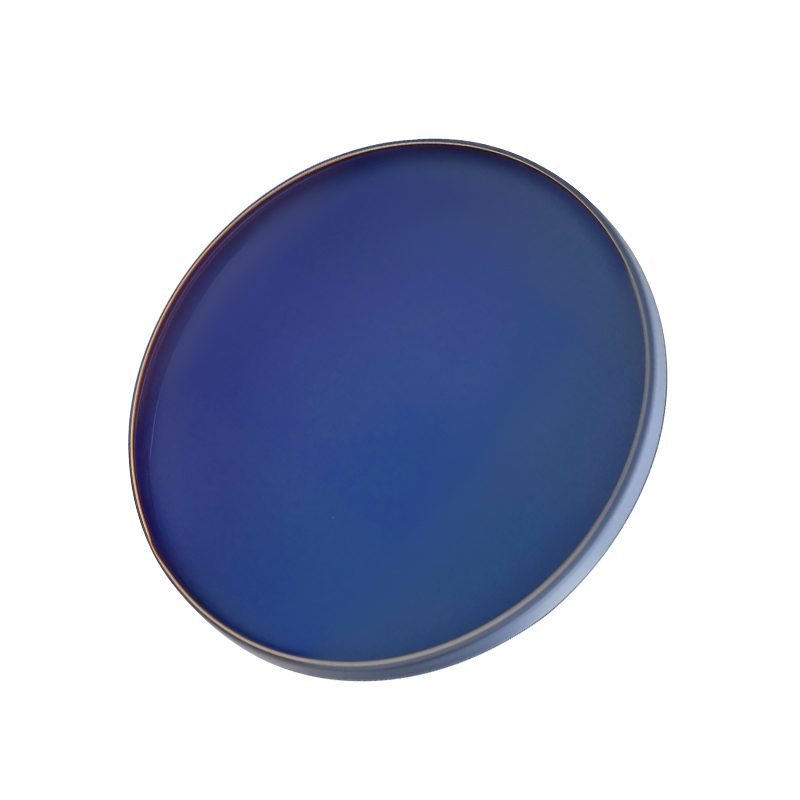
The lens is equipped with the Airblue series multi-layer anti-reflective (AR) coating. By depositing multiple thin films with different refractive indices on the lens surface, the multi-layer AR coating utilizes the principle of light interference to greatly reduce light reflection on the lens surface. This not only improves the light transmittance of the lens (typically reaching approximately 98%-99% in the transparent state, with slight variations depending on the coating system) for clearer and brighter vision but also minimizes visual interference caused by lens reflection. It enables users to see surrounding objects more clearly when driving at night or using the lens in strong light environments. Additionally, the Airblue coating exhibits a unique color tone, enhancing the lens’s stylish appearance and recognizability.
2. SHMC Super Hard Hydrophobic Coating:
The additional SHMC (Super Hydrophobic Multi-Coating) significantly enhances the lens’s performance. Its super-hard property greatly improves the wear resistance of the lens surface, generally meeting a hardness standard of 6-8H. This means the lens is more resistant to scratches during daily use (e.g., friction with clothing, bags, etc.), significantly extending its service life. The hydrophobic property prevents water stains and oil from adhering to the lens surface: water droplets slide off quickly without leaving residue that impairs vision. Moreover, the lens is easier to clean—simple wiping is sufficient to keep it clean, offering great convenience to users.
3. Single-Vision Design:
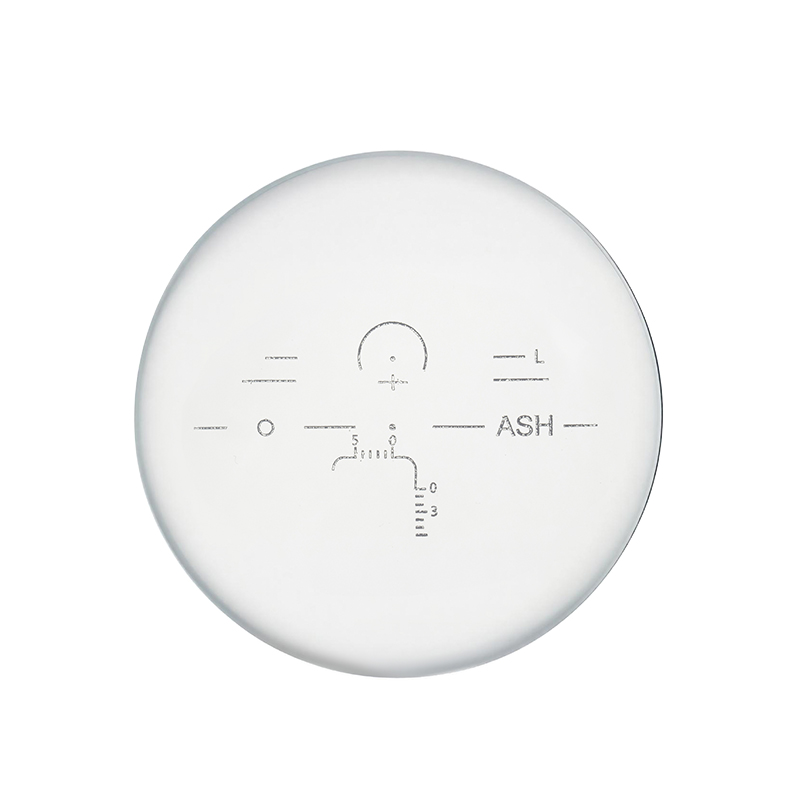
The lens comes with a default single-vision design, suitable for people who only need correction for a single vision issue (either myopia or hyperopia). For myopic users, the lens can be precisely polished according to their myopic power to ensure clear vision; the same applies to hyperopic users.
4. Diameter:
Common lens diameters are 65mm and 72mm. The appropriate lens diameter should be determined based on the size and shape of the selected frame. This ensures that after the lens is mounted on the frame, it not only meets the vision correction needs but also maintains the frame’s aesthetic appeal and wearing stability.

 English
 Français
 Español
 عربى
عربى 中文
中文