Ask ten people what they paid for their last pair of progressive glasses and you will likely get ten different answers, anywhere from about $100 to well over $800. That spread makes it genuinely hard to know whether the quote in front of you is reasonable or not.
We have been making lenses since 1996, so we usually see the receipt from the other side. The encouraging part is that progressive pricing is not random. Once you know which elements actually cost money and which ones are mostly overhead and markup, reading a quote gets a lot easier.
The Short Answer: What Progressive Glasses Usually Cost
For a complete pair, most buyers land somewhere between $150 and $500. A basic pair from a warehouse club or an online retailer can come in near $100, while a fully customized pair with high-index lenses and premium coatings can pass $800. Lenses alone are the part that varies most, so it helps to look at them separately.
Typical progressive lens prices per pair, without insurance, based on common retail ranges.
| Lens type |
Typical lens-only price per pair |
What you usually get |
| Standard progressive |
$75 to $200 |
Conventional design in CR-39 or 1.56 plastic with a basic hard coat |
| Premium digital progressive |
$200 to $450 |
Digitally surfaced design with a wider corridor and cleaner peripheral vision |
| Custom freeform progressive |
$450 to $800+ |
Design individualized to your frame, fitting height, and prescription |
| Computer or office progressive |
$150 to $300 |
Wider intermediate zone built for desk and screen work |
| Short-corridor progressive |
$150 to $300 |
Compact design for smaller or shallower frames |
Those figures cover the lenses only. A complete pair adds a frame, which commonly runs $80 to $300, plus any add-on treatments you choose. Once an eye exam is included, a realistic all-in budget for a first-time progressive wearer is often $250 to $600.
Why the Price Range Is So Wide
A few factors move the number more than anything else.
Lens design
A standard progressive is a fixed design. Every lens of that model is identical, so tooling costs are spread across enormous volumes. A digital or freeform design is calculated around your prescription, and a fully custom design folds in your frame and fitting measurements as well. More computation, smaller batches, higher price.
Material and refractive index
Higher-index materials such as 1.61 and 1.67 cost more as raw material and are harder to process. They also make lenses noticeably thinner, which matters most for stronger prescriptions.
Coatings and treatments
Anti-reflective and hard coatings are almost always included. Blue light filtering, photochromic technology, and premium scratch-resistant layers usually are not, and each one adds to the total.
Where you buy
The same lens can sell for very different prices at an independent optician, a chain, a warehouse club, or an online retailer. Staff time, equipment, warranties, and the cost of running a storefront all end up in the price, and so does the amount of service you receive.
Standard, Premium, and Custom: What the Extra Money Buys
A standard progressive lens corrects the same prescription as a premium one. What you pay extra for is comfort: a wider clear zone, less distortion at the edges, and a shorter adaptation period.
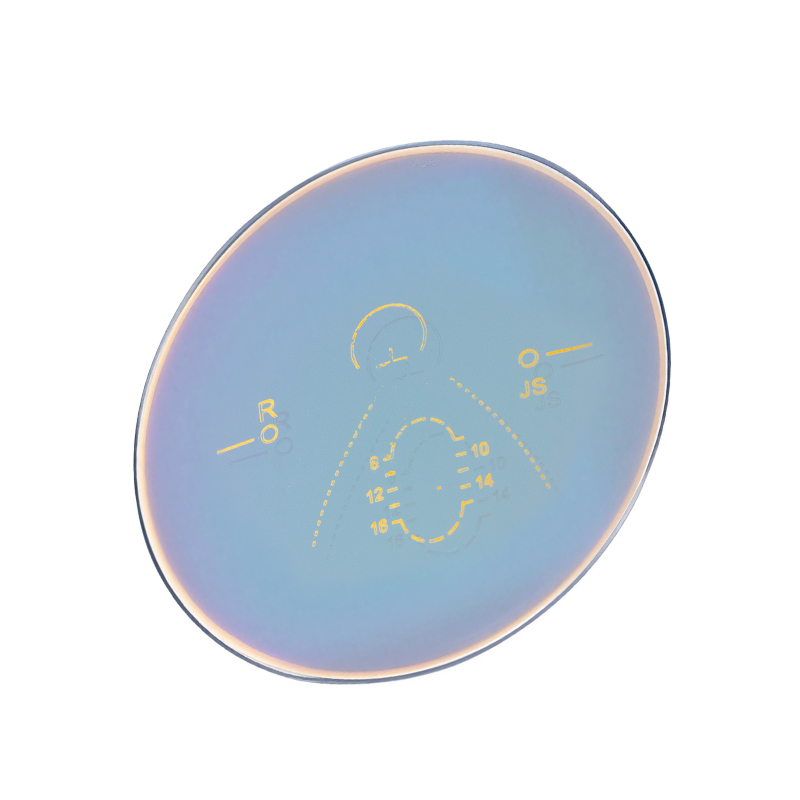
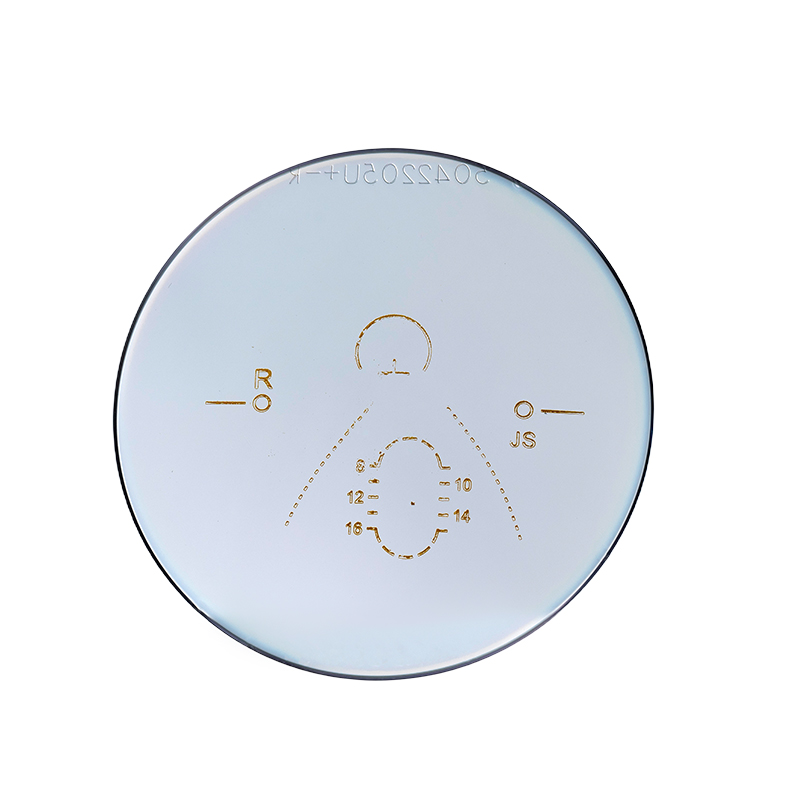
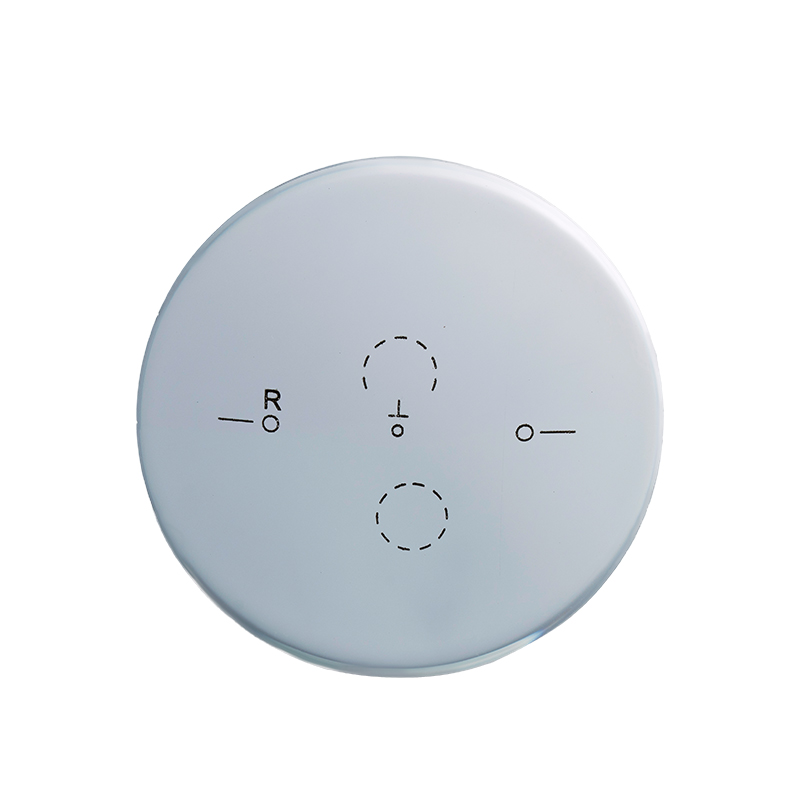
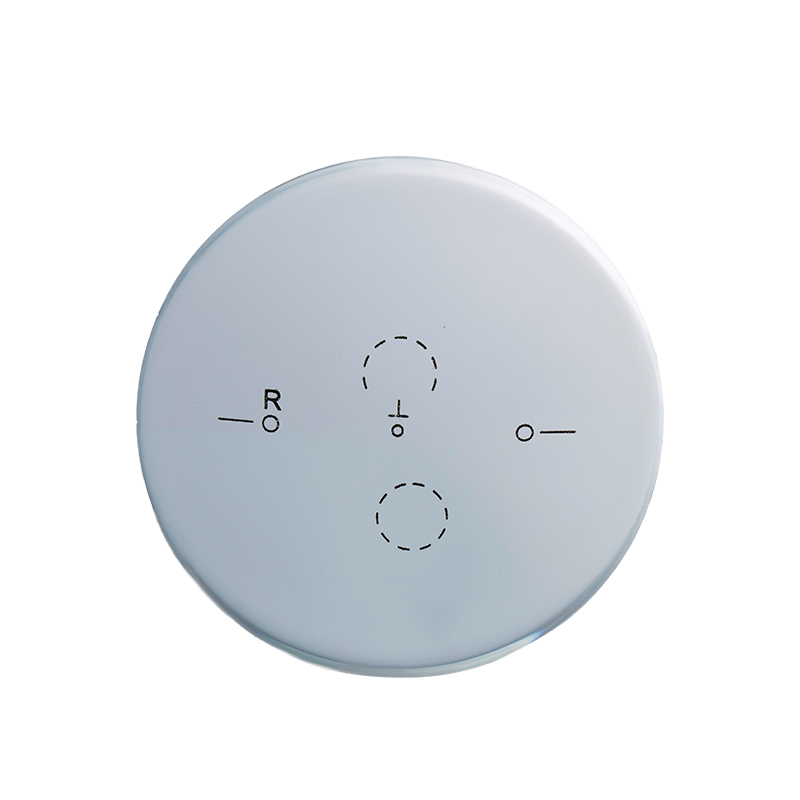 1.56 Progressive Finished Lens with Green Multi-CoatA stock resin progressive with hard multi-layer AR coating, suited to everyday low-to-moderate prescriptions where a practical finished lens covers far, intermediate, and near vision.View Product →
For everyday prescriptions in the low to moderate range, a well-made 1.56 finished progressive with a hard multi-coat is genuinely all many wearers need. It is the workhorse of the category, and it is the design produced in the largest volumes.
Premium and custom designs start to earn their price when your prescription is strong, your frame is small or unusually shaped, or you simply could not adapt to a standard pair. If you spend hours at a screen, a design with a wider intermediate zone is usually a smarter purchase than a higher refractive index.
What Actually Goes Into the Price: A Manufacturer's View
From the production floor, a progressive lens is a surprisingly short list of costs: the resin material, the mold or the digital surfacing pass, the coating cycles, the inspection, and the packaging. What separates a modest lens from an expensive one is mostly labor time, coating layers, and how individualized the design is.
Freeform production is the clearest example. The lens surface is cut point by point from a digital file instead of being pressed from a fixed mold, which lets the design be adjusted for your exact prescription and frame. It takes longer, needs more precise equipment, and produces more scrap, and all of that shows up in the retail price. If you want the process in more detail, we walk through how digital freeform lenses are manufactured step by step.
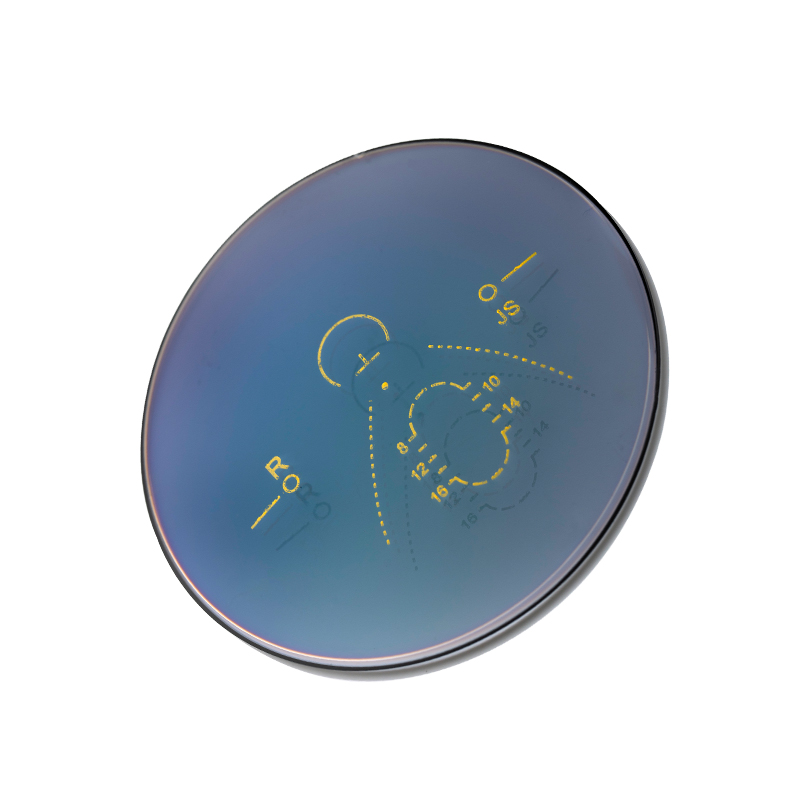
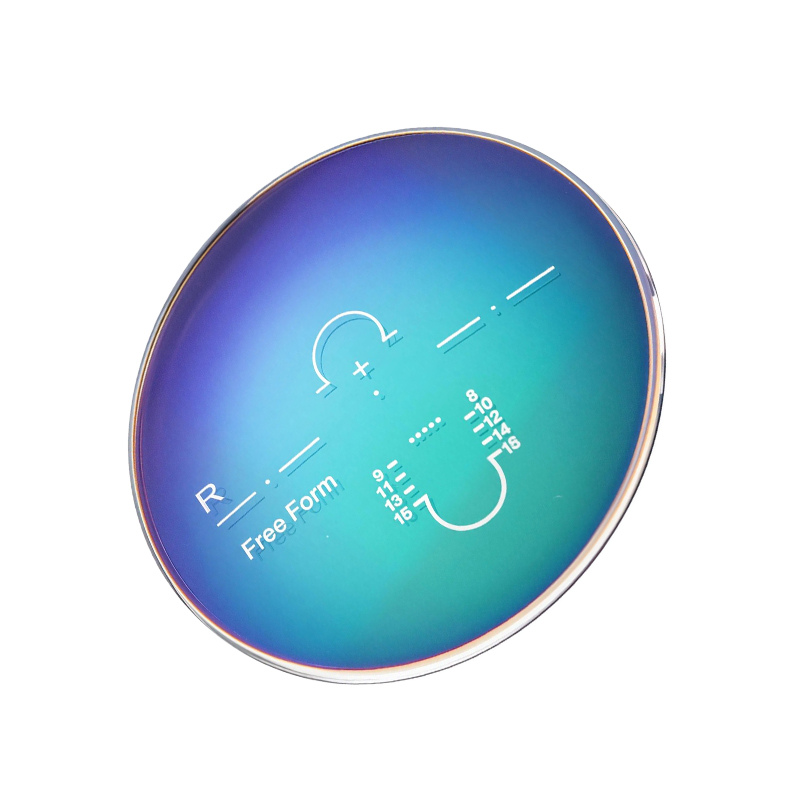 Freeform Progressive Lenses in 1.56, 1.61, and 1.67Customized varifocal lenses produced from digital designs for individual prescriptions and frames, with coating options and indexes for tailored progressive correction.View Product →
The Full Cost of a Pair: Where Every Dollar Goes
It is easy to fixate on the lens price and forget the rest of the bill. Here is the whole picture.
Cost components of a typical pair of progressive glasses, in US dollars, before insurance.
| Component |
Typical range |
Notes |
| Comprehensive eye exam |
$50 to $200 |
Often covered by vision insurance |
| Frame |
$80 to $300 |
Designer, titanium, and rimless frames cost more |
| Progressive lenses |
$75 to $800+ |
Design, material, and index drive the range |
| Coatings and add-ons |
$30 to $150 |
Anti-reflective, blue light, photochromic, tints |
| Fitting, edging, adjustments |
$0 to $75 |
Sometimes bundled into the lens price |
How to Save on Progressive Glasses Without Regretting It
- Use your vision insurance before you shop. A lens allowance and a frame allowance can cut the bill substantially.
- Do not over-buy the material. If your prescription is mild, a 1.56 lens with a good coating will look and feel perfectly fine.
- Spend on the design, not the brand name. A well-fitted mid-range progressive usually beats a poorly fitted premium one.
- Keep your frames if they still suit you. Reusing a frame removes one of the largest line items on the receipt.
- Ask what is included. Fitting, adjustments, and a scratch warranty are worth real money if you actually use them.
- Add upgrades one at a time. Photochromic plus blue light plus high index plus a premium design adds up quickly.
What you should not do is choose purely on price and then give up on progressives after a week. Most adaptation problems trace back to a fitting height or corridor length that was wrong for the frame.
If You Are Buying Lenses for a Store, Chain, or Lab
The same factors that shape retail pricing shape what you pay per lens. Volume, refractive index, coating combinations, and whether you need finished or semi-finished lenses all move the unit price, and so does the tolerance you require on each batch.
For retail partners, standard finished progressives in 1.56 and 1.61 cover most everyday prescriptions, while shorter corridor designs such as a 9.4 design solve the fitting problems that come with modern smaller frames. Labs that do their own surfacing usually prefer semi-finished progressive blanks, which cost less per piece and leave the final surfacing and coating to your own equipment.
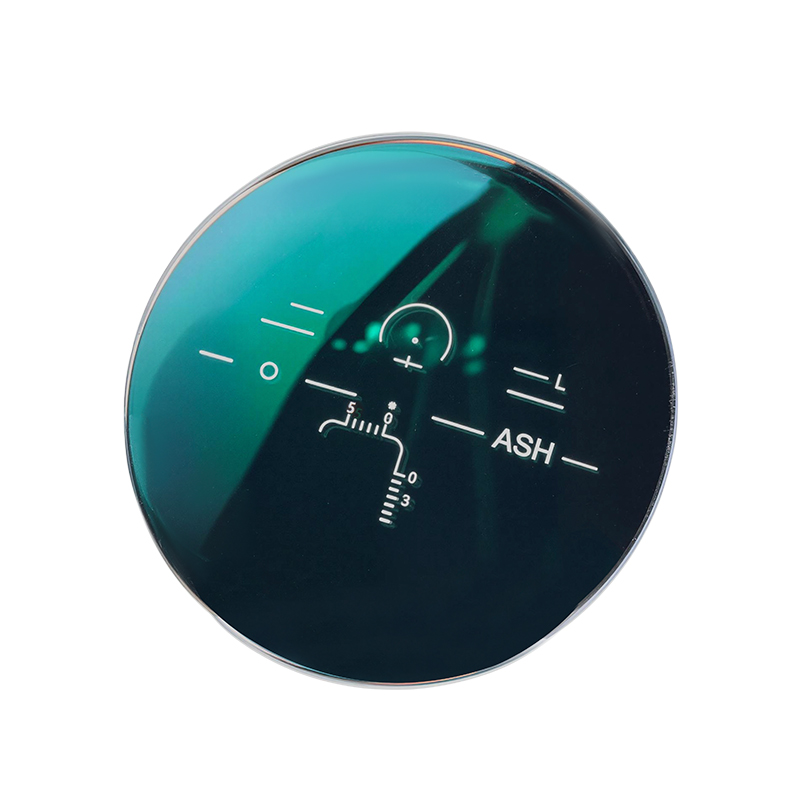 1.61 Progressive 9+4 Finished Lens for Smaller FramesA thinner medium-to-high-index finished progressive with a shorter 9+4 corridor, aimed at modern smaller frames and moderate to high myopia prescriptions.View Product →
Frequently Asked Questions
Are progressive lenses more expensive than bifocals?
Yes, usually by $50 to $200. The design work is more complex and the tolerances are tighter, but most wearers find the seamless transition worth the difference.
Do I need premium progressive lenses?
Not always. Strong prescriptions, small frames, and previous adaptation trouble are the situations where a premium or customized design most often pays off.
Does insurance cover progressive lenses?
Many vision plans cover part of the cost as an upgrade over single vision, and some cover them fully after a copay. It is worth checking your allowance before you settle on a design.
Prices for progressive glasses will always look inconsistent from the outside, because so much of what you pay for sits in the design and the fitting rather than in a visible part of the product. Our part, as a lens manufacturer, is keeping the optical quality of that design consistent batch after batch, so the price you pay reflects real work rather than guesswork. Know what drives the number, and the quote in front of you becomes much easier to read.

 English
 Français
 Español
 عربى
 中文