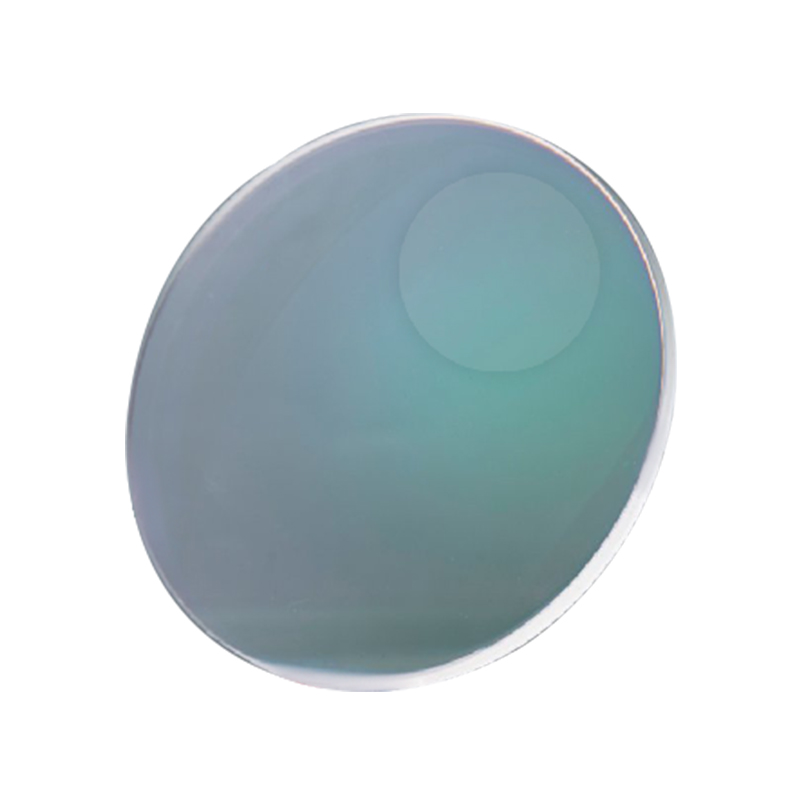
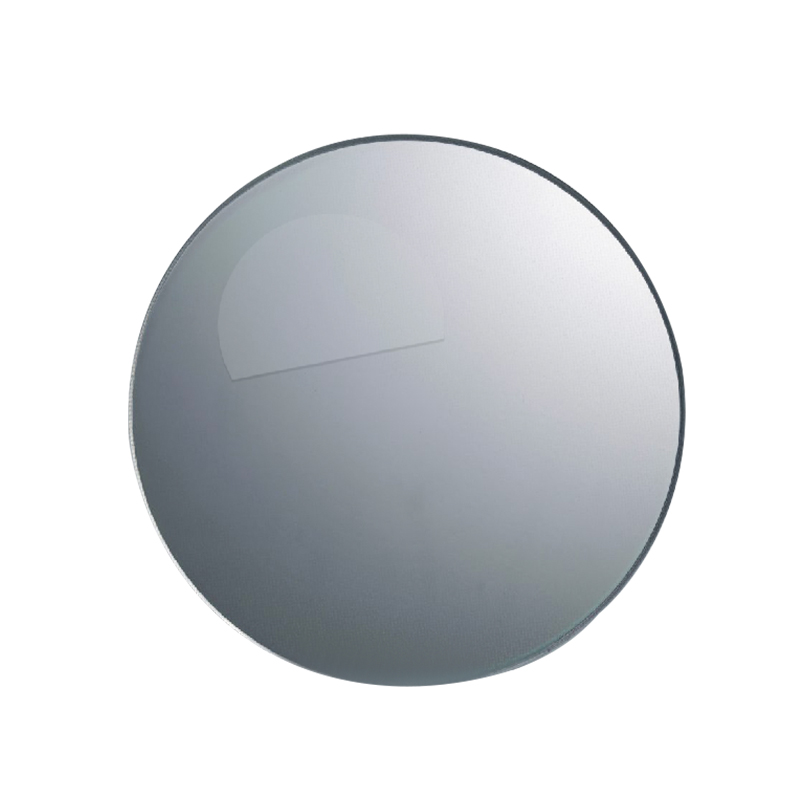
When comparing digital free-form optical finished lenses to conventional optical finished lenses, the difference in peripheral vision is significant and measurable. Free-form lenses deliver noticeably wider, clearer peripheral zones — studies suggest improvements of up to 30% in usable peripheral visual field compared to traditionally manufactured finished stock lenses. For wearers with moderate to high prescriptions, this distinction can fundamentally change daily visual comfort and performance.
This article breaks down exactly why that difference exists, where it matters most, and how to decide which type of optical finished lenses is the right choice for your needs.
What Is Digital Free-Form Technology in Optical Finished Lenses?
Digital free-form technology uses computer-controlled diamond-tipped lathes to grind lens surfaces with a point-by-point precision of 0.01 diopter increments — far beyond the 0.25 diopter steps used in conventional manufacturing. Every curve on the lens surface is calculated using software that factors in the wearer's full prescription data, including sphere, cylinder, axis, addition power, and even the specific frame parameters such as pantoscopic tilt and vertex distance.
In contrast, conventional optical finished lenses — often referred to as finished stock lenses — are produced in bulk using fixed molds or standard tooling. Their optical surfaces are pre-set to standardized prescription values, which means the peripheral zones of the lens are not individually optimized for each wearer's unique visual requirements.
Why Peripheral Vision Is the Key Differentiator
The central optical zone of most lenses performs adequately regardless of manufacturing method. The real difference emerges at the edges. In conventional finished stock lenses, peripheral zones suffer from two main optical distortions:
- Oblique astigmatism — unwanted cylinder power introduced as the eye rotates away from the optical center.
- Mean power error — a shift in effective focal power that causes blur and distortion in peripheral gaze.
Free-form digital processing calculates and compensates for these aberrations across the entire lens surface. The result is a lens that maintains optical accuracy even when the wearer looks 30–40 degrees off-center, which is a common and frequent eye movement during reading, driving, and screen use.
Head-to-Head Comparison: Free-Form vs Conventional Optical Finished Lenses
The table below summarizes the key optical and practical differences between digital free-form optical finished lenses and conventional finished stock lenses:
| Feature |
Digital Free-Form Lenses |
Conventional Finished Stock Lenses |
| Prescription Precision |
0.01 diopter steps |
0.25 diopter steps |
| Peripheral Aberration Control |
High — individually optimized |
Low — fixed surface curves |
| Usable Visual Field |
Up to 30% wider |
Standard baseline |
| Customization for Frame Fit |
Yes — pantoscopic tilt, wrap angle |
No |
| Production Method |
CNC point-by-point surfacing |
Fixed mold / standard tooling |
| Cost |
Higher |
Lower |
| Adaptation Period |
Shorter (cleaner optics) |
Variable |
Comparison of digital free-form optical finished lenses vs. conventional finished stock lenses across key performance metrics.
Who Benefits Most from Free-Form Optical Finished Lenses?
Not every wearer will notice a dramatic difference between free-form and conventional optical finished lenses. The benefit is strongly tied to prescription complexity and lifestyle demands. The following groups gain the most from free-form technology:
High-Prescription Wearers
For prescriptions beyond ±4.00 diopters, peripheral distortion in conventional finished stock lenses becomes increasingly noticeable. Free-form optimization is particularly effective at suppressing the oblique astigmatism that intensifies as prescription power increases. A wearer with –6.00D myopia, for example, may experience a substantially clearer peripheral field with free-form lenses compared to a standard finished stock lens of the same power.
Progressive Lens Wearers
Free-form technology has revolutionized progressive optical finished lenses. Traditional progressive lenses have fixed corridor widths and distortion zones. Free-form progressive lenses can be personalized with wider intermediate and reading zones — resulting in a more natural, comfortable reading experience and significantly reduced "swim" effect when moving the head.
Wearers with Significant Astigmatism
Cylinder correction in conventional optical finished lenses is limited to standard axis increments. Free-form surfacing allows the cylinder axis to be placed with exact precision, which is critical for wearers with oblique astigmatism (axes between 30° and 150°), reducing off-axis blur throughout the lens.
Occupational and Sport Users
Professions that require wide peripheral awareness — such as surgeons, architects, drivers, or athletes — benefit directly from the expanded usable visual field provided by free-form optical finished lenses. Even finished stock lenses adapted for occupational use cannot match the individualized optimization of a free-form design.
When Conventional Finished Stock Lenses Are Still the Right Choice
Despite the optical advantages of free-form technology, conventional optical finished lenses — particularly finished stock lenses — remain the practical choice in many scenarios:
- Low prescriptions (±1.00D or less): The peripheral difference is minimal and unlikely to affect daily visual comfort.
- Budget-conscious purchases: Finished stock lenses cost significantly less and are immediately available off-the-shelf, making them ideal for backup pairs or children's eyewear.
- Standard single-vision prescriptions: For simple myopia or hyperopia within a moderate range, high-quality finished stock lenses from reputable manufacturers perform reliably well.
- Rapid replacement situations: Finished stock lenses are pre-manufactured and can be dispensed immediately, which is a practical advantage in time-sensitive situations.
The decision is ultimately about matching lens technology to the wearer's actual prescription complexity and visual lifestyle — not simply defaulting to the most expensive option.
Practical Impact on Everyday Visual Tasks
The peripheral vision advantage of free-form optical finished lenses translates into real-world improvements across common daily activities:
- Driving: Wider peripheral clarity reduces the need to turn the head excessively when checking mirrors or monitoring side lanes.
- Computer use: A wider usable visual zone reduces the eye strain caused by peripheral blur during extended screen sessions.
- Reading: Cleaner peripheral zones allow the eyes to track lines of text more smoothly without hitting a blurry boundary at the edge of the lens.
- Walking and navigation: Reduced peripheral distortion improves spatial awareness and depth perception on stairs, curbs, and uneven terrain — particularly important for progressive lens wearers.
Making the Right Lens Decision
Digital free-form optical finished lenses offer a measurable and clinically meaningful improvement in peripheral vision over conventional finished stock lenses — particularly for complex prescriptions, progressive designs, and wearers with high visual demands. The technology's ability to individually optimize every point across the lens surface eliminates the compromises inherent in mass-produced conventional optical finished lenses.
However, for simple prescriptions or cost-sensitive applications, high-quality conventional finished stock lenses remain a reliable and efficient solution. The key is understanding your prescription complexity, your daily visual demands, and how much peripheral clarity genuinely affects your quality of life — then choosing the optical finished lenses that best align with those factors.

 English
 Français
 Español
 عربى
عربى 中文
中文