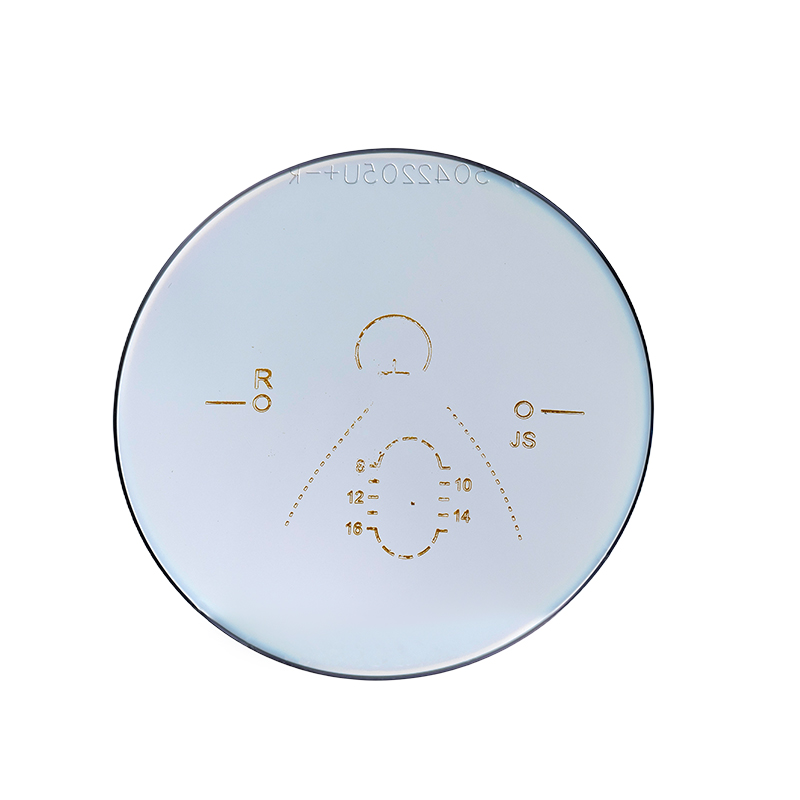
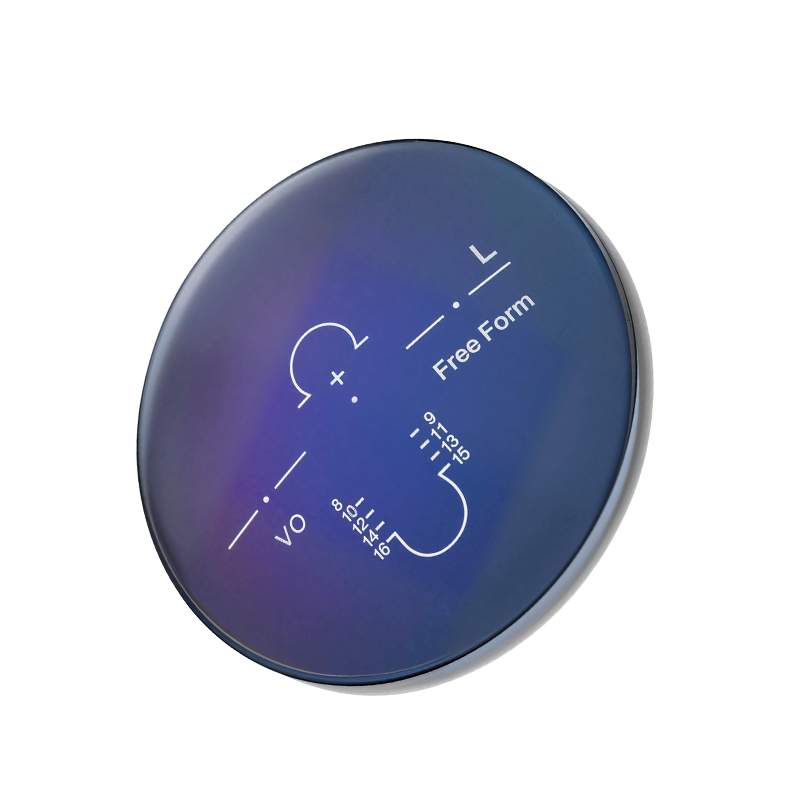
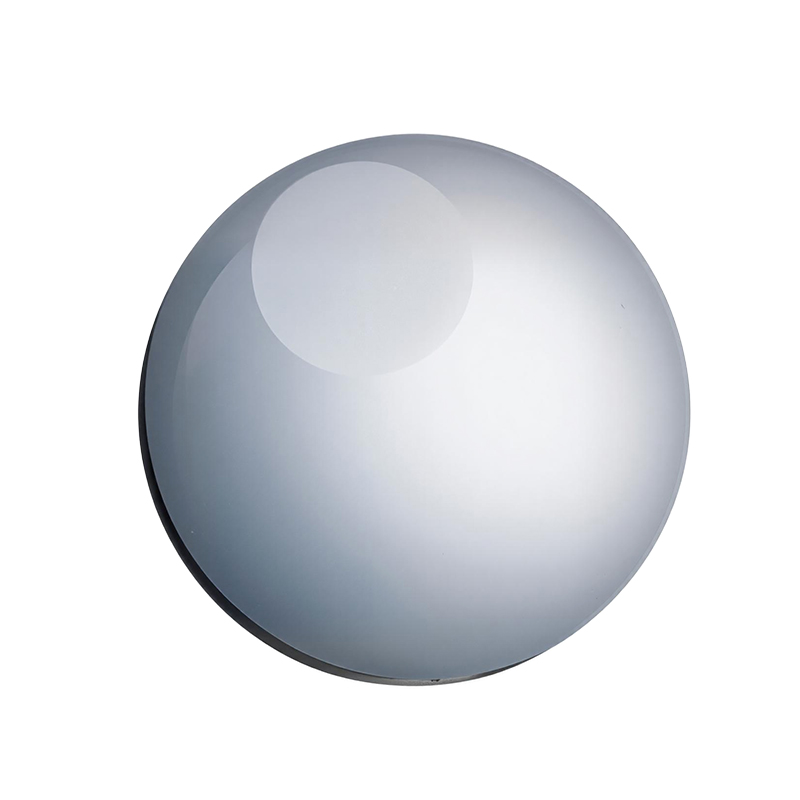
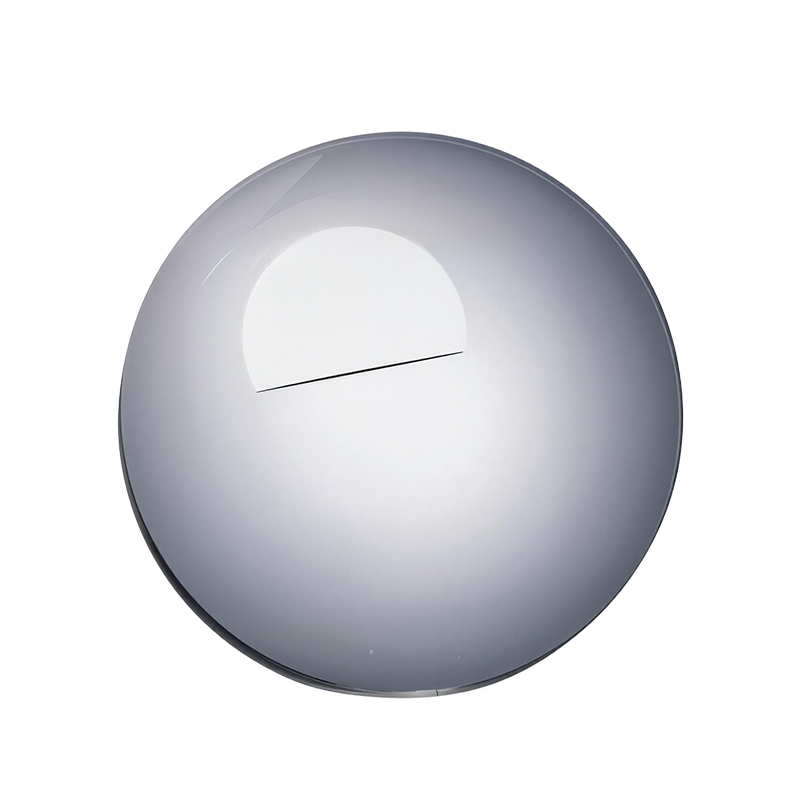
Choosing sunglasses that suit you requires comprehensively considering multiple factors such as protective functions, lens materials and colors, and frame styles. Here are the specific methods:
Focus on Protective Functions
- UV Protection Ability: Choose sunglasses marked with "UV400" or "100% UV Absorption" to ensure they can block over 99% of ultraviolet rays. Meanwhile, qualified sunglasses must be labeled with China's current national standards such as GB 39552.1-2020 on the temples.
- Polarization Function: Polarized lenses can filter reflected glare, making them suitable for outdoor activities like driving, fishing, and skiing. For regular sunglasses, you can choose based on light transmittance—Category 2 is suitable for daily commuting, and Category 3 is commonly used for outdoor activities on sunny days.
Consider Lens Materials
- Polycarbonate (PC): Lightweight and highly impact-resistant, suitable for children and outdoor sports enthusiasts.
- TAC Polarized Lenses: Cost-effective, can effectively block glare, but prone to scratches, suitable for daily commuting.
- Glass Lenses: Excellent optical performance, high light transmittance, and wear-resistant, but heavy and fragile (easily broken, and broken pieces may scratch the eyes), now gradually replaced by resin lenses.
- Nylon Lenses: High-definition and wear-resistant, often used in high-end sunglasses, suitable for professional protection scenarios such as mountaineering and skiing.
Select Lens Colors
- Gray: Maintains the authenticity of the original colors of objects, effectively reduces glare, suitable for daily driving and various strong light environments.
- Brown: Enhances contrast, making scenes look clearer, especially suitable for cloudy or overcast days, and also suitable for wearing while driving.
- Green: Has good anti-glare effect and can relieve visual fatigue, suitable for long-term outdoor activities.
- Yellow/Orange: Improves brightness, can increase visual clarity when driving in foggy weather or at night, but not suitable for use in strong light.
Choose Frame Styles
- Choose Based on Face Shape: Round faces suit square or rectangular frames; square faces suit oval or cat-eye sunglasses; heart-shaped faces suit wide aviator styles or flat rectangular frames; long faces suit heart-shaped or cat-eye designed sunglasses.
- Consider Material and Comfort: Metal frames are lightweight and sturdy but may irritate sensitive skin; plastic frames are lightweight and affordable; acetate frames combine aesthetics and texture but are more expensive. When trying them on, ensure the frames do not slip and the nose pads do not cause pressure.
Special Needs and Groups
- Myopic People: Can choose custom prescription sunglasses, or match them with clip-on sunglasses or photochromic lenses.
- Children: Should choose polycarbonate lenses and silicone non-slip temples. Children under 6 years old should wear them for no more than 2 hours a day, and choose Category 2-3 lenses with light transmittance ≥ 18%.
- Patients with Special Diseases: Glaucoma patients should avoid dark-colored lenses to prevent increased intraocular pressure; patients after cataract surgery need sunglasses with 100% UV protection.

 English
 Français
 Español
 عربى
عربى 中文
中文