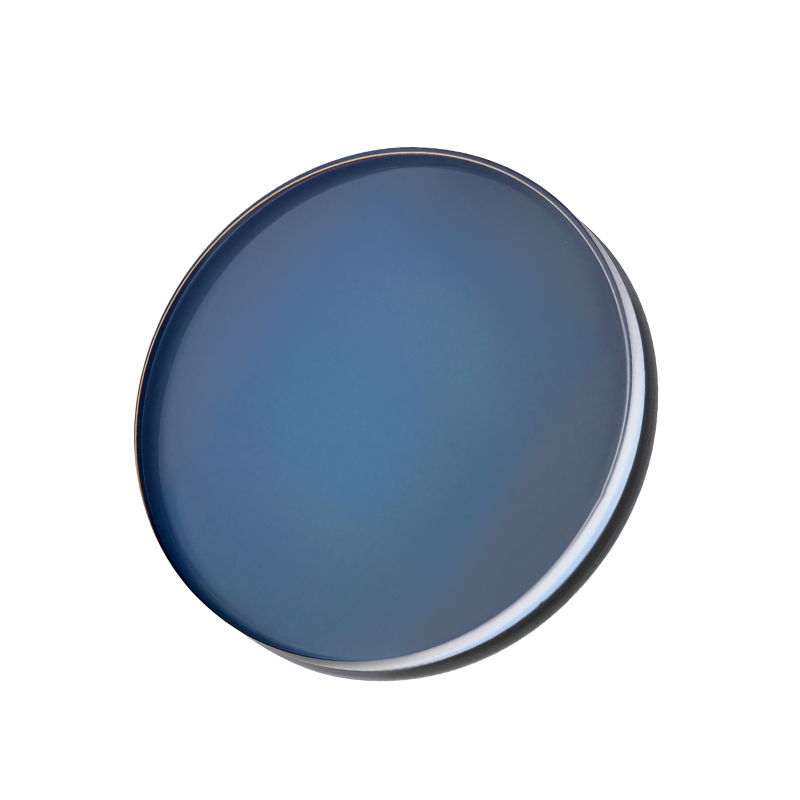
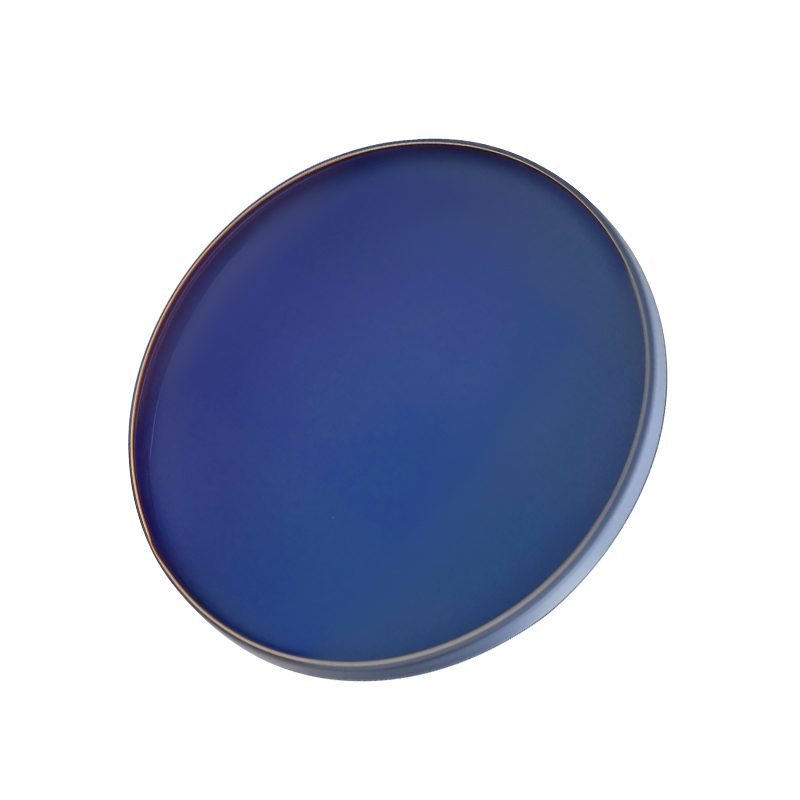
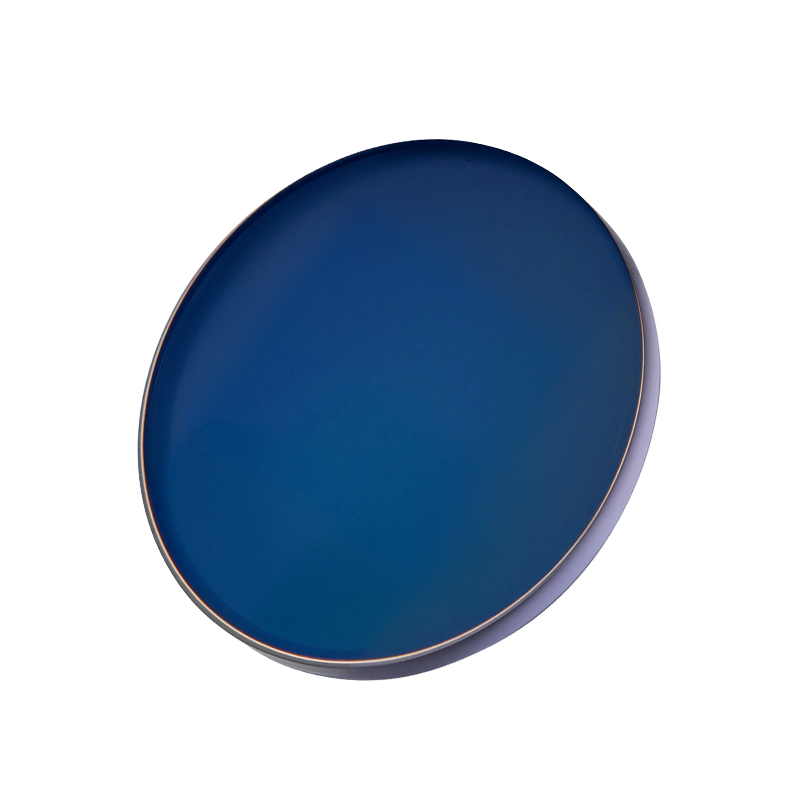
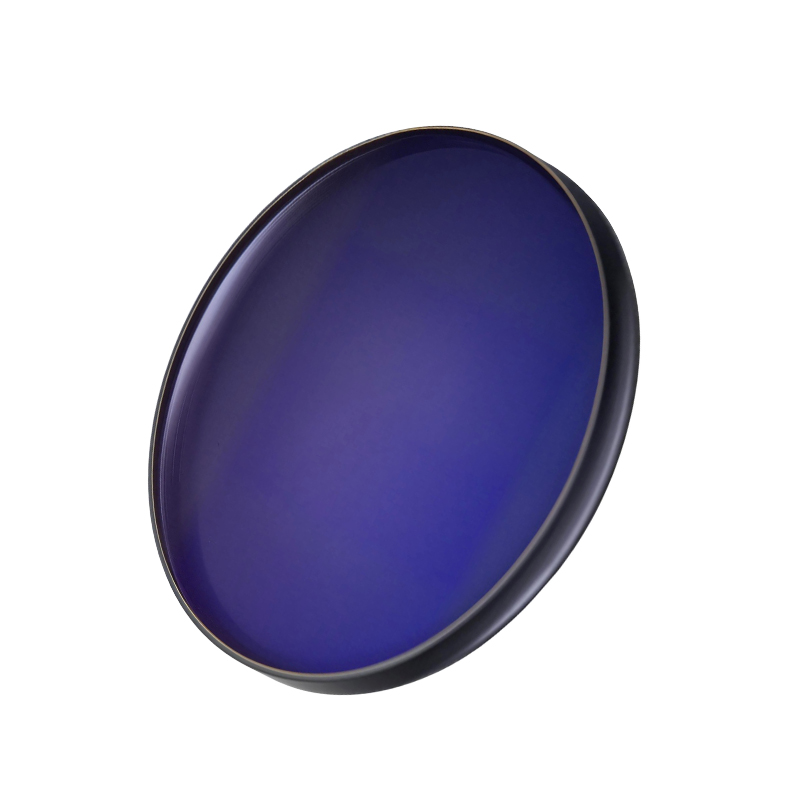
Choosing a photochromic finished lens comes down to matching four practical factors to daily habits: how quickly the lens needs to darken and clear, how deep the tint should become outdoors, whether the prescription range covers mild myopia or hyperopia without custom grinding, and which base lens material suits the frame and lifestyle involved. A person who moves frequently between indoor offices and outdoor commutes generally benefits from a faster-reacting tint with a moderate darkness level, while someone who spends long stretches outdoors during the day may prefer a lens that reaches a deeper tint and holds it, even if the transition back to clear takes a little longer indoors.
Understanding What a Photochromic Finished Lens Actually Does
A photochromic finished lens combines a light-reactive coating or embedded compound with a lens that has already been shaped and edged to standard prescription ranges, so the wearer gets both vision correction and automatic tint adjustment in a single product rather than needing separate indoor glasses and outdoor sunglasses. The photochromic molecules, typically based on naphthopyran or oxazine compounds, change their molecular structure when exposed to ultraviolet light, absorbing more visible light and causing the lens to darken. Once UV exposure drops, such as when walking back indoors, the molecules gradually return to their original structure and the lens clears again over a period that commonly ranges from one to several minutes depending on temperature and lens formulation.
This dual function addresses a fairly common daily friction point, where someone with mild refractive error needs correction throughout the day but also wants glare reduction outdoors without carrying a second pair of glasses or clipping on a separate shade. Because the base lens is already finished to standard sphere and cylinder ranges rather than custom surfaced for each order, photochromic finished lenses tend to be more readily available through routine dispensing channels compared with fully customized photochromic prescriptions.
Matching Fade Speed to Daily Movement Patterns
Fade speed, meaning how long it takes the lens to darken outdoors and clear again indoors, varies noticeably between formulations and is worth checking before choosing a lens type. Some photochromic coatings begin darkening within about thirty seconds of UV exposure and reach a substantial portion of their maximum tint within one to two minutes, while clearing indoors can take anywhere from two to five minutes depending on ambient temperature, since warmer conditions slow the clearing reaction in many photochromic chemistries. A person who steps in and out of buildings frequently throughout the day, such as during a commute involving several transit transfers, generally finds a faster-clearing formulation more comfortable, since a lens that stays visibly tinted indoors for several minutes can make screens and printed text appear dimmer than preferred.
Temperature Sensitivity
Photochromic reactions are temperature sensitive, meaning the same lens will darken less on a hot summer afternoon than on a cool winter morning under similar light intensity, since heat speeds up the molecular reversal that clears the tint. This is a normal characteristic of the technology rather than a defect, and it explains why the identical lens can feel noticeably different in tint depth across seasons even when UV exposure is comparable.
Choosing Tint Depth Based on Outdoor Exposure
Tint depth refers to how dark the lens becomes at full activation, and this is typically described using visible light transmission percentages, where a lower transmission percentage means a darker lens. Photochromic finished lenses commonly range from around eighteen percent to thirty-five percent visible light transmission at full darkening, compared with a clear indoor state closer to eighty-five to ninety percent transmission. Someone who drives frequently during daylight hours or spends extended time outdoors, such as during outdoor work shifts or regular walking commutes, may prefer a formulation that reaches the lower end of that transmission range for stronger glare reduction, while someone whose outdoor exposure is brief and occasional may find a lighter maximum tint sufficient and less noticeable when transitioning between environments.
It is worth noting that many photochromic lenses do not darken meaningfully behind a car windshield, since laminated automotive glass blocks a significant portion of the UV wavelengths that trigger the photochromic reaction. This is a practical consideration for anyone hoping to use a single lens for both walking outdoors and driving, since the lens may stay largely clear while behind the wheel even in bright daylight.
Prescription Range and Lens Material Considerations
Because finished lenses are produced in predetermined sphere and cylinder steps rather than ground individually, they generally cover mild to moderate myopia and hyperopia ranges, often spanning roughly negative six to positive four diopters with limited cylinder correction for mild astigmatism. Someone with a higher refractive error or more pronounced astigmatism may need a custom surfaced photochromic lens instead, since finished stock will not always accommodate stronger prescriptions without distortion at the lens periphery.
Lens material also affects how the photochromic layer performs and how the lens feels day to day. Polycarbonate and other high-index plastic materials are common choices for finished photochromic lenses because they are lighter than glass and accept photochromic coatings evenly across a curved surface. Glass photochromic lenses, which use compounds embedded directly into the glass rather than a surface coating, tend to darken more consistently over years of use but add noticeable weight, which matters for anyone wearing glasses for extended periods throughout the day.
Coating Options That Affect Comfort and Durability
An anti-reflective coating is often paired with photochromic finished lenses to reduce glare from screens and overhead lighting during the clear indoor state, which some wearers find improves visual comfort during long periods of reading or computer use. A scratch-resistant hard coating protects the photochromic layer itself, since repeated scratching on the lens surface can interfere with even tint distribution over time. Some formulations also include a slight base tint even in the fully cleared state, which affects color perception subtly and is worth trying in person before committing to a lens intended for color-sensitive tasks such as design work or detailed reading.
Factors to Check Before Choosing a Lens
- Fade speed suited to how often indoor and outdoor environments alternate
- Tint depth matched to typical outdoor light exposure
- Prescription range covered by finished stock versus custom surfacing
- Lens material weight and coating compatibility with the frame
Common Use Cases Across Daily Activities
Photochromic finished lenses are frequently chosen by people who spend a working day split between an office and outdoor errands, students moving between classrooms and campus walkways, and retail or hospitality staff who step outside periodically during shifts. Outdoor recreational use, such as hiking or casual cycling, also benefits from the automatic tint adjustment, since it removes the need to switch eyewear when moving between shaded trails and open sunlight. For close reading work indoors combined with a preference for reduced glare outdoors, this lens type offers a practical middle ground between plain prescription eyewear and dedicated sunglasses, without requiring the wearer to carry or switch between two separate pairs throughout the day.
Comparing Photochromic Options at a Glance
The table below summarizes how different photochromic characteristics tend to suit different daily patterns, which can serve as a starting reference when discussing lens options with an eye care provider or optical retailer.
General guide to matching photochromic lens characteristics with daily usage patterns
| Lens Characteristic |
Typical Range |
Suited For |
| Fast-fading tint |
Clears in about two minutes |
Frequent indoor-outdoor transitions |
| Deep tint formulation |
Around 18–22% light transmission |
Extended outdoor daylight exposure |
| Polycarbonate base |
Lightweight, impact resistant |
All-day wear and active use |
| Anti-reflective coating |
Reduces indoor screen glare |
Long hours of computer or reading work |
Reviewing these characteristics against a typical week of activities, rather than choosing based on tint alone, tends to result in a lens that feels comfortable across changing light conditions. Discussing daily routines with an eye care provider allows the prescription range, coating combination, and photochromic reaction speed to be adjusted together, since these factors interact rather than functioning independently of one another when determining how the finished lens performs in practice.

 English
 Français
 Español
 عربى
عربى 中文
中文