English
 Français
 Español
 عربى
عربى 中文
中文

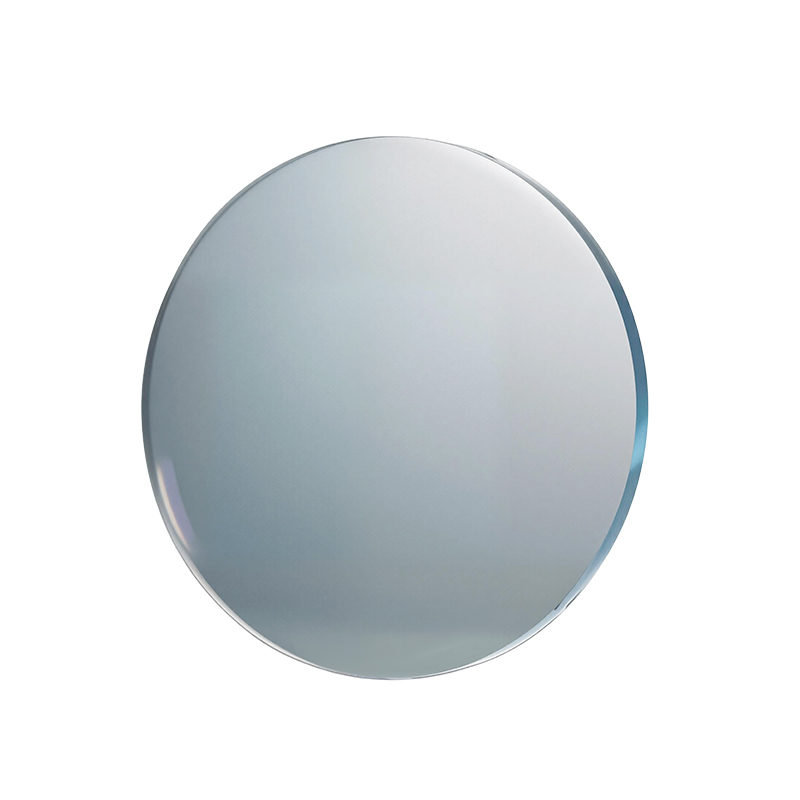
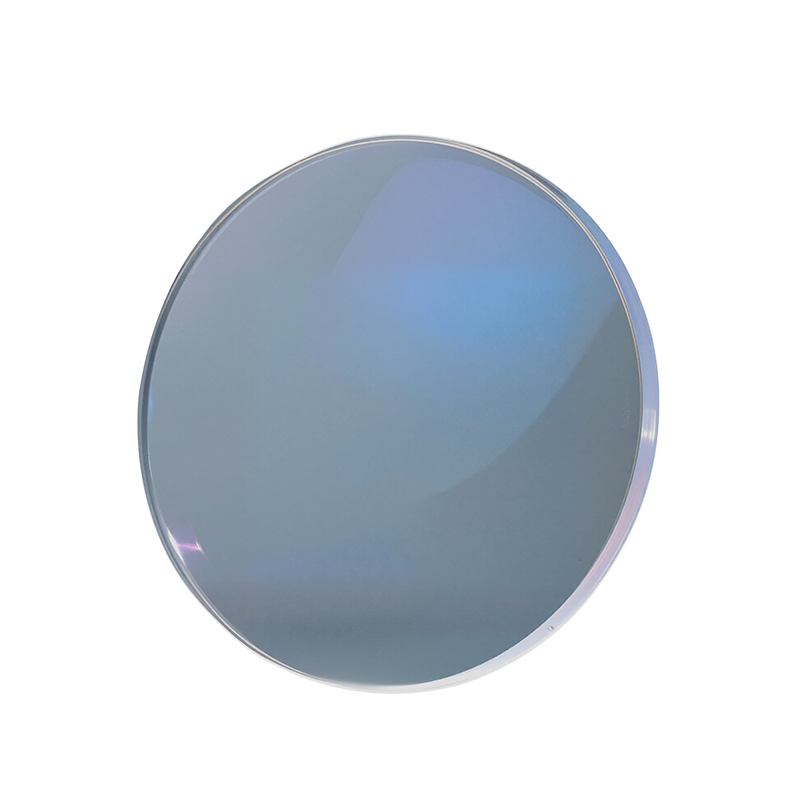
Adaptive eye protection represents a fundamental shift in how optical safety and visual performance are engineered together. Rather than forcing the wearer to choose between maximum protection and adequate vision in changing conditions, adaptive systems respond dynamically to the environment -- adjusting lens tint, filtering specific wavelengths, managing glare, and in the most advanced implementations providing augmented visual data -- all in real time. From industrial welding and high-altitude outdoor work to precision surgery and military operations, adaptive eye protection is redefining what protective eyewear is capable of delivering simultaneously.
The Limits of Static Eye Protection and the Case for Adaptation
Conventional eye protection operates on a fixed-parameter model: a lens is chosen with a specific tint, shade number, or filter category and worn throughout an exposure period regardless of how the hazard environment changes. This model is adequate when the threat is constant and predictable -- a fixed-shade welding lens for a single amperage process, a UV-blocking sunglass for consistent outdoor light. In practice, however, most working and recreational environments are neither constant nor predictable.
An outdoor worker moves repeatedly between direct sunlight and deep shadow over the course of a shift. A welder alternates between striking arcs at varying amperages and performing close inspection work in ambient light. A surgeon transitions from operating under intense surgical lights to examining tissue under magnification in different lighting conditions. A motorcyclist passes from tunnel darkness to bright midday glare within seconds. In every case, static eye protection forces a compromise: either accept reduced visual performance during parts of the task, or accept reduced protection during others. Adaptive eye protection eliminates this compromise by making the lens itself responsive to the conditions it encounters.
Core Technologies Enabling Lens Adaptation
Photochromic Technology
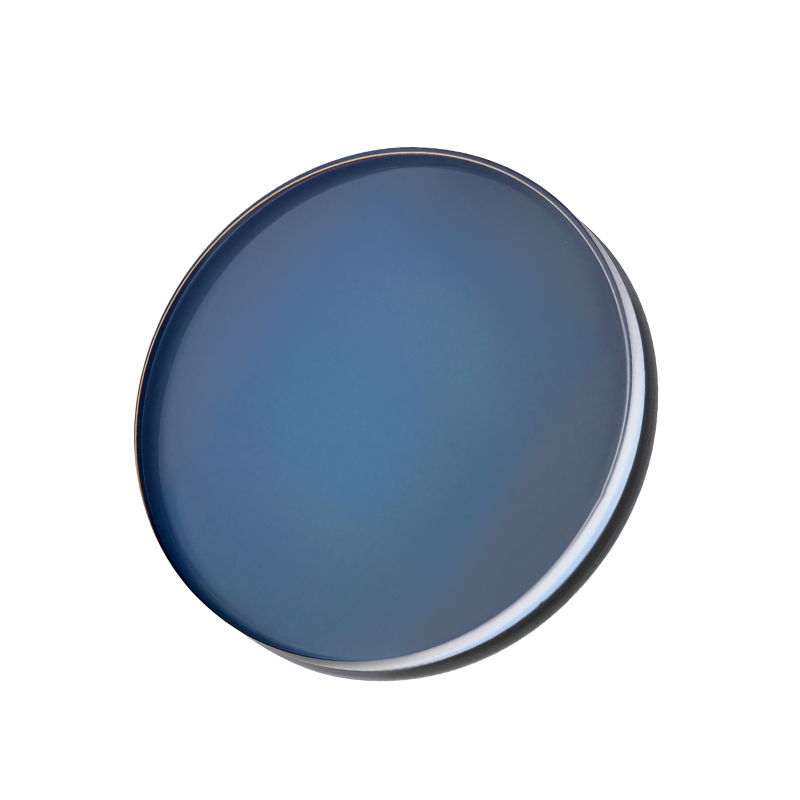
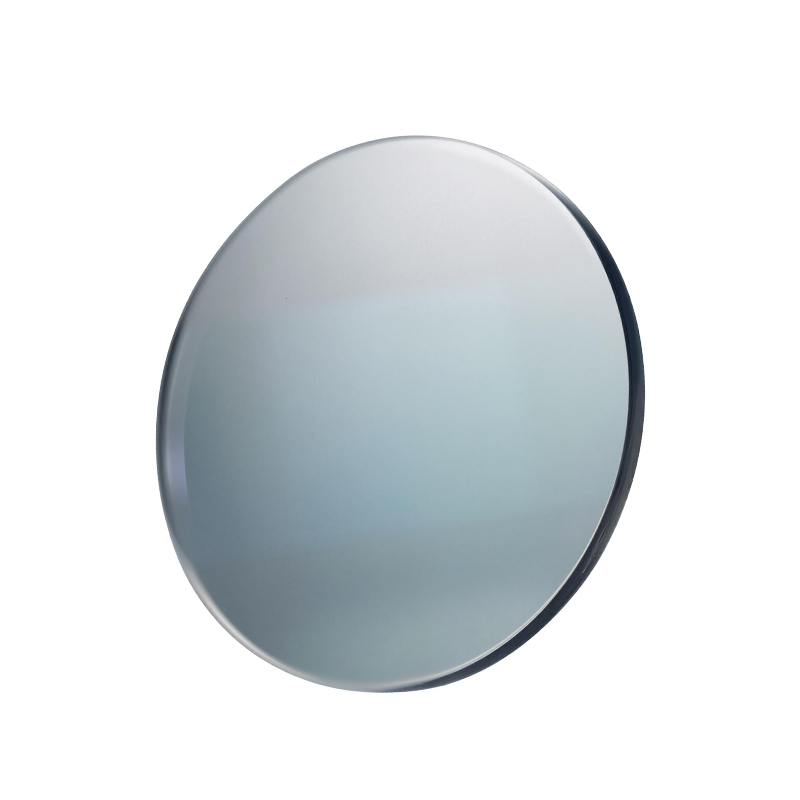
Photochromic lenses contain molecular compounds -- typically silver halides in glass or organic dye molecules in plastic -- that undergo a reversible chemical reaction when exposed to ultraviolet radiation, causing the lens to darken. When UV exposure decreases, the reaction reverses and the lens returns to its clear or lightly tinted base state. This self-regulating response to ambient UV level is the most widely distributed form of adaptive eye protection in both consumer and occupational applications.
Modern photochromic systems have evolved significantly from early glass-based versions. Organic photochromic dyes embedded in polycarbonate and Trivex lens materials achieve faster switching speeds, broader shade range, and better performance at elevated temperatures -- a limitation of early generations that darkened slowly in warm conditions. Proprietary photochromic platforms such as Transitions XTRActive and Photofusion X respond to both UV and visible light wavelengths, enabling meaningful darkening behind car windshields and in other environments where UV is filtered but visible light intensity remains high. For occupational use, photochromic safety lenses meeting ANSI Z87.1 and EN 166 standards in their darkened state provide a passive adaptive solution suitable for general outdoor and variable-light industrial environments.
Electrochromic and Liquid Crystal Systems
Electrochromic lenses change their optical density in response to an applied electrical voltage rather than to light exposure. This distinction has significant practical consequences: the transition is controllable by the wearer or by an automatic sensor system, the speed of transition is independent of temperature, and the lens can be locked at any intermediate shade value rather than settling at whatever shade photochemistry dictates at a given UV level.
In electrochromic systems, a thin film of electrochromic material -- typically tungsten oxide or a conducting polymer -- is sandwiched between transparent conducting layers. When voltage is applied, ions migrate within the electrochromic layer, changing its optical absorption spectrum. Modern electrochromic lens systems achieve switching times of 1 to 10 seconds across their full shade range, with power consumption low enough for operation from small rechargeable batteries integrated into the eyewear frame. They are used in high-performance ski goggles, cycling eyewear, and emerging military and aviation head-mounted displays where the wearer needs manual or automated control over lens shade independent of ambient UV.
Liquid crystal-based adaptive lenses use electrically controlled alignment of liquid crystal molecules to vary the amount of light passing through a polarizing filter stack. When voltage is off, liquid crystals are randomly oriented and the lens is dark. When voltage is applied, alignment allows maximum light transmission. This architecture is the basis of auto-darkening welding lens technology, where the speed requirement -- response within milliseconds of arc strike -- demands electrical control rather than photochemical response.
Auto-Darkening Welding Lenses
Auto-darkening welding helmets represent the most technically demanding and most widely adopted form of adaptive eye protection in industrial settings. The core challenge is extreme: the welding arc produces radiant energy intensities that can permanently damage the retina in milliseconds, yet the welder needs clear vision between arc strikes to position the electrode, inspect the weld pool, and adjust technique. A fixed shade lens dark enough to protect during arc exposure makes inter-arc visibility so poor that productivity and weld quality suffer. An auto-darkening lens solves this by sitting in its clear or lightly shaded rest state during inter-arc periods and switching to the protective shade within 0.1 milliseconds of arc detection.
Arc detection uses photodiodes positioned around the lens perimeter that respond to the UV and visible radiation signature of a striking arc. When the photodiode signal crosses a threshold corresponding to arc ignition, the control electronics apply voltage to the liquid crystal layer, aligning the molecules to block transmission to the specified protection shade -- typically DIN 9 through DIN 13 depending on the welding process and amperage. The shade number is programmable by the welder to match the specific process. Premium auto-darkening systems allow independent shade settings for the dark state, sensitivity threshold adjustment for low-amperage processes, and delay time adjustment that keeps the lens dark for a programmable period after arc extinction to protect against the intense post-arc thermal glow.
Spectrally Selective and Notch Filter Lenses
Not all adaptive eye protection functions by changing optical density uniformly across wavelengths. Spectrally selective lens systems target specific wavelength bands for filtering while maintaining high transmission at others, enabling them to block hazardous radiation precisely without imposing the visual performance penalty of broad-spectrum attenuation.
Laser safety eyewear uses optical notch filters engineered to block the specific wavelength of the laser in use -- 1064 nm for Nd:YAG, 10,600 nm for CO2, 532 nm for frequency-doubled systems -- with optical densities of 5 to 7 or higher at the hazard wavelength while maintaining adequate visible light transmission for the work task. The challenge of laser safety eyewear is that it must be matched precisely to the laser source; eyewear optimized for one wavelength provides no protection against another. Adaptive laser safety systems with tunable notch filters that can be adjusted to match different laser wavelengths are an active area of development for multi-laser laboratory and manufacturing environments.
Blue light filtering lenses for digital screen environments selectively attenuate the 400 to 450 nm wavelength band that is most implicated in photochemical retinal stress from prolonged screen exposure and in disruption of circadian rhythm through melatonin suppression. These are a form of spectrally adaptive eye protection calibrated to the specific spectral hazard profile of LED-backlit displays rather than to the broadband solar spectrum.
Standards and Classification Systems for Adaptive Lenses
Adaptive eye protection is subject to the same optical and mechanical standards as fixed-parameter safety eyewear, with additional requirements specific to the performance of the adaptive mechanism itself. Understanding the relevant standards is essential for specifying appropriate protection for occupational and recreational applications.
ANSI Z87.1 and the U.S. Framework
The American National Standards Institute ANSI Z87.1 standard governs the performance requirements for occupational eye and face protection in the United States. For adaptive lenses, the standard requires that the lens meet its protective rating in both the light and dark states -- a photochromic lens must provide adequate UV and impact protection whether clear or darkened. Variable shade welding lenses are additionally required to meet ANSI Z87.1 auto-darkening filter requirements, which specify maximum switching time (1 millisecond for reaction to arc initiation), minimum darkness in the protective state, and battery or solar power backup requirements to ensure the lens defaults to a protective state in the event of power failure.
EN 169, EN 379, and European Standards
European standards for eye protection are organized by hazard type. EN 169 covers welding filters and specifies the shade numbers required for different welding processes and currents. EN 379 is the specific standard for automatic welding filters -- the equivalent of auto-darkening lenses in the European framework -- defining requirements for switching speed, shade range, optical quality class, UV and infrared protection, and luminous transmittance in the light and dark states. The EN 379 marking on a welding helmet includes coded information about the light shade, dark shade, optical class, diffusion of light class, variation in luminous transmittance class, and angular dependence class, enabling informed comparison between products.
ISO 4007 and International Frameworks
ISO 4007 provides the international vocabulary and classification framework for personal eye protection, including definitions for filter lenses, protective lenses, and eye protector types. International harmonization between U.S. and European standards for adaptive eye protection has improved but is not complete; products designed for one market may need additional testing for compliance in the other. For global industrial operations, procurement specifications should identify the specific standard applicable in each deployment jurisdiction.
| Technology | Response Mechanism | Switching Speed | Control Mode | Primary Application |
|---|---|---|---|---|
| Photochromic | UV-triggered photochemistry | 15-60 seconds | Automatic / passive | Outdoor occupational, general use |
| Electrochromic | Voltage-driven ion migration | 1-10 seconds | Sensor-auto or manual | Sports, aviation, military |
| Liquid Crystal (ADF) | Voltage-aligned LC polarization | 0.1-1 millisecond | Photodiode-triggered auto | Welding and arc processes |
| Photochromic + Polarized | UV photochemistry plus static polarization | 15-45 seconds | Automatic / passive | Driving, water sports |
| Spectrally Selective Notch | Fixed thin-film interference | Instantaneous | Passive (wavelength-specific) | Laser safety, screen environments |
| Tunable Liquid Crystal | Variable voltage LC alignment | 50-200 milliseconds | Sensor-auto or app-controlled | Smart eyewear, AR integration |
Adaptive Eye Protection in Occupational Safety
Welding and Metal Fabrication
Auto-darkening welding helmets are the canonical industrial application of adaptive eye protection, and their adoption has transformed safety culture and productivity in metal fabrication. Before auto-darkening technology was available, welders either nodded the helmet down before striking each arc -- a technique that introduces arc positioning error and repetitive strain -- or used fixed shade lenses that required constantly lifting and lowering the helmet between welds. Auto-darkening helmets eliminate both problems: the welder can position the electrode with full visibility, strike the arc, and have the lens protect the eyes within the first milliseconds of arc radiation without any manual adjustment.
Modern welding helmets extend the adaptive concept beyond simple shade control. Grinding mode holds the lens in a clear protective state during angle grinder use without triggering the arc-detection darkening response. True-color technology adjusts the spectral response of the liquid crystal stack to provide more accurate color rendering in the darkened state, enabling better weld pool observation and color temperature judgment during multi-pass welding. Some premium systems include integrated sensors that detect the type of welding process -- MIG, TIG, stick, plasma -- and automatically select the appropriate shade setting and sensitivity threshold.
Construction, Utilities, and Outdoor Trades
Workers in construction, electrical utilities, roofing, and landscaping face highly variable light environments across a working shift: full direct sunlight on exposed elevated surfaces, shadow under structures, artificial lighting in confined spaces, and the brief intense exposure of electrical arc flash in utility work. Photochromic safety lenses meeting impact protection standards provide a passive adaptive solution for variable ambient light, eliminating the need to change eyewear between different areas of the work site. Arc flash protection requires dedicated flash-protective eyewear rated to the appropriate incident energy level, but within the range of tasks that do not involve arc flash exposure, photochromic safety lenses improve both compliance and visual performance by remaining comfortable across the full range of lighting conditions encountered.
Healthcare and Surgical Environments
Operating theatres present a distinctive adaptive eye protection challenge. Surgeons work under intense surgical illumination that must be highly controlled for color accuracy, while simultaneously needing protection from laser systems used for tissue ablation, cutting, and coagulation, and from the splash and spatter of biological fluids. Surgical loupes with integrated light-adaptive coatings that manage glare from the surgical light field without distorting the color rendering needed for tissue assessment are an emerging development. Laser protection eyewear in surgical settings must meet optical density requirements at the specific surgical laser wavelength while maintaining the clarity and color fidelity that surgical judgment demands -- a challenge that spectrally selective narrow-band filter technology addresses more effectively than broad-spectrum tinted lenses.
Military and Defense Applications
Military eye protection requirements are among the most demanding in any field. Personnel must be protected from ballistic fragments, laser dazzle and blinding weapons, flash-bang explosive events, UV exposure in high-altitude and desert environments, and the full range of optical hazards associated with weapon system operation -- while maintaining the visual acuity needed for target identification, navigation, and equipment operation under all lighting conditions from bright desert sunlight to night-vision-augmented darkness.
Military adaptive eyewear programs have driven significant advances in fast-switching electrochromic and liquid crystal lens technology, multi-spectral laser protection, and the integration of adaptive optical elements with ballistic-rated frame and lens systems. Helmet-integrated visor systems used in armored vehicle crews and aviation personnel combine ballistic protection, NBC (nuclear, biological, chemical) seal capability, heads-up display integration, and adaptive shade control in a single integrated system that would have been impossible to engineer without the miniaturization and power efficiency advances of the past decade.
Laser Dazzle and the Adaptive Protection Response
Laser dazzle weapons and inadvertent laser exposure from range finders and target designators represent an asymmetric threat to personnel in tactical environments. Fixed optical density laser protection eyewear provides passive protection but imposes a constant visual performance penalty. Adaptive laser protection systems under development use photodetector arrays to detect laser pulse signatures and trigger ultra-fast electrochromic or liquid crystal responses that locally darken only the area of the lens struck by the laser beam within microseconds of detection -- protecting against dazzle without degrading visual performance during the periods between exposure events.
Sports and Recreational Adaptive Eye Protection
Alpine and Snow Sports
Snow environments impose extreme optical challenges: high-altitude UV intensification, reflective snow surface doubling effective UV exposure, variable cloud cover that shifts ambient light levels rapidly, and the visibility demands of terrain reading at speed. Ski goggle lens technology has evolved from fixed tint options toward electrochromic systems that allow the athlete to adjust lens shade in response to changing weather conditions, and toward photochromic formulations optimized for the wide temperature range and high UV intensities of alpine environments. Premium goggle systems with electrochromic lenses controlled by a wired switch on the goggle frame or a wireless remote on the glove allow a skier or snowboarder to darken the lens in bright open terrain and clear it in tree runs or flat-light conditions without removing the goggle.
Cycling and High-Speed Sports
Cycling presents a particularly demanding case for adaptive eye protection because the visual environment changes rapidly as terrain, vegetation, and built structures alter shadow patterns, while speed amplifies the consequence of impaired vision. Road cyclists moving from open sunlit roads into forested descents or tunnels experience light level changes of several orders of magnitude within seconds. Fixed-tint lenses that protect adequately in full sun create dangerous visibility reduction in shade or tunnel conditions. Photochromic cycling lenses designed for rapid transition speeds and optimized for the angle of incidence typical in cycling -- lower than the near-vertical angle of normal outdoor activity -- address this by darkening and clearing more quickly than standard photochromic consumer lenses.
Electrochromic cycling glasses with auto-sensing modes that measure ambient light and adjust lens shade continuously are increasingly available at the performance consumer level. These systems use a miniature light sensor embedded in the frame to drive automatic shade adjustment, with manual override available through a touch sensor on the temple arm. The result is a lens that tracks ambient conditions continuously, maintaining optimal contrast and protection without conscious management by the athlete during a race or training ride.
Shooting and Tactical Sports
Competitive shooting and tactical sports require eye protection that manages ballistic fragment risk while optimizing contrast for target acquisition under a range of lighting conditions. Lens tint selection in shooting eyewear is traditionally environment-specific: yellow or amber lenses for low-light and overcast conditions to enhance contrast, gray or smoke tints for bright sun, vermilion or orange for clay target sports on variable sky backgrounds. Adaptive tint technology that responds to ambient light eliminates the need to carry multiple lens sets and swap them between stages or changing weather, keeping the shooter's attention on the task rather than on equipment management.
The Emerging Frontier: Smart and Connected Adaptive Eyewear
Sensor Integration and Environmental Awareness
Next-generation adaptive eye protection systems are moving beyond single-parameter lens adaptation to integrate multiple sensor streams that create a comprehensive picture of the wearer's visual environment. UV sensors, ambient light sensors, proximity sensors, and in occupational systems, hazard-specific sensors for arc radiation, laser pulse detection, or airborne particulate presence combine to drive adaptive responses that address multiple simultaneous visual hazards rather than just one. The control electronics managing these sensor inputs are shrinking to the point where they can be integrated into standard-sized safety eyewear frames without significant weight or ergonomic penalty.
Augmented Reality Integration
The convergence of adaptive lens technology with augmented reality display systems is creating a new category of industrial head-mounted device that simultaneously provides optical hazard protection and delivers task-relevant information to the wearer's visual field. Welding helmets with integrated AR displays that overlay weld parameter data, joint geometry guides, and quality inspection criteria on the welder's view of the work piece are in active commercial deployment. Industrial maintenance eyewear systems that identify equipment components, display maintenance procedure steps, and log completed actions through the same lens system that provides impact and UV protection represent a further development of this integration.
The adaptive dimension of these systems extends to the display itself: projected information is visible only when ambient light conditions are appropriate, display brightness adapts to lens shade state so that information remains legible at all shade levels, and the protective function of the lens is never compromised by the display operation. Managing the optical design challenge of combining a protective filter, an adaptive shade mechanism, and a display waveguide in a single lightweight lens assembly is the primary engineering challenge driving innovation in this space.
Biometric Feedback and Personalized Adaptation
Research programs in occupational health and human factors engineering are exploring adaptive eye protection systems that respond not only to the external optical environment but to the physiological state of the wearer. Eye-tracking systems embedded in safety eyewear can detect signs of visual fatigue -- reduced blink rate, longer fixation durations, declining saccade velocity -- and trigger lens adjustments that reduce the stimulus causing fatigue, increase blue light filtering during high-cognitive-demand tasks, or alert the wearer and supervisor to a fatigue condition that elevates accident risk.
Pupil response monitoring can indicate whether the wearer's eyes are adapting normally to rapid light level changes or whether the adaptation is lagging in ways that create vulnerability during transition periods. Wearers with conditions affecting pupil reactivity -- including medication effects, certain neurological conditions, and natural aging-related changes in adaptation speed -- may benefit from adaptive lens systems that compensate for the shortfall in physiological adaptation with faster and more aggressive lens adaptation responses.
Selecting Adaptive Eye Protection: A Decision Framework
Choosing the appropriate adaptive eye protection for a specific application requires systematic evaluation of the hazard environment, the visual performance demands of the task, the physical conditions of deployment, and the applicable regulatory standards.
- Identify all optical hazards present: Catalogue every optical hazard in the environment where the eyewear will be worn -- UV radiation, infrared, visible light glare, welding arc radiation, specific laser wavelengths, impact risks. The adaptive mechanism selected must address all relevant hazard categories, not just the most obvious one. A lens that adapts beautifully to ambient light but provides no impact protection is not suitable for industrial use.
- Define the visual performance requirements: Specify the minimum visual acuity, contrast sensitivity, and color discrimination needed for the tasks performed while wearing the eyewear. Adaptive systems that improve compliance by reducing discomfort in variable light conditions are only valuable if the adapted lens state still provides adequate visual performance for the specific task at hand.
- Assess the speed and range of environmental change: Match the switching speed of the adaptive technology to the pace of environmental change. Photochromic lenses are adequate for gradual light level changes over minutes; liquid crystal auto-darkening is essential when the transition from ambient to hazardous radiation occurs in milliseconds as in arc welding.
- Evaluate power dependency and failure modes: For electrically driven adaptive systems, confirm the failure mode behavior. Welding auto-darkening lenses must default to the protective dark state on battery failure, never to the clear state. Solar-powered systems with battery backup are the standard solution. For applications where reliable power cannot be guaranteed, consider whether a passive adaptive system provides adequate performance.
- Confirm standards compliance for the deployment jurisdiction: Verify that the selected eyewear carries the appropriate certification marks for the standards applicable in the country and industry sector of deployment -- ANSI Z87.1 in the United States, EN 166 and process-specific standards in Europe, CSA Z94.3 in Canada. For welding applications, confirm the EN 379 or ANSI Z87.1 auto-darkening filter rating and the shade range covers the amperage and process to be used.
- Consider integration with other PPE and workwear: Adaptive eyewear must be compatible with hard hats, hearing protection, respiratory masks, and other PPE worn simultaneously. Face shield integration, over-spectacle fit for prescription wearers, and compatibility with communication headsets all affect the practical usability of the selected system in real working conditions.
Maintenance, Care, and Performance Verification
Adaptive eye protection requires maintenance practices that address both the physical condition of the lens and the continued functional performance of the adaptive mechanism. A scratched or contaminated photochromic lens may still darken, but its impact resistance and optical quality are compromised. An auto-darkening welding lens with deteriorating photodiode sensitivity may switch to the protective shade after a delay that, while imperceptible to the wearer, is long enough to allow retinal exposure at arc initiation.
Auto-darkening welding lenses should be tested for switching performance at the start of each shift and after any impact event by exposing the arc-detection photodiodes to a bright light source -- a welding lighter spark or dedicated test device -- and verifying that the lens transitions to the dark state within the specified response time. Lenses that fail this test should be removed from service immediately regardless of their visual appearance, as photodiode degradation is not visible and the consequence of failure during arc exposure is severe.
Photochromic lenses should be assessed periodically for darkening performance by comparing the darkened shade achieved after ultraviolet exposure against the original specification. Photochromic performance degrades with UV exposure history and temperature cycling, and lenses that no longer achieve the specified minimum shade number in the dark state provide less protection than the user assumes. Most photochromic safety lens manufacturers specify a service life after which the lenses should be replaced regardless of physical condition.
The Role of Adaptive Eye Protection in Vision Health Programs
Occupational vision health programs increasingly recognize adaptive eye protection as a component of the broader strategy for preserving workforce visual capacity over working careers. Cumulative UV exposure from years of outdoor work is a significant risk factor for cataracts, pterygium, and age-related macular degeneration. Cumulative blue light exposure from digital work environments is implicated in accelerated photoreceptor stress. The case for adaptive eye protection in these contexts is preventive: reducing the cumulative photochemical insult to the lens and retina over years of exposure reduces the risk of conditions that develop slowly and become apparent only after the damage is already substantial and largely irreversible.
Pre-placement vision assessments that measure baseline photopic and mesopic visual acuity, contrast sensitivity, and glare recovery time, combined with periodic reassessment over the working career, provide the data framework needed to identify workers whose visual adaptation capacity is declining and who would most benefit from more aggressive adaptive lens protection. Integrating adaptive eyewear specification with occupational vision health data -- including the results of periodic eye examinations by occupational optometrists -- enables a personalized approach to eye protection that matches the protection provided to the individual's actual visual adaptation performance rather than to a population-average assumption.
Regulatory Trends and the Future of Adaptive Eye Protection Standards
Standards bodies in both the United States and Europe are actively reviewing eye protection standards to address the rapid technology evolution in adaptive and smart eyewear. Current standards were developed primarily for passive and first-generation active adaptive systems, and do not fully address the performance verification requirements for biometric-responsive systems, AR-integrated eyewear, or multi-hazard adaptive platforms. Working groups under ANSI Z87 and CEN TC 85 are developing test methods and performance criteria for these emerging categories that will provide manufacturers with a compliance framework and purchasers with validated performance benchmarks.
Purchasers specifying adaptive eye protection for regulated industries should monitor the status of relevant standards revisions, as products certified under current standards may or may not meet forthcoming updated requirements. Engaging with the standards development process through industry associations and standards body participation provides advance insight into emerging requirements and the opportunity to shape standards that reflect real-world performance needs.
The trajectory of adaptive eye protection development points toward systems that are simultaneously more protective, more visually enabling, and more personalized than anything available in previous generations of eyewear. The convergence of advanced optical materials, miniaturized electronics, sensor technology, and data connectivity is creating protective eyewear that actively optimizes visual performance and safety response rather than passively limiting hazard transmission. For both individual wearers and the organizations responsible for their safety, adaptive eye protection represents not an incremental improvement over fixed-parameter solutions but a fundamentally different category of protective technology -- one whose capabilities will continue to expand rapidly as the underlying enabling technologies mature.