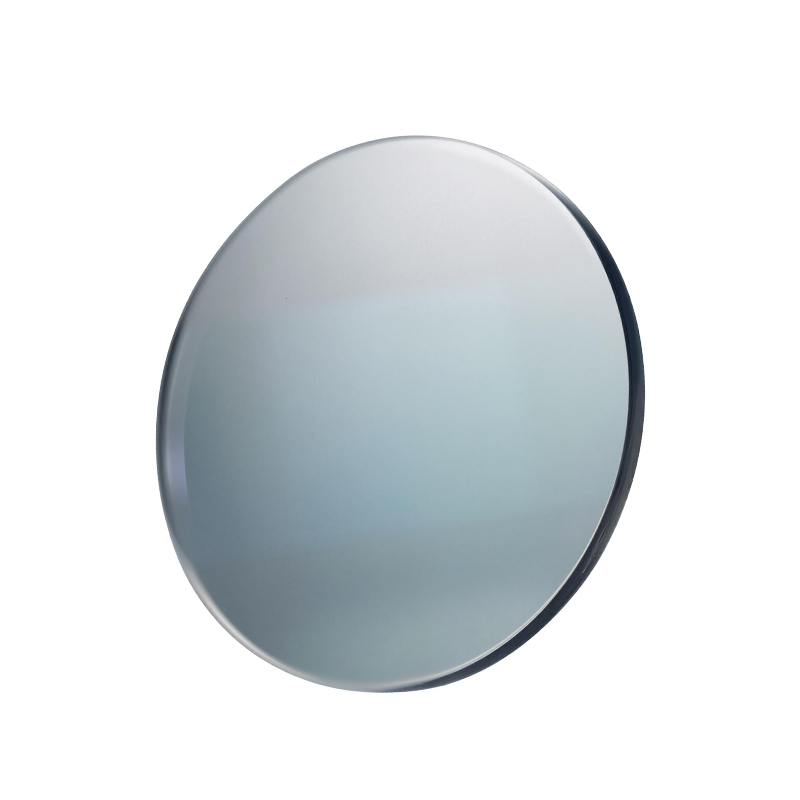
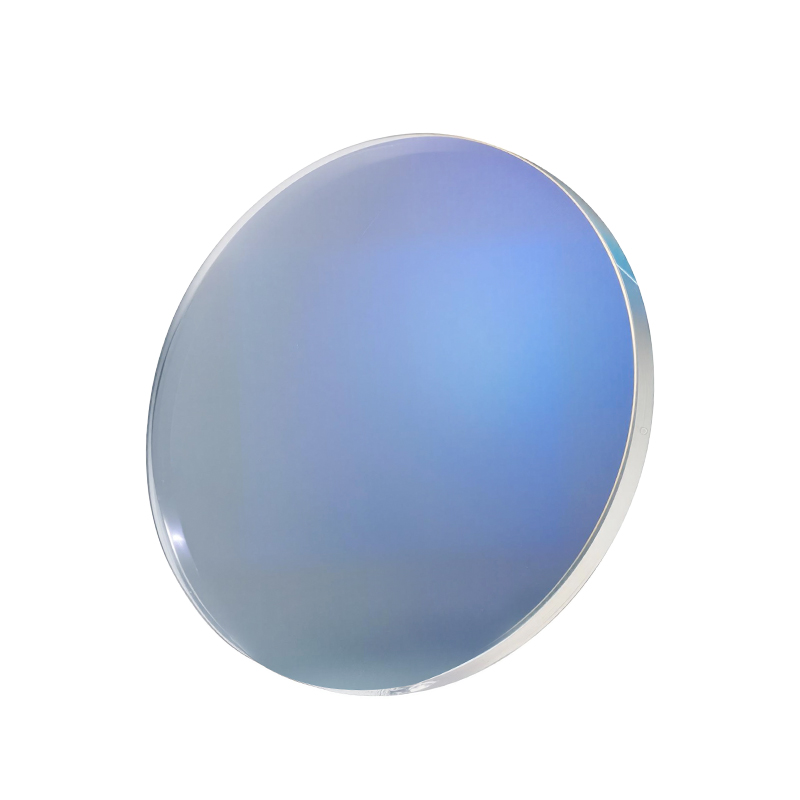
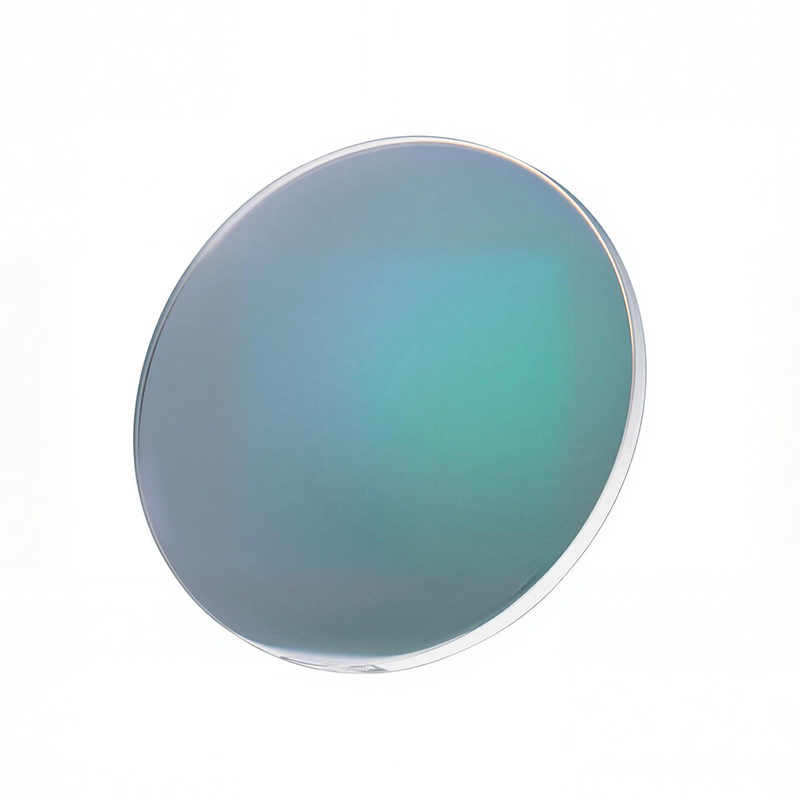
1. Core Product Parameters
High Refractive Index and Lightweight & Thin Features
This lens boasts a high refractive index of 1.67, which ranks at a relatively high level in the refractive index system of resin lenses. Compared with lenses with lower refractive indices (such as 1.50 and 1.56), when correcting the same diopter, the 1.67 refractive index lens is significantly thinner and lighter. Taking 600-degree myopia as an example, the edge thickness of the 1.67 refractive index lens can be approximately 30%-40% thinner than that of the 1.56 refractive index lens. This is extremely friendly for people with moderate to high myopia (400 degrees or above) or hyperopia—it can significantly reduce the overall weight of the glasses, ease the pressure on the bridge of the nose and ears, and greatly improve wearing comfort. At the same time, it effectively improves the appearance issue caused by overly thick lens edges, making the glasses more aesthetic and exquisite.
2. Abbe Number and Dispersion Control
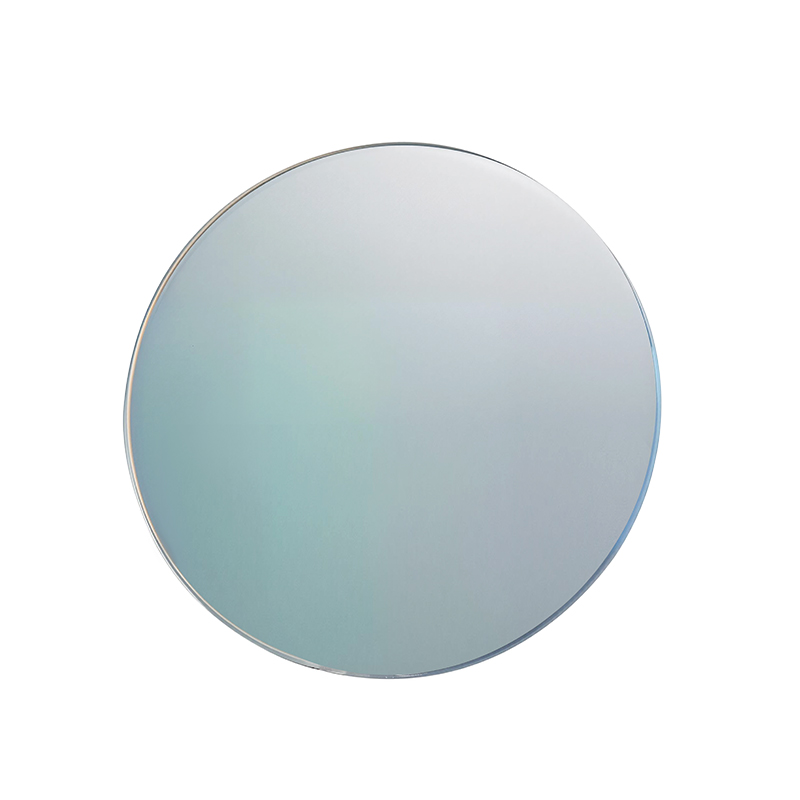
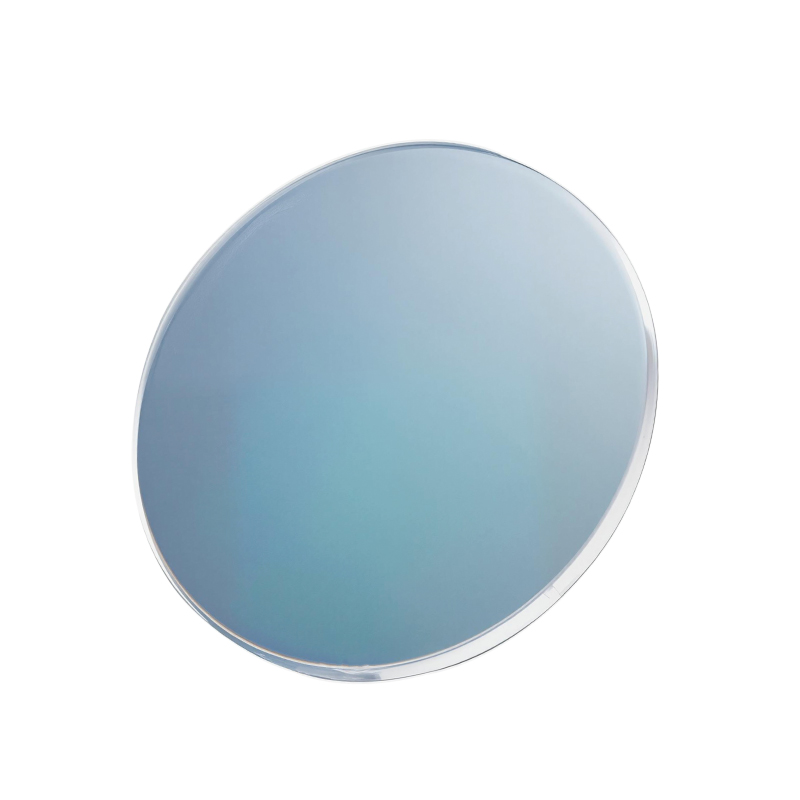
The Abbe number is approximately 31. The Abbe number is used to measure the degree of lens dispersion; the higher the value, the smaller the dispersion. Although the Abbe number of the 1.67 ASP Green Coating lens is not particularly high, it can still provide wearers with clear and natural visual effects in various daily visual scenarios, such as reading, watching TV, driving, and performing fine manual work. By effectively reducing phenomena like blurred color edges and rainbow light spots caused by dispersion, it alleviates eye fatigue and keeps the eyes comfortable at all times.
3. Material Characteristics
It generally adopts MR-7 resin material, with a specific gravity of approximately 1.35. This material has excellent impact resistance—compared with traditional CR-39 resin material, it is less likely to break when subjected to external impact, providing reliable safety protection for the wearer’s eyes. It is especially suitable for people with high activity levels who are prone to glasses collisions, such as athletes, students, and those who often engage in outdoor activities. Meanwhile, the MR-7 material has good processing performance, which can meet the requirements of various complex lens processing technologies and ensure the precise molding and adaptation of the lens.
4. Diameter Specifications
Common standard diameters include 65mm, 70mm, and 75mm, and customization is also available according to customers’ special needs. An appropriate lens diameter is crucial to ensuring that after the lens is installed in the frame, the wearer can obtain the optimal field of view and a comfortable, stable wearing experience. When selecting the lens diameter, factors such as the size and shape of the frame, as well as the wearer’s facial features, need to be comprehensively considered.

 English
 Français
 Español
 عربى
عربى 中文
中文