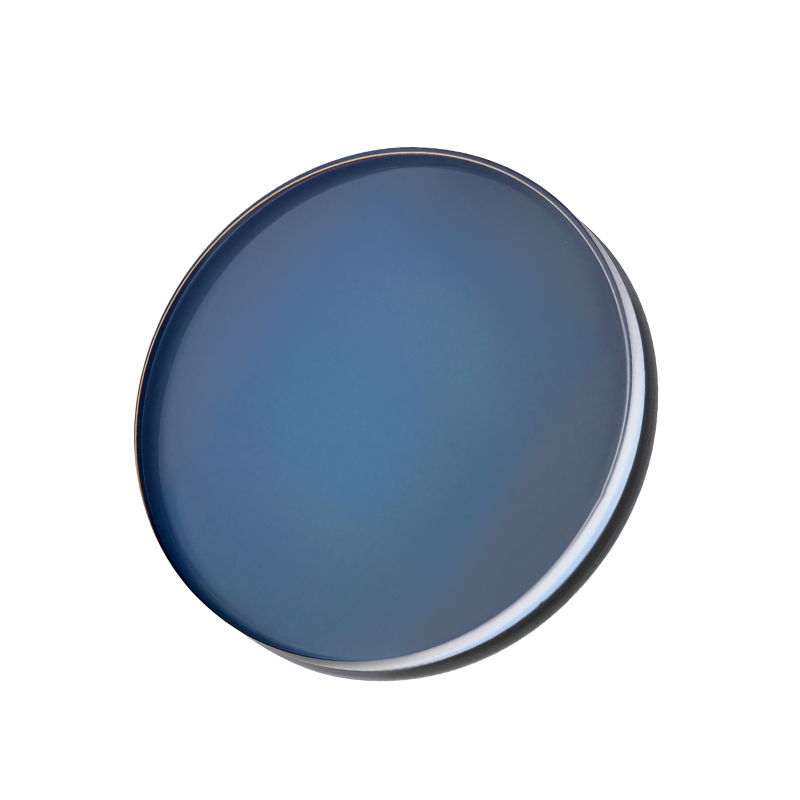
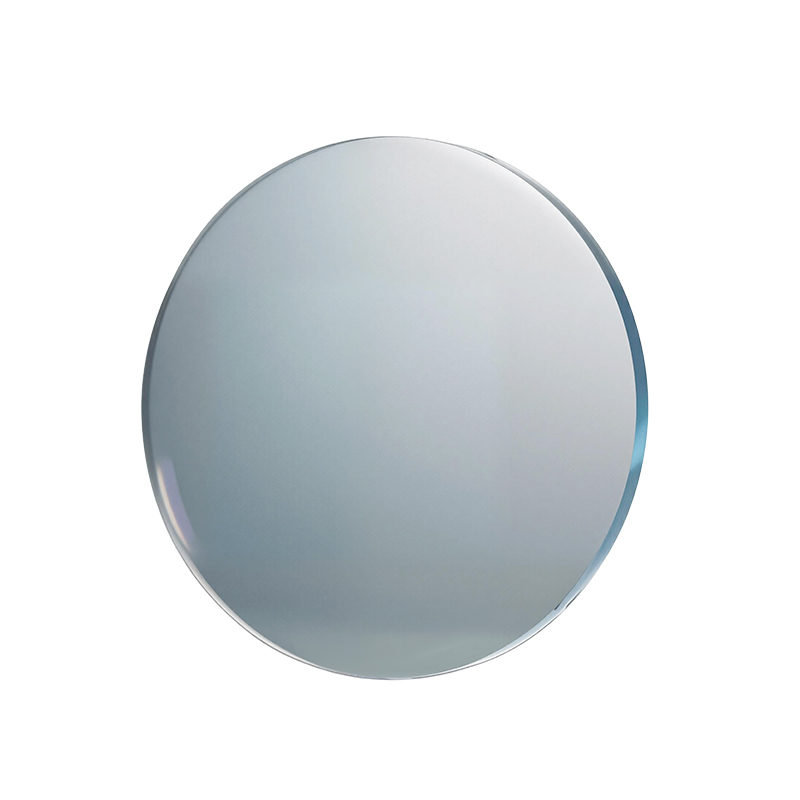
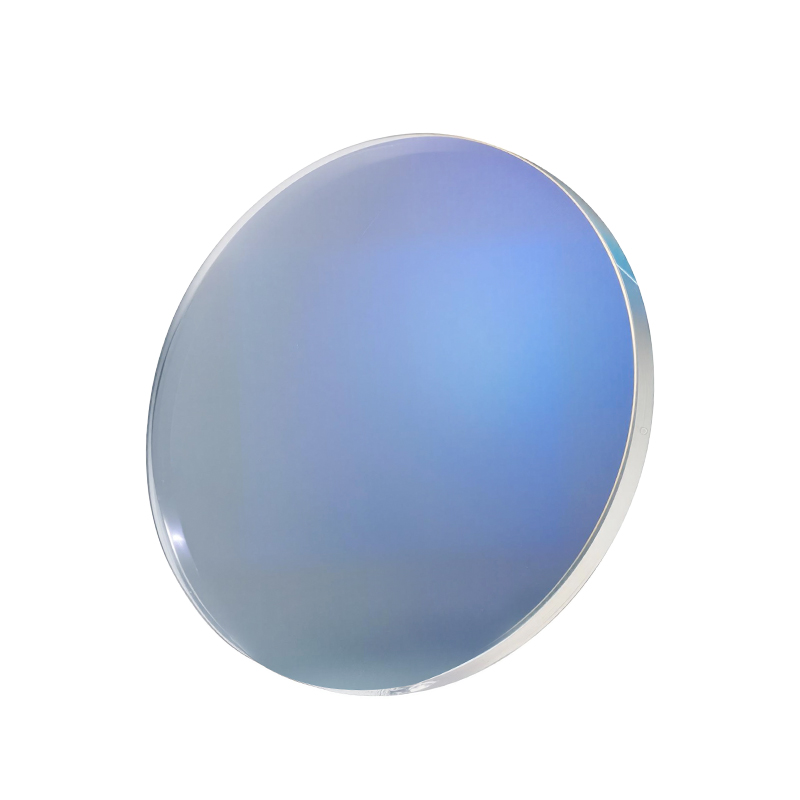
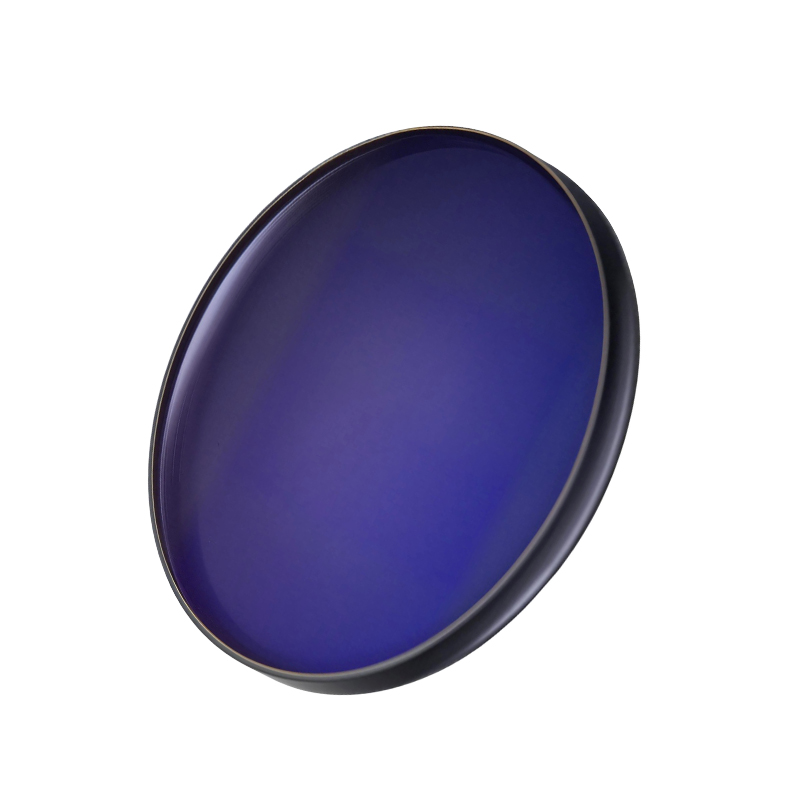
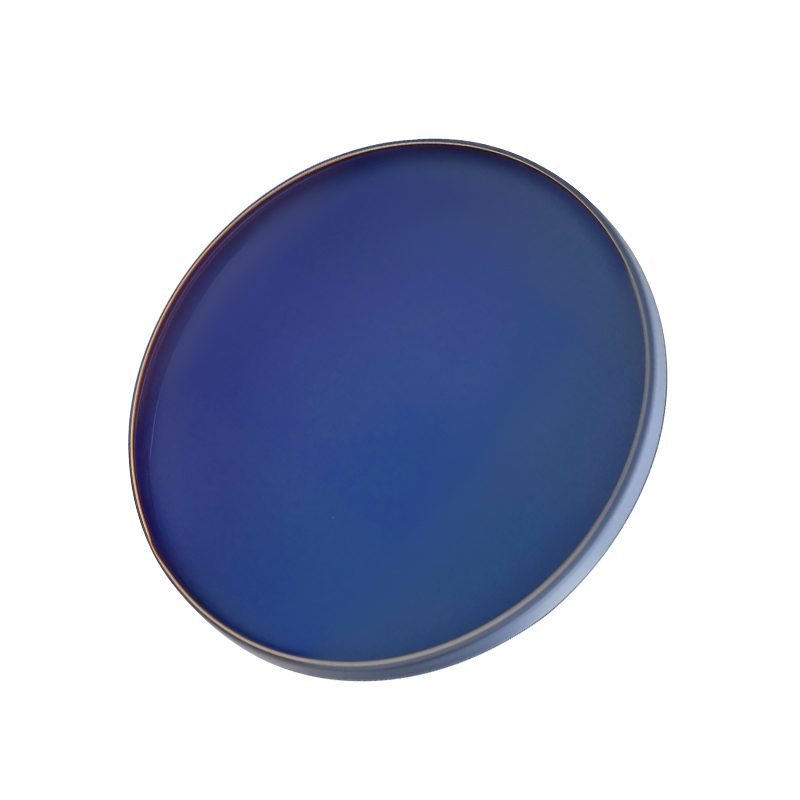
Screens have become an unavoidable part of daily life, whether for work, communication, entertainment, or study, and with that constant exposure comes growing attention to how the light emitted from digital devices affects our eyes and overall wellbeing. A high efficiency digital blue light blocking single vision lens has emerged as one of the most practical solutions for people spending significant hours in front of screens each day. This guide explores what these lenses are, the science behind blue light filtering, and how choosing the right eyewear connects to broader habits of eye health, sleep quality, and daily wellness.
A single vision lens is a type of corrective eyewear lens ground to a single, uniform prescription power across its entire surface, correcting for one specific type of vision need such as nearsightedness, farsightedness, or astigmatism. This distinguishes it from bifocal, trifocal, or progressive lenses, which contain multiple prescription zones designed to address different distances within a single lens.
The blue light blocking aspect refers to a specialized coating or lens material treatment designed to filter out a portion of the high energy visible blue light emitted by digital screens, LED lighting, and other modern light sources. High efficiency versions of these lenses are engineered to filter a meaningfully higher percentage of this specific light spectrum compared to basic blue light coatings, while maintaining clear, accurate color perception and minimizing any unwanted tint or visual distortion that lower quality coatings sometimes introduce.
Understanding Blue Light and Its Effects
Visible light exists across a spectrum of wavelengths, with blue light occupying the shorter wavelength, higher energy end of that spectrum. While blue light is naturally present in sunlight and plays an important role in regulating the body's natural circadian rhythm during daytime hours, digital screens and LED lighting emit a concentrated, artificial form of blue light that many people are exposed to for far longer hours than would occur through natural sunlight alone, particularly during evening hours when screen use often continues well past sunset.
This extended, often evening based exposure to artificial blue light has become a subject of considerable interest among eye care professionals and sleep researchers alike. While the science surrounding the exact degree of digital eye strain caused specifically by blue light continues to evolve, many people report tangible improvements in visual comfort, reduced eye fatigue, and easier evening wind down when using blue light filtering lenses during extended screen use.
Key insight: Blue light exposure during daytime hours can support alertness and healthy circadian rhythm function, but concentrated evening exposure from screens may interfere with the body's natural signal to begin winding down for sleep, making the timing and context of blue light exposure just as important as the total amount.
How High Efficiency Blue Light Filtering Technology Works
Lens Coating Application
Many blue light blocking lenses use a specialized coating applied to the front or back surface of the lens, engineered to reflect or absorb a specific range of high energy blue wavelengths while allowing the majority of the visible light spectrum to pass through normally.
Embedded Lens Material Filtering
Higher efficiency lenses sometimes incorporate blue light filtering directly into the lens material itself, rather than relying solely on a surface coating, which can offer more consistent, durable filtering performance over the lifespan of the lens.
Selective Wavelength Targeting
Advanced filtering technology targets the specific narrow band of blue light wavelengths most associated with digital eye strain and circadian disruption, while preserving the broader blue light spectrum needed for accurate color perception and general visual clarity.
Anti Reflective Integration
Many high efficiency blue light lenses combine blue light filtering with anti reflective coatings, reducing glare from screens and overhead lighting simultaneously, which further supports overall visual comfort during extended digital device use.
Comparing Blue Light Lens Quality Levels
| Lens Type |
Blue Light Filtering Level |
Typical Visual Impact |
| Basic surface coating |
Low to moderate filtering |
Minimal tint, modest filtering effect |
| Standard blue light lens |
Moderate filtering |
Slight tint, noticeable filtering benefit |
| High efficiency digital lens |
High, targeted filtering |
Minimal tint with strong filtering performance |
| Embedded material filtering |
High, consistent filtering |
Clear appearance with long term durability |
High efficiency digital lenses are specifically engineered to avoid the common tradeoff found in older blue light technology, where stronger filtering often introduced a noticeable yellow tint that distorted color perception. Modern high efficiency lenses aim to achieve strong filtering performance while maintaining natural, accurate color vision.
Who Benefits Most From Blue Light Blocking Single Vision Lenses
Office and Remote Workers
Individuals spending the majority of their workday looking at computer monitors are among the most common candidates for blue light filtering lenses, particularly given the extended, continuous nature of typical office screen exposure.
Students and Digital Learners
With educational content increasingly delivered through tablets, laptops, and digital textbooks, students often experience significant daily screen exposure that can benefit from blue light filtering support.
Frequent Evening Screen Users
People who regularly use phones, tablets, or laptops in the hours leading up to bedtime may find blue light filtering particularly helpful in supporting a smoother transition toward natural sleep readiness.
Individuals With Existing Eye Strain Symptoms
Those who already experience symptoms such as dry eyes, headaches, or blurred vision after extended screen use often report improved comfort when switching to high efficiency blue light lenses, particularly when combined with proper screen ergonomics.
Gamers and Content Creators
Extended, often uninterrupted screen sessions common among gamers and digital content creators make this group particularly likely to benefit from strong, consistent blue light filtering performance throughout long sessions.
Choosing the Right Lens for Your Needs
- Confirm your specific single vision prescription requirements with a comprehensive eye examination before selecting a lens type.
- Ask your eye care provider about the specific percentage of blue light filtered by different lens options, since filtering strength can vary considerably between products.
- Consider whether you prefer a completely clear lens appearance or are comfortable with a slight tint in exchange for potentially stronger filtering performance.
- Evaluate whether combining blue light filtering with anti reflective and anti scratch coatings would better suit your daily lens care and usage habits.
- Discuss your typical daily screen exposure patterns with your eye care provider, since heavier digital device users may benefit from higher efficiency filtering options.
Practical tip: If you primarily use screens during daytime hours in well lit environments, a lower intensity blue light filter may be sufficient, while frequent evening screen use may benefit from a higher efficiency filtering lens combined with reduced screen brightness settings after sunset.
Complementary Habits That Support Digital Eye Health
While a high efficiency blue light blocking lens offers meaningful support for digital eye comfort, it works best as part of a broader set of healthy screen use habits rather than as a standalone solution.
- Follow the widely recommended practice of looking away from screens every twenty minutes, focusing on something roughly twenty feet away for at least twenty seconds to reduce eye strain.
- Position screens at an appropriate distance and angle, generally at arm's length and slightly below eye level, to reduce unnecessary strain during extended use.
- Adjust screen brightness and contrast settings to match the ambient lighting of your environment, avoiding excessively bright screens in dim rooms.
- Enable built in device settings that reduce blue light emission during evening hours, complementing the filtering provided by your lenses.
- Maintain regular blinking during screen use, since extended focus on digital devices often reduces natural blink rate, contributing to dry eye discomfort.
- Schedule regular comprehensive eye examinations to monitor overall eye health and adjust your prescription and lens choices as needed over time.
The Wellness Dimension of Managing Digital Light Exposure
Eye health is often discussed in isolation from broader wellness conversations, yet the connection between how we manage light exposure throughout the day and our overall physical and mental wellbeing runs deeper than many people realize. Vision is one of the primary ways humans experience and process daily life, and prolonged discomfort or strain in this system can quietly affect mood, focus, and overall quality of life in ways that are easy to underestimate until addressed directly.
Supporting Healthy Sleep Patterns
The body's natural circadian rhythm relies heavily on light cues to regulate the sleep wake cycle, with exposure to bright, blue rich light in the evening potentially delaying the natural release of melatonin, the hormone responsible for promoting sleepiness. By reducing the intensity of blue light reaching the eyes during evening screen use, a high efficiency filtering lens may help support a more natural transition toward restful sleep, particularly for individuals who regularly use devices in the hours before bedtime.
Reducing Digital Eye Strain and Associated Discomfort
Many people experience a cluster of symptoms associated with extended screen use, including dry eyes, headaches, blurred vision, and general eye fatigue, sometimes referred to collectively as digital eye strain. While multiple factors contribute to this experience, including blink rate, screen distance, and lighting conditions, blue light filtering lenses are one component of a broader strategy to reduce this discomfort, supporting greater visual comfort throughout a long workday or study session.
Supporting Sustained Focus and Mental Clarity
Physical discomfort, including eye strain and fatigue, can quietly erode concentration and mental clarity over the course of a demanding day. When visual comfort is better supported through appropriate lens choices, many people find it easier to maintain focus during extended work or study sessions, since the underlying physical distraction of eye discomfort is reduced.
Encouraging Mindful Screen Use Habits
Choosing a specialized lens for digital device use often prompts individuals to become more aware of their overall screen habits, including total daily usage time and the timing of evening device use. This increased awareness can serve as a gentle entry point toward broader, more mindful habits around technology use, which many wellness practitioners associate with improved mental calm and reduced feelings of digital overwhelm.
Reduced Physical Tension From Squinting and Straining
Persistent eye strain often leads to secondary physical tension, including headaches and tightness in the forehead, temples, and neck as the body unconsciously compensates for visual discomfort. Supporting better visual comfort through appropriate lens choices can help reduce this cascading physical tension, contributing to a more relaxed overall physical state throughout the day.
Wellness is often built from attention to details that seem small in isolation, such as how we manage light exposure during a typical day. Thoughtful choices around digital eye care reflect this same principle, supporting comfort, focus, and healthier sleep patterns through consistent, practical habits.
Maintenance and Care for Blue Light Lenses
- Clean lenses regularly using a proper lens cleaning solution and a soft microfiber cloth, avoiding household glass cleaners that can degrade specialized coatings over time.
- Store glasses in a protective case when not in use to prevent scratches that could affect both vision clarity and coating performance.
- Avoid exposing lenses to extreme heat, such as leaving them in a hot vehicle, which can potentially affect coating adhesion over time.
- Schedule regular check ins with your eye care provider to monitor lens condition and overall prescription accuracy as your vision needs may change.
Common Mistakes to Avoid
Assuming All Blue Light Lenses Offer Equal Filtering
Filtering strength varies considerably between products, so it is important to ask specifically about the percentage of blue light filtered rather than assuming any lens marketed with this feature offers meaningful protection.
Relying Solely on Lenses Without Adjusting Screen Habits
Blue light lenses work best as part of a broader approach to digital eye health, including proper screen distance, regular breaks, and mindful evening device use, rather than as a standalone solution.
Choosing Based on Price Alone
Lower cost blue light coatings sometimes offer minimal actual filtering performance despite being marketed similarly to higher efficiency options, making it important to verify actual filtering specifications rather than assuming all products perform equally.
Neglecting Regular Eye Examinations
Even with blue light filtering lenses in place, regular comprehensive eye exams remain essential for monitoring overall eye health and ensuring your prescription remains accurate over time.
Frequently Asked Questions
Can blue light blocking lenses completely eliminate digital eye strain
No single solution eliminates digital eye strain entirely, since factors such as screen distance, lighting, and blink rate all contribute. Blue light lenses are one helpful component within a broader approach to digital eye comfort.
Do high efficiency blue light lenses affect color perception
Quality high efficiency lenses are specifically engineered to minimize color distortion while still achieving strong filtering performance, though very high filtering levels may introduce a subtle tint depending on the specific product.
Are these lenses helpful for children who use tablets for schoolwork
Many eye care providers recommend blue light filtering options for children with significant daily digital device use, though a comprehensive eye examination remains the best way to determine appropriate lens choices for a child's specific needs.
Can blue light lenses help improve sleep quality
Many users report easier evening wind down and improved sleep onset when using blue light filtering lenses during evening screen use, though individual results can vary and should be considered alongside other healthy sleep habits.
Final Thoughts
A high efficiency digital blue light blocking single vision lens offers a practical, evidence informed approach to supporting visual comfort in a world increasingly dominated by screens. By filtering a meaningful portion of high energy blue light while preserving clear, accurate vision, these lenses help reduce digital eye strain, support healthier evening wind down routines, and contribute to the sustained focus needed for demanding work and study sessions. When combined with mindful screen habits and regular eye care, this thoughtful choice in eyewear becomes a genuine part of a broader wellness routine, supporting not only the health of the eyes themselves but the quality of sleep, focus, and daily comfort that depend so heavily on how well we care for our vision in an increasingly digital world.

 English
 Français
 Español
 عربى
عربى 中文
中文