English
 Français
 Español
 عربى
عربى 中文
中文

Eyewear technology has advanced considerably over the past two decades, moving well beyond simple vision correction toward lenses that actively adapt to changing environments. The smart dynamic photochromic finished lens represents one of the more notable developments in this space, combining light responsive materials with precision manufacturing to create a lens that transitions smoothly between clear and tinted states depending on ambient UV exposure. This article provides a thorough examination of how these lenses work, the technology behind their dynamic response, their benefits for everyday wear, and what buyers should look for when selecting a pair suited to their needs.
What Is a Smart Dynamic Photochromic Finished Lens
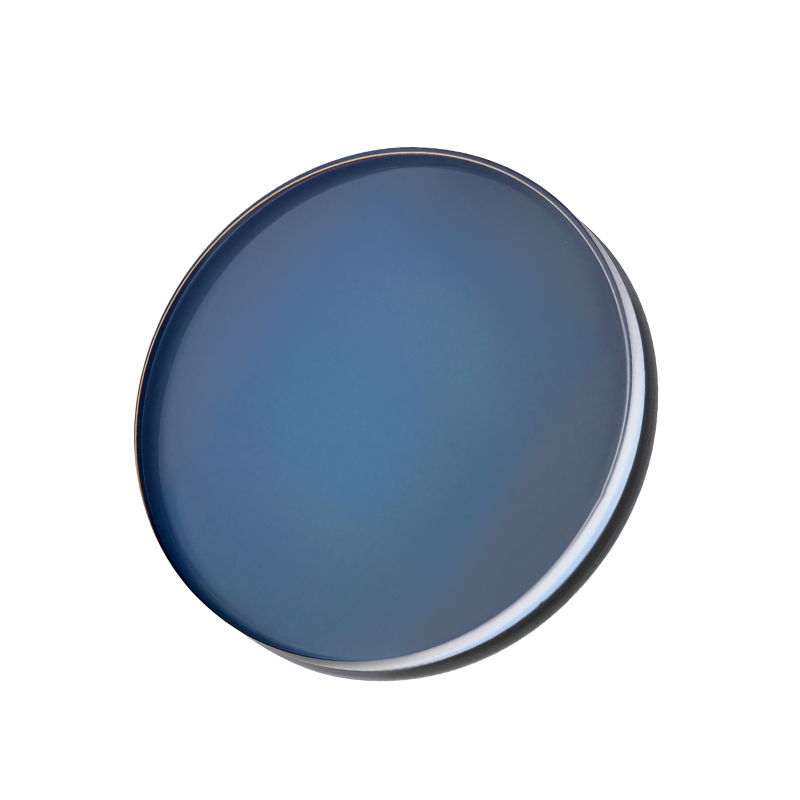
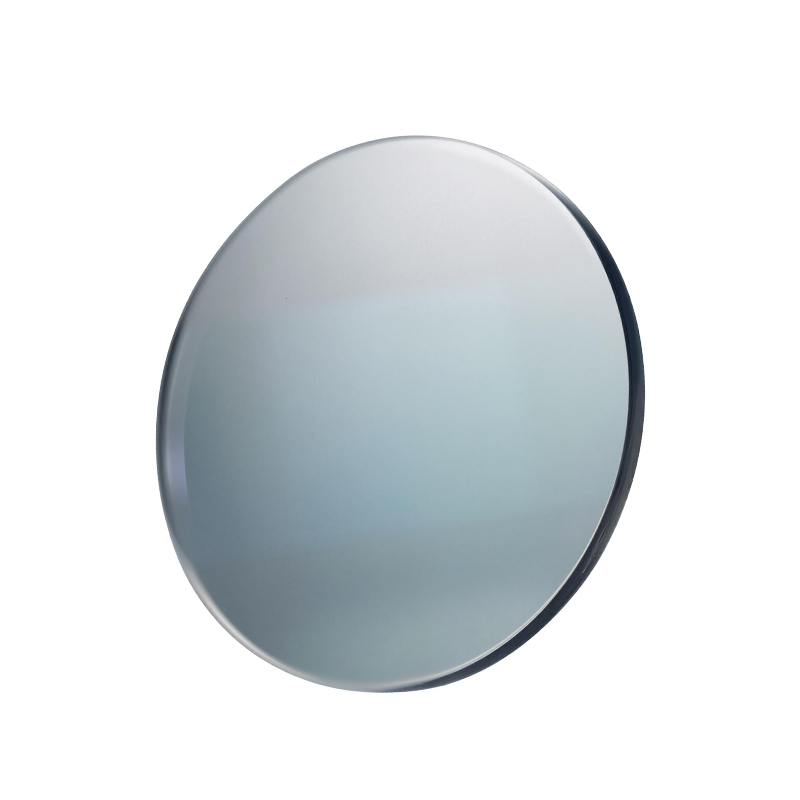
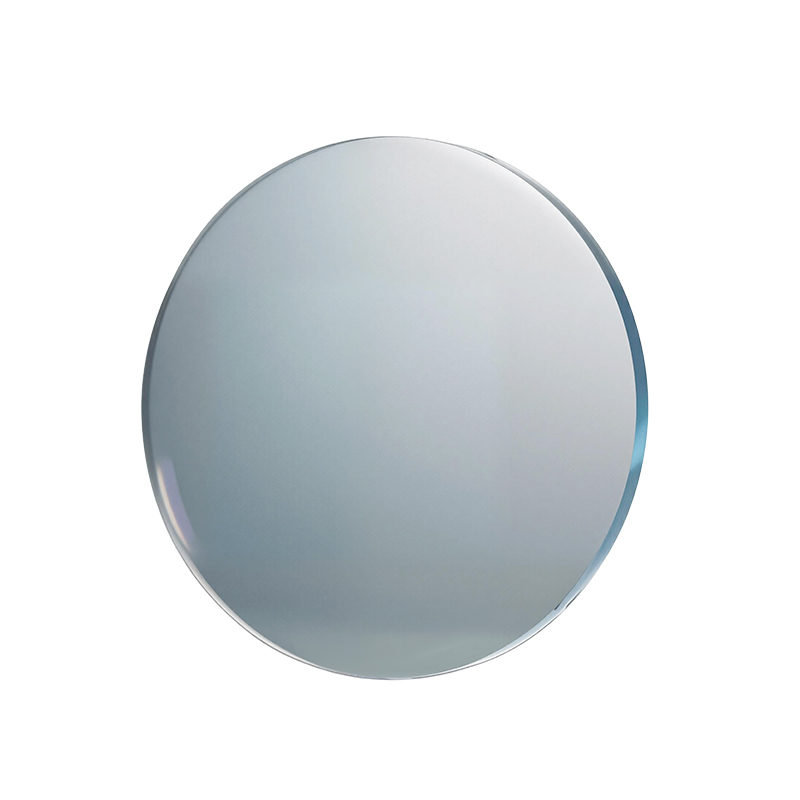
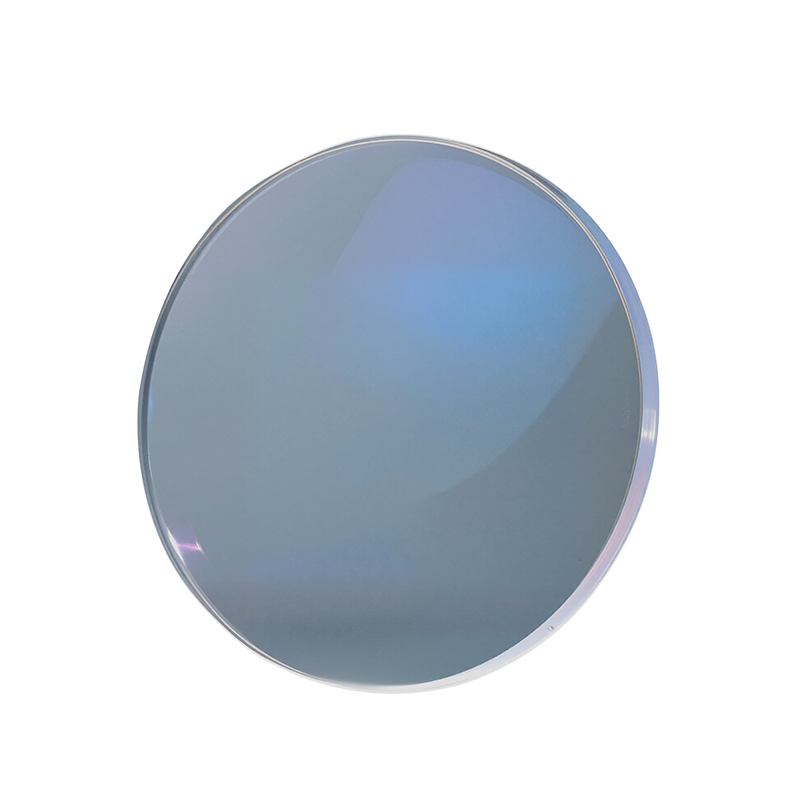
A smart dynamic photochromic finished lens is a fully processed optical lens, ready for framing, that contains photochromic molecules integrated either within the lens substrate or applied as a specialized coating during manufacturing. These molecules undergo a reversible chemical change when exposed to ultraviolet light, causing the lens to darken outdoors and return to a clear or near clear state indoors. The word finished indicates that the lens has already been cut, polished, and treated with any necessary coatings, distinguishing it from raw or semi-finished lens blanks that still require further processing before they can be fitted into a frame.
The term smart dynamic reflects a newer generation of photochromic technology that responds more quickly and consistently than earlier photochromic lenses, often incorporating multiple layers of light sensitive compounds engineered to work together across a broader range of lighting conditions, including partial cloud cover and lower intensity UV environments such as inside a car.
The Science Behind Photochromic Technology
Molecular Structure and Light Activation
Photochromic lenses rely on organic compounds, most commonly naphthopyrans or oxazines, embedded within the lens material. In their resting state, these molecules have a compact structure that allows visible light to pass through largely unobstructed, keeping the lens clear. When exposed to ultraviolet radiation, the molecular structure shifts into an open configuration that absorbs a portion of visible light, causing the lens to visibly darken. Once the UV exposure ends, such as when moving indoors, the molecules gradually revert to their original closed structure and the lens returns to a clear state.
Speed and Consistency of Transition
One of the defining improvements in smart dynamic photochromic lenses compared to earlier generations is the speed of both activation and fade back. Advanced formulations use a matrix of photochromic dyes distributed more evenly throughout the lens, along with manufacturing techniques that improve molecular mobility. This results in a faster darkening response when stepping outdoors and a quicker return to clarity when moving back indoors, reducing the awkward transitional period where vision can feel slightly compromised.
Temperature Sensitivity and Performance Variation
Photochromic reactions are naturally sensitive to temperature, with lenses generally darkening more slowly and to a lesser degree in hot conditions, and darkening faster and more intensely in cold conditions. Manufacturers of smart dynamic photochromic lenses have worked to reduce this temperature dependency through refined chemical formulations, aiming for more consistent tinting performance whether the wearer is in a hot summer climate or a cold winter environment.
Core Benefits of Smart Dynamic Photochromic Lenses
The appeal of this lens category lies in its ability to combine the convenience of a single pair of glasses with the functional benefits typically associated with separate prescription and sunglasses. The sections below outline the primary advantages these lenses offer.
Continuous UV Protection
Regardless of whether the lens is in its clear or darkened state, quality photochromic lenses are designed to block a high percentage of both UVA and UVB rays. This means the eyes receive consistent protection from harmful ultraviolet exposure throughout the day, not just when the lens has visibly darkened, which is an important distinction many wearers are not initially aware of.
Reduced Need for Multiple Eyewear Pairs
Traditionally, individuals who require vision correction have needed separate prescription glasses and prescription sunglasses to comfortably manage both indoor and outdoor lighting conditions. A smart dynamic photochromic lens consolidates this need into a single pair, adjusting automatically as lighting changes throughout the day, which reduces both cost and the inconvenience of switching glasses.
Improved Visual Comfort in Variable Lighting
Sudden shifts in brightness, such as walking from a dim hallway into direct sunlight, can cause temporary discomfort or squinting. By gradually adjusting tint density in response to ambient light, these lenses help smooth out these transitions, contributing to a more comfortable visual experience across a range of everyday activities.
Reduced Eye Strain During Outdoor Activities
For individuals who spend significant time outdoors, whether walking, cycling, or simply commuting, consistent glare reduction can lessen the degree of squinting and eye fatigue experienced over the course of a day. Because the tint adjusts automatically, wearers do not need to manually switch lenses or accessories to manage changing brightness levels.
Manufacturing and Finishing Process
Substrate Selection
Smart dynamic photochromic lenses are typically manufactured using either CR-39 plastic, polycarbonate, or high index plastic materials, each offering different tradeoffs in weight, impact resistance, and optical clarity. Polycarbonate lenses, for example, are favored for their impact resistance and are often recommended for active lifestyles or younger wearers, while high index materials are commonly chosen for stronger prescriptions where lens thickness is a concern.
Integration of Photochromic Technology
There are generally two approaches to incorporating photochromic properties into a finished lens. In the first, photochromic dyes are blended directly into the lens material during the casting process, distributing the light sensitive compounds throughout the entire lens thickness. In the second approach, a photochromic coating is applied to the front surface of an already finished clear lens, offering a faster and often more cost effective production method, though the depth of tint and long term durability can differ from the fully integrated approach.
Additional Coatings and Treatments
Finished photochromic lenses commonly include supplementary coatings that enhance overall performance and durability. These often include anti-reflective coatings to reduce glare and improve night driving visibility, scratch resistant coatings to extend the usable life of the lens, and hydrophobic or oleophobic coatings that repel water, dust, and fingerprints for easier cleaning and maintenance.
Comparing Lens Options
The table below outlines how smart dynamic photochromic finished lenses compare to more traditional eyewear options across several key factors.
| Feature | Smart Dynamic Photochromic Lens | Standard Clear Lens | Fixed Tint Sunglasses |
|---|---|---|---|
| Adapts to Lighting Conditions | Yes, automatically | No | No |
| UV Protection Indoors and Outdoors | Consistent throughout the day | Depends on coating | Only while worn outdoors |
| Need for a Second Pair of Glasses | Typically reduced | Often required for outdoor use | Not suitable indoors |
| Performance in Cold Weather | Generally darkens faster | Not applicable | Fixed regardless of temperature |
| Behind Car Windshield | Varies by formulation and windshield UV filtering | Not applicable | Consistent tint level |
Tip: If driving is a major part of your daily routine, ask about photochromic formulations specifically designed for improved activation behind a windshield, since standard automotive glass filters out much of the UV light that triggers the tinting reaction.
Choosing the Right Smart Dynamic Photochromic Lens
Selecting the most suitable lens involves considering several personal and lifestyle factors beyond simply choosing a frame style.
Lens Material Based on Prescription Strength
Individuals with stronger prescriptions may benefit from high index materials, which keep the lens thinner and lighter while maintaining the photochromic function. Those with more moderate prescriptions may find standard plastic or polycarbonate options sufficient, offering a good balance of cost, weight, and durability.
Color Options and Tint Preferences
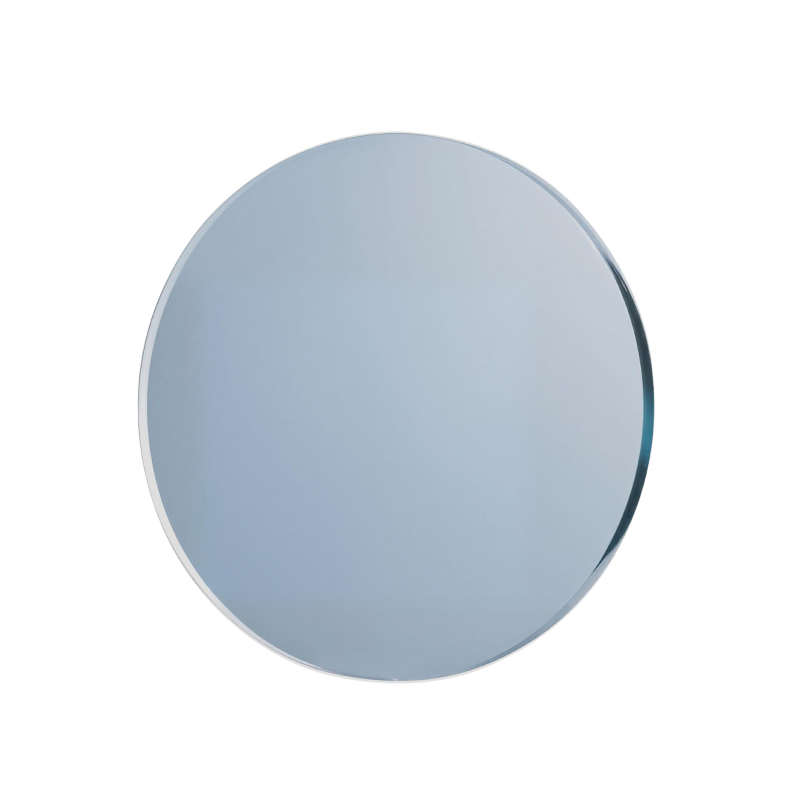
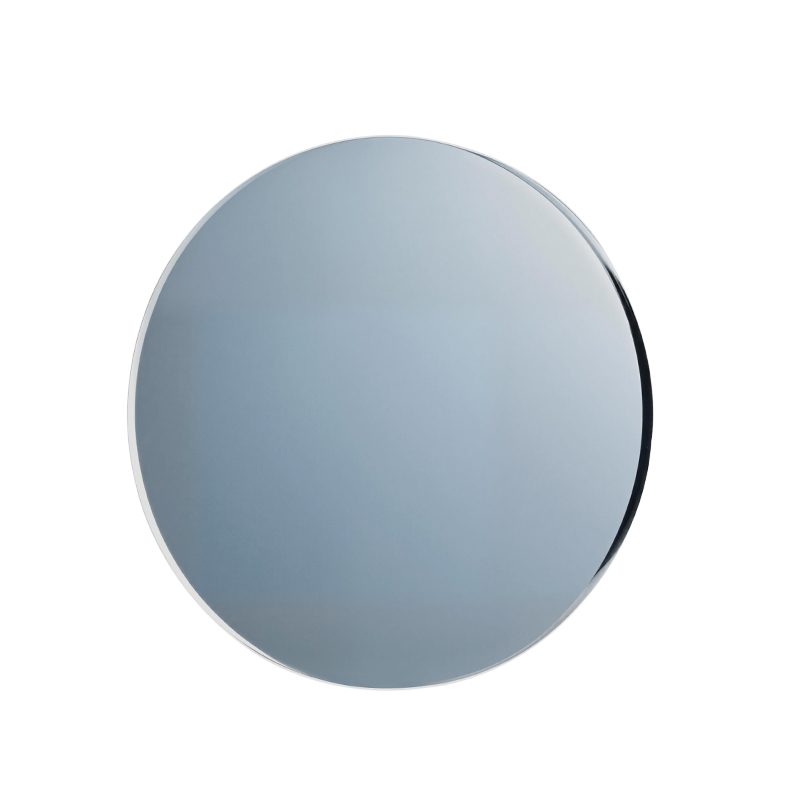
Smart dynamic photochromic lenses are available in a range of tint colors, most commonly gray, brown, and green, each offering slightly different color perception and contrast characteristics. Gray tints tend to preserve natural color perception, while brown tints can enhance contrast in certain lighting conditions, making the choice partly a matter of personal preference and intended use.
Activation Speed Requirements
Individuals who frequently move between indoor and outdoor environments throughout the day, such as retail workers or delivery personnel, may particularly value lenses with faster activation and fade back times, since this reduces the duration of any transitional visual discomfort.
Frame Compatibility
Because finished photochromic lenses are pre-processed to a specific base curve and edge treatment, it is important to confirm compatibility with the intended frame style, particularly for rimless or semi-rimless frames that require specific lens edge preparation.
Note: While many people refer to these lenses generically as transition lenses, this is actually a well known brand name within the broader photochromic lens category, similar to how facial tissue is often called by a specific brand name. Multiple manufacturers produce smart dynamic photochromic lenses using their own proprietary formulations.
Common Use Cases
Everyday Prescription Eyewear
For most wearers, the primary appeal of this lens type lies in convenience, eliminating the need to carry and switch between separate prescription glasses and sunglasses throughout a typical day of commuting, working, and running errands.
Outdoor Sports and Recreation
Cyclists, runners, and hikers who require vision correction often favor these lenses for their ability to automatically adjust to changing light conditions across varied terrain and weather, from shaded trails to open sunlit paths.
Occupational Use
Professionals who move frequently between indoor and outdoor settings, including delivery drivers, construction supervisors, and field technicians, can benefit from the reduced need to manage multiple pairs of glasses during a workday.
Children and Active Lifestyles
Given the added impact resistance often paired with polycarbonate based photochromic lenses, this category is also commonly recommended for children and younger wearers who benefit from both UV protection and enhanced durability during active play.
Care and Maintenance Guidelines
- Clean lenses regularly with a microfiber cloth and a lens specific cleaning solution to avoid scratching any applied coatings.
- Avoid leaving glasses in extremely hot environments, such as a closed car on a sunny day, since prolonged heat exposure can affect the photochromic reaction over time.
- Store lenses in a protective case when not in use to prevent scratches and reduce exposure to dust or debris.
- Avoid using household cleaning products or paper towels on the lens surface, as these can degrade anti-reflective and scratch resistant coatings.
- Have lenses periodically inspected by an eye care professional to confirm the photochromic response remains consistent over the lens lifespan.
Frequently Asked Questions
Do these lenses work well while driving
Performance behind a windshield can vary, since most automotive glass blocks a significant portion of UV light, which is the primary trigger for the photochromic reaction. Some manufacturers offer specific formulations designed to respond better to visible light in addition to UV, which can improve performance while driving.
How long does the photochromic effect last before the lens needs replacing
Photochromic performance typically remains effective for several years under normal use, though gradual fading of the reactive response can occur over time, particularly with extended exposure to heat and intense sunlight. Most manufacturers provide an expected performance lifespan as part of their product specifications.
Can these lenses be combined with other coatings such as blue light filtering
Yes, many finished photochromic lenses can be paired with additional coatings, including blue light filtering treatments for digital device use, anti-reflective coatings, and scratch resistant layers, allowing for a more customized lens suited to specific visual needs.
Do they darken behind polarized sunglasses or over contact lenses
Photochromic lenses are a standalone lens type rather than an add on, and they are not typically worn in combination with separate sunglasses. They can, however, be worn comfortably alongside contact lenses, since the photochromic properties are contained entirely within the eyeglass lens itself.
Future Directions in Photochromic Lens Technology
Ongoing research in photochromic materials continues to focus on improving activation speed, expanding the range of light conditions that trigger a response, and reducing temperature sensitivity even further. Some manufacturers are exploring hybrid technologies that combine photochromic behavior with electrochromic elements, potentially allowing for even more precise and rapid tint control in future lens generations. As demand grows for eyewear that adapts intelligently to daily life, smart dynamic photochromic finished lenses are expected to remain a significant area of innovation within the broader optical industry.
In summary, the smart dynamic photochromic finished lens offers a practical and increasingly refined solution for wearers seeking a single pair of glasses that can adapt to both indoor and outdoor lighting conditions. By combining light responsive chemistry with modern lens manufacturing and protective coatings, this lens category delivers continuous UV protection, improved visual comfort, and meaningful convenience for everyday life. When selecting a pair, buyers should weigh lens material, tint color, activation speed, and frame compatibility to find a lens best suited to their prescription needs and daily routine.