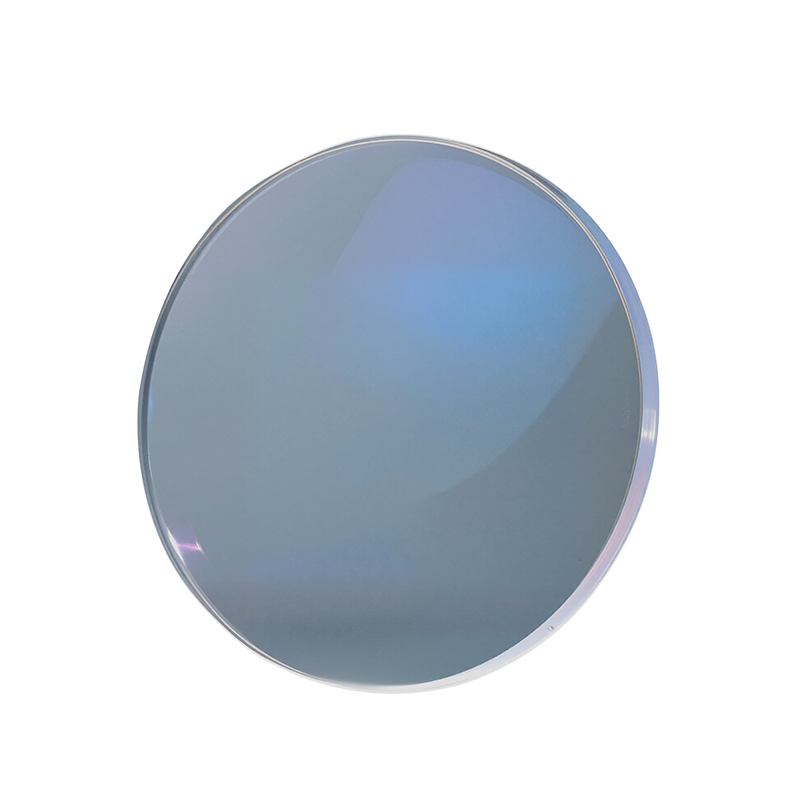
A person with -3.00 D of myopia and another with -3.00 D may leave the same eye exam with two different lens prescriptions. The difference is not in the refracted number, but in how their eyes are used. A warehouse operator moving between close-range scanning and a two-meter forklift path needs different intermediate zones than a software developer who stares at a 24-inch monitor for ten hours. A corporate executive who spends six hours a day in videoconferences and reads contracts on a tablet also has a third set of demands.
Personalized ocular health starts from the simple truth that visual demands vary, and the lens should reflect those variations. For optical brands and retailers, that means thinking beyond a stock single-vision lens and treating each product as a tailored optical system that supports the wearer's real behavior. An individualized prescription lens approach can make a measurable difference in comfort and acceptance.
Prescription and Lab Data: The Raw Material of Personalization
An autorefractor gives a spherical and cylindrical result, but the finished lens does not work in isolation. Vertex distance, pantoscopic tilt, wrap angle, and each person's pupillary distance all change how light enters the eye. Standard finished lenses are produced for average parameters, so a narrow face or a high-wrap frame can cause edge distortion or a reduced field of view. Freeform design uses point-by-point surfacing to account for these individual variables. The lab starts from a semi-finished blank and generates the full prescription on a computer-controlled surface, creating a lens that matches the wearer's exact viewing geometry.
This is especially important for progressive designs, where subtle shifts in corridor width and length can make the difference between a comfortable adaptation and a rejected wearer. Manufacturers with RX lines that cover 1.56, 1.61, and 1.67 indexes can support a wide range of prescriptions while maintaining high optical performance. For high prescriptions, the 1.67 index reduces thickness and weight, but it also has a lower Abbe number than 1.56, so color fringing can be more noticeable. A personalized recommendation must balance these factors. For laboratories that need to work with their own surfacing equipment, semi-finished blanks provide the same design flexibility while keeping the final generate-and-polish step local. A supplier that offers both stock and semi-finished formats gives each channel a workable route to personalization.
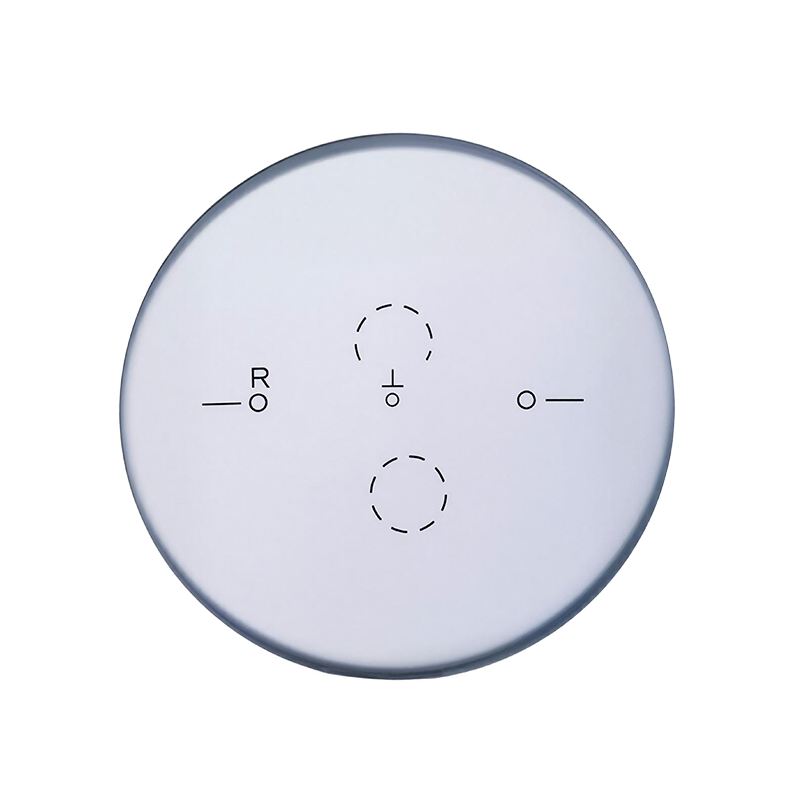
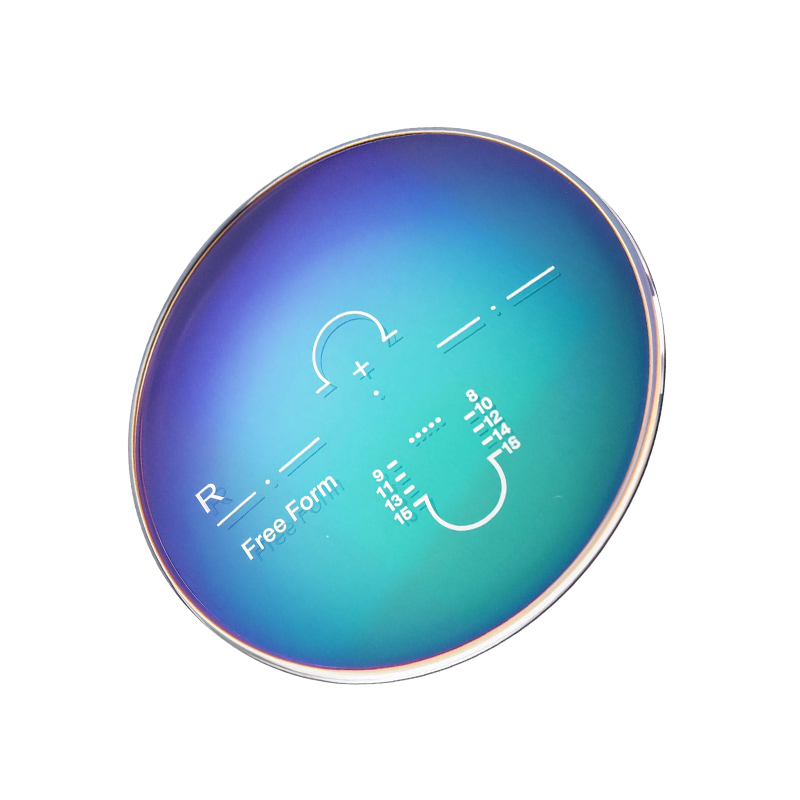 Freeform 1.56/1.61/1.67 Progressive Lens HC/HMCA freeform progressive lens is a highly customized progressive (varifocal) lens designed using advanced digital technology to provide a personalized vision experience ...View Product →
Managing Digital Eye Strain with Personalized Blue-Light Lenses
Screen time is not uniform. A customer service agent works with a high-luminance dual-monitor setup for seven hours, while a delivery driver glances at a phone only during breaks. The right blue-light lens must match these different exposures. For heavy screen users, a 1.61 or 1.67 index lens with a blue-block coating can reduce retinal exposure without compromising visual clarity. For lighter users, a 1.56 lens with a simpler coating may be more economical and equally comfortable.
The choice of index changes thickness, weight, and Abbe number, while the coating stack affects reflection, color perception, and durability. A personalized approach matches these variables to the wearer's actual habits, rather than applying a blanket blue-block claim to every product. Dual coating options such as green-blue or violet-magenta allow the lens to balance blue-light filtering with natural color perception; this matters for workers who need accurate color rendering for package labels or quality inspection. Ignoring these trade-offs can lead to blurry edges, excess weight, or premature coating degradation in the field. This becomes a measurable business risk when returns are counted against the purchase cost.
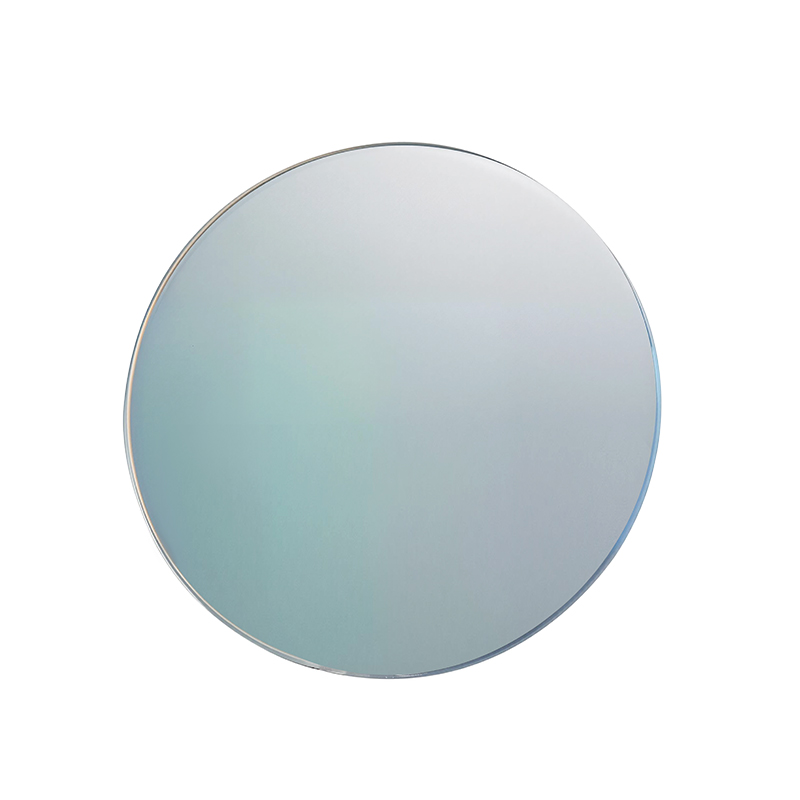
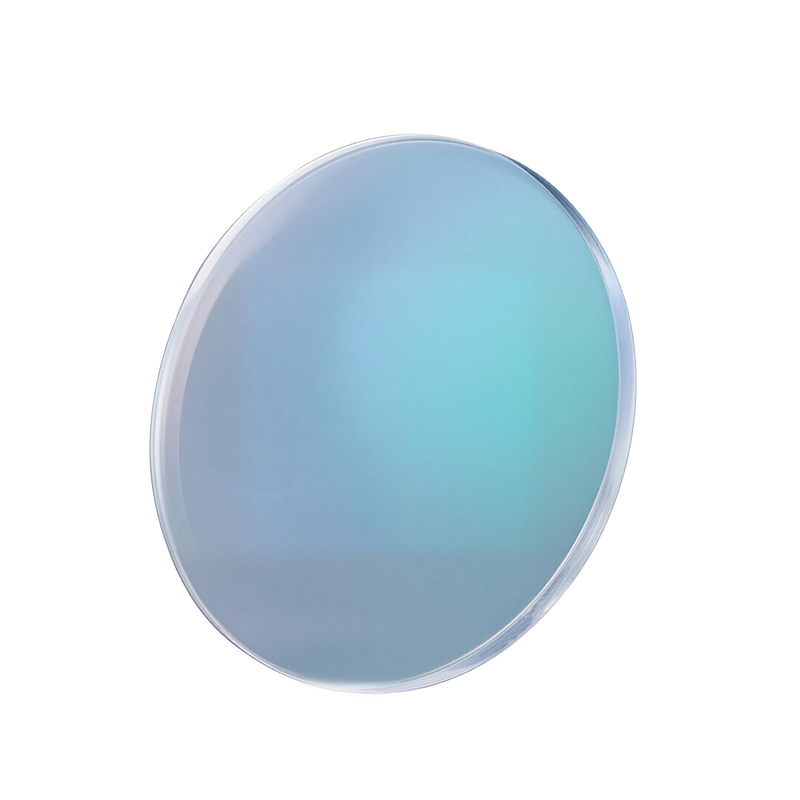
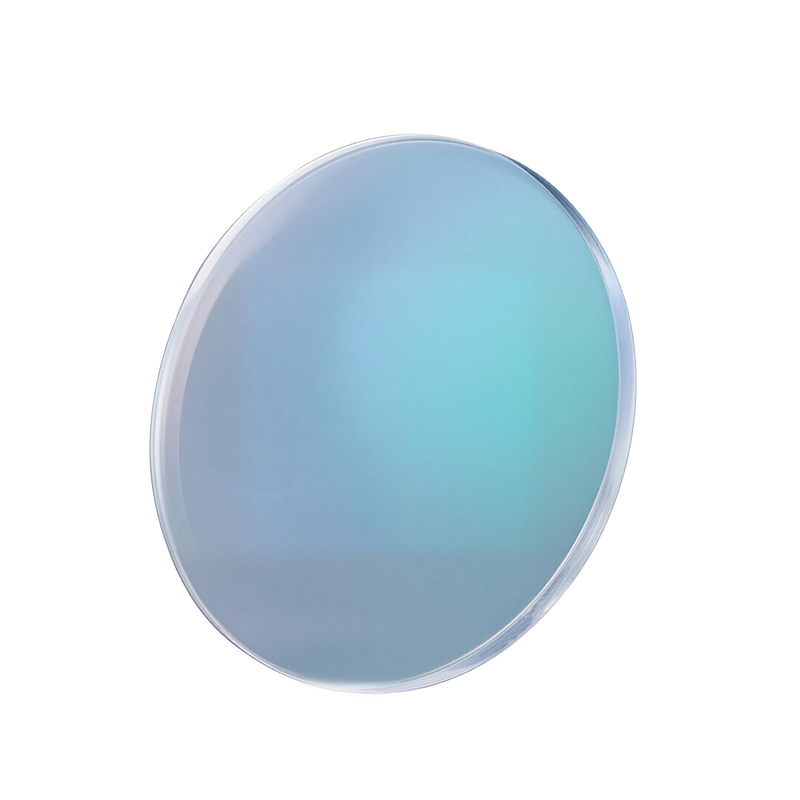 1.61 Blue Block Double Coating (Green & Blue) Single-Vision Finished Lens1. Excellent Foundation of Optical Performance Ideal Balance Between Thinness, Lightness and Clarity It has a refractive index of 1.61, which ranks at a medium-to-high...View Product →
Adapting to Light with Photochromic Lenses
Workers who move between bright sunlight and shaded interiors need lenses that adapt quickly. A photochromic lens transitions from a nearly clear state to a darkened tint, but the speed, final tint color, and interaction with blue-light filters vary by design. Fast-change formulations are valuable for couriers, delivery personnel, and mixed-task workers who step outside and back inside all day. Spin-coating technology generally produces a more uniform tint distribution across the lens, resulting in a more consistent visual experience. Grey tints preserve color neutrality for drivers, while a brown or amber tint can increase contrast in foggy conditions for outdoor workers. The choice should reflect the main environment that the wearer handles.
The best option again depends on use. A blue-block photochromic combination may suit someone who spends the day at a window, while a fast-change grey lens better suits a driver who travels between bright parking lots and darker warehouses. These are not standard off-the-shelf selections; they are decisions based on how a person actually spends their day. When the tint does not align with routine, the wearer may experience poor contrast or slower visual recovery after entering a dark room.
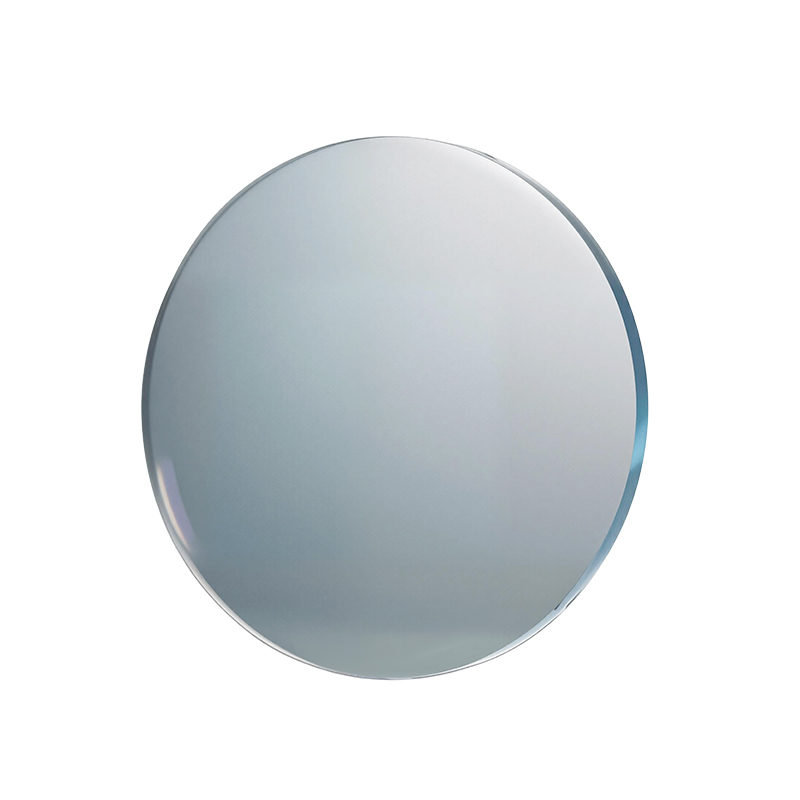
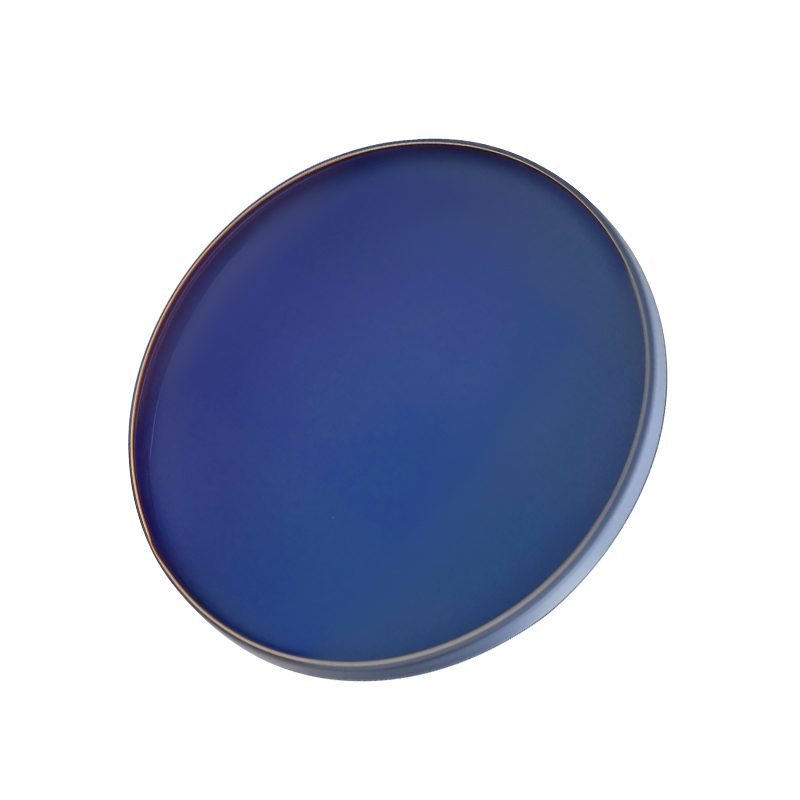 1.56 Photogrey (Fast Change) Airblue Coating SHMC Photochromic Finished Lens● Ultra-Fast Light Adaptation 1.56 photogrey (fast change) airblue coating SHMC lenses are equipped with advanced photochromic technology that enables them to adapt t...View Product →
Long-Term Health Considerations: From Myopia Control to Presbyopia
The value of personalized ocular health is not limited to a single pair of glasses. Children with progressive myopia need lenses that address the developing eye, while adults over 40 need progressive designs that support a smooth transition between distance and reading. A lens portfolio that includes both myopia-control options and freeform progressive designs allows a practice to respond to these changing needs.
In emerging markets, demand for children's lenses has grown faster than basic corrective products, and retailers that can offer a customized program are better positioned to retain families as their needs evolve. A myopia control lens is not a one-time purchase; as the prescription changes, the design parameters must be updated to maintain effectiveness, which requires a supplier that can adapt quickly. This is why a manufacturer with experience in multi-stage vision support is a more reliable partner than one that only supplies a fixed range of standard finished lenses. A supplier that can deliver consistent quality across these life stages also reduces the risk of brand fragmentation for optical chains.
A Practical Guide for Choosing a Lens Manufacturing Partner
Once the product features are defined, the next step is selecting a supplier who can execute them consistently. A manufacturer's ability to combine multiple indexes, designs, and coatings in one portfolio is a strong signal that it can support a personalized ocular health strategy. The table below summarizes what to look for.
Table 1: Key criteria for evaluating a lens manufacturer in a personalized ocular health program.
| Dimension |
What to Check |
Why It Matters |
| Optical design capability |
Availability of freeform, progressive, and custom geometry |
Lets the lens fit the wearer's prescription, frame, and working distance |
| Coating versatility |
Range of AR, blue-block, photochromic, and hard coatings |
Matches environmental conditions and visual tasks |
| Supply format |
Stock, semi-finished, and RX lens lines |
Supports high-volume orders and one-off custom prescriptions |
| Quality consistency |
Certifications, tolerance control, and batch traceability |
Reduces risk of rejected products and customer complaints |
A vertically integrated factory with over 25 million lenses in annual capacity, four automated casting lines, and more than 19 AR and hard coating lines provides a practical foundation for both standard and custom orders. Before placing a bulk order, ask your supplier about the breadth of its prescription lens range, because it is a direct indicator of manufacturing flexibility. The RX lens range covers freeform designs with blue-block and photochromic options, which gives brands a modular way to build a customized portfolio. Requesting sample lenses with different indexes and coating colors is a low-cost way to evaluate whether the supplier's quality bar matches your internal standards.
Ultimately, personalized ocular health is a product strategy as much as a clinical concept. When a manufacturer can translate measurements, lifestyle data, and environmental conditions into a precise lens, the wearer receives more than a corrected vision. They receive a tool that supports their daily activities, reduces visual strain, and helps maintain long-term eye comfort. That level of care is what separates a commodity lens from a true ocular health solution.

 English
 Français
 Español
 عربى
عربى 中文
中文