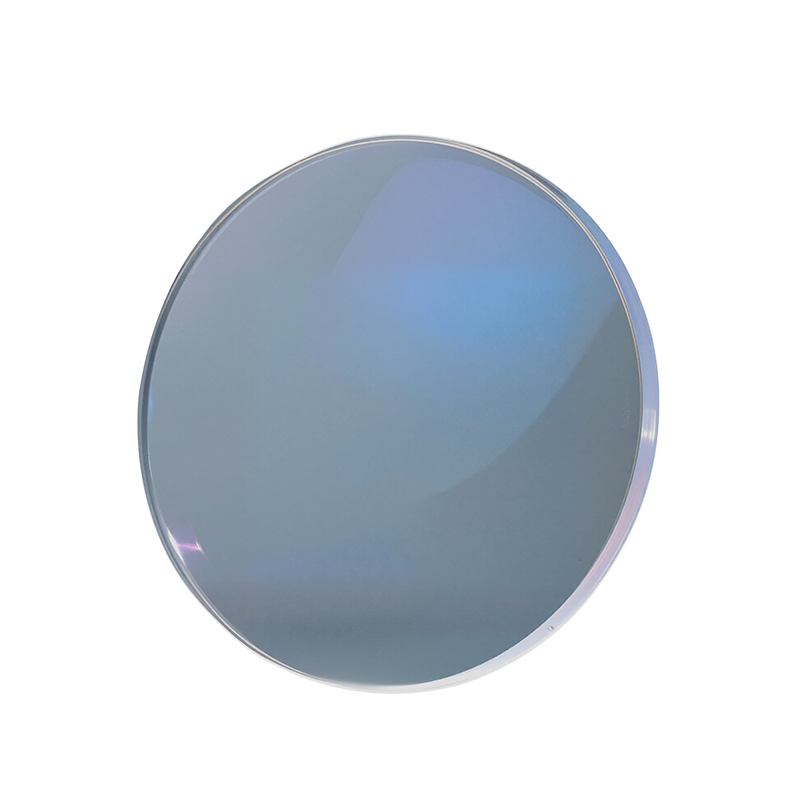
When you search for polarized sunglass lens UC, you are likely looking for uncoated polarized sun lens blanks. As a manufacturer of optical lenses with decades of experience in resin lens production, we often work with buyers who want a clear, practical answer to what the "UC" really means and how it affects their supply chain. This guide explains the basics of polarized sunglass lenses, the role of uncoated surfaces, and what to keep in mind when ordering these lenses in bulk.
What Is a Polarized Sunglass Lens?
A polarized sunglass lens is designed to reduce glare caused by reflected light. When sunlight bounces off flat surfaces such as water, snow, or a wet road, the reflected light becomes horizontally polarized. This creates intense, uncomfortable glare that reduces visibility. A polarized lens contains a special film that acts like a vertical filter, blocking those horizontal light waves while allowing useful vertical light to pass through. The result is clearer, more comfortable vision in bright outdoor environments.
This makes polarized lenses especially valuable for driving, fishing, boating, skiing, and other outdoor activities where glare can compromise safety. Unlike ordinary tinted lenses, which simply darken the scene, polarized lenses actively improve contrast and reduce squinting. For eyewear brands and optical retailers, offering polarized options is a practical way to meet a growing demand for performance sunwear.
What Does UC Mean in Polarized Sunglass Lens UC?
UC stands for uncoated. In the lens manufacturing industry, it means the lens has not received additional surface coatings such as anti-reflective (AR), hard coating, or mirror coating. A polarized sunglass lens with a UC designation therefore arrives with the polarized film already embedded, but with a bare resin surface on both the front and back.
Why would anyone choose an uncoated lens? For many optical laboratories and wholesale buyers, UC blanks are a flexible starting point. You can apply your own selected coatings, harden the surface, or custom-tint the lens according to your market's needs. This is especially common for semi-finished and uncut sun lens programs where the final coating is decided by a local finishing lab. It allows your brand to control the coating specification without paying for a coating you may not need.
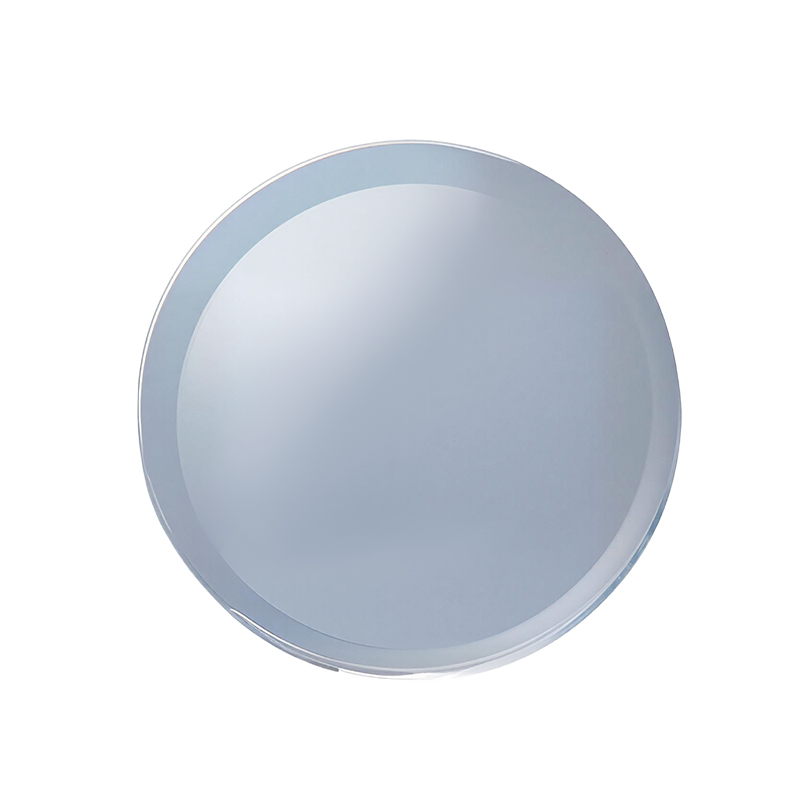
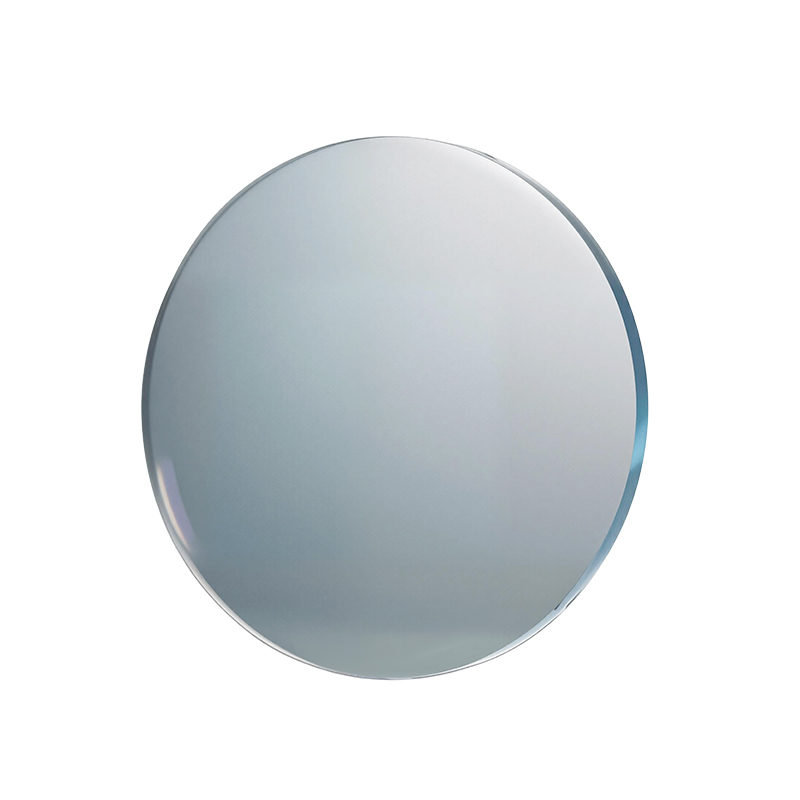
At JUST Optics, we offer a 1.49 polarized sun lens in grey, brown, and yellow UC versions. These lenses are ready for downstream processing and are produced in our vertically integrated facility.
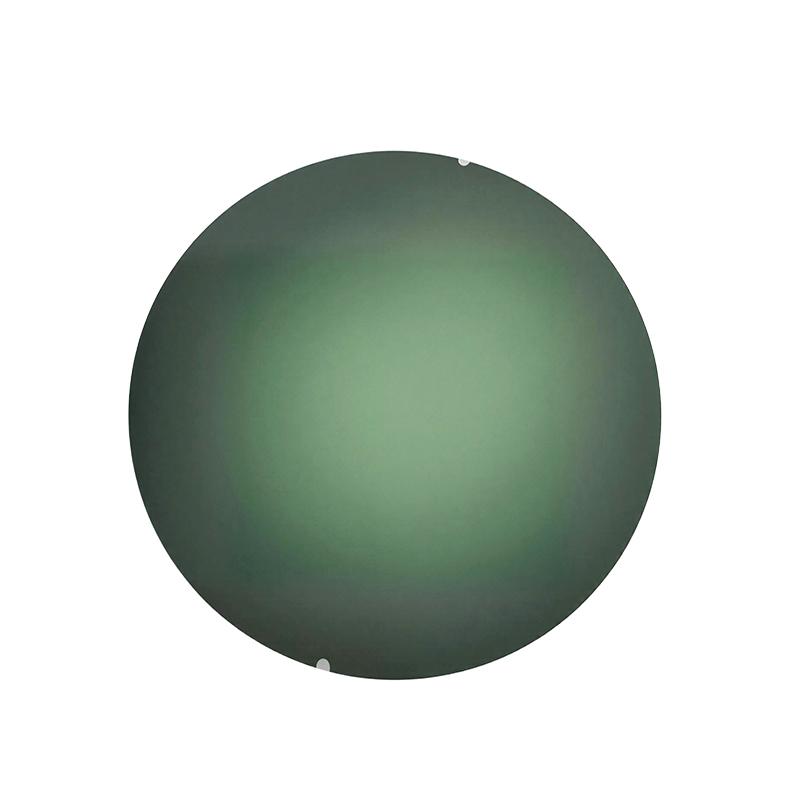 1.49 Polarized Sunglass Lens in Grey, Brown, and Yellow UCThis semi-finished polarized sun lens reduces reflected glare and eyestrain, available in three tint options. It suits outdoor activities like fishing and boating, though can affect LCD screen visibility.View Product →
Polarized vs. Non-Polarized Lenses: Why It Matters
The difference between polarized and non-polarized lenses goes beyond the presence of an embedded filter. Non-polarized lenses only reduce the total amount of light entering the eye. Polarized lenses selectively cut reflected glare, improving optical comfort and depth perception.
Comparison of polarized and non-polarized sun lens performance
| Aspect |
Polarized |
Non-Polarized |
| Glare reduction |
High |
Low |
| Visual clarity in bright sun |
Enhanced |
Moderate |
| UV protection |
Must be added separately |
Must be added separately |
| Ideal for driving, water, snow |
Yes |
No |
| Cost |
Higher |
Lower |
Keep in mind that polarization and UV blocking are separate features. A polarized lens is not automatically UV-protected. When sourcing UC polarized sun lenses, always confirm the UV absorber level in the resin or request a UV-blocking coating in your finishing process.
UC vs. Coated Polarized Lenses: Which One Should You Choose?
The choice between an uncoated and a coated polarized lens depends on your business model. If you have an in-house coating line or a trusted external coater, UC blanks give you the freedom to apply exactly the surface treatment you want. You can choose a mirror finish, an anti-reflective layer, or a simple hard coat that fits your price point.
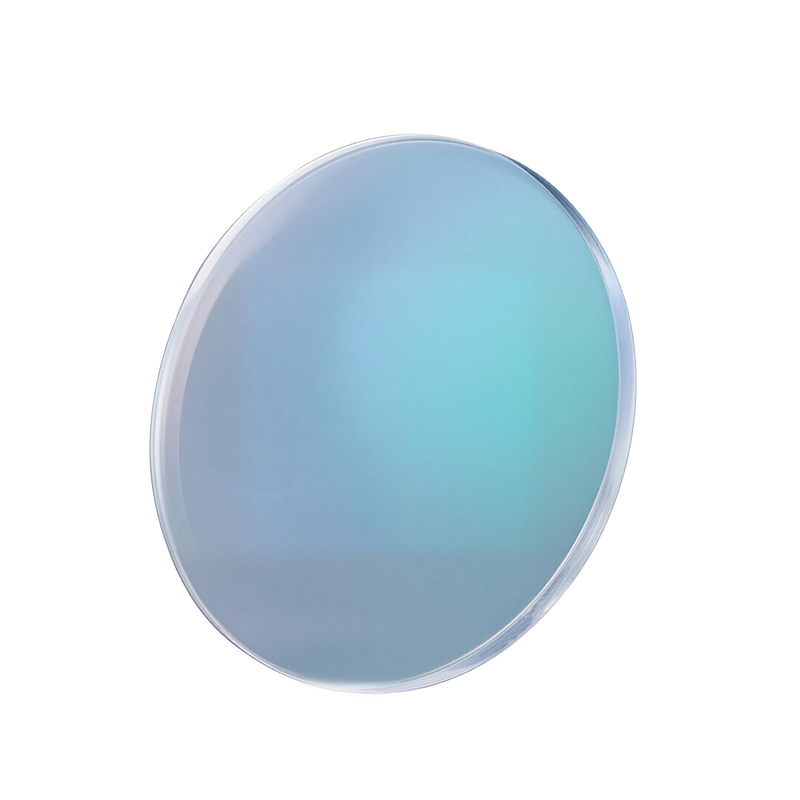
If you need a ready-to-wear lens for direct distribution, a coated polarized lens is more convenient. For example, a polarized mirror lens adds a reflective metallic layer that reduces light transmission further and creates a fashionable look. It also improves surface durability compared to bare resin.
From a manufacturing viewpoint, UC lenses require more careful handling because the bare resin surface is softer and more prone to scratches. Your finishing lab must have clean handling protocols and good quality control. At our factory, we supply both UC and coated versions so you can choose the right level of readiness for your market.
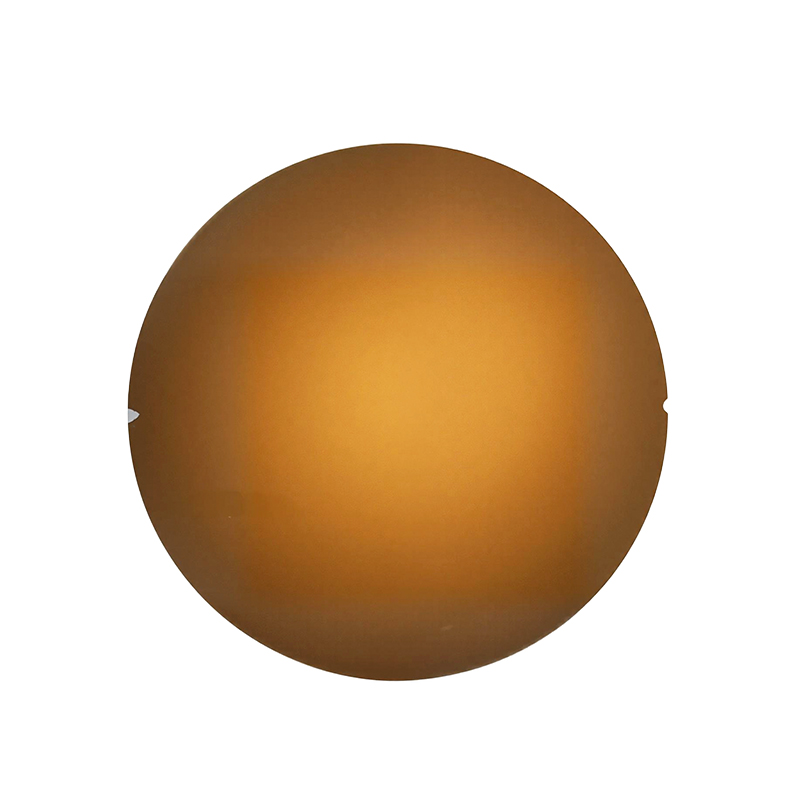 1.49 Polarized Mirror Lens with Reflective CoatingThis mirrored polarized lens limits incoming light for bright conditions such as skiing, while the flash coating adds scratch resistance. Its embedded film ensures even glare reduction across the aperture.View Product →
Key Manufacturing Considerations for Polarized UC Lenses
Producing a reliable polarized sunglass lens UC starts with the polarized film itself. The film must be correctly aligned within the lens to achieve even glare reduction across the entire aperture. At JUST Optics, our 1.49 resin substrates are produced through a polymerization process that embeds the polarized film securely between two layers of resin. This avoids the peeling and delamination issues sometimes seen in lower-quality lenses.
Material choice is also critical. Our 1.49 index resin is well suited for sun lenses because it offers good clarity and impact resistance at a moderate cost. For buyers who prefer a thinner lens, we can discuss alternative refractive indices in custom programs, but for standard sun wear, 1.49 UC blanks are a cost-effective option.
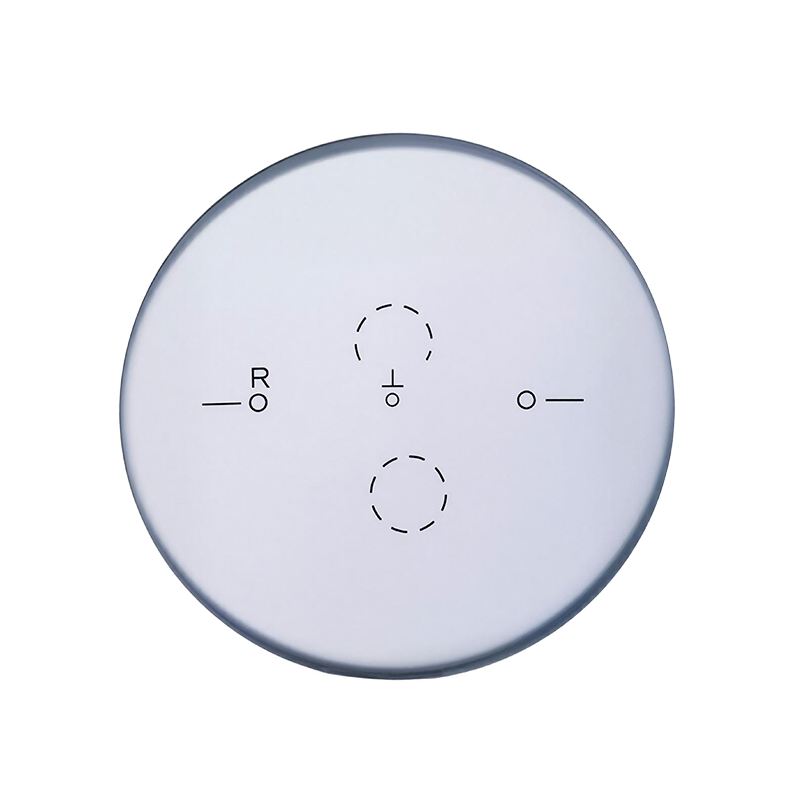
Because UC lenses have no protective surface layer, we inspect each batch for surface quality and polarization consistency before shipment. We package them with anti-static and scratch protection in mind, and we document the axis orientation so your lab can work with known parameters.
How to Choose a Reliable Supplier of Polarized Sunglass Lens UC
When you source polarized UC sun lens blanks, you are not just buying a piece of resin; you are buying a consistent manufacturing process. Here are a few points we recommend checking with any supplier:
- Ask about the polarization efficiency and how it is tested. A good supplier will have a documented test method.
- Confirm whether the lens has built-in UV absorbers or whether UV protection depends on later coating steps.
- Request samples from multiple production batches to evaluate color consistency in grey, brown, and yellow tints.
- Check whether the supplier can offer OEM/ODM support if you need custom packaging, labeling, or product ranges.
If you are new to the market, you may also want to read our practical guide on choosing sunglasses that suit you, which outlines the end-consumer perspective. Understanding what wearers expect helps you align your product specifications with real-world needs.
Polarized sunglass lens UC may look like a simple product category, but it requires careful planning in material selection, polarization lamination, and quality assurance. Whether you are an optical brand, a retail chain, or a finishing laboratory, we are ready to support you with uncoated or coated polarized sun lenses produced under strict control. Our team at JUST Optics would be happy to discuss your specific coated or uncoated lens requirements.

 English
 Français
 Español
 عربى
عربى 中文
中文