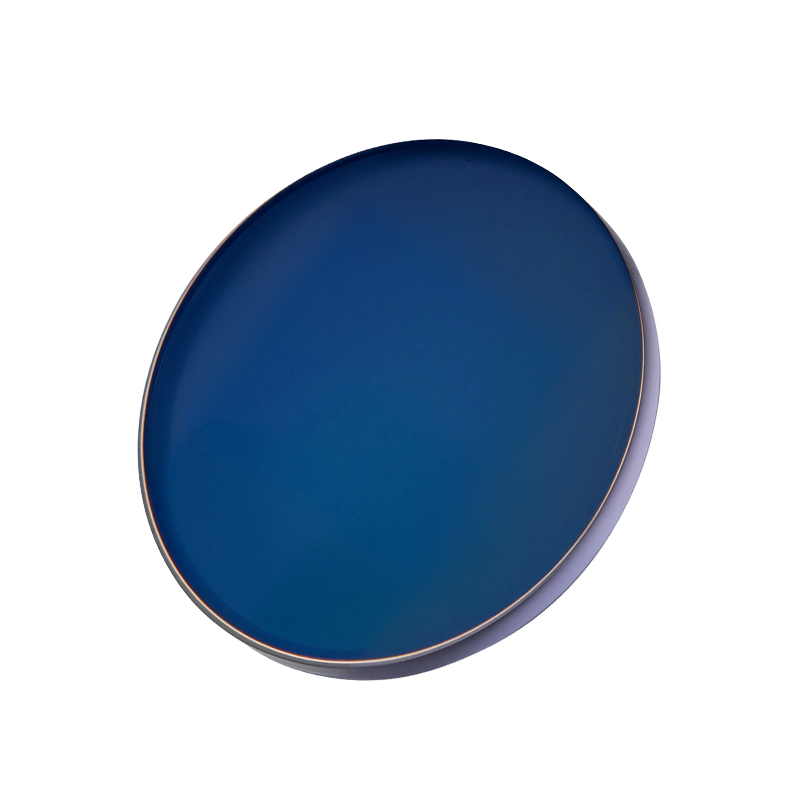
Are Photochromic Lenses Worth It? The Short Answer
Yes, photochromic lenses for glasses are worth it for most people who want one pair of glasses that works both indoors and outdoors, since a quality photochromic finished lens darkens to roughly 75-85% tint in bright sunlight within about 30 seconds and fades back to clear indoors within 2-5 minutes. They eliminate the need to carry separate prescription sunglasses, though they are not a perfect substitute for dedicated sunglasses in every driving or high-glare situation.
This guide explains how photochromic technology works, compares finished lens options, and outlines what to consider before adding them to your next pair of glasses.
How Photochromic Lenses Work
Photochromic lenses contain molecules — typically silver halide or naphthopyran compounds embedded in or coated onto the lens — that change structure when exposed to UV radiation. This structural change alters how the molecules absorb visible light, causing the lens to darken. When UV exposure stops, the molecules revert to their original form and the lens returns to a clear state.
Why They Don't Darken Behind a Car Windshield
Standard automotive windshields block most UVB and much of the UVA radiation, so most photochromic lenses only reach a light-to-moderate tint while driving rather than their full outdoor darkness. Buyers who drive frequently should look for photochromic products specifically formulated for windshield activation, which use extended-range UV and visible-light sensitivity.
Photochromic Finished Lens vs. Semi-Finished and Coated Options
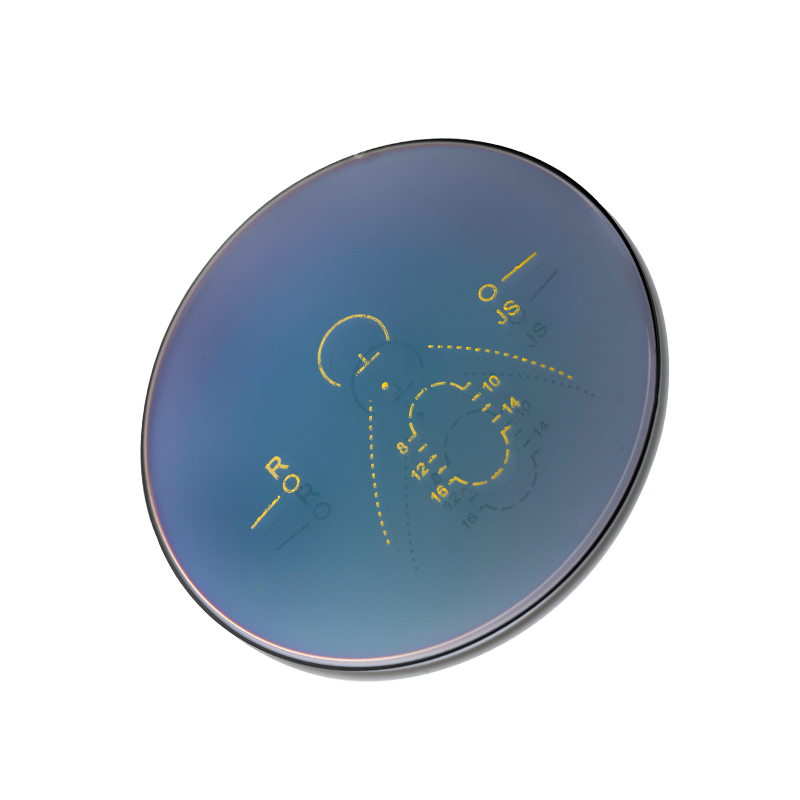
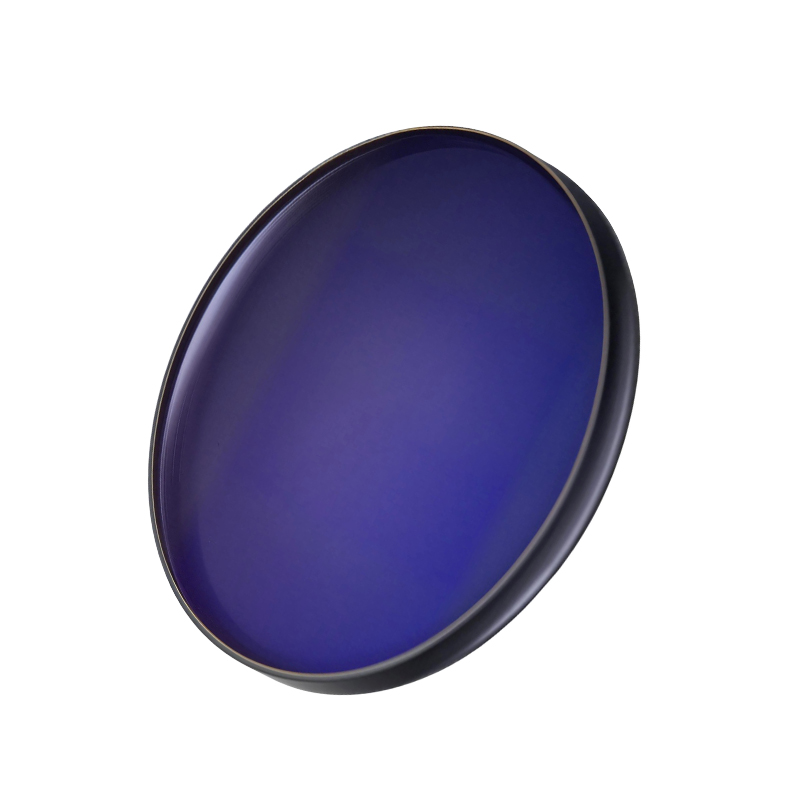
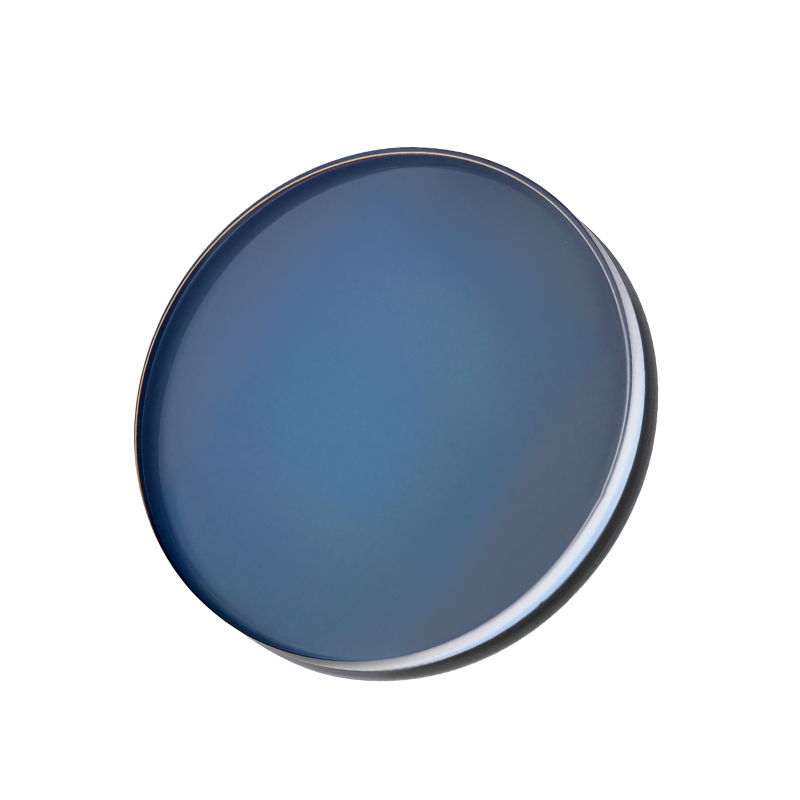
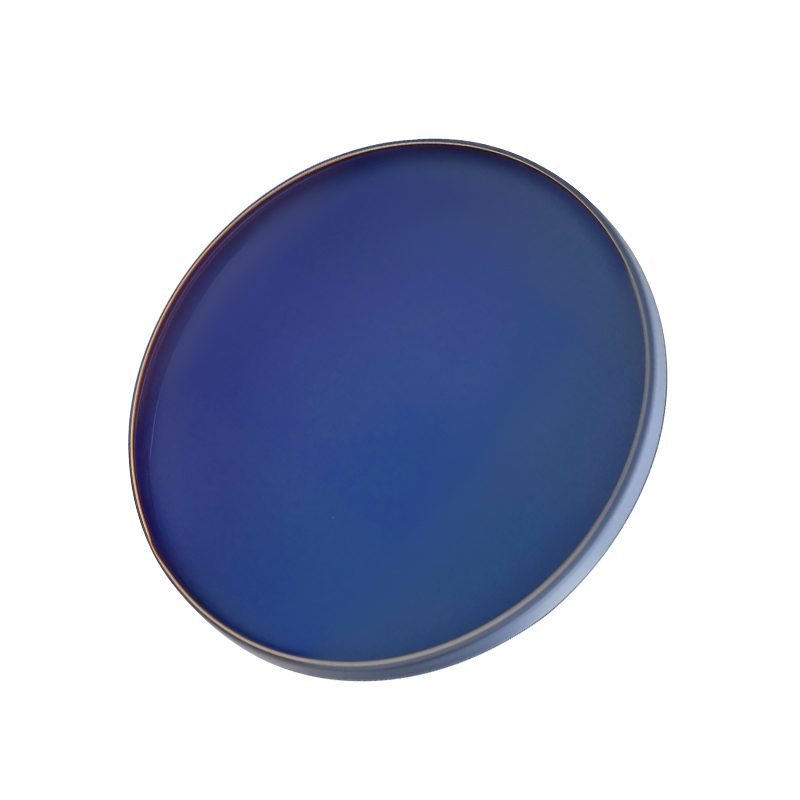
A photochromic finished lens arrives from the manufacturer with the photochromic dye already fully processed and the lens surface completed to its final curvature and thickness, ready for edging and mounting into a frame. This differs from semi-finished blanks, which require further surface grinding, and from surface-coated photochromic lenses, where the reactive layer is applied afterward rather than embedded in the lens material.
Advantages of Finished Photochromic Lenses for Labs and Retailers
Because the photochromic performance is built into the finished lens, optical labs can process orders faster — often cutting turnaround time by 1-2 days compared to coating lenses in-house — while maintaining consistent fade and darkening performance across every pair produced.
Comparing Photochromic Lens Materials
Common lens materials used for photochromic glasses and their performance characteristics
| Material |
Darkening Speed |
Fade-Back Speed |
Impact Resistance |
| CR-39 Plastic |
Moderate |
Moderate |
Standard |
| Polycarbonate |
Fast |
Fast |
High, ideal for kids and sports |
| High-Index 1.67 |
Moderate to fast |
Moderate |
Good, thinner for strong prescriptions |
| Trivex |
Fast |
Fast |
Very high |
Benefits of Photochromic Lenses
- One pair for indoor and outdoor use, reducing the cost and hassle of buying separate prescription sunglasses
- Blocks 100% of UVA and UVB rays in most modern formulations, protecting eyes even when the lens appears only lightly tinted
- Reduces eye strain from glare during outdoor activities such as walking, cycling, or gardening
- Available in nearly all lens materials and prescriptions, including progressive and high-index lenses
Limitations to Understand Before Buying
- Limited darkening behind car windshields unless a windshield-activated formula is chosen
- Slower fade-back in cold weather, since lower temperatures slow the molecular reaction
- Gradual performance decline over time, with most lenses retaining strong photochromic response for 2-3 years of regular wear
- Slightly higher cost than clear lenses, though usually less than buying separate prescription sunglasses
How to Choose the Right Photochromic Lens
Consider your daily routine first: frequent drivers should ask specifically for windshield-reactive photochromic finished lenses, while those who spend more time walking or working outdoors will benefit from a standard formulation that reaches full darkness. For active lifestyles or children's glasses, polycarbonate or Trivex photochromic lenses offer the best combination of fast response and impact resistance.
When ordering through an optical lab, requesting a photochromic finished lens rather than a coated alternative typically results in more even tinting across the lens surface and a longer functional lifespan, since the photochromic agent is integrated into the lens rather than sitting in a thin surface layer that can wear with cleaning and handling over time.

 English
 Français
 Español
 عربى
عربى 中文
中文