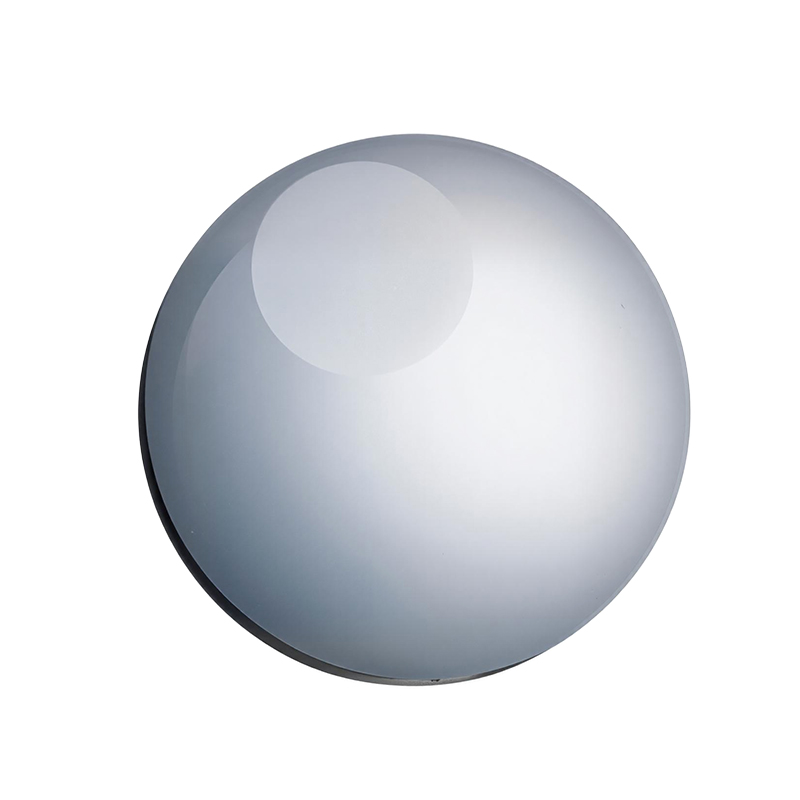
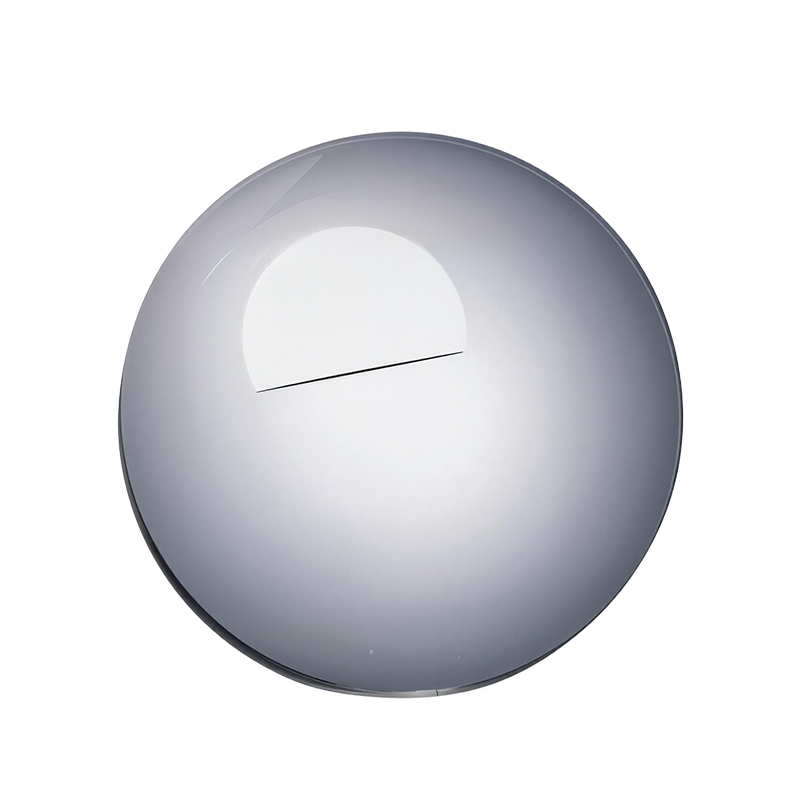
If you are shopping for new glasses, the number of lens choices can feel overwhelming. At JUST Optics, we have spent nearly three decades designing and manufacturing ophthalmic lenses for wearers across more than 60 countries. In that time, we have learned that the right pair of lenses does much more than improve vision—it can reduce eye strain, enhance comfort outdoors, and make everyday screen time easier. This guide explains the essentials of lenses glasses so you can make a confident choice.
As a manufacturer, we see the process from both sides: the engineering that goes into each lens and the real-life needs of people who wear them every day. Our vertically integrated factory in Jiangsu, China, gives us control over everything from material formulation to final coating, which is why we can offer consistent quality across such a wide product range.
The Core Lens Types Explained
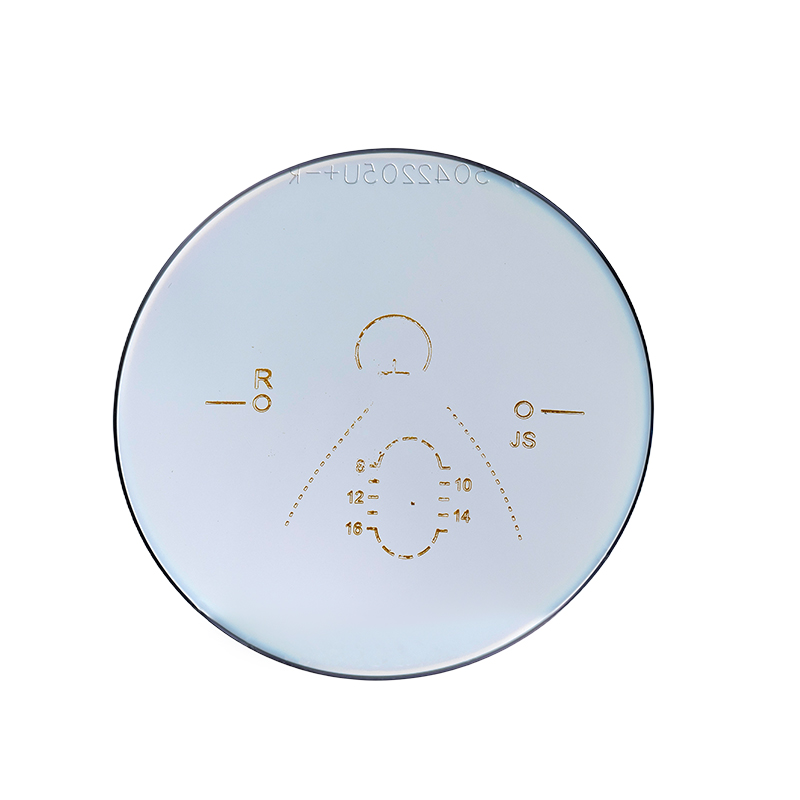
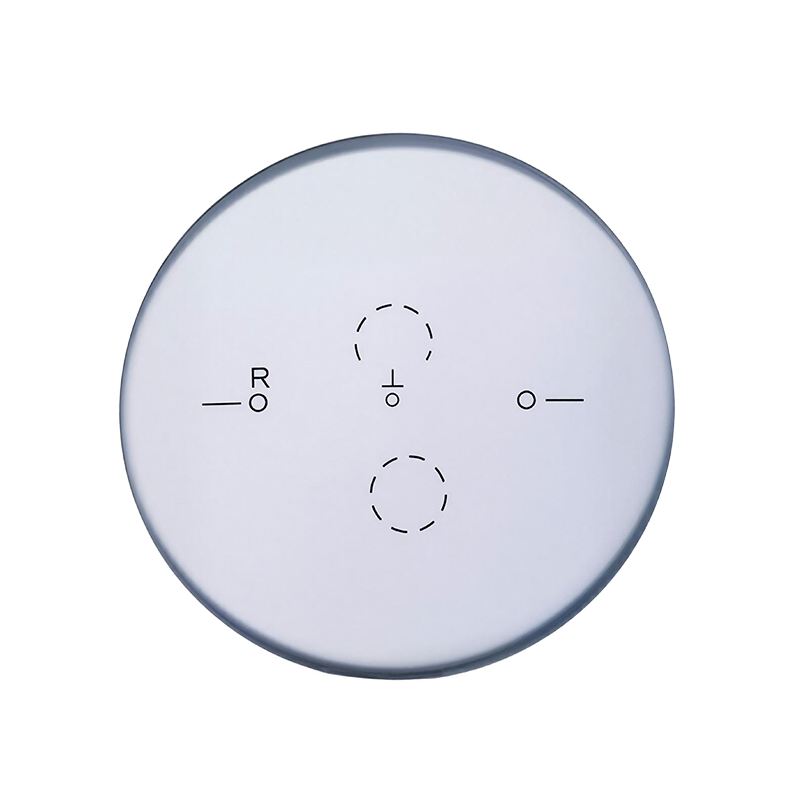
The first decision is usually which optical design you need. The most common categories are single vision, bifocal, and progressive lenses. Single vision lenses have one correcting power across the entire lens, making them ideal for distance, reading, or computer use. Bifocal lenses divide the lens into two zones for near and far vision, while progressive lenses provide a seamless gradient of power from distance through intermediate to near.
Progressive lenses have become increasingly sophisticated. Our finished progressives include designs with a 9.4 corridor optimized for modern frame shapes, as well as blue-block and photochromic versions for people who want extra protection during digital and outdoor activities. With a progressive lens, you do not need to switch glasses when moving from a book to a screen to a distant object, which makes them a favorite among presbyopic wearers.
Common lens types and their typical uses
| Lens Type |
Best For |
Typical Correction |
| Single vision |
Uniform distance or reading tasks |
Myopia, hyperopia, astigmatism |
| Bifocal |
People who need separate near and far zones |
Presbyopia |
| Progressive |
Smooth viewing at all distances |
Presbyopia with active lifestyle |
For many presbyopic wearers, progressive lenses are the most popular option because they avoid the visible line of a bifocal. We offer finished progressive lenses in several designs, including blue-blocking and photochromic versions for added everyday functionality.
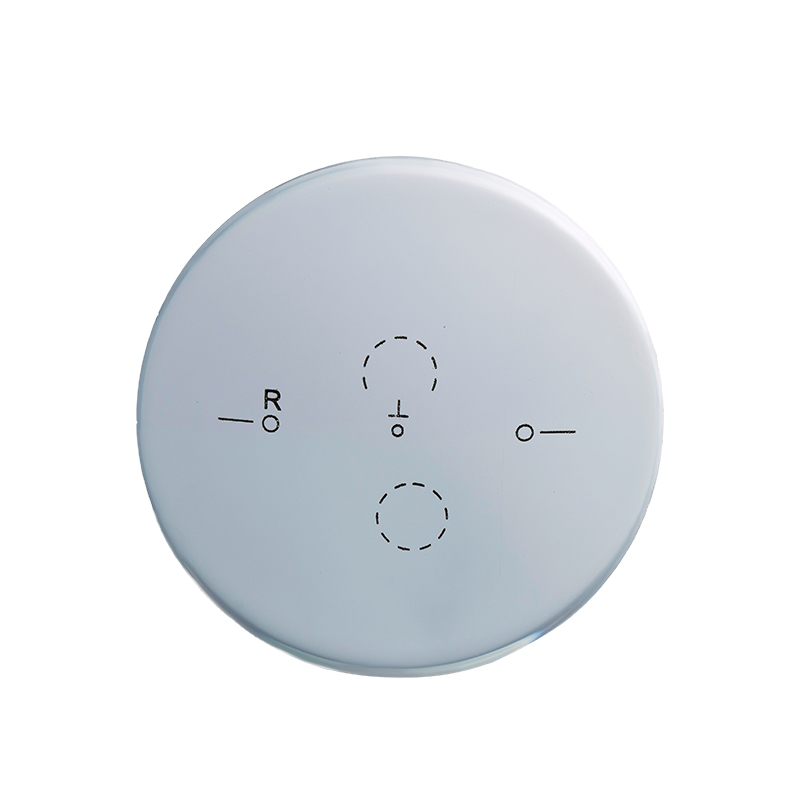 1.56 Progressive Finished Lens with Green CoatingThis medium-index progressive lens offers a smooth transition from distance to near vision, making it a practical choice for presbyopic wearers. Its green multi-coating adds scratch resistance, reduces reflections, and blocks UV rays for everyday comfort.View Product →
Choosing the Right Lens Material
Lens material affects weight, thickness, durability, and optical clarity. In our factory, we work with high-quality resin materials such as TS-46, MR8, and PU63, plus our own formulations. The refractive index—1.50, 1.56, 1.61, or 1.67—determines how effectively the lens bends light. Higher-index lenses are thinner and lighter for stronger prescriptions, while lower-index lenses offer excellent optical quality for mild corrections.
Choosing the right material is also about lifestyle. A student who plays sports may prefer a lightweight, impact-resistant resin lens. A photographer may want a lens with high optical clarity and minimal distortion. An active professional may value a thin 1.67 lens that fits neatly into a smaller frame. Because we produce both finished lenses and semi-finished blanks, we can meet the needs of retail customers and laboratory partners alike.
Refractive index at a glance
| Index |
Best Suited For |
Main Benefit |
| 1.50 |
Low prescriptions |
Classic optics and affordability |
| 1.56 |
Mild to moderate prescriptions |
Balanced thinness and value |
| 1.61 |
Moderate to high prescriptions |
Thinner edges, lighter feel |
| 1.67 |
High prescriptions |
Maximum thinness and comfort |
Our product range includes unfinished single-vision blanks in 1.49, 1.56, 1.61, and 1.67, supplied with UC, HC, or HMC options. If you want to explore how different materials are produced, take a look at our article about lens materials. For a ready-to-wear single vision option, our aspheric green-coated finished lens is a popular choice that combines clarity, scratch protection, and an attractive price point.
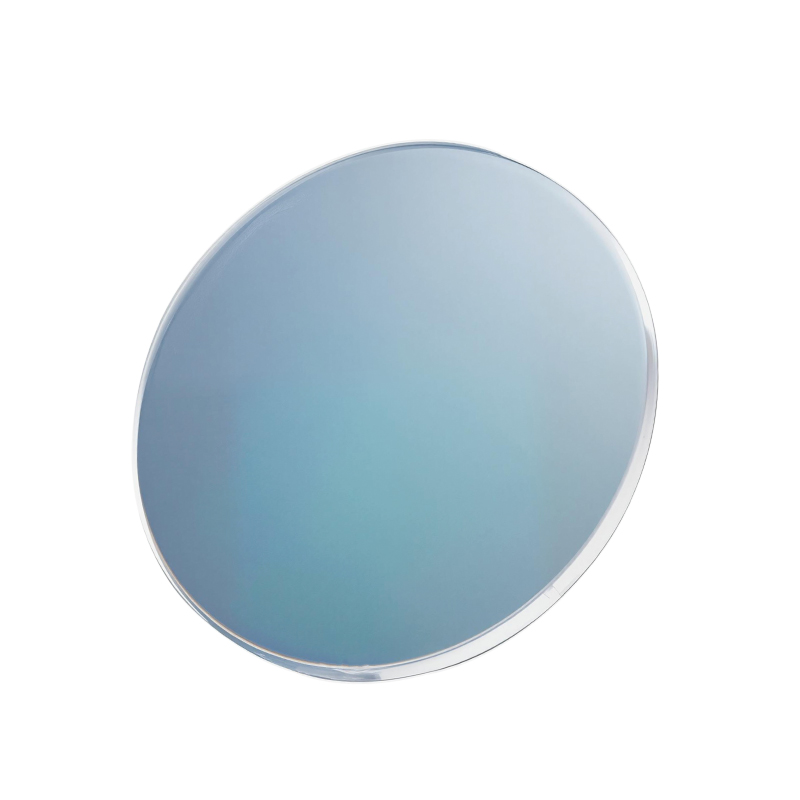 1.56 Aspheric Single-Vision Finished Lens with Green CoatingAn aspheric design minimizes distortion and provides comfortable, clear vision. The green coating enhances scratch resistance, reduces glare, and blocks UV, making this a well-rounded ready-to-wear single-vision option at an attractive value.View Product →
Lens Coatings That Make a Difference
Coatings are applied to enhance durability and visual comfort. A hard coating resists scratches, while anti-reflective (AR) multi-layer coatings, such as our HMC and SHMC, reduce glare and improve night vision. Many wearers also choose blue-blocking coatings to filter high-energy blue light from screens without distorting color. For outdoor life, photochromic coatings darken in sunlight and return to clear indoors, and anti-UV treatments are standard on most of our lenses.
Blue-light protection has moved from being a premium add-on to an everyday expectation. Our blue-block finished lenses are available with crystal blue, green, airblue, or double green-blue coatings, so there is a solution for almost any style preference. The combination of blue-light filtering and a premium anti-reflective coating makes them an excellent upgrade for people who spend long hours in front of digital displays. Photochromic lenses, meanwhile, use spin-coating or embedded technology to respond quickly to changing light, and our fast-change versions are designed for people who move between indoors and outdoors frequently.
In our more than 19 coating lines, we apply hard coats, AR stacks, and color treatments under strict quality control. This vertical integration allows us to offer consistent coating durability across all our products.
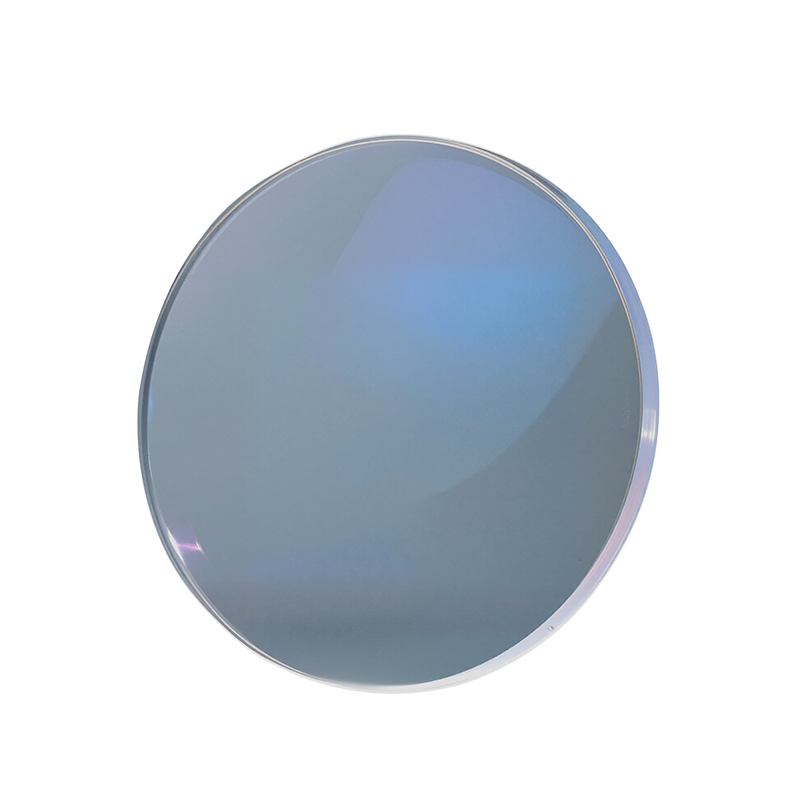 1.61 Blue-Blocking Finished Lens with Airblue SHMC CoatingDesigned for digital users, this thin and lightweight lens filters harmful blue light while offering high light transmission, full UV protection, and an anti-reflective SHMC coating, helping reduce eye strain and improve visual comfort.View Product →
Specialty Lenses for Modern Lifestyles
Beyond the basics, specialty lenses address specific visual needs. Blue-blocking lenses help digital workers keep their eyes comfortable. Photochromic lenses adapt to changing light and are ideal for drivers, commuters, and outdoor enthusiasts. Polarized sunglass lenses reduce glare from reflective surfaces such as water or pavement. Myopia-control designs are also part of our range, supporting younger wearers under professional supervision.
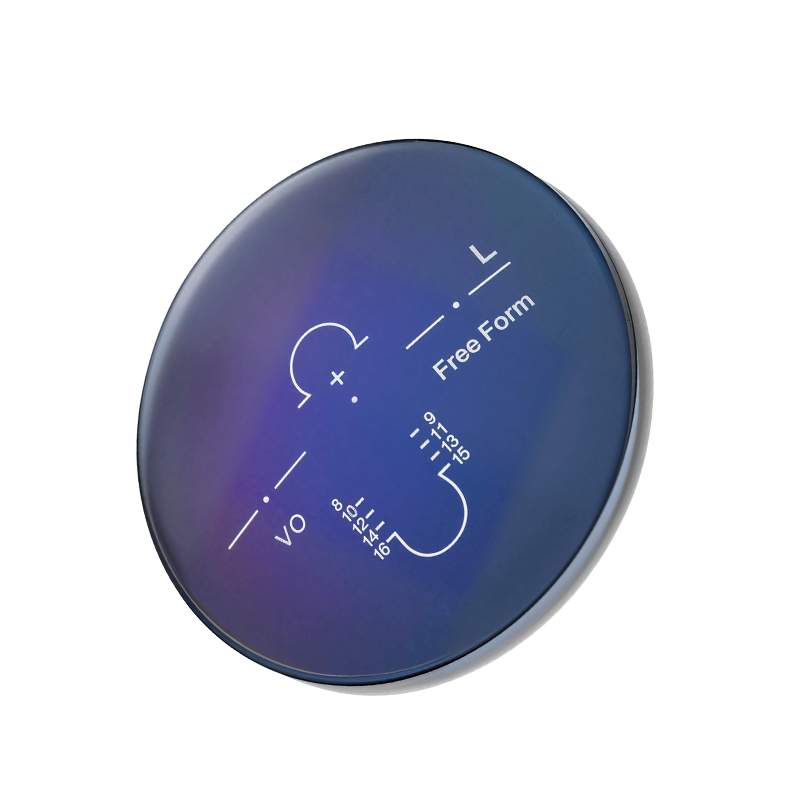
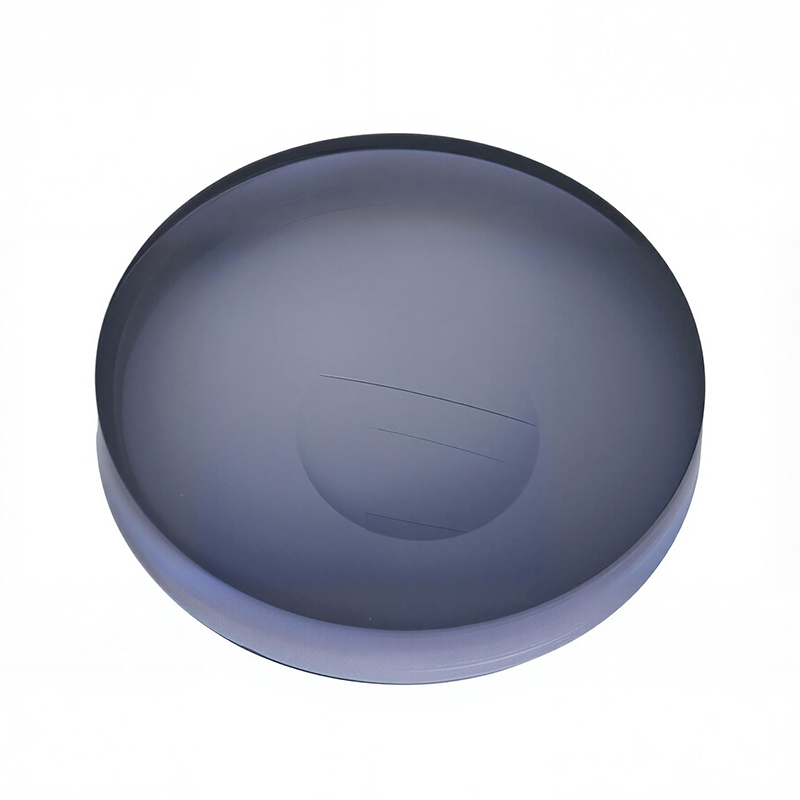
For prescriptions that require extra precision, freeform RX lenses are digitally surfaced to match the exact parameters of the wearer’s eye. Our freeform portfolio includes blue-block photochromic, progressive, and photochromic progressive versions in 1.56, 1.61, and 1.67 indexes. Freeform technology gives eyecare professionals the ability to correct even complex prescriptions while keeping lens thickness to a minimum. We also produce bifocal lenses in flat-top and round-top designs, some with photochromic and blue-block functions combined in a single lens for older wearers who spend time both outdoors and on screens.
How to Choose the Right Lenses Glasses
Start with your latest prescription and an eye exam, then think about your daily environment. Here are a few practical tips we share with optical retailers and wearers:
- If you work at a computer and use your phone often, a blue-blocking coating can help reduce eye fatigue.
- If you move frequently between indoor and outdoor settings, photochromic lenses or a photochromic coating will save you from carrying a second pair.
- If you have a high prescription, choose a higher-index material such as 1.61 or 1.67 to keep lenses thin and light.
- If you need reading assistance and do not want a bifocal line, consider progressive lenses.
Frame size also matters; larger frames require different lens curvatures, and your optician can help you match the lens design to your chosen frame. Pupil distance and fitting height are essential for progressive and freeform lenses, so always have a professional measurement. And remember that lens quality is just as important as lens design. A well-made lens with a durable coating can make your glasses feel comfortable for years.
At JUST Optics, we support eyecare professionals with a complete portfolio: stock lenses, semi-finished blanks, and RX custom lenses. We also welcome OEM and ODM partnerships with leading optical brands, because we know that every market has unique style preferences and technical requirements.
Understanding lenses glasses does not have to be complicated. Knowing the main types, materials, and coatings puts you in control of your vision experience. As a manufacturer with deep expertise in optical engineering, JUST Optics is proud to supply eyecare professionals, retail chains, and lens laboratories with reliable products that meet the needs of today’s wearers. For more information about our company and manufacturing philosophy, explore our company overview.

 English
 Français
 Español
 عربى
عربى 中文
中文