In the competitive landscape of optical manufacturing, the progressive semi-finished lens has long represented one of the most technically demanding products in the industry. Combining seamless vision correction across multiple distances with the durability demands of daily wear, these lenses must strike a precise balance between optical performance and physical resilience. Enter the era of super anti-scratch technology—a transformative advancement that is reshaping how manufacturers, opticians, and end-users think about lens longevity, value, and quality.
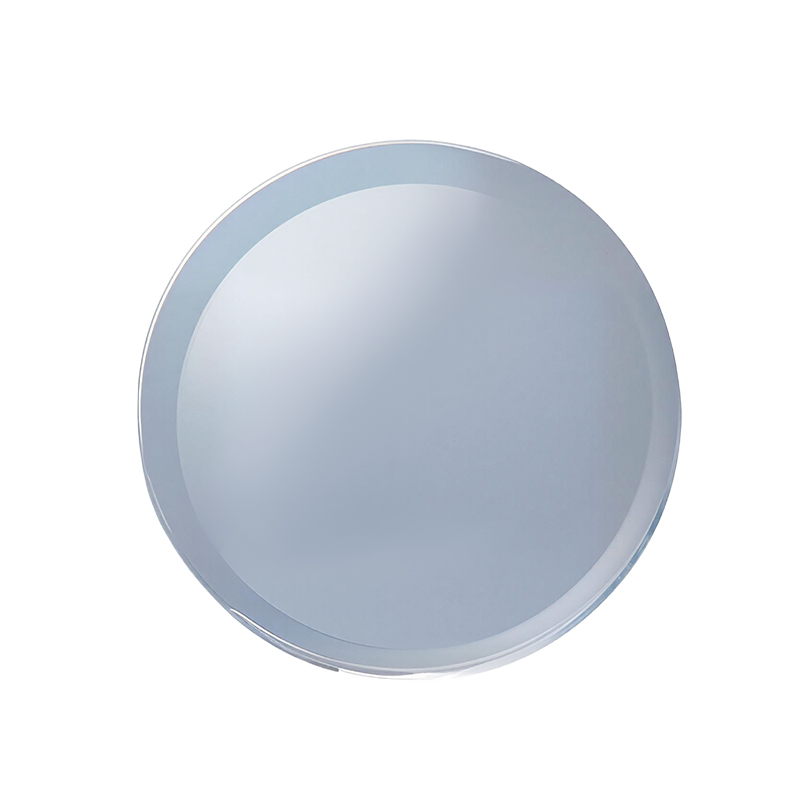
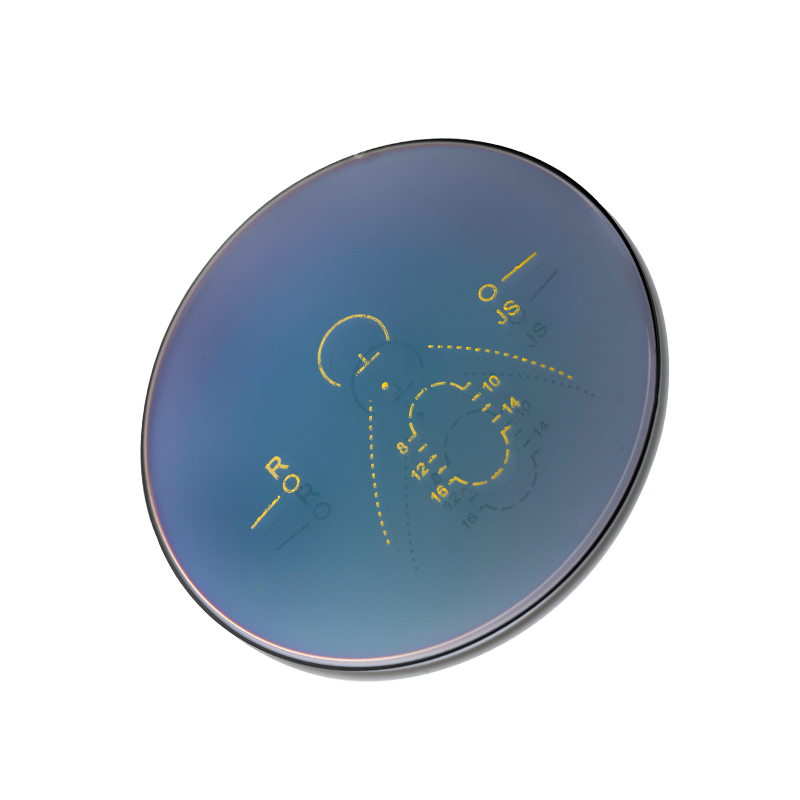
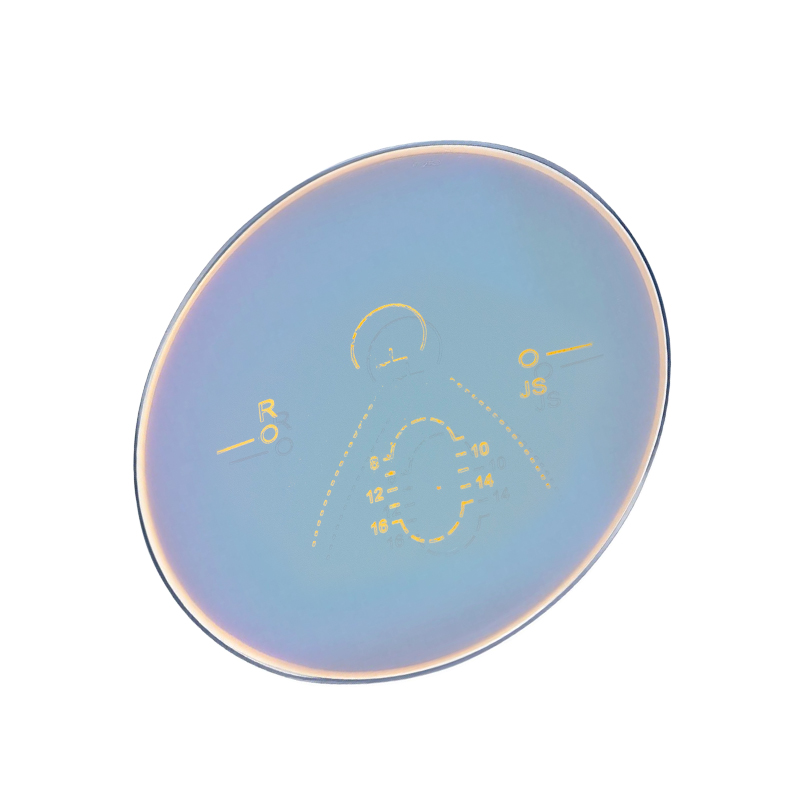
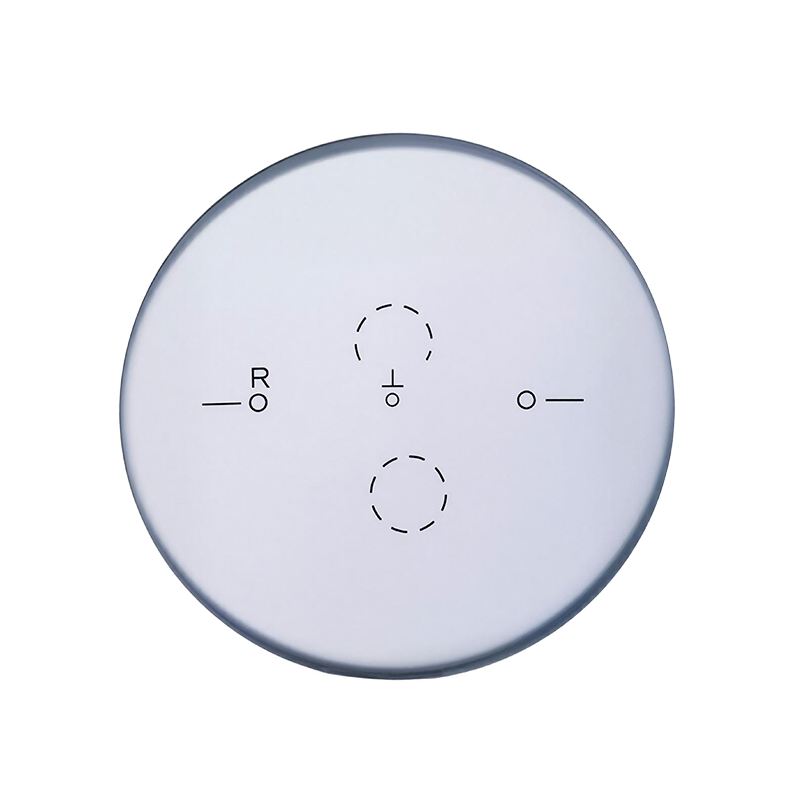
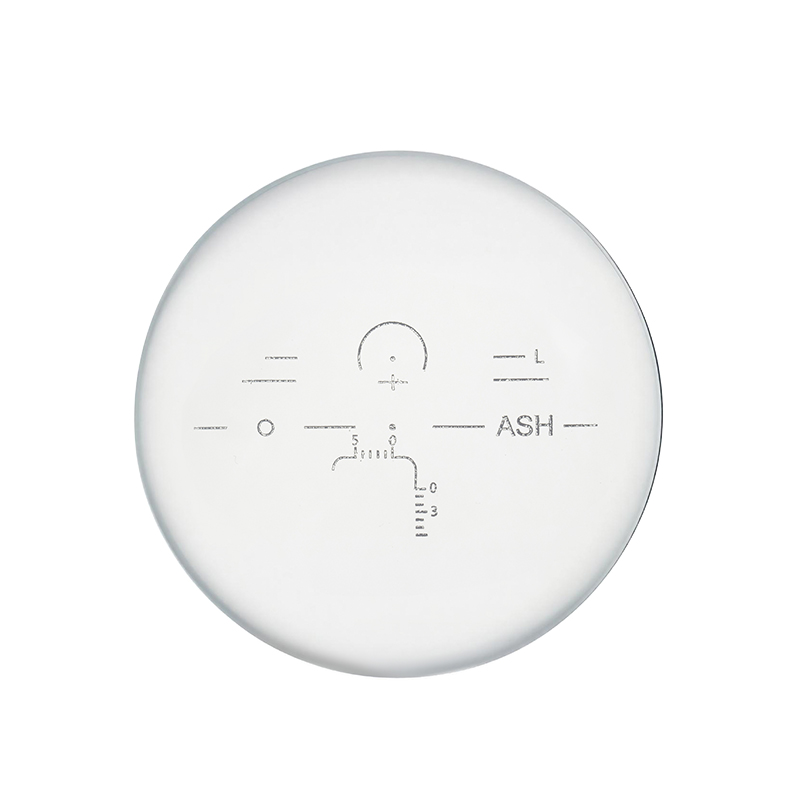
A progressive semi-finished lens (also referred to as a progressive semi-finished blank) is an optical lens substrate that has been surfaced on one side—typically the front—with a progressive addition design. The back surface remains uncut and unprocessed, awaiting individual prescription grinding at the laboratory stage. This manufacturing model enables opticians and wholesale labs to stock a versatile range of lens blanks and finish them to precise patient prescriptions on demand.
Unlike finished single-vision lenses, progressive semi-finished blanks carry a complex gradient of optical power that transitions smoothly from the distance zone at the top, through the intermediate corridor, to the near vision zone at the bottom. This graduated design eliminates the visible lines of traditional bifocal or trifocal lenses and provides wearers with a natural, seamless visual experience across all focal distances.
The progressive semi-finished lens is not simply a product—it is a platform for precision optics, and the anti-scratch coating is its first line of defense against the relentless entropy of everyday life.
The semi-finished format is preferred by wholesale optical labs and independent dispensaries for its flexibility. A single range of blanks can serve a wide spectrum of prescriptions, reducing inventory overhead while maintaining the responsiveness needed in a fast-moving retail optical environment.
The Role of Anti-Scratch Technology in Lens Performance
Optical lenses—regardless of their visual design sophistication—are only as valuable as their durability in real-world conditions. Scratches are the most common cause of lens replacement complaints worldwide. A lens that develops surface abrasions loses clarity, creates distracting light scatter, and significantly diminishes the wearer's visual quality. For progressive lenses in particular, where precise optics in every zone are critical, even minor surface degradation can compromise performance.
Standard hard coatings, while better than uncoated surfaces, frequently prove insufficient for lenses made from modern materials such as polycarbonate, Trivex, or high-index plastics (1.60, 1.67, 1.74). These materials, prized for their lightness and impact resistance, are inherently softer than glass and therefore more susceptible to scratching without adequate surface treatment.
Super anti-scratch technology addresses this vulnerability through a multi-layered approach. Rather than relying on a single hard coat applied at the end of processing, contemporary super anti-scratch systems integrate protective chemistry at multiple stages of lens manufacturing—enhancing adhesion between the substrate and coating layers, optimizing coating thickness profiles across the complex curvatures of a progressive surface, and selecting abrasion-resistant materials engineered to withstand the specific challenges of everyday optical wear.
How Super Anti-Scratch Coating Works on Progressive Surfaces
Applying an effective anti-scratch coating to a progressive lens blank presents unique engineering challenges that simply do not exist with single-vision or flat-surface optics. The continuously varying curvature of a progressive front surface creates gradients in coating thickness if standard application methods are used without compensation—leading to zones of vulnerability at the edges of the reading corridor or near-vision zone.
Multi-Layer Coating Architecture
Modern super anti-scratch systems utilize a primer layer, hard coat layer, and anti-reflective stack working in concert. The primer, typically a UV-curable organic-inorganic hybrid, bonds strongly to the lens substrate and provides a flexible intermediate layer that absorbs mechanical stress before it can propagate to the rigid hard coat above. The hard coat itself—usually a silicone-based or nanoparticle-reinforced formulation—provides the primary scratch resistance. Over this, an anti-reflective multilayer stack may be applied, which must itself be engineered to avoid contributing brittleness to the overall coating system.
Nanocomposite Hard Coat Formulations
A major advancement driving the "super" tier of anti-scratch performance is the incorporation of nanoparticles—most commonly nano-sized silica (SiO₂), alumina (Al₂O₃), or zirconia (ZrO₂) dispersed uniformly within the hard coat matrix. These particles, typically 10–50 nanometers in diameter, fill the interstitial spaces of the polymer coating network, creating a densely packed surface with dramatically reduced susceptibility to abrasive wear. The Vickers hardness of nanocomposite hard coats can exceed that of conventional formulations by 30–50%, translating directly into superior scratch resistance scores on standardized Bayer and Taber abrasion tests.
Spin and Dip Coating Processes
The application method is as critical as the coating material itself. For progressive semi-finished lens blanks, spin coating is widely preferred for its ability to deposit a uniform film across the complex topography of the progressive surface. During spin coating, a precise volume of liquid coating is dispensed at the center of the rotating blank, and centrifugal force spreads it evenly outward. Process parameters—spin speed, acceleration profile, coating viscosity, and ambient humidity—are tightly controlled to achieve consistent film thickness across the entire optical zone, including the challenging near-vision area where surface curvature is highest.
Dip coating remains an alternative for certain lab environments, offering advantages in throughput when processing large batches of blanks simultaneously. Advanced dip-coating lines use withdrawal speed programming to compensate for lens geometry and maintain uniform coating thickness.
3× Scratch resistance vs. standard hard coat
99% UV protection in combined coating systems
40+ Hardness improvement (Bayer ratio) over uncoated base
5yr Typical warranty on premium coated progressive lenses
Key Features of Premium Progressive Semi-finished Lenses with Super Anti-Scratch
Advanced Surface Design
Digital free-form or optimized conventional progressive designs ensure minimal distortion across the full lens surface, paired with coatings that preserve optical clarity without introducing haze.
Super Hard Coat Layer
Nanoparticle-reinforced silicone hard coats rated to Bayer ratios above 3.5, providing durable protection against everyday abrasives encountered in glasses handling and cleaning.
Anti-Reflective Compatibility
Engineered for seamless integration with premium AR coatings without sacrificing adhesion or mechanical integrity—enabling full optical performance stacking.
Thermal Stability
Coating systems formulated to withstand temperature cycling, hot environments, and the thermal stress of lab surfacing processes without cracking or delamination.
Chemical Resistance
Resistance to common cleaning agents, perspiration, sunscreen, and cosmetics—protecting lens integrity during the full product lifetime.
Multi-Index Compatibility
Available across CR-39, polycarbonate, Trivex, 1.60, 1.67, and 1.74 index materials, with coating formulations optimized for the specific substrate chemistry of each material.
Manufacturing Considerations for Labs and ECPs
For optical laboratories and eye care professionals (ECPs) sourcing progressive semi-finished lens blanks, the integration of super anti-scratch technology into the supply chain involves several practical considerations worth understanding.
Lab Processing Compatibility
Semi-finished blanks pre-coated with a super anti-scratch system must remain compatible with back-surface surfacing processes performed at the lab. During edging, blocking, and surfacing, the front-surface coating must resist the mechanical and thermal stresses of these operations without peeling, crazing, or developing stress fractures. Premium coated blanks are specifically formulated and tested for lab processing durability, ensuring the front-surface protection remains intact through the entire finishing workflow.
Post-Surfacing Coating Options
In some workflows, labs apply hard coats and AR coatings after surfacing the back of the blank to prescription. In this case, the semi-finished blank may arrive with only a protective lacquer on the front surface, and the full coating stack—including super anti-scratch hard coat—is applied by the lab as part of its finishing process. Lab-applied super anti-scratch coatings offer the advantage of being deposited on the completed lens surface, ensuring optimal adhesion to the freshly surfaced substrate on both sides simultaneously.
Quality Control and Standardized Testing
The optical industry employs several standardized testing methods to verify and communicate anti-scratch performance. The Bayer Abrasion Test compares the haze increase of a coated lens after tumbling with abrasive sand against a CR-39 reference lens, yielding a Bayer ratio where higher numbers indicate better scratch resistance. The Taber Abrasion Test uses rotating abrasive wheels under controlled pressure to assess wear resistance. Premium super anti-scratch coatings are routinely certified against both standards, with leading products achieving Bayer ratios exceeding 4.0—more than four times the scratch resistance of the uncoated CR-39 baseline.
Key Quality Indicators to Look For
- Bayer Ratio ≥ 3.5 — Indicates genuine super anti-scratch performance vs. basic hard coat
- ISO 8980-1 Compliance — Ensures the progressive design meets international optical quality standards
- Adhesion Cross-Hatch Test (ISO 2409) — Verifies coating bond strength to the substrate under stress
- Hydrophobic Top Coat — Reduces smudging and cleaning frequency, indirectly protecting the hard coat from abrasion during wiping
- UV400 Absorber Integration — Many premium coated blanks incorporate UV absorbers in the substrate or primer, offering additional protection
The Synergy Between Progressive Design and Coating Technology
The pairing of a sophisticated progressive optical design with super anti-scratch coating is not merely additive—it is synergistic. A free-form progressive surface optimized for minimal peripheral distortion represents a significant manufacturing investment, both in design software and precision CNC surfacing equipment. Protecting that investment with a commensurate coating system ensures the full optical and commercial value of the lens is preserved over its service life.
Wearers of premium progressive lenses make a considerable financial commitment to their vision correction. Super anti-scratch protection aligns with their expectation of long-term performance and reduces the frustration—and the practice's cost—of early replacement due to surface degradation. From a dispensing perspective, offering lenses with certified super anti-scratch performance provides a tangible, communicable quality advantage that supports premium pricing and differentiates a practice from commodity optical retail.
When optical precision meets surface durability, the result is not just a better lens—it is a better patient experience, measured in years of clear, confident vision.
Application Sectors and Market Demand
Progressive semi-finished lenses with super anti-scratch technology serve a broad spectrum of market segments, each with distinct performance priorities:
Premium Retail Opticians leverage super anti-scratch as a key differentiator in their product portfolio, pairing it with digital progressive designs and premium AR coatings in full-performance lens packages. The combination enables confident warranty programs and positions the practice as a quality-first destination.
Wholesale Optical Laboratories benefit from blanks with robust pre-applied coatings that survive the rigors of high-throughput surfacing lines. Super anti-scratch coatings engineered for lab compatibility reduce reject rates and coating delamination incidents that can disrupt production flow.
Active and Outdoor Wearers represent a growing segment for whom durability is paramount. Progressives worn during outdoor activities encounter elevated exposure to abrasive particles, UV radiation, and physical contact—conditions that push standard coatings to their limits and validate the investment in super anti-scratch protection.
Children's and Teen Progressive Lenses increasingly incorporate super anti-scratch technology as an essential feature, given the higher physical demands placed on lenses by younger wearers and the operational and financial disruption of frequent lens replacement during critical vision correction periods.
Future Directions: Self-Healing and Next-Generation Scratch Resistance
Research in optical coating science is advancing toward a new frontier: self-healing anti-scratch coatings. These systems incorporate polymer networks with reversible crosslinking chemistry that, when activated by heat (such as body temperature or brief exposure to warm water), allows minor surface scratches to "flow" and repair themselves. While currently confined to premium consumer eyewear and specialized optical applications, self-healing coatings are moving toward commercial viability in the progressive semi-finished lens market.
Parallel development in diamond-like carbon (DLC) coatings and atomic layer deposition (ALD) techniques promises future generations of anti-scratch protection surpassing anything currently available. DLC coatings, already established in industrial applications for their extraordinary hardness, are being adapted for optical use with modified formulations that preserve transparency and optical clarity while delivering scratch resistance approaching that of mineral glass.
These innovations will likely be first deployed in progressive semi-finished lens platforms, where the technical infrastructure, quality control, and market premium already justify the development investment. For manufacturers and distributors active in this space today, positioning product lines around super anti-scratch technology is not only a response to current market demand—it is preparation for the next wave of optical materials innovation.
Choosing the Right Progressive Semi-finished Lens with Super Anti-Scratch
For ECPs and labs evaluating progressive semi-finished lens suppliers, the following criteria provide a practical framework for assessing super anti-scratch performance claims:
First, request standardized test data—specifically Bayer ratios and Taber abrasion results—from the supplier. Marketing language around "super" or "enhanced" coatings without supporting test data should be viewed with appropriate skepticism. Second, evaluate substrate-coating compatibility; the optimal coating system for polycarbonate differs from that for CR-39 or high-index 1.74, and suppliers should be able to specify coating performance by substrate type. Third, assess lab processing documentation, including any approved blocking compounds, processing temperatures, or handling requirements that ensure the pre-applied coating survives back-surface surfacing. Finally, consider warranty terms: a supplier confident in their super anti-scratch system will back it with a meaningful warranty period, providing both a commercial guarantee and a signal of genuine performance confidence.
The progressive semi-finished lens with super anti-scratch technology represents the convergence of optical science and materials engineering at their most practically relevant. As patient expectations for lens performance and longevity continue to rise—and as the optical industry refines its ability to quantify and communicate quality—super anti-scratch protection will become not a premium option, but the expected standard for any lens worthy of the progressive designation.

 English
 Français
 Español
 عربى
عربى 中文
中文