When a retail business expands from frames into lenses, the first bad batch can erase a full quarter of optical margin. That is why the practical question behind a search for "eyewear distributors and wholesalers" is not about the lowest unit price. It is about finding a partner with direct control over lens design, resin molding, coating, and final inspection. The fastest way to reduce supply risk is to source from a lens manufacturer that sells wholesale, rather than a trading company that repackages lenses from unknown factories.
Jiangsu Junshi Optics is an example of the manufacturer-direct model. The company operates a 14,000-square-meter vertically integrated production base in China, with a stated annual output exceeding 25 million lenses, four automated resin casting lines, and more than 19 AR and hard coating lines. It supplies international eyewear brands, optical retail chains, and professional optometry institutions in over 60 countries. For a wholesaler evaluating partners, those operational facts say more than a glossy catalog.
What "Eyewear Distributors and Wholesalers" Actually Covers
The label covers multiple business models: regional importers who stock frames from many brands, specialized wholesalers who sell only lenses, and logistics-driven resellers who never touch the goods. Each model suits a different buyer, but the label alone tells you little about quality. What matters is traceability. Whoever you buy from should be able to name the factory that produced every batch, the coating processes applied, and the inspection standards used before shipment.
When the supply chain is shallow, defects are described as acceptable variation. When the manufacturer is the supplier, the answer is usually faster and more precise, because the production and liability sit in the same organization.
Check Who Actually Makes the Lenses Before You Compare Prices
Vertical integration is the first thing to verify. A genuine lens manufacturer formulates the resin, casts the blanks, cures, surfaces, and applies coatings before packaging. Junshi's facility covers the full chain, from material formulation to final packing, which is why the company can offer both standard stock lenses and custom-designed products under one roof.
When you ask a prospective wholesale supplier for production details, look for specifics: the number of casting lines, the number of coating lines, the annual output per line, and the in-house quality checks between stages. Vague answers are the first red flag.
A good starting point for a basic stock program is a workhorse item such as the 1.56 aspheric single vision finished lens. It has a mainstream refractive index, a simple aspheric design, and a standard green coating, so it reveals how disciplined a factory is at the routine level. If a supplier cannot be consistent here, premium products will not save you later.
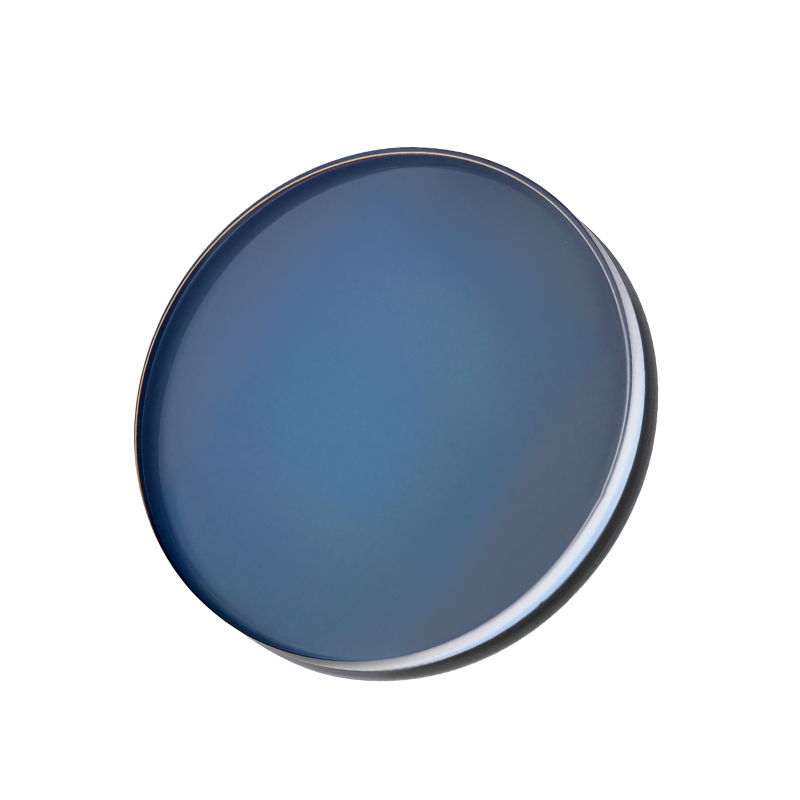
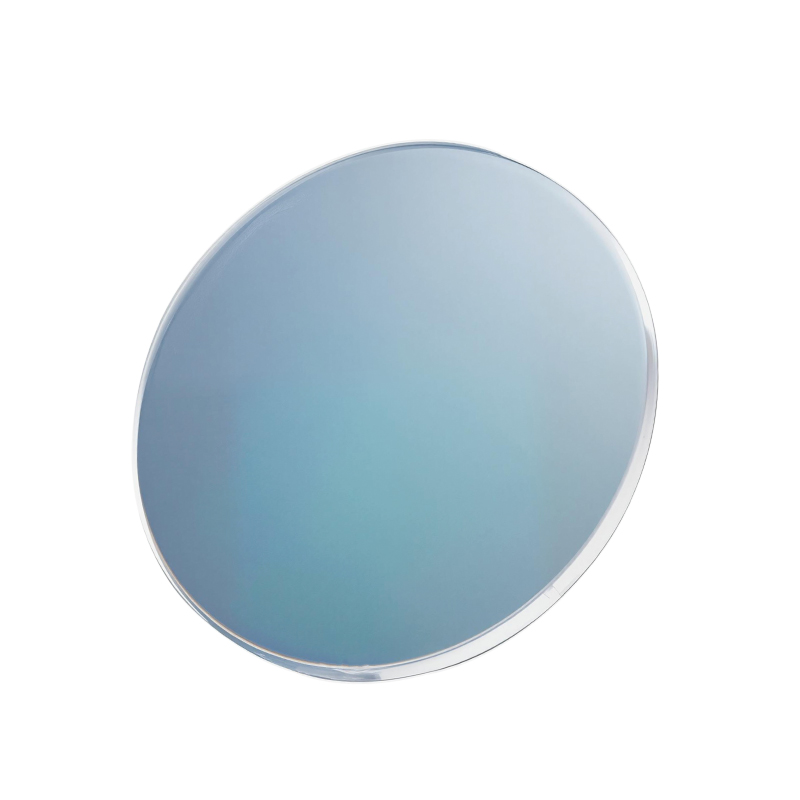 Wholesale 1.56 ASP Green Coating Single-Vision Finished Lens Suppliers, Factory Jiangsu Junshi Optics Co., Ltd is China wholesale 1.56 ASP Green Coating Single-Vision Finished Lens suppliers and factory,● Surface Desi...View Product →
If you want to understand the production steps behind this category, our article on single vision finished lens manufacturing explains how the molding, curing, and coating stages affect the optical performance of the finished blanks.
Match the Lens Portfolio to the Customers You Serve
Distributors rarely sell to themselves. Their reorder rate depends on how well the lens portfolio fits the end customer. A retail chain wants fast-moving finished stock lenses. An optical laboratory wants semifinished blanks and freeform designs it can edge. A sunglasses brand wants polarized sun lenses. A good wholesale program usually covers all four supply formats.
Four lens supply formats that define a wholesale lens program
| Supply format |
What it offers |
Typical buyer |
| Finished stock lens |
Ready to edge and fit; fast turnaround; consistent specifications |
Retail chains, online eyewear stores |
| Semifinished lens |
Front surface finished; laboratory generates the back-curve prescription |
Optical laboratories, edging workshops |
| RX or freeform lens |
Digitally generated personalization for progressives and complex prescriptions |
Opticians, specialty prescription labs |
| Sun or polarized lens |
Polarized and mirror coatings for sunglasses assembly |
Sunglasses brands, frame wholesalers |
Junshi's catalog is built the same way: finished stock lenses, semifinished lenses, RX freeform lenses, and sun lenses. Within each format, refractive index, optical design, coating color, and functional layers are treated as independent variables, so a distributor can consolidate multiple SKU families at one approved source instead of managing a patchwork of vendors who each sell only one product type.
Coatings and Materials Decide Your Reorder Rate
Experienced buyers look at the coating menu before they look at the price list. A durable hard coating and a clean anti-reflective layer are the difference between a lens that serves a customer for two years and one that generates a complaint three months after purchase. Blue-blocking and photochromic lenses now dominate the reorder lists of most wholesale lens programs, so the depth of these product families matters.
For blue-blocking programs, the 1.61 blue-block finished lens with airblue coating is a strong mid-index SKU. It gives wearers a thinner edge profile than a 1.56 lens, while the airblue coating reduces the visible reflection that earlier blue-block generations produced. Pairing functional layers with modern coating colors gives your customers a reason to choose your range over a cheaper alternative.
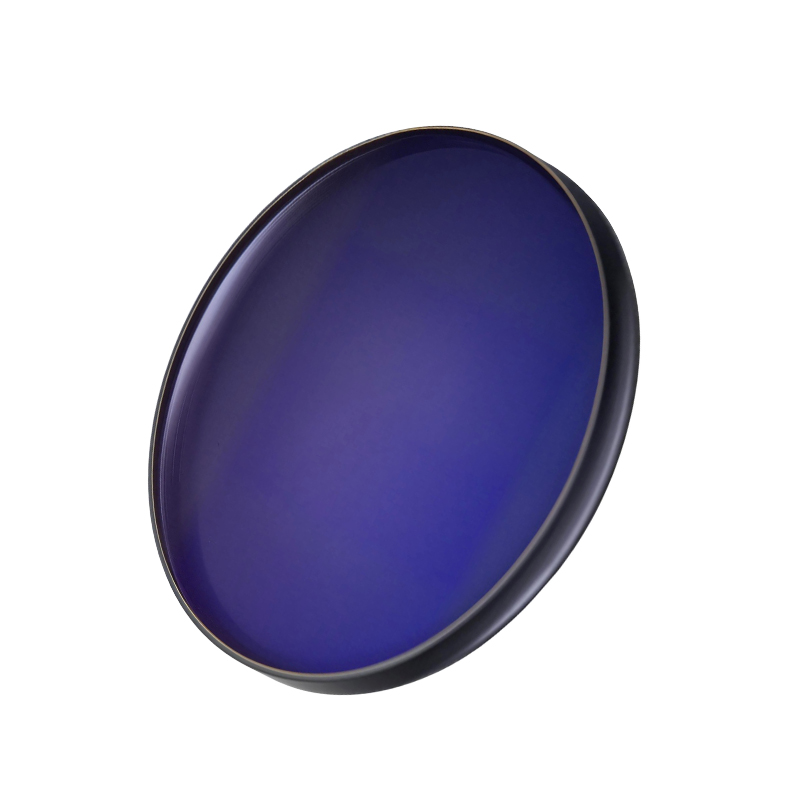
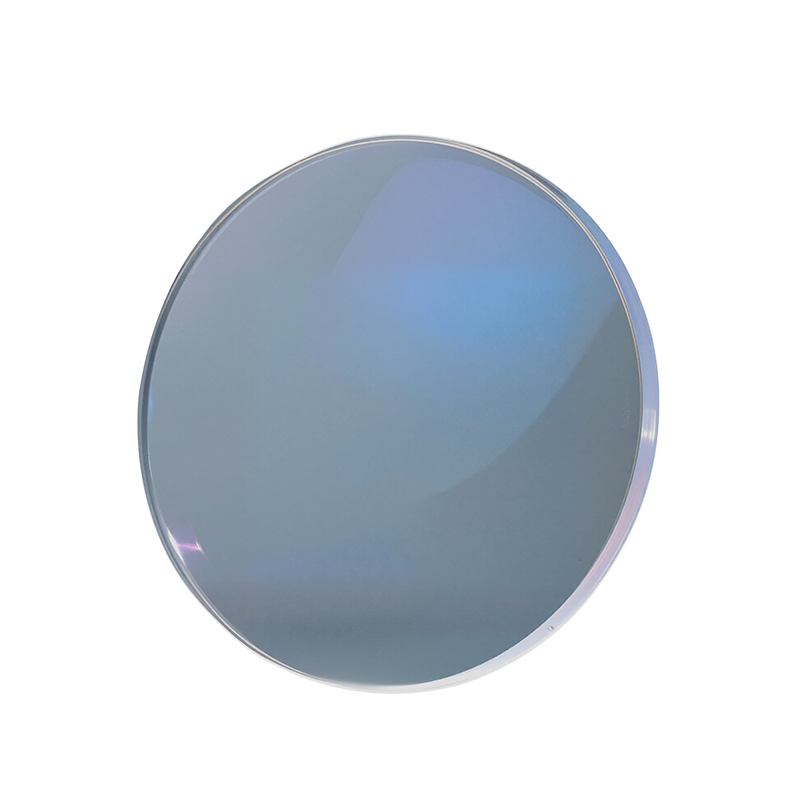 Wholesale 1.61 Blue Block Airblue Coating SHMC Finished Lens Suppliers, Factory Jiangsu Junshi Optics Co., Ltd is China wholesale 1.61 Blue Block Airblue Coating SHMC Finished Lens suppliers and factory,● Good light t...View Product →
Photochromic lenses behave like a separate family. Fast-change photogrey formulas and spin-coating photochromic versions expand what a wholesaler can offer to customers who want one pair for indoor and outdoor use. Verify that your supplier assigns dedicated coating lines to photochromic production. If these SKUs are only occasional batch runs, your consistency will suffer.
Semifinished and RX Programs Turn Wholesalers into Full-Range Suppliers
Many eyewear distributors hit a ceiling because they sell only finished spheres and stock progressives. The moment an independent optician asks for a decentered lens or a complex prescription, the wholesale account stalls. To serve optical laboratories properly, a wholesaler needs semifinished blanks with UC, HC, or HMC options, plus freeform RX lenses for individualized prescriptions.
For retail customers without an in-house laboratory, a reliable progressive SKU such as the 1.61 progressive finished lens with the 9.4 design covers a large share of presbyopic prescriptions at a mid-range index. On the laboratory side, semifinished progressives reduce blank inventory because the back curve is generated locally during the edging process.
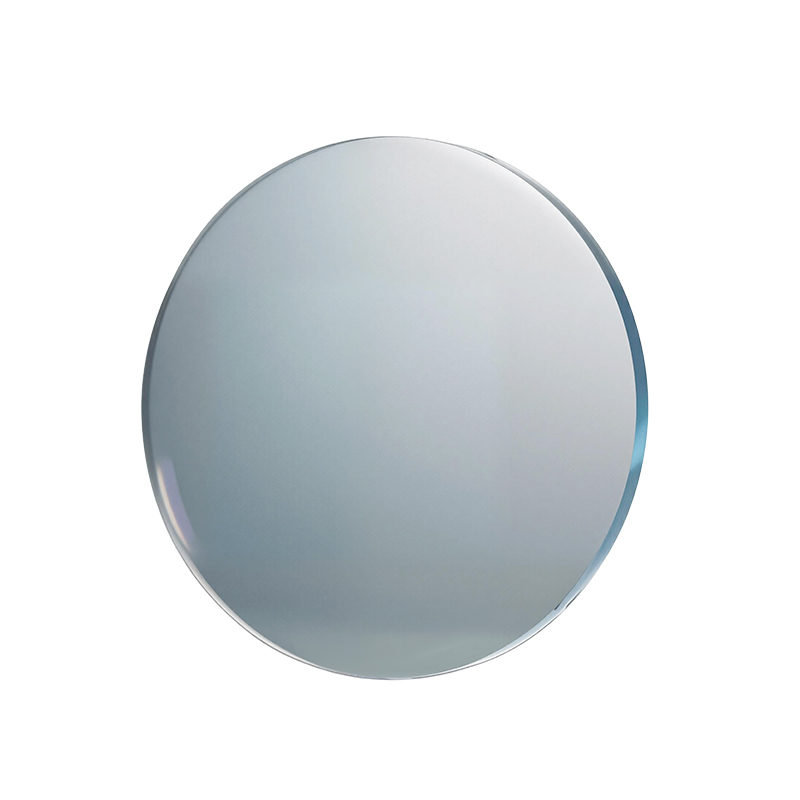
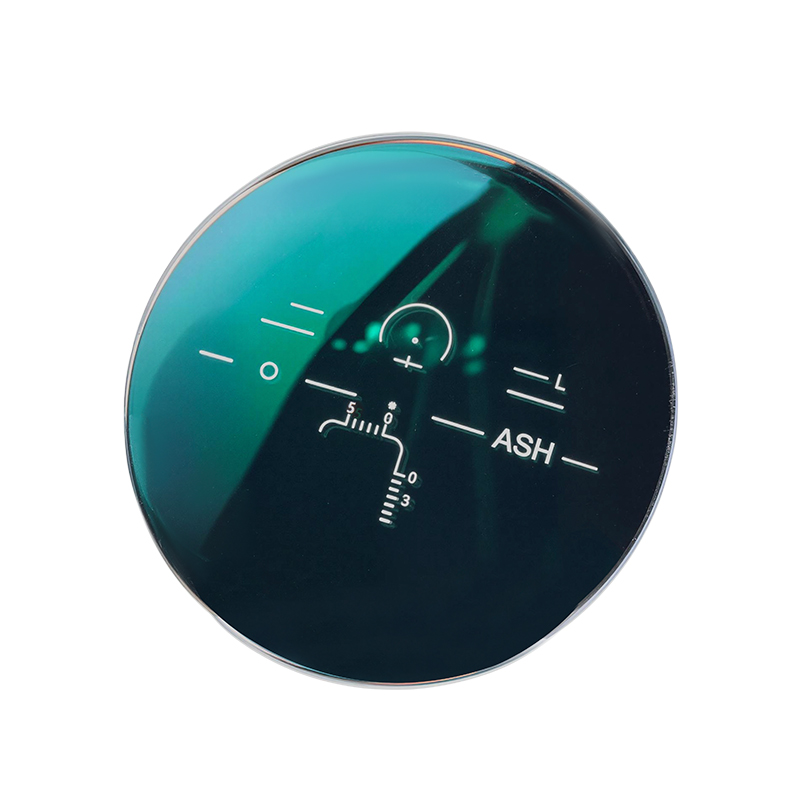 Wholesale 1.61 Progressvie 9+4 Design Finished Lens Suppliers, Factory - JiangsuJiangsu Junshi Optics Co., Ltd is China wholesale 1.61 Progressvie 9+4 Design Finished Lens suppliers and factory,1. Progressive Multifoc...View Product →
The Hidden Costs Inside a Wholesale Lens Order
Several expenses never appear on the invoice, yet they decide whether the partnership is profitable:
- Coating defects that generate replacement claims at the retail counter.
- Box labeling errors that create logistic losses and delayed reimbursements.
- Refractive index and base curve deviations that force laboratory rework.
- Restocking cycles driven by a factory whose minimum production runs are too large for your demand.
A practical verification routine for a new wholesale lens supplier
- Order samples in your real prescription range and check the lenses with a lensmeter when they arrive.
- Test the hard coating with a simple scratch challenge and inspect the anti-reflective layer under direct light.
- Compare the shipment against the packing list for box labels, base curves, and batch numbers.
- Ask for the lead time, minimum order quantity, and coating-line capacity in numbers before placing a large order.
Manufacturer-Direct Sourcing versus Layered Distribution
Most lens wholesalers buy through at least one layer of importers or regional agents. That layer adds cost without adding optical value. A direct relationship with a manufacturer solves the three chronic problems of wholesale lens buying: consistent availability, faster quality communication, and room for private-label development.
Jiangsu Junshi Optics supports both standardized stock programs and OEM or ODM projects, which makes it a practical partner for eyewear distributors and wholesalers who want to build a differentiated range under their own brand. Start from your customer's prescription profile, work backwards to coating and index combinations, then validate the factory with the checks above.
The most reliable distributors and wholesalers are not necessarily the largest ones. The dependable partners are those whose parent manufacturer controls the lens from material to coating line, publishes real production figures, and lets you verify quality before you scale the order. Confirm that control before you commit, and a wholesale lens program becomes a sustainable part of your business rather than a recurring source of claims and rework.

 English
 Français
 Español
 عربى
عربى 中文
中文