Why Your Buyer Type Changes the Way You Source Lenses
A purchasing manager at a 200-store optical chain and an independent optician running a single shop may walk the same trade show aisle, but they are not looking for the same product. The chain’s buyer evaluates suppliers by SKU-level consistency, delivery reliability across multiple regions, and the ability to absorb demand spikes. The independent optician needs small quantities, a wide variety of designs and coatings, and fast replenishment so working capital stays in sellable inventory. Between them sit wholesale distributors and optical laboratories, which do not buy for a storefront at all: they purchase blanks and RX lenses to surface, edge, and finish for a network of professional customers.
The practical conclusion is to choose a lens supplier according to your buyer type, not only according to price per piece. A manufacturer optimized for high-volume stock production can be the wrong partner for an independent store, while a supplier with a deep customization menu may disappoint a chain that needs predictable repeat orders. This guide explains the three main types of optical eyewear wholesale buyers, what each one prioritizes, and how to evaluate a lens factory against those priorities.
The Three Main Types of Optical Eyewear Wholesale Buyers
Independent Optical Stores
Independent optical stores are the most assortment-driven buyers in the market. Because each location serves a local customer base, purchasing decisions follow local demographics: older populations raise demand for progressives, younger professionals drive blue-light-blocking sales, and regional sunlight patterns affect photochromic sell-through. These stores tend to order finished stock lenses in small batches, spread across prescription ranges and coating options.
Three factors matter most to this group. First, low minimum order quantities, because a single store cannot absorb hundreds of pieces of one SKU. Second, catalog breadth—single vision, bifocal, progressive, photochromic, and blue-block options in one price list reduce the number of suppliers a store must manage. Third, speed, because stock lens reorders are driven by daily dispensing rather than by seasonal planning.
Optical Chains and Retail Groups
Optical chains buy in a fundamentally different way. Purchasing is centralized, product lists are standardized, and a given SKU is expected to perform identically in every location. For a chain, the worst outcome is not a slightly higher unit price; it is batch-to-batch variation that produces different lens thicknesses, coating tints, or fitting characteristics across stores. Chains therefore emphasize consistent quality over long production runs, reliable lead times around seasonal launches, and supplier willingness to support private-label or OEM programs.
Because chains reorder the same products continuously, they benefit most from a finished stock lens catalog organized by refractive index, design, and coating. This structure makes it easy to lock down a repeatable bill of materials. For chains that want to anchor a premium offer, a 1.61 blue-block progressive finished lens with a 9.4 design is an example of a high-value SKU that supports premium recommendations at the fitting table.
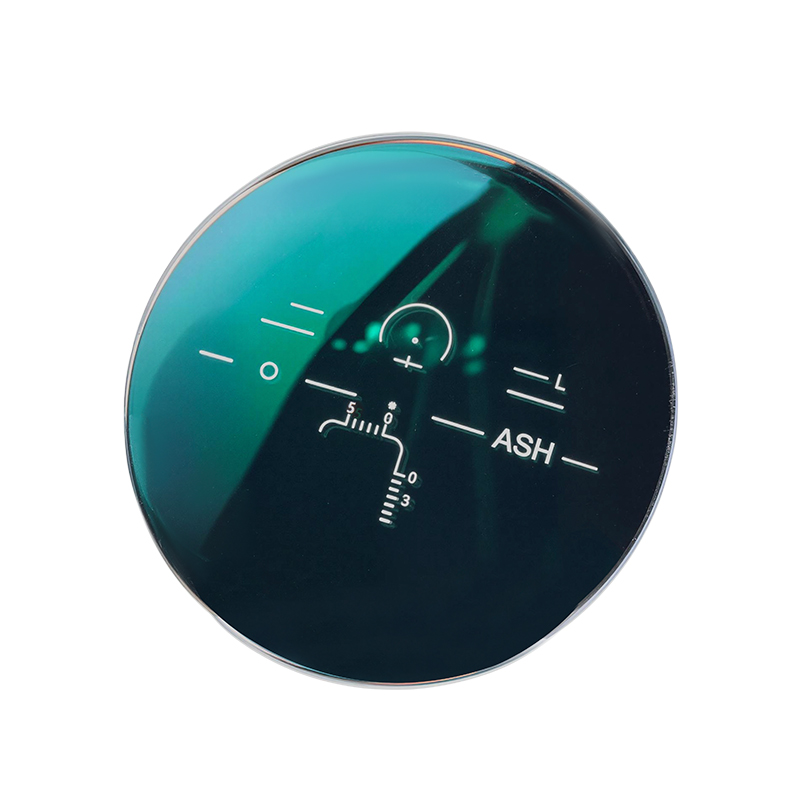 Wholesale 1.61 Blue Block Progressvie 9+4 Design Finished Lens Suppliers, FactorJiangsu Junshi Optics Co., Ltd is China wholesale 1.61 Blue Block Progressvie 9+4 Design Finished Lens suppliers and factory,1. Progressi...View Product →
Wholesale Distributors and Optical Laboratories
Distributors and laboratories occupy the production side of the optical supply chain. Instead of selling directly to wearers, they supply finished lenses to retailers or process semi-finished blanks and RX designs for professional clients. Their purchasing behavior resembles manufacturing procurement more than retail buying. Their core needs start with semi-finished blanks that surface predictably: consistent base curves, stable materials, and reliable blocking.
Distributors also value a broad RX platform, because freeform progressives and customized single vision designs command higher margins than commodity stock lenses. Inventory turnover is the distributor’s main metric; a blank that sits in the warehouse is a cost, so product breadth, technical documentation, and order flexibility matter as much as unit price.
How Procurement Priorities Differ Across Buyer Types
The differences between buyer types show up clearly in ordering patterns and performance targets, as the comparison below summarizes.
Table 1. How optical stores, retail chains, and distributors approach wholesale lens purchasing.
| Buyer Type |
Primary Order Pattern |
Top Procurement Priorities |
Typical Order Size |
| Independent optical stores |
Frequent small orders of finished stock lenses |
Low MOQs, product assortment, fast replenishment |
Tens to low hundreds of pieces |
| Optical chains and retail groups |
Centralized, scheduled, repeat orders |
Batch consistency, lead-time reliability, OEM support |
Hundreds to thousands per SKU |
| Wholesale distributors and labs |
Bulk blanks plus RX and freeform orders |
Surfaceability, technical data, inventory turnover |
Hundreds to thousands of blanks or lenses |
Matching the Right Lens Format to Each Buyer Type
A manufacturer can offer the same optical quality in several commercial formats: finished stock lenses, semi-finished blanks, and RX freeform lenses. The right format depends on who has the ability and the incentive to add value after the lens leaves the factory.
Finished Stock Lenses for Retail-Facing Buyers
For independent stores and chains, the most efficient format is the finished stock lens: a fully cast, coated, and surfaced lens that the store or a local laboratory only needs to edge and mount. This removes the need for surfacing equipment and matches the retail model where dispensing speed decides customer satisfaction. The commercial realities of single vision finished lens manufacturing, from casting to coating selection, explain why stock lenses dominate retail buying.
Our wholesale finished stock lens program covers single vision, flat-top and round-top bifocals, progressives, photochromic lenses, and blue-block functional lenses across 1.49, 1.56, 1.61, and 1.67 refractive indexes. That range lets a store or chain consolidate suppliers while still differentiating its product mix.
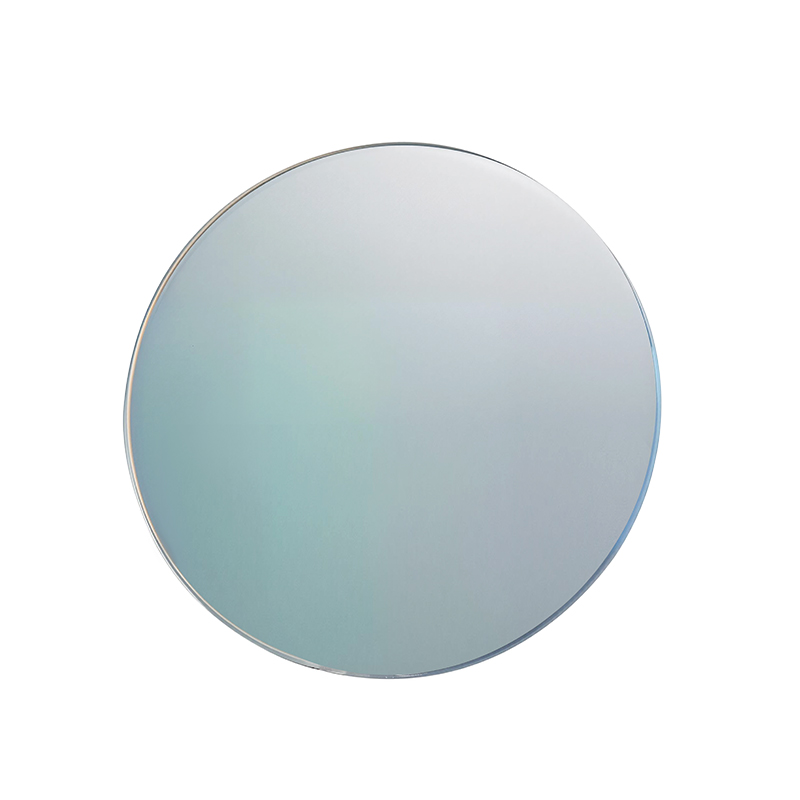 Optical Finished Lenses Manufacturers, Finished Stock Lens FactoryAs China finished stock lenses manufacturers and finished lens factory, Jiangsu Junshi Optics Co., Ltd. offers OEM/ODM optical finished l...View Product →
Semi-Finished and RX Lenses for Production-Oriented Buyers
Distributors, laboratories, and finishing shops approach the same product categories from the blank side. Semi-finished single vision lenses remain the preferred blank format for labs that surface their own stock, and progressive blank selection strongly affects final optical performance. Many labs also need a genuine RX platform for individual prescriptions.
A custom RX lens range that supports 1.56, 1.61, and 1.67 indexes, with blue-block and photochromic variants, allows a lab to produce personalized progressives without keeping dozens of finished SKUs in stock.
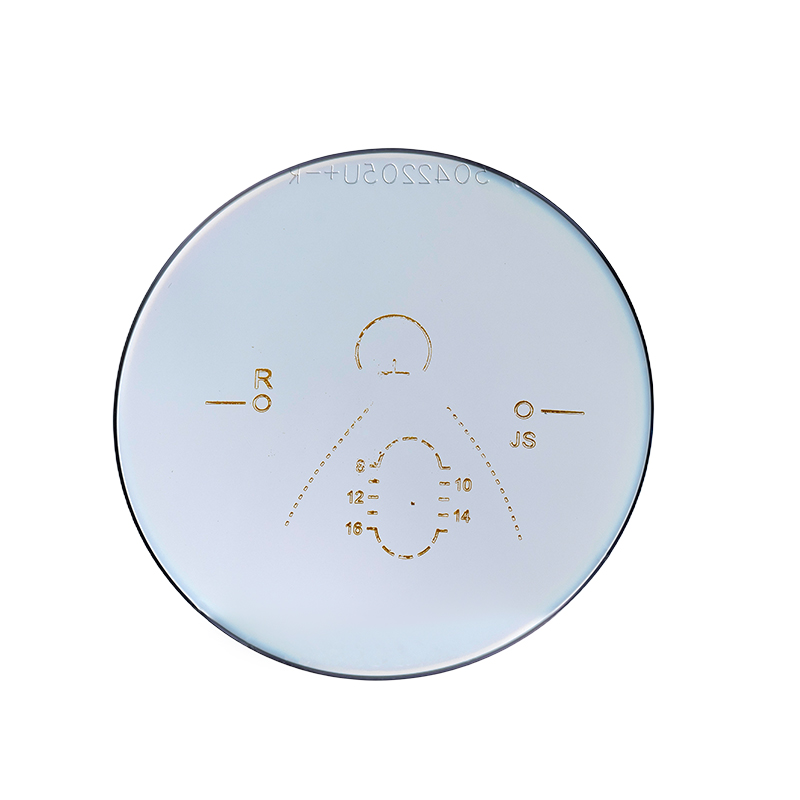 Wholesale RX Lens Suppliers, Factory - Jiangsu Junshi Optics Co., Ltd.Jiangsu Junshi Optics Co., Ltd is China wholesale RX Lens suppliers and factory,What Are Rx Lenses?RX Ethereal lenses cater to the needs ...View Product →
What to Evaluate in an Optical Lens Manufacturer
Whatever your buyer type, the supplier assessment has a common core. The criteria below apply whether you buy finished stock lenses for a single store, contract volume for a chain, or source blanks for a laboratory.
- Production consistency. Ask how many automated casting lines and coating lines the factory operates, and how batch-to-batch variation is controlled. A factory running multiple AR and hard coating lines can switch between coating types without creating separate supply chains.
- Breadth of the product matrix. The most practical suppliers organize products by refractive index, design, and coating combination—for example, a 1.56 bifocal available in HMC, photogrey, and blue-block variants. A deep matrix means fewer suppliers and simpler assortment planning.
- OEM and ODM capability. Chains and brands often need private-label production. Check whether the manufacturer has a long record of OEM lens manufacturing and can handle packaging, labeling, and specification changes. The trade-offs in progressive semi-finished lens design are a good test of how deeply a supplier understands the optics it sells.
- Delivery capacity. Annual lens output, coating line count, and whether the factory supports finished, semi-finished, and RX formats all influence lead-time reliability.
- Technical support. Distributors and labs need accurate base curve data, material specifications, and edging recommendations, not only a price list.
Finally, visit or audit the factory when volume justifies it. A vertically integrated manufacturer controls material formulation, casting, coating, and packaging under one roof, which is the most direct answer to the consistency questions that chains and distributors care about most.
Choosing Based on Your Buying Model
Start the supplier conversation by stating your buyer type explicitly, because the same lens catalog will be evaluated differently by each group. Independent stores should ask about minimum order quantities, dispatch speed, and the ability to mix SKUs in one order. Chains should request batch samples from different production dates and documented coating performance. Distributors should ask for surfaceability data, base curve tables, and lead times on RX freeform production.
Junshi Optics, a vertically integrated lens manufacturer with three decades of production experience, supplies finished stock lenses, semi-finished blanks, and RX freeform lenses to optical brands, retail chains, and distributing laboratories in more than 60 countries. The factory spans roughly 14,000 square meters, with an annual output of over 25 million lenses, four automated resin casting lines, and more than 19 AR and hard coating lines. Regardless of which of the three buyer types you represent, a supplier that understands your ordering pattern will deliver a better fit than one that only offers the lowest price.

 English
 Français
 Español
 عربى
عربى 中文
中文






