Manufacturing Systems and Market Applications of Semi-finished Lens UC/HC/HMC in the Global Optical Lens Industry
In recent years, the global vision care industry has continued to expand. The growing number of people with myopia, the increasing use of digital devices, and consumers’ rising attention to personalized visual experiences have driven the optical lens industry into a new stage of development. Against this background, Semi-finished Lens is no longer merely an intermediate product in traditional lens manufacturing, but an important foundational material that determines lens processing quality, visual performance, and end-user wearing comfort.
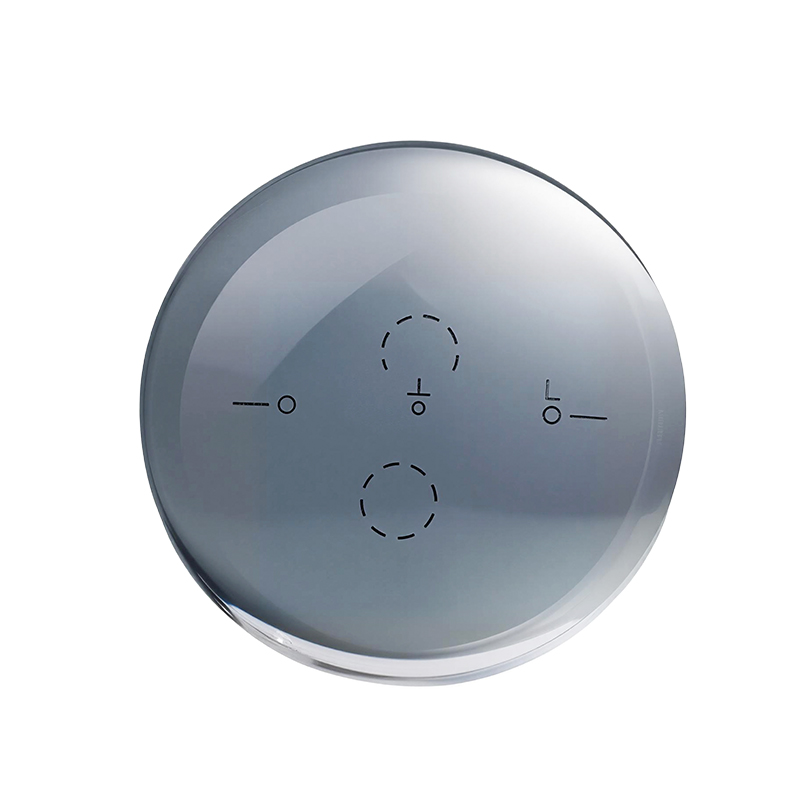
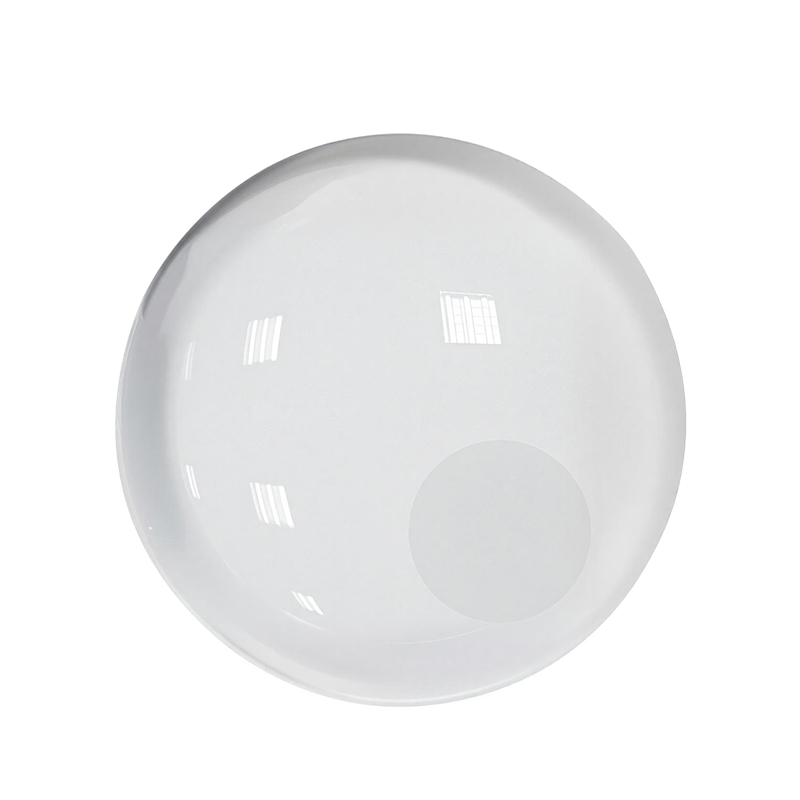
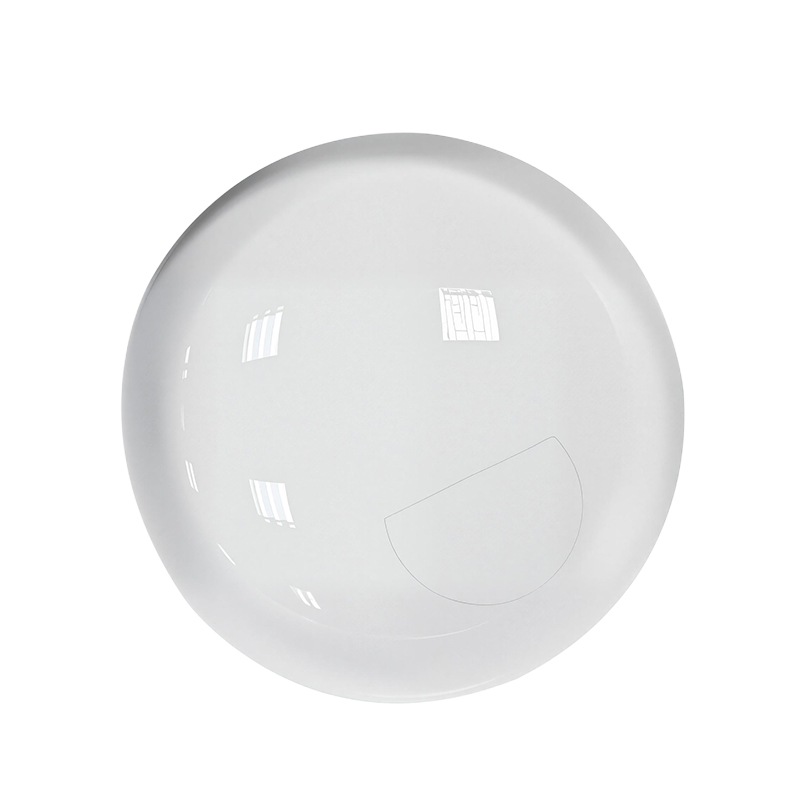
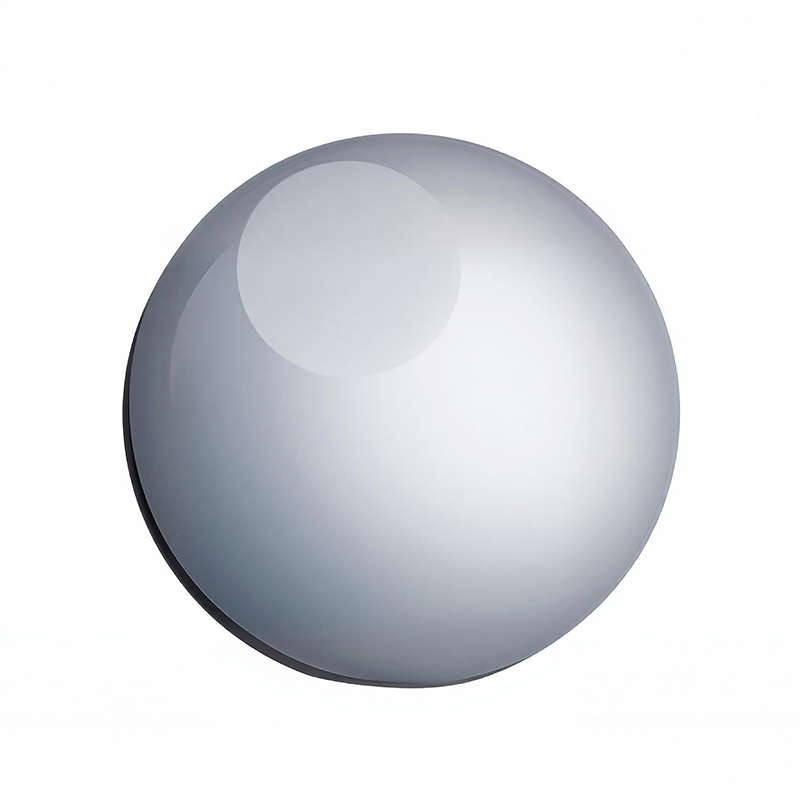
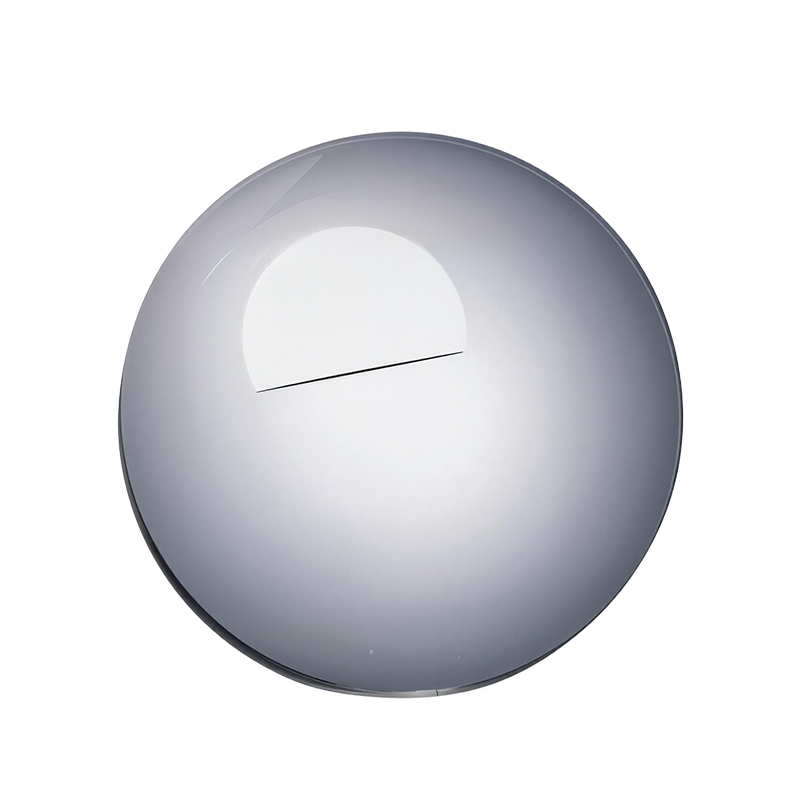
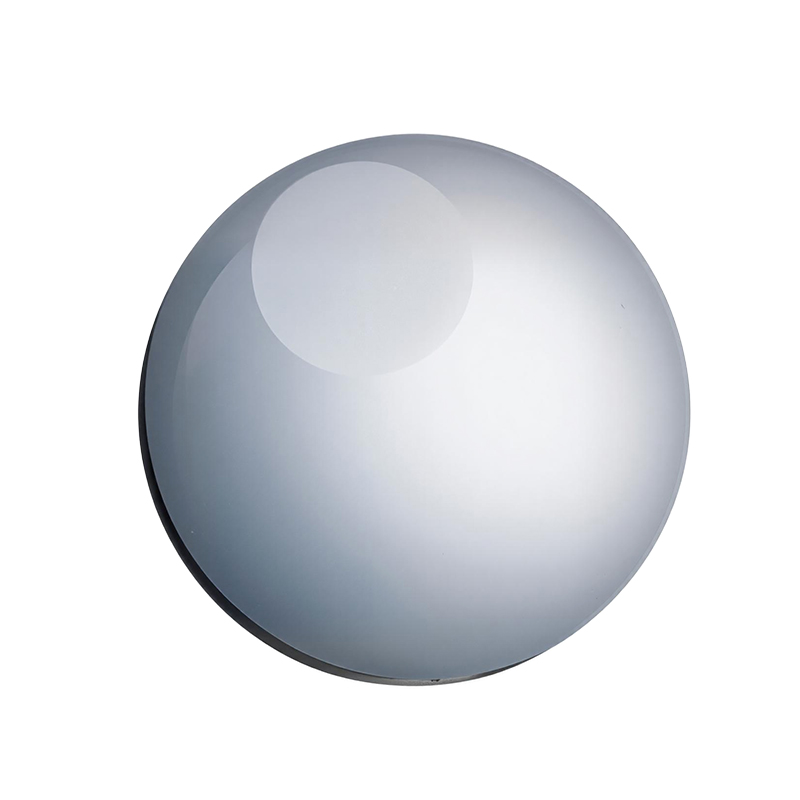
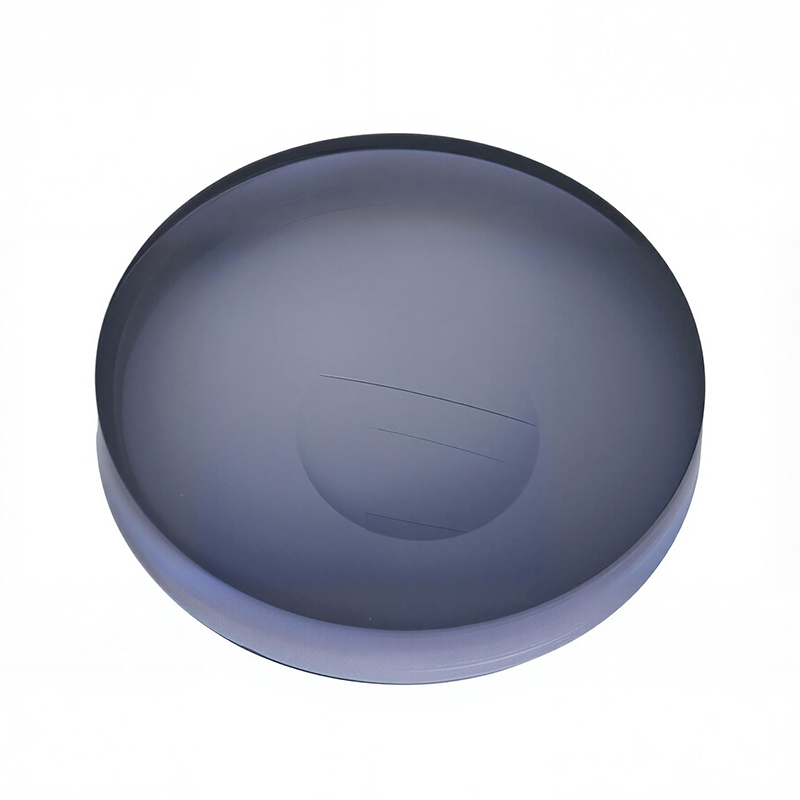
Semi-finished Lens is a crucial intermediate product in the production of optical lenses and the custom eyeglass manufacturing process. It serves as a transitional link between lens raw materials and finished lenses, and is widely used in the field of personalized vision correction.
At present, Semi-finished Lens UC/HC/HMC has been widely applied in the production of single vision lenses, bifocal lenses, progressive multifocal lenses, blue light blocking lenses, and freeform lenses. As lens processing centers continue to upgrade, more and more brands are using Semi-finished Lens as the core processing foundation for high-end customized lenses.
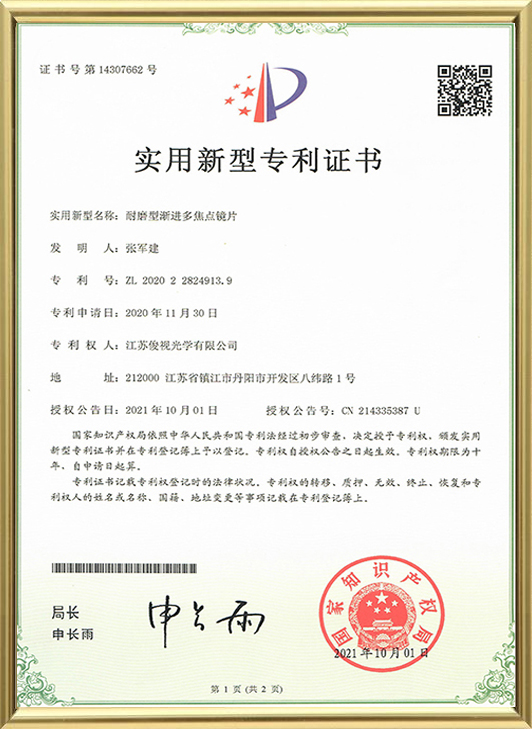
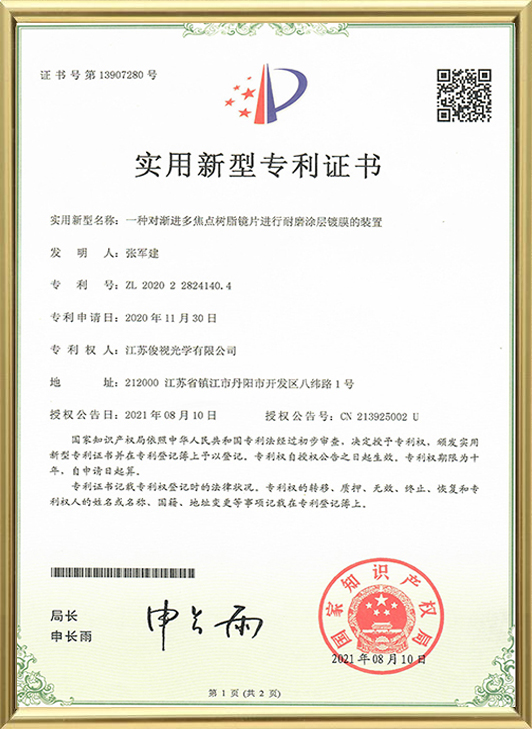
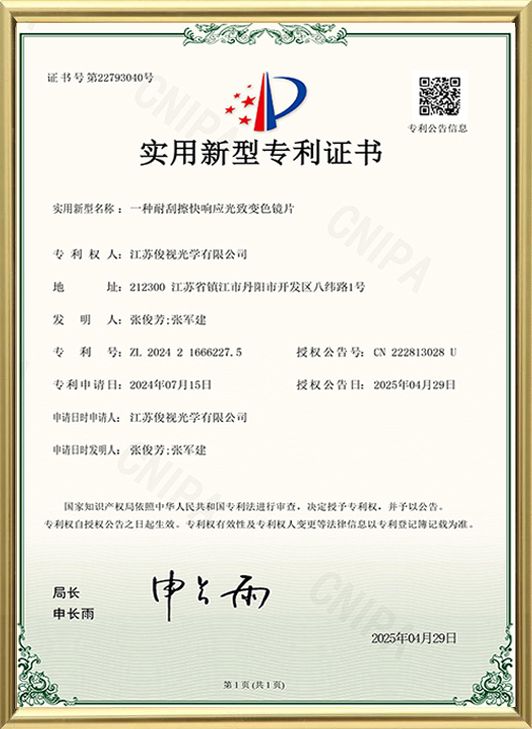
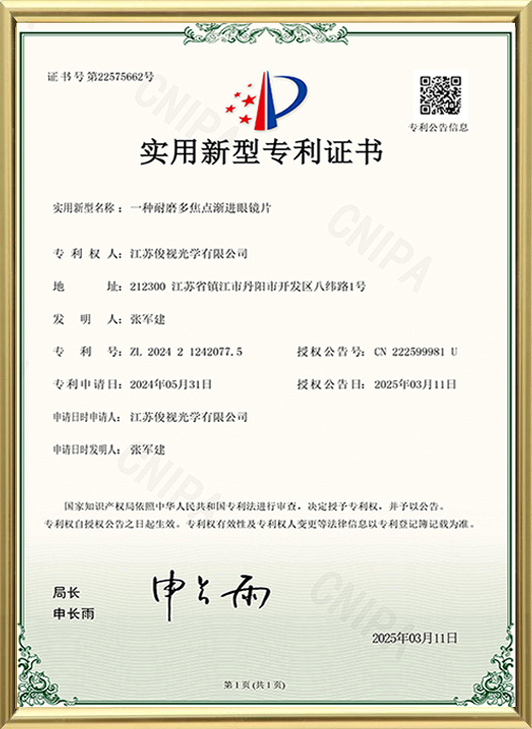
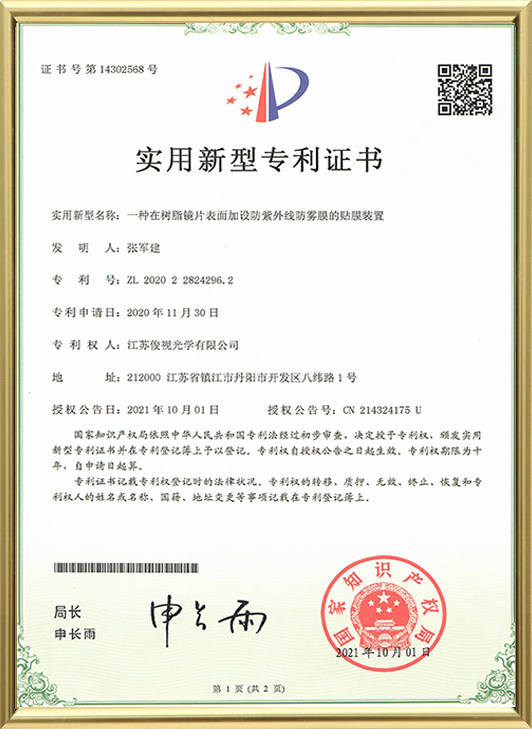
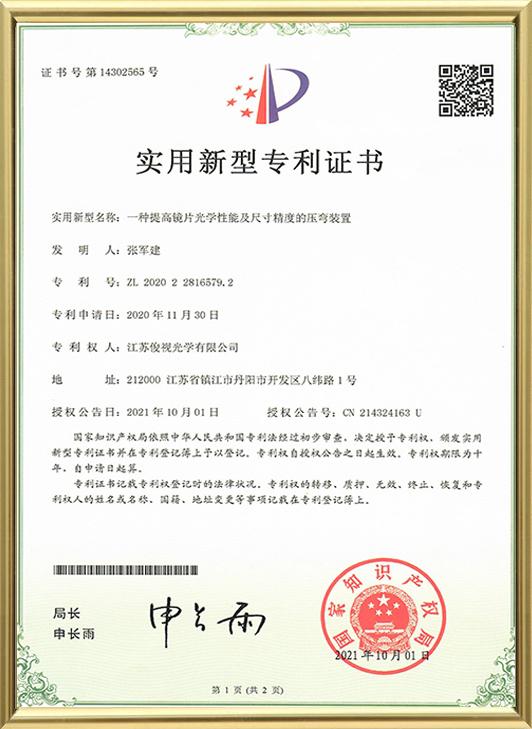
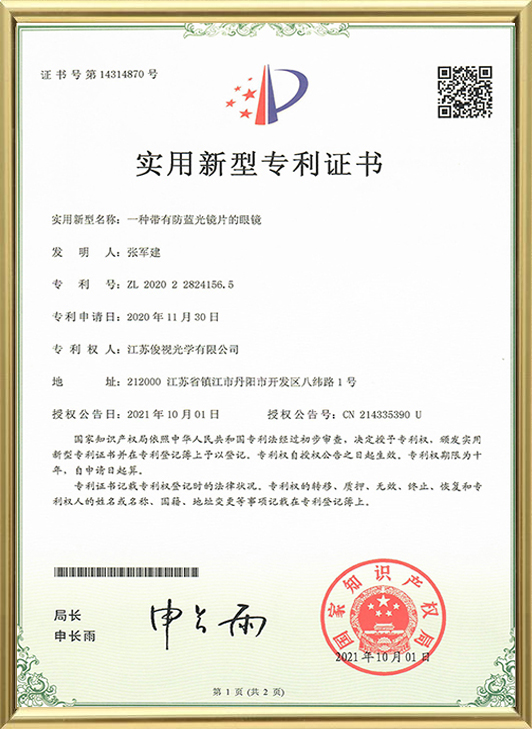
As an important manufacturer in China’s optical resin lens industry, Jiangsu Junshi Optics Co., Ltd. has long focused on the research, development, and production of resin lenses and has accumulated rich experience in the manufacturing of Semi-finished Lens UC/HC/HMC products. The company not only provides standardized lens products but also possesses strong ODM and OEM service capabilities.
Junshi Optics provides end-to-end ODM lens solutions for global customers, covering optical design, material engineering, functional coating, and full-scale brand implementation. At the same time, we also support OEM manufacturing, delivering high-quality production strictly based on customers’ existing designs and brand standards.
In the international optical lens supply chain, the manufacturing quality of Semi-finished Lens directly affects subsequent freeform processing accuracy, coating stability, and the visual performance of finished lenses. Therefore, whether for lens suppliers, lens factories, or terminal brands, increasing attention is being paid to the manufacturing standards of semi-finished lenses.
Product Structure and Core Processing Technologies of Semi-finished Lens UC/HC/HMC
The primary characteristic of Semi-finished Lens is that its front surface has already completed optical design, while the back surface retains space for further processing. This structure allows it to meet personalized vision correction requirements for different users, giving it an important role in modern customized eyewear systems.
Traditional finished lenses are usually mass-produced with unified parameters, while Semi-finished Lens can be further processed according to actual user prescription data, including refractive power adjustment, astigmatism correction, optical center positioning, progressive corridor design, and freeform optimization.
This flexibility has made Semi-finished Lens an indispensable product in modern lens processing centers.
During actual production, Semi-finished Lens generally goes through multiple stages, including raw material polymerization, casting, annealing stabilization, surface treatment, coating processing, and quality inspection. Every production stage directly influences the subsequent processing performance of the lens.
Application Roles of UC Semi-finished Lens in Lens Processing
UC refers to Uncoated Lens, meaning an uncoated semi-finished lens.
UC Semi-finished Lens is widely used in product systems that require subsequent special processing. Many large lens factories purchase UC lenses and then carry out additional surface treatments according to their own product positioning.
For example, some brands further process UC Semi-finished Lens through blue light blocking coatings, tinting treatments, polarized processing, anti-fog coatings, and photochromic treatments.
This approach enables brands to create stronger product differentiation in the end market.
Because consumer preferences for visual styles differ across regions, the production specifications of Semi-finished Lens also vary significantly. European markets often emphasize natural visual effects, while some Asian markets focus more on high-definition clarity and lightweight lens experiences.
To adapt to different market requirements, lens manufacturers must continuously optimize the curvature structure, thickness design, and post-processing compatibility of Semi-finished Lens.
Modern UC Semi-finished Lens is no longer just a simple semi-finished product. Its processing stability directly affects the adhesion of subsequent coatings and the precision of freeform processing.
Development of Hard Coating Technology in HC Semi-finished Lens
HC stands for Hard Coating, indicating that the lens has undergone hardening treatment.
Although resin lenses are lightweight and resistant to breakage, their surface scratch resistance is naturally weaker than glass lenses. Therefore, hard coating technology has gradually become an essential process in modern lens manufacturing.
HC Semi-finished Lens can effectively reduce scratches generated during transportation, processing, and daily use.
International market standards for HC lenses are becoming increasingly strict. Many lens suppliers conduct long-term abrasion testing to ensure that lenses maintain good surface conditions throughout prolonged usage.
The development of hard coating technology has gone through several stages. Early lenses mainly used simple dip-coating methods, while modern high-end lens factories now adopt more stable hardening systems.
For example, some large manufacturers have begun using multi-stage curing processes to improve coating adhesion stability. This process helps reduce coating peeling during subsequent coating operations.
In high-end Semi-finished Lens UC/HC/HMC products, the hard coating layer not only affects abrasion resistance but also influences the uniformity of subsequent anti-reflective coatings.
Therefore, modern HC lens production usually requires surface tension control, temperature stabilization management, curing time regulation, and coating uniformity inspection.
Many international brands maintain extremely strict standards regarding surface defects in HC lenses. Even minor scratches or uneven coating areas may affect final product acceptance.
Upgrading Coating Technologies in HMC Semi-finished Lens
HMC stands for Hard Multi Coating, which refers to multi-layer anti-reflective coating technology.
In the modern optical lens market, HMC Semi-finished Lens has become an important component of high-end products. Consumers’ increasing demands for lens clarity, visual comfort, and appearance continue to drive upgrades in multi-coating technologies.
Modern HMC lenses generally adopt vacuum coating technology, using combinations of multiple coating layers with different refractive indexes to reduce surface reflections.
When surface reflectivity is reduced, users can enjoy more stable visual experiences during night driving, long office work sessions, or in complex lighting environments.
Many consumers wearing ordinary lenses often experience glare enhancement, strong halos at night, visual fatigue after prolonged use, and screen reflection interference.
High-quality HMC Semi-finished Lens can improve these problems to a certain extent.
Currently, significant differences exist among lens manufacturers in HMC technology. Some factories use basic anti-reflective coatings, while high-end suppliers develop more complex composite coating structures.
For example, in certain high-performance HMC Semi-finished Lens products, coatings must provide anti-reflective performance while also maintaining anti-smudge, water-resistant, and long-term stability characteristics.
Under high-temperature and high-humidity environments, coating adhesion stability directly influences lens service life. Therefore, many international customers require Semi-finished Lens manufacturers to conduct high-temperature and salt spray testing.
As electronic device usage continues to increase, demand for blue light blocking HMC lenses is also growing rapidly. Many consumers want lenses that maintain natural visual performance while reducing visual fatigue caused by prolonged screen use.
These market changes continue to push lens factories to optimize coating technologies and material structures.
Applications of Semi-finished Lens in Freeform Lenses
Freeform technology is one of the most important development directions in the modern optical lens industry.
Traditional spherical lenses usually provide relatively fixed visual zones, while freeform lenses can deliver more precise visual optimization according to users’ facial structures, frame parameters, and visual habits.
Freeform lenses require extremely high precision from Semi-finished Lens.
If the semi-finished lens contains even slight errors, subsequent processing may produce edge astigmatism, visual drift, optical imbalance, or wearing discomfort.
Therefore, high-quality Semi-finished Lens has become a crucial foundation for freeform lens production.
Many modern lens factories use high-precision CNC equipment for back-surface processing of Semi-finished Lens. This processing method enables more complex visual corridor designs.
Especially in progressive lenses, freeform technology plays an important role in visual balance.
At present, more high-end progressive lenses are adopting personalized freeform solutions, and the foundational stability of Semi-finished Lens directly affects final lens visual performance.
Manufacturing Challenges of High-index Semi-finished Lens
As the number of highly myopic users continues to increase, the market for high-index lenses is expanding steadily.
Compared with ordinary lenses, high-index lenses can effectively reduce edge thickness, making them increasingly popular as large-frame eyewear trends continue to grow.
| Refractive Index |
Main Characteristics |
Common Applications |
| 1.56 |
High cost performance |
Daily single vision lenses |
| 1.60 |
Further reduced thickness |
Business eyewear lenses |
| 1.67 |
Suitable for medium to high myopia |
High-end resin lenses |
| 1.74 |
Ultra-thin design |
High myopia users |
The manufacturing difficulty of high-index Semi-finished Lens is significantly greater than that of ordinary lenses.
Because the material structure is more complex, production processes are more likely to encounter uneven internal stress, unstable surface performance, coating adhesion challenges, and deformation under high temperatures.
To improve product stability, many large lens manufacturers invest heavily in material optimization and process upgrades.
Jiangsu Junshi Optics Co., Ltd. has extensive manufacturing experience in high-index resin lenses and can provide multiple specifications of Semi-finished Lens UC/HC/HMC products according to different customer requirements.
Development Trends and Manufacturing System Upgrades in the Global Semi-finished Lens Industry
In recent years, the global optical lens industry has rapidly moved toward digitalization, automation, and functional integration. Increasing consumer demands for lens performance continue to drive upgrades in the Semi-finished Lens industry.
The modern lens market is no longer limited to basic refractive correction but is gradually transforming into comprehensive visual solution systems.
Digital Vision Care Driving Expansion of the Semi-finished Lens Market
The development of digital optometry systems has continuously increased demand for customized lenses.
In the past, many lenses were mass-produced using standardized parameters. Today, more consumers are focusing on long-term wearing comfort, visual clarity, night driving experiences, screen-use comfort, and lightweight lens structures.
This shift has continuously strengthened the role of Semi-finished Lens in modern vision care systems.
Modern digital processing centers usually optimize lenses according to actual user parameters, including pupillary distance calculations, frame tilt analysis, fitting height adjustment, and binocular visual balance design.
All of these complex processes rely on high-precision Semi-finished Lens as the foundation.
Automation Is Transforming Lens Factory Structures
Modern large-scale lens factories have begun adopting automated systems extensively.
Many traditional manufacturing processes previously depended heavily on manual experience, while more factories are now using automated casting systems, intelligent temperature control systems, automated inspection equipment, AI visual inspection technologies, and robotic handling systems.
Automation upgrades not only improve production efficiency but also effectively reduce human error.
For Semi-finished Lens UC/HC/HMC products, stability is especially important.
Because semi-finished lenses must undergo complicated subsequent processing stages, insufficient consistency during early production may cause obvious visual deviations in the final lenses.
As a result, modern lens manufacturers generally establish stricter quality control systems.
Global Lens Supply Chains Continue to Optimize
As international market competition intensifies, more brands are paying greater attention to supply chain coordination capabilities.
In the past, many brands mainly focused on purchasing costs, while today they place greater importance on long-term supply stability.
Especially in the high-end Semi-finished Lens sector, brands maintain extremely strict requirements regarding product consistency.
Many international customers focus heavily on lens batch stability, coating consistency, long-term delivery capability, automated production capacity, and technical development capabilities.
China remains one of the world’s most important resin lens manufacturing bases and continues to maintain strong competitiveness in the Semi-finished Lens sector.
After years of development, the Danyang region has formed a complete optical lens industrial chain, including resin raw material systems, lens mold manufacturing, coating equipment production, automated processing systems, and international export support services.
This industrial cluster advantage enables Chinese lens manufacturers to develop and mass-produce Semi-finished Lens products more efficiently.
Functional Lens Demand Is Driving Industry Upgrades
As electronic device usage time continues to increase, consumer demand for functional lenses has grown significantly.
Current functional lens products include photochromic lenses, driving lenses, indoor office lenses, children’s myopia management lenses, and anti-fatigue lenses.
These products require higher levels of material stability and processing compatibility from Semi-finished Lens.
For example, photochromic lenses must maintain uniform color-changing effects under different lighting conditions, while blue light blocking lenses must balance natural visual performance with light transmission quality.
Therefore, Semi-finished Lens manufacturers continuously optimize product structures to meet the evolving needs of functional lens development.
As the global optical industry continues to upgrade, the application scope of Semi-finished Lens UC/HC/HMC continues to expand. From basic myopia correction lenses to high-end freeform products, and from traditional resin lenses to digital visual solutions, Semi-finished Lens has become a core component of modern lens manufacturing systems.

 English
 Français
 Español
 عربى
عربى 中文
中文

 +86- 511-86229810