Single Vision Finished Lens Industry Knowledge and Application Ecosystem
1. Product Attributes and Optical Structure of Single Vision Finished Lens
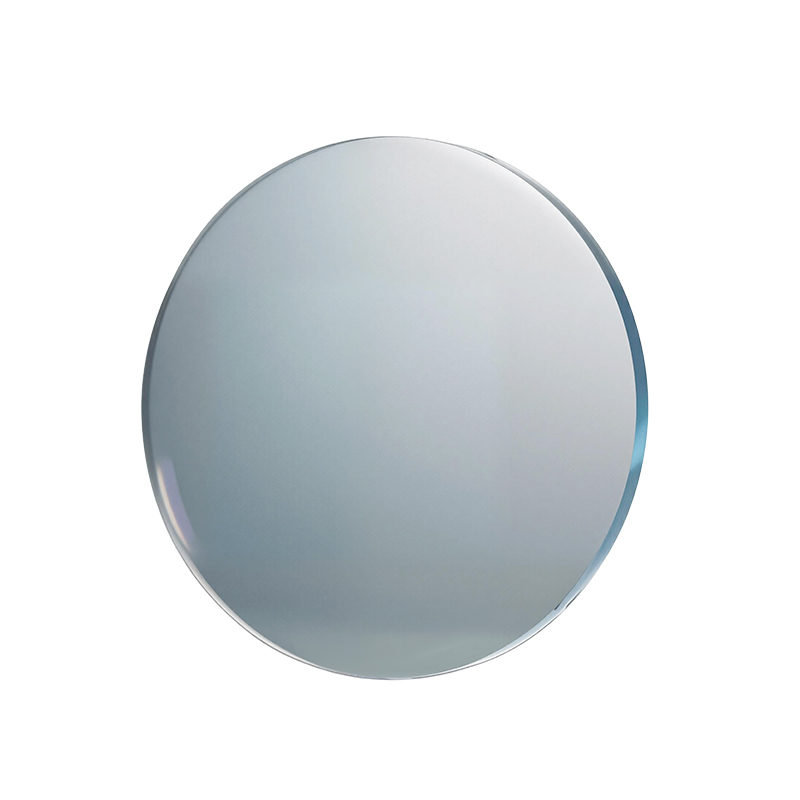
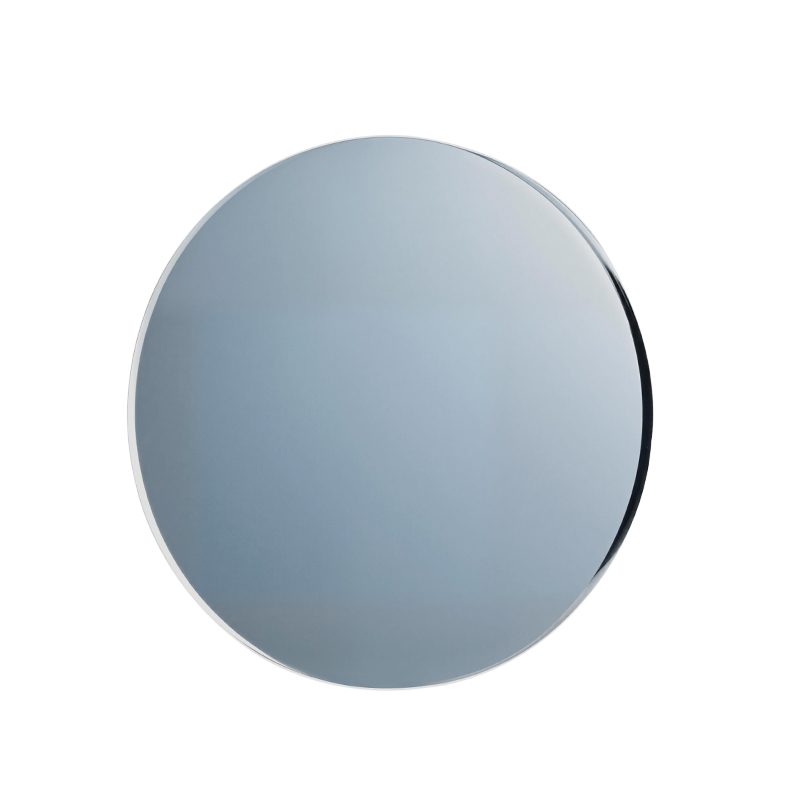
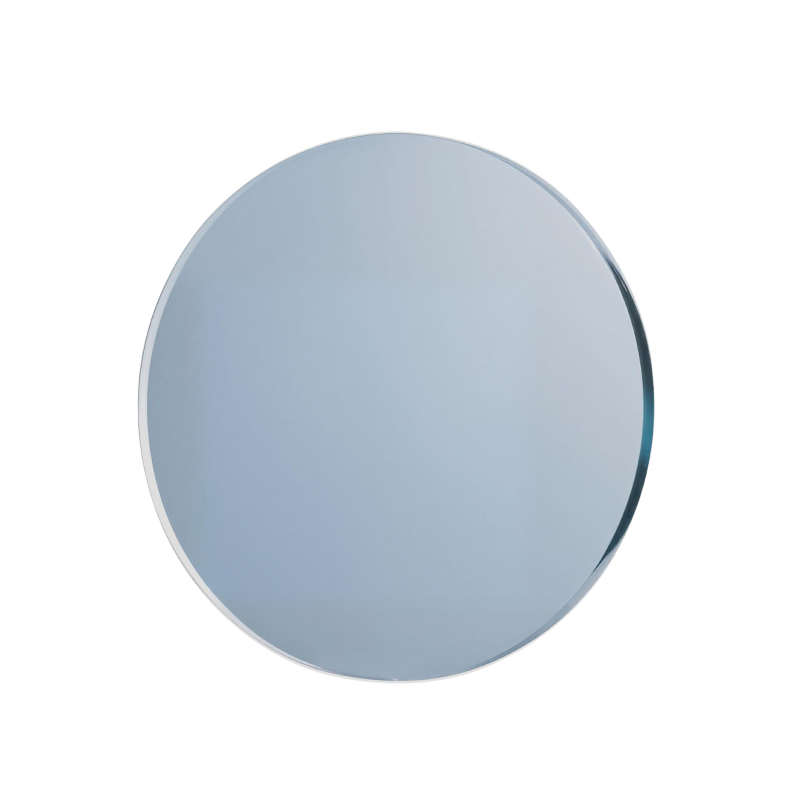
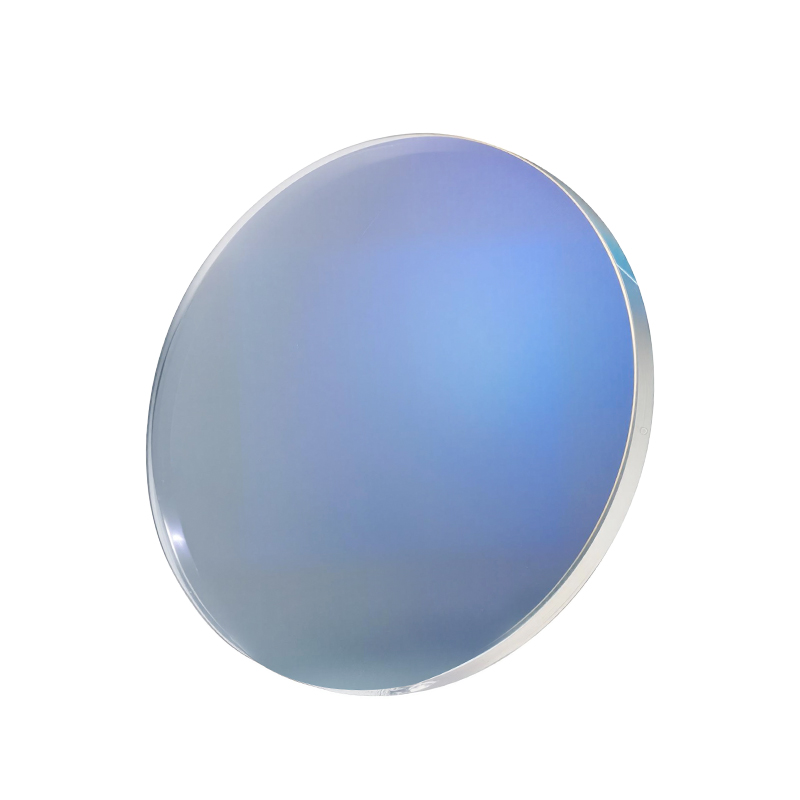
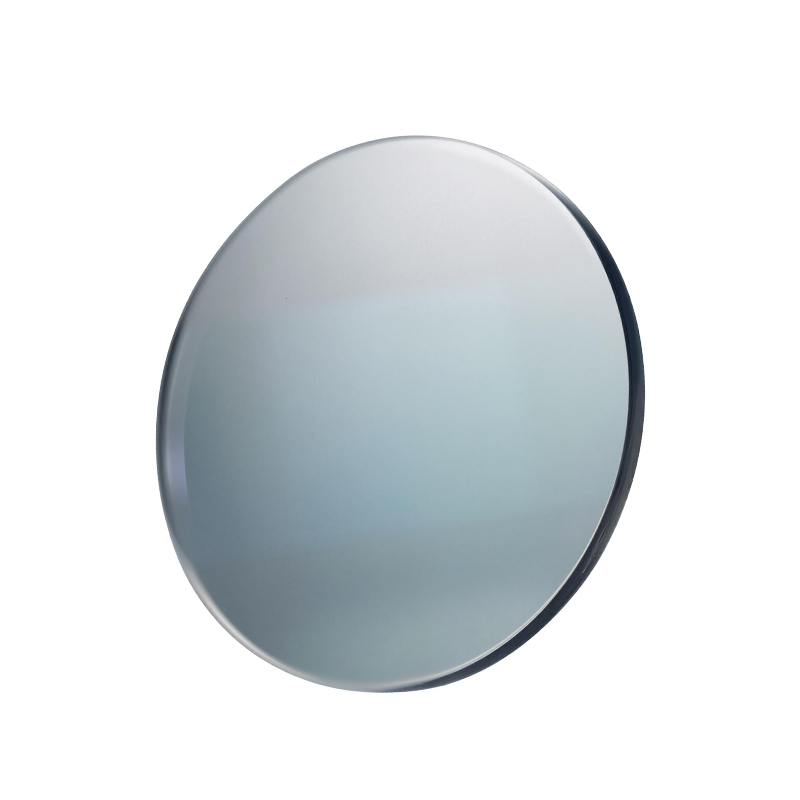
Single Vision Finished Lens is a fundamental and widely applied category of finished optical lenses. It holds a highly standardized yet large-scale demand position within the modern optical industry chain. From a definition perspective, its core characteristic is a “single refractive power design,” meaning the entire lens carries only one fixed refractive index without multi-focus or progressive optical zone transitions. This makes its visual correction function focused on single-distance vision compensation needs.
In optical design logic, Single Vision Finished Lens is formed through resin base molding, precision mold replication, and surface polishing systems to construct stable optical curvature. It is suitable for myopia, hyperopia, and mild presbyopia correction. Due to its relatively stable structure, its manufacturing process relies more on industrial precision control rather than complex individualized optical path design.
From an application perspective, this type of lens is not only a basic product in the eyewear retail market but also one of the most common order types in OEM and ODM manufacturing systems. Manufacturers and suppliers often use it as a benchmark product for evaluating production capacity utilization and process maturity, making it a stable production category in global optical lens factory systems.
In terms of materials, Single Vision Finished Lens typically uses high-refractive-index resin or standard CR-39 resin systems. Optical-grade raw materials are polymerized and solidified into transparent structures, followed by coating systems that enhance scratch resistance, anti-reflection performance, and UV protection. Optical consistency, thickness control, and edge precision directly affect wearing experience.
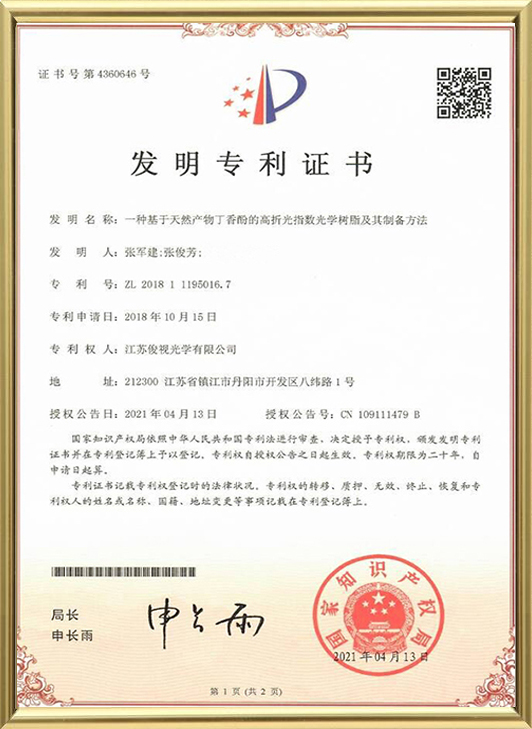
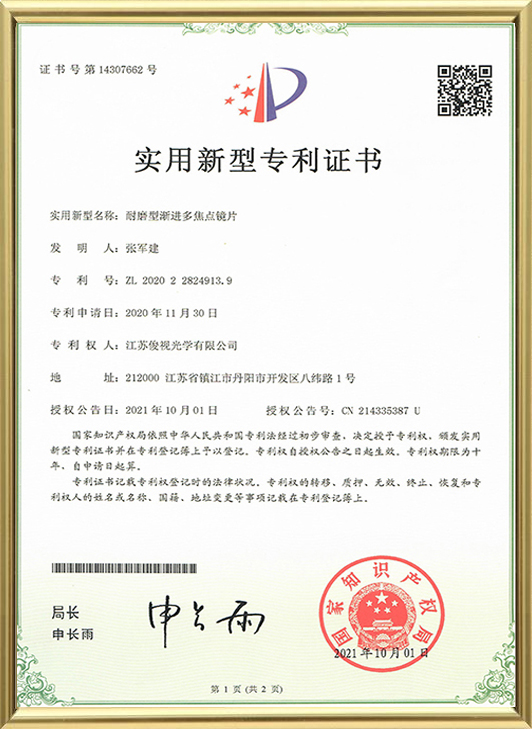
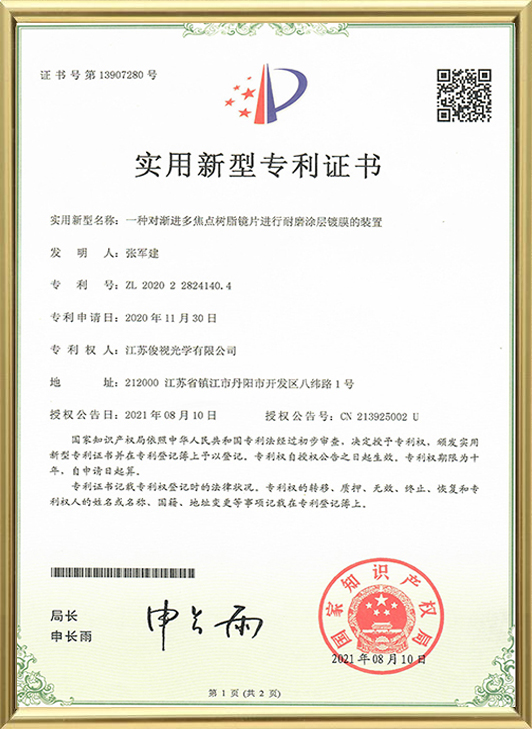
In the industrial chain structure, suppliers are responsible for raw materials and semi-finished lens supply, manufacturers handle optical processing and coating, while factories undertake large-scale production and quality control execution. Jiangsu Junshi Optics Co., Ltd. plays a typical role as an ODM manufacturer and optical lens factory operator, covering design, processing, and shipment.
2. Intelligent Manufacturing System and Factory Production Capacity
In modern optical lens manufacturing systems, Single Vision Finished Lens production relies heavily on automation and digital control systems. Traditional manual grinding and semi-automated coating methods are gradually being replaced by intelligent production lines, especially in high-capacity factories where equipment integration and production data tracking are key competitiveness factors.
Jiangsu Junshi Optics Co., Ltd. has established a smart digital manufacturing architecture. With 19 fully automated AR coating production lines, lens surface treatment achieves continuous operation, ensuring consistency in anti-reflection, scratch-resistant, and hydrophobic coating layers.
In terms of production capacity, the factory achieves a daily output of more than 140,000 lenses, enabling stable delivery capability for global distributors, regional brands, and international optical retail chains.
In precision machining, six CNC machining centers are used for mold refinement and optical curvature accuracy control, ensuring geometric consistency across batches. This level of precision is critical for Single Vision Finished Lens production due to its sensitivity to curvature deviation.
The factory also implements a full traceability system where every lens is assigned a unique code from order creation to final shipment. This includes raw material batch tracking, production line records, coating parameters, and logistics data, ensuring full lifecycle traceability.
Flexible production capability supports RX customization and OEM/ODM projects, allowing differentiated product development based on a unified manufacturing system. Approximately 95% of standard orders are shipped within 48 hours, reflecting high operational efficiency.
In the industrial collaboration model, suppliers, manufacturers, and brand owners form a tightly integrated system. In a global demand fluctuation environment, fast production and stable delivery capability become core competitive indicators.
3. Industrial Chain Structure, Application Scenarios and Global Supply System Evolution
Single Vision Finished Lens occupies a fundamental yet high-demand position in the global optical industry chain. Its application covers eyewear retail, optical medical centers, e-commerce eyewear platforms, and brand customization systems. In different markets, it serves as a basic vision correction solution.
Within the supply chain, raw material suppliers provide optical resin, dye materials, and coating chemicals. Manufacturers transform these materials into functional optical lenses through precision equipment, while factories handle mass production and order delivery through automated systems.
Globally, demand is driven by increasing populations requiring basic vision correction and the expansion of consumer eyewear markets. In Asia, demand is concentrated in urban vision correction systems, while in Europe and North America it is closely tied to retail brand inventory systems.
In production evolution, traditional lens factories are shifting toward intelligent manufacturing systems. Jiangsu Junshi Optics Co., Ltd. integrates automated coating lines, CNC machining, and order tracking systems, transforming production from experience-driven to data-driven processes.
In OEM and ODM cooperation models, manufacturers participate not only in production but also in design optimization, coating selection, and material adaptation testing, forming deeper technical collaboration across the supply chain.
In end-use applications, Single Vision Finished Lens is widely used in daily eyewear, student vision correction products, and office visual optimization lenses. Its stable structure and standardized processing make it a dominant category in global eyewear markets.
Quality control systems include multi-stage inspection processes such as optical center alignment, surface defect detection, and coating uniformity analysis. These rely on both automated systems and manual verification.
Supply chain collaboration continues to improve, enabling better coordination in order processing, raw material allocation, and production scheduling, supporting faster global delivery.
FAQ: Single Vision Finished Lens
Q: What is the structural difference between Single Vision Finished Lens and progressive lenses?
A: Single Vision Finished Lens uses a single refractive power design and provides fixed-distance vision correction without multi-focus zones.
Q: What is the most critical process in manufacturing?
A: Optical curvature formation and coating processes are the most critical, directly affecting clarity and visual comfort.
Q: How is batch consistency ensured in factories?
A: Through CNC systems and full-process data tracking with individual lens coding.
Q: What role do suppliers play in the industrial chain?
A: Suppliers provide raw optical materials and ensure material stability.
Q: What are the key features of Jiangsu Junshi Optics Co., Ltd. in production?
A: The company integrates automated coating lines, CNC precision machining, and fast order response systems to achieve scalable manufacturing capability.

 English
 Français
 Español
 عربى
عربى 中文
中文

 +86- 511-86229810