Finished Lens Factory Technology, Manufacturing Standards, and Global Market Demand
The modern eyewear industry depends heavily on precision optical manufacturing, stable supply chain systems, and advanced material engineering. As consumer demand for clearer vision, lightweight eyewear, functional coatings, and rapid delivery continues growing, the importance of a professional finished lens factory has become increasingly significant throughout global optical markets. Finished stock lenses and optical finished lenses now serve as essential products for optical laboratories, eyewear retailers, distributors, wholesalers, hospitals, and e-commerce eyewear platforms.
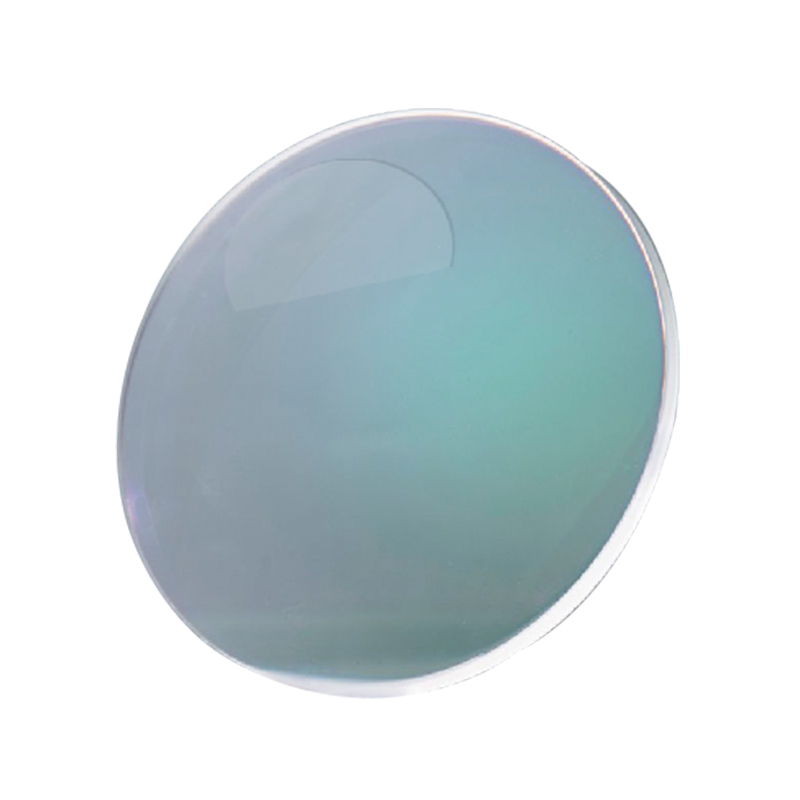
A finished lens is a finished optical lens, which is a type of optical lens and widely used in fields such as eyeglass manufacturing. Compared with semi-finished lenses that still require surfacing operations, optical finished lenses already contain completed optical power and can directly enter edging, mounting, and assembly procedures. This production method greatly improves efficiency for manufacturers and suppliers while helping retailers shorten delivery cycles for prescription eyewear.
The expansion of the global vision care industry has accelerated technological upgrades across the entire optical manufacturing chain. Modern consumers no longer focus only on prescription correction. They also expect visual comfort, stylish appearance, screen protection, lightweight materials, durability, and long-term coating stability. As a result, optical manufacturers are investing heavily in research, automation, and advanced coating technologies.
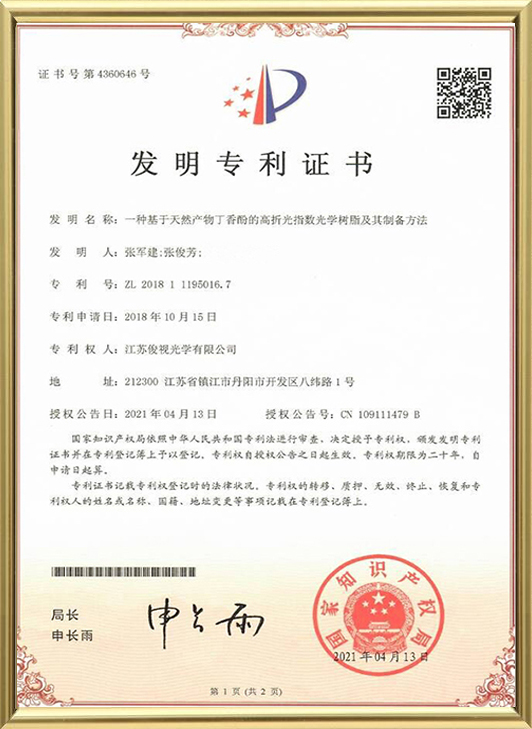
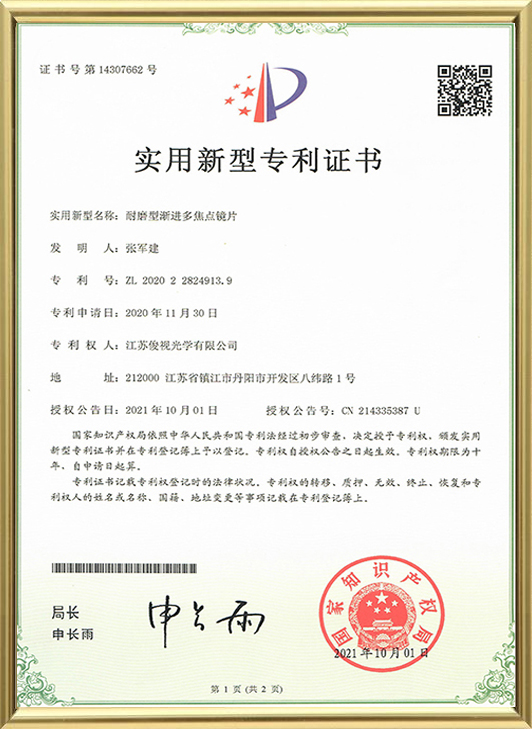
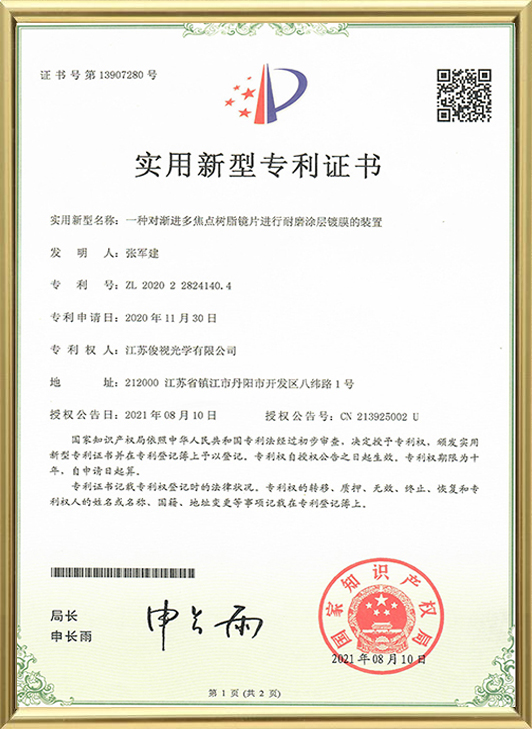
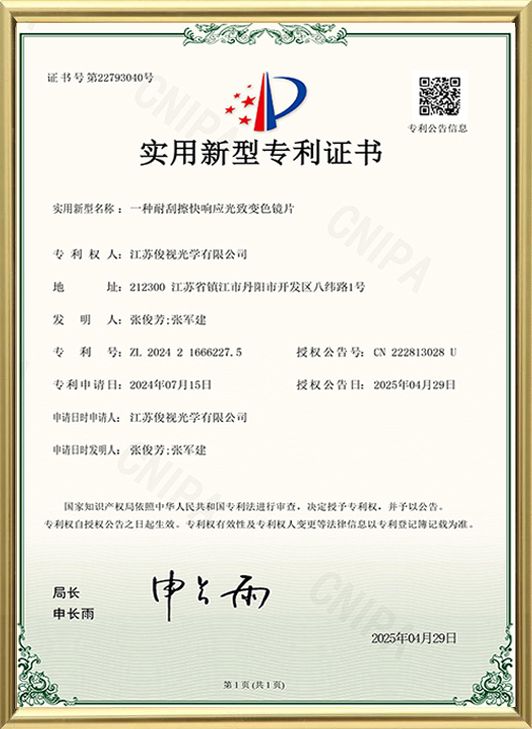
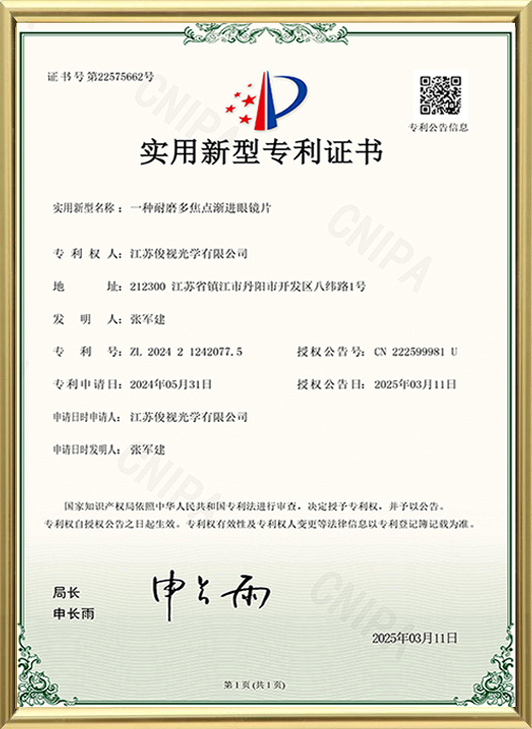
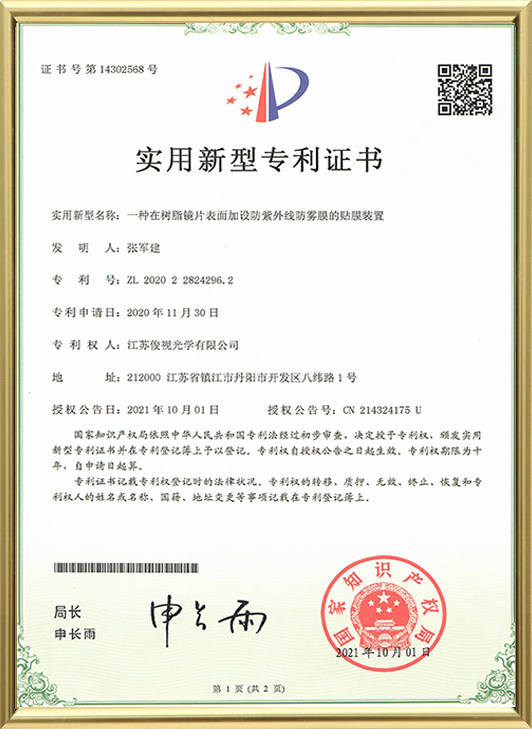
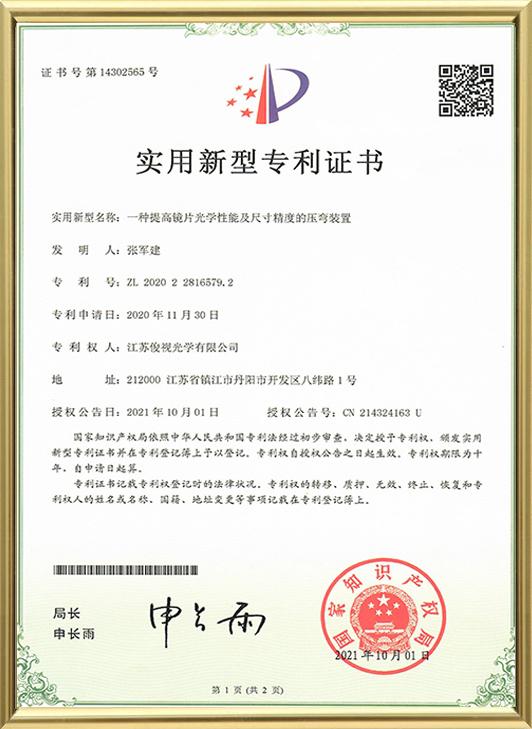
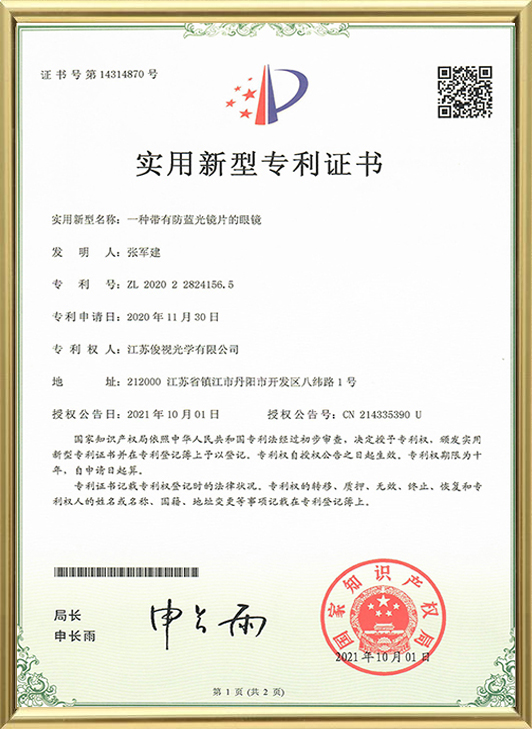
Among professional optical manufacturers, Jiangsu Junshi Optics Co., Ltd. has developed strong competitiveness through technological innovation and large-scale production capability. The company invests 12% of annual revenue into research and development, holds more than 35 patents covering optical design, coating technology, and material science, and employs over 40 R&D specialists focusing on optics, chemistry, and process automation. Through cooperation with more than 300 international partner brands and over 5,000 partner stores in China, the company supports a broad optical distribution network serving multiple international markets.
The Expanding Role of the Finished Lens Factory in Global Optical Manufacturing
The modern finished lens factory is no longer a simple production site focused only on basic lens output. Today’s advanced optical factories operate as integrated technology centers combining precision engineering, intelligent automation, coating science, digital quality control, and supply chain coordination. This transformation reflects broader changes in the global eyewear industry, where competition increasingly depends on product performance, production speed, and manufacturing consistency.
Finished stock lenses occupy a central position within this industrial system because they provide scalability and efficiency advantages for optical businesses. Retail optical stores, online eyewear companies, chain distributors, and optical laboratories all rely on finished stock lenses to support fast prescription fulfillment. In many commercial environments, consumers expect eyeglasses to be completed within extremely short timeframes. Stock lens inventory systems help optical providers meet these expectations without requiring additional surfacing procedures for every order.
The manufacturing structure inside a professional finished lens factory involves multiple specialized departments working together under tightly controlled conditions. These areas commonly include resin material preparation laboratories, lens casting and curing workshops, CNC polishing departments, vacuum coating facilities, automated inspection centers, packaging and logistics divisions, optical testing laboratories, and prescription verification stations.
Each department influences the final optical performance of the finished lens product. Even minor production inconsistencies can affect visual clarity, coating adhesion, prescription accuracy, or wearer comfort.
Modern optical finished lenses are manufactured in various categories to satisfy different market demands. These products commonly include single vision lenses, progressive lenses, blue light blocking lenses, photochromic lenses, polarized lenses, high-index lenses, anti-fatigue lenses, UV protection lenses, driving lenses, and polycarbonate safety lenses.
Because finished stock lenses are pre-manufactured according to standardized prescription ranges, manufacturers can produce large quantities efficiently while maintaining inventory readiness for distributors and retailers.
The eyewear industry also increasingly emphasizes cosmetic appearance alongside optical functionality. Consumers expect lenses to remain visually clean, resistant to scratches, and comfortable under different lighting conditions. This demand has increased the importance of advanced coating systems within finished lens factories.
Jiangsu Junshi Optics Co., Ltd. has continued strengthening production technology through long-term R&D investment and engineering collaboration. The company’s research capabilities support continuous improvements in lens clarity, coating stability, and automated manufacturing precision, helping international customers maintain stable product quality across large commercial orders.
Material Science and Optical Performance Development
Material engineering remains one of the most critical areas within optical finished lens manufacturing. The choice of lens material influences weight, thickness, optical clarity, durability, impact resistance, and wearer comfort.
Traditional mineral glass lenses offered stable optical performance but introduced disadvantages related to weight and fragility. Resin lens technologies transformed the optical market by enabling lighter and safer alternatives suitable for daily wear.
Today’s optical finished lenses commonly use materials such as CR-39 resin, polycarbonate, MR-8, MR-7, Trivex, and high-index optical resin.
Each material category supports different application environments. High-index materials, for example, reduce lens thickness for stronger prescriptions while maintaining relatively lightweight characteristics. Polycarbonate lenses provide excellent impact resistance, making them suitable for sports eyewear and industrial safety applications.
Material selection also influences coating compatibility. Some coating systems adhere more effectively to specific resin types, requiring manufacturers to coordinate chemical engineering and production calibration carefully.
Within advanced finished lens factories, raw material consistency is tightly monitored because impurities or formulation deviations may affect lens transparency or refractive accuracy. Automated mixing systems, environmental controls, and precision curing technologies help maintain stable production conditions.
The growing popularity of lightweight eyewear has further accelerated research into high-performance resin materials. Consumers increasingly prefer thin, comfortable lenses that maintain cosmetic attractiveness even for stronger prescriptions. Optical manufacturers therefore continue optimizing refractive index performance while balancing durability and optical transparency.
Precision Manufacturing Processes Inside Optical Factories
The production workflow for finished stock lenses involves multiple highly specialized manufacturing stages. Each stage contributes directly to final optical performance and product reliability.
The process typically begins with raw material formulation. Resin materials are carefully prepared using controlled chemical compositions designed to achieve specific refractive indexes and mechanical properties. Temperature and environmental stability are essential during this stage because even small fluctuations may influence curing behavior.
Following material preparation, lens casting procedures shape the optical structure of the finished lens. Precision molds determine base curvature and prescription characteristics. Advanced manufacturers use computer-controlled molding systems capable of maintaining extremely tight tolerances.
After casting, the lenses enter curing stages where thermal or ultraviolet technologies solidify the resin material. Controlled curing helps prevent stress distortion, warping, or internal defects.
The next stage involves surface polishing and refinement. Optical surfaces must achieve high smoothness levels to minimize light scattering and visual distortion. Professional manufacturers often use CNC polishing systems capable of micron-level accuracy.
Coating application represents another highly technical process. Optical finished lenses now frequently incorporate multiple coating layers to improve durability and wearer comfort. Common coating technologies include anti-reflective coating, hard coating, hydrophobic coating, oleophobic coating, UV filtering layers, blue light filtering coating, and mirror coating.
Vacuum coating chambers operate under highly controlled conditions to ensure coating uniformity and adhesion quality. Dust contamination, humidity variation, or improper chamber calibration can negatively affect coating performance.
Inspection procedures follow coating application. Quality control systems verify prescription accuracy, surface appearance, coating consistency, optical center alignment, and thickness specifications.
Advanced factories increasingly use automated optical inspection systems incorporating artificial intelligence and digital imaging technologies. These systems improve production consistency while reducing manual inspection errors.
Jiangsu Junshi Optics Co., Ltd. continues improving process automation and optical engineering integration through collaboration between its R&D specialists in optics, chemistry, and industrial automation.
Market Demand Trends Reshaping Finished Stock Lens Production
The global market for optical finished lenses continues expanding due to changes in consumer lifestyles, digital technology use, healthcare awareness, and fashion trends. Manufacturers, suppliers, and distributors must continuously adapt production strategies according to evolving market expectations.
One major factor influencing the industry is the increasing amount of screen exposure associated with smartphones, computers, and tablets. Many consumers spend extended periods viewing digital displays during work, education, and entertainment activities. This trend has accelerated demand for blue light filtering lenses designed to improve visual comfort during screen use.
Blue light blocking finished stock lenses have become particularly popular among office workers, students, designers, gamers, digital content creators, and remote employees.
Optical manufacturers have therefore expanded coating research to improve blue light filtering precision while maintaining natural color perception.
Photochromic lenses also continue gaining popularity because they provide automatic tint adjustment according to UV exposure. Consumers appreciate the convenience of lenses capable of adapting between indoor and outdoor lighting conditions without requiring separate sunglasses.
Fashion trends further influence finished lens manufacturing. Eyewear is increasingly viewed as both a medical product and a style accessory. Consumers seek lenses compatible with lightweight designer frames while maintaining excellent visual performance.
The growth of online eyewear retail has additionally transformed the supply chain structure of the optical industry. E-commerce platforms require suppliers capable of supporting fast inventory replenishment, standardized quality consistency, high-volume production scalability, reliable packaging systems, and international shipping coordination.
Finished stock lenses are especially suitable for online retail environments because they reduce production lead times and simplify logistics management.
Jiangsu Junshi Optics Co., Ltd. supports broad international distribution networks through cooperation with more than 300 partner brands and over 5,000 partner stores in China. This scale allows the company to respond efficiently to changing global market requirements.
The Relationship Between Optical Suppliers, Manufacturers, and Retailers
The optical industry operates through a complex supply chain connecting factories, suppliers, distributors, laboratories, and retail businesses. Each participant contributes different functions within the overall market system.
Manufacturers focus primarily on product development, lens production, coating technologies, and quality control. Suppliers coordinate inventory management and regional distribution, while retailers provide direct consumer services including prescription consultation and eyewear fitting.
Large-scale finished lens factories often cooperate with optical wholesalers, regional distributors, eyewear chain stores, hospital procurement departments, independent optical laboratories, e-commerce eyewear brands, and international OEM customers.
Stable cooperation between suppliers and manufacturers is extremely important because optical products require consistent quality standards across long-term commercial partnerships.
Retailers depend on reliable lens manufacturers capable of delivering stable optical performance and fast inventory replenishment. Delays or quality inconsistencies can negatively affect customer satisfaction and business reputation.
Modern suppliers increasingly prioritize factories with strong automation systems and advanced quality management procedures because these capabilities improve production reliability.
The ability to maintain large inventory systems also influences competitiveness. Finished stock lenses must remain available across multiple prescription ranges, material categories, and coating combinations. Factories with scalable production infrastructure are better positioned to support global distribution demands.
Technological Competition in the Optical Industry
Competition within the finished lens manufacturing sector has become increasingly technology-driven. Manufacturers no longer compete solely on production volume or pricing. Instead, competitive advantage increasingly depends on research capability, automation efficiency, optical precision, and coating performance.
Research and development investment plays a particularly important role in this environment. Companies allocating substantial resources toward innovation generally achieve stronger product differentiation and long-term market stability.
Jiangsu Junshi Optics Co., Ltd. invests 12% of annual revenue into R&D activities. This strategy supports development across several technical areas including optical design optimization, lens material engineering, coating durability enhancement, production automation, prescription accuracy improvement, and visual comfort technologies.
The company’s portfolio of more than 35 patents demonstrates the growing importance of proprietary technologies within modern optical manufacturing.
Automation technologies are also reshaping factory operations. Intelligent production systems now support automated material transport, AI-based defect detection, real-time process monitoring, digital inventory coordination, smart coating management, and computerized prescription verification.
These technologies improve manufacturing consistency while reducing production variability.
International eyewear brands increasingly seek manufacturing partners capable of supporting customized product development through OEM and ODM cooperation models. Factories with strong engineering teams and flexible production systems therefore gain strategic advantages.
Future Expansion of Optical Finished Lens Applications
The application scope of optical finished lenses continues expanding across both traditional and emerging markets. While prescription eyewear remains the largest segment, manufacturers increasingly supply lenses for specialized commercial and professional environments.
Sports eyewear represents one important growth area. Athletes and outdoor enthusiasts require lenses combining impact resistance, lightweight performance, UV protection, and optical clarity under dynamic conditions.
Driving lenses constitute another expanding category. Many consumers seek lenses capable of reducing glare and improving contrast during nighttime or high-brightness driving situations.
Industrial safety applications also continue growing due to workplace protection requirements. Polycarbonate finished lenses are widely used in industrial eyewear because of their impact resistance and durability.
Educational institutions and digital workplaces further contribute to demand growth for blue light filtering products.
As consumer expectations become more sophisticated, optical manufacturers continue integrating multiple functions into single lens products. A modern optical finished lens may simultaneously include anti-reflective performance, blue light filtering, UV protection, scratch resistance, water repellency, oil resistance, and dust resistance.
The ability to combine these functions while maintaining thinness and optical clarity has become a major focus within lens engineering.
Jiangsu Junshi Optics Co., Ltd. continues expanding technological capability through cooperation between optical engineers, coating specialists, chemical researchers, and automation experts. This integrated approach supports product diversification across global optical markets.
Quality Standards and International Manufacturing Requirements
Global optical markets require strict compliance with international quality standards. Finished lens factories supplying international customers must maintain stable inspection systems and certification procedures.
Quality verification commonly includes optical power testing, axis alignment inspection, surface defect analysis, coating adhesion evaluation, thickness measurement, transmission testing, and impact resistance assessment.
Factories serving international markets often comply with certification systems such as ISO standards, CE certification, FDA registration, and regional optical compliance requirements.
Advanced testing laboratories help manufacturers maintain long-term product consistency across large production batches.
International customers also increasingly evaluate supplier reliability according to manufacturing transparency, engineering support capability, and delivery stability.
Manufacturers with strong R&D systems and modern automation infrastructure are generally better positioned to satisfy these requirements.
The rapid expansion of global eyewear demand continues creating opportunities for advanced finished lens factories capable of combining optical precision, scalable production, coating innovation, and efficient international supply coordination.
FAQ
What is a finished lens?
A finished lens is a finished optical lens that already contains completed prescription power and can directly proceed to edging and frame assembly without additional surfacing processes.
What are finished stock lenses commonly used for?
Finished stock lenses are widely used in prescription eyewear manufacturing, optical retail stores, laboratories, hospitals, and online eyewear businesses.
Why are optical finished lenses important in the eyewear industry?
Optical finished lenses improve production efficiency, shorten delivery times, simplify inventory management, and support large-scale eyewear distribution systems.
What materials are commonly used in optical finished lenses?
Manufacturers commonly use CR-39 resin, polycarbonate, MR-8, MR-7, Trivex, and high-index resin materials.
What coatings can be applied to finished stock lenses?
Common coatings include anti-reflective coating, hard coating, hydrophobic coating, oleophobic coating, UV protection layers, and blue light filtering coating.
How does a finished lens factory maintain quality consistency?
Factories use automated inspection systems, precision manufacturing equipment, optical testing laboratories, and controlled production environments.
Why are blue light blocking lenses becoming more popular?
Increased digital device usage has created greater demand for lenses designed to improve visual comfort during prolonged screen exposure.
What advantages do high-index optical finished lenses provide?
High-index lenses reduce thickness and weight for stronger prescriptions while maintaining cosmetic appearance and wearer comfort.
What role do suppliers play in the optical market?
Suppliers coordinate inventory management, product distribution, logistics, and cooperation between manufacturers and retailers.
How does Jiangsu Junshi Optics Co., Ltd. support global optical markets?
The company invests heavily in R&D, maintains over 35 patents, employs more than 40 specialists, cooperates with over 300 international partner brands, and supports more than 5,000 partner stores in China.
What is the difference between finished lenses and semi-finished lenses?
Finished lenses already contain finalized optical power, while semi-finished lenses still require additional surfacing procedures.
Why is automation important in modern optical manufacturing?
Automation improves production consistency, reduces manual error, enhances efficiency, and supports large-scale manufacturing operations.
Are finished stock lenses suitable for online eyewear businesses?
Yes. Finished stock lenses help online retailers reduce production lead times and improve order fulfillment efficiency.
What industries use optical finished lenses besides eyewear retail?
Optical finished lenses are also used in industrial safety eyewear, sports eyewear, driving eyewear, medical environments, and educational applications.
Why do international brands cooperate with large optical manufacturers?
Large manufacturers provide scalable production capacity, advanced R&D support, stable quality control, and efficient global supply chain coordination.

 English
 Français
 Español
 عربى
عربى 中文
中文

 +86- 511-86229810