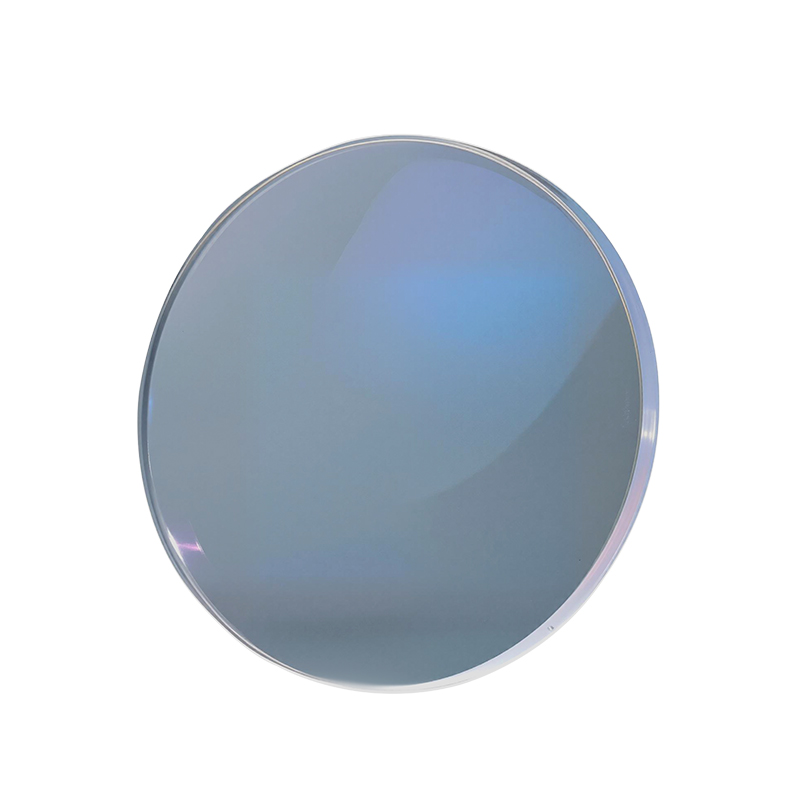
Ask anyone who has spent a Saturday afternoon in the outfield and they will tell you that baseball light is unforgiving. A low sun behind the plate, pale seats in the bleachers, a freshly watered infield, and a white ball that vanishes into the sky for half a second are all part of the game. Polarized sunglasses are the piece of gear players ask about most and argue about loudest, and after years of making sun lenses for sports frames, the questions we hear from brands, team dealers, and opticians are remarkably consistent: does polarization actually help a ballplayer, in which tint, and how should a buyer spec it?
Here is what we have learned on the manufacturing side, along with the practical trade-offs worth knowing before a polarized baseball sunglass goes into a catalogue or a team bag.
What Polarization Really Does on a Ball Field
A polarized lens contains a film that filters light oscillating in one plane. Most of the glare bouncing off grass, water, painted metal, car hoods beyond the fence, and even the synthetic turf of an indoor facility is horizontally polarized, so the film is oriented to absorb it. The result is an image with less veiling glare: colors stay readable, the eye relaxes, and squinting drops. Over nine innings, that matters more than players expect. Less squinting means less tearing and less fatigue in the late innings, when a fly ball is hardest to pick up.
In resin construction, the polarizing film is laminated into the lens body, usually in a 1.49 index for sun lenses because the lower index keeps the film stable and the optical clarity clean. Surface treatment is a separate decision. Some programs prefer a plain, uncoated surface for budget sunwear, while others want a hard coat for abrasion resistance and a multilayer stack for water and dust repellency. If the terminology is unfamiliar, our short explainer on what UC means for a polarized sun lens covers how the finish affects durability, cleaning, and cost.
The Depth Perception Debate
This is where the conversation gets honest. Polarization removes reflected glare cues, and some hitters and infielders rely on those cues more than they realize. In bright, wet conditions the trade is almost always worth it, because the reduced glare makes the ball easier to track. On flat light, late-evening first pitches, or heavily shaded stadiums, some players report that a polarized lens flattens the scene and makes a hop or a sinking liner read slightly later than it should.
The research on this is mixed, and the honest answer is that it depends on the player and the position. Outfielders tracking a ball against a bright sky usually benefit. Infielders reading a short hop on a glare-heavy infield usually benefit. A hitter trying to time a breaking pitch in twilight may not. That is why the strongest programs we supply stock both a polarized option and a non-polarized contrast tint, then let players test both in a real practice session rather than in a shop doorway.
One more thing worth repeating, because it comes up in every buyer meeting: polarization and UV protection are separate features. A lens can be polarized and still fail UV400 filtering. Always confirm the UV claim on the lens specification, not on the frame sticker.
Tint and Coating Choices That Change the Game
Tint depth does most of the work after the polarization decision is made. A grey polarized lens keeps colors neutral and is the safest all-around choice for daylight. Brown or amber warms the image and lifts contrast, which helps a white ball separate from a green wall. Yellow and gold tints push contrast further for overcast and dusk play, but they transmit too much light for a noon doubleheader. Green sits in the middle, comfortable and calm over long innings.
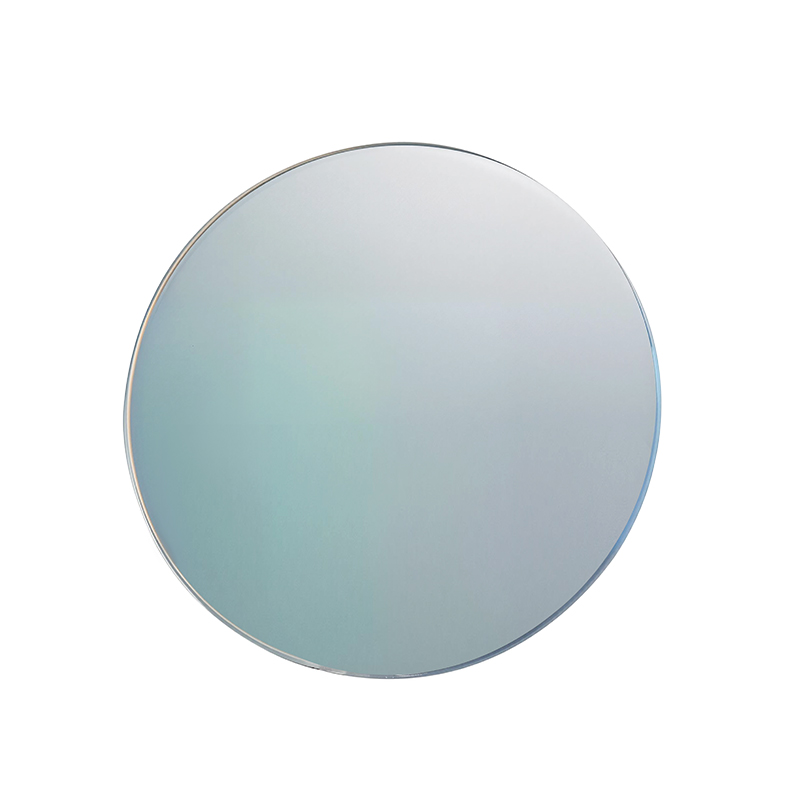
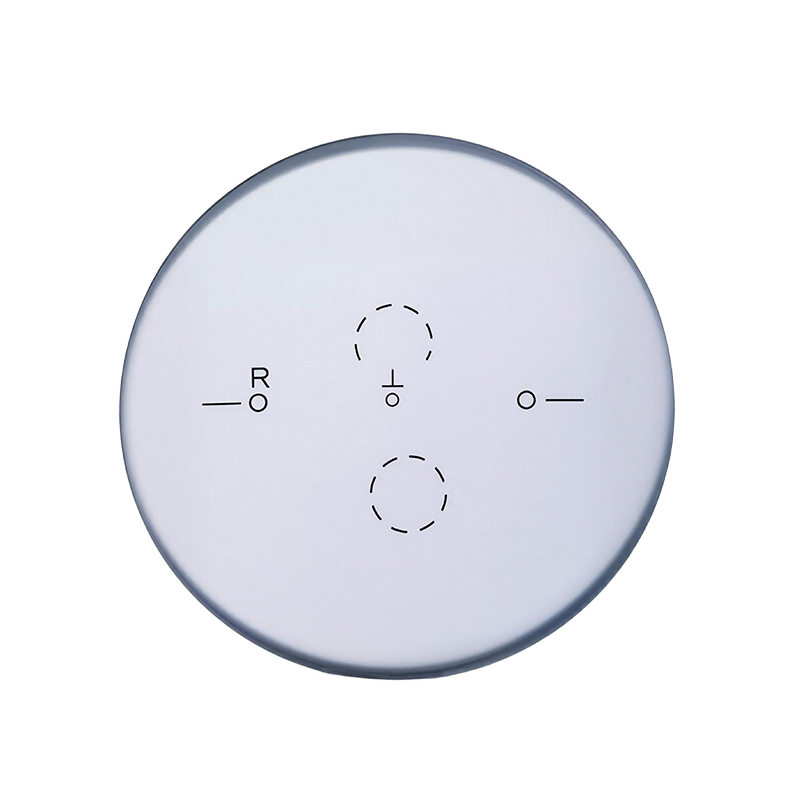
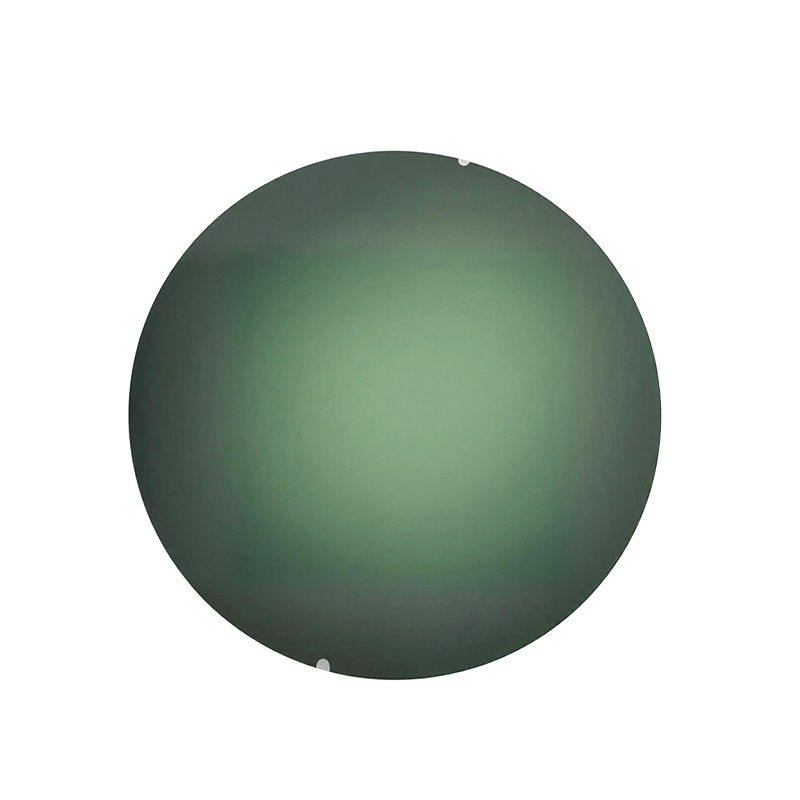 1.49 Polarized Grey Brown Yellow Sunglass LensPolarized anti-glare lens in grey, brown, and yellow tints suits daylight and contrast needs; 75 mm diameter and UV410 support wholesale sunwear programs.View Product →
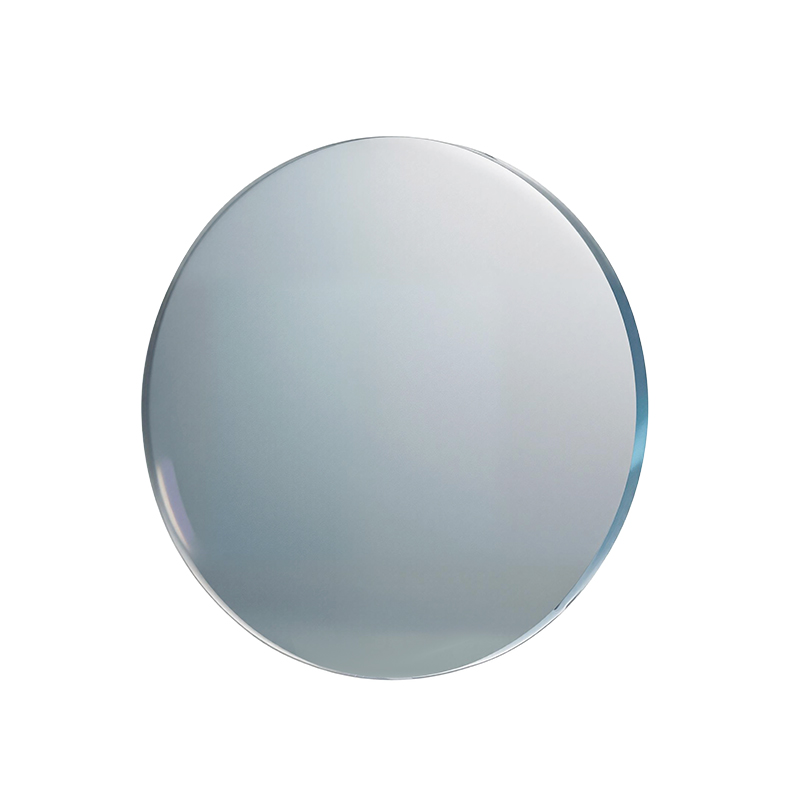
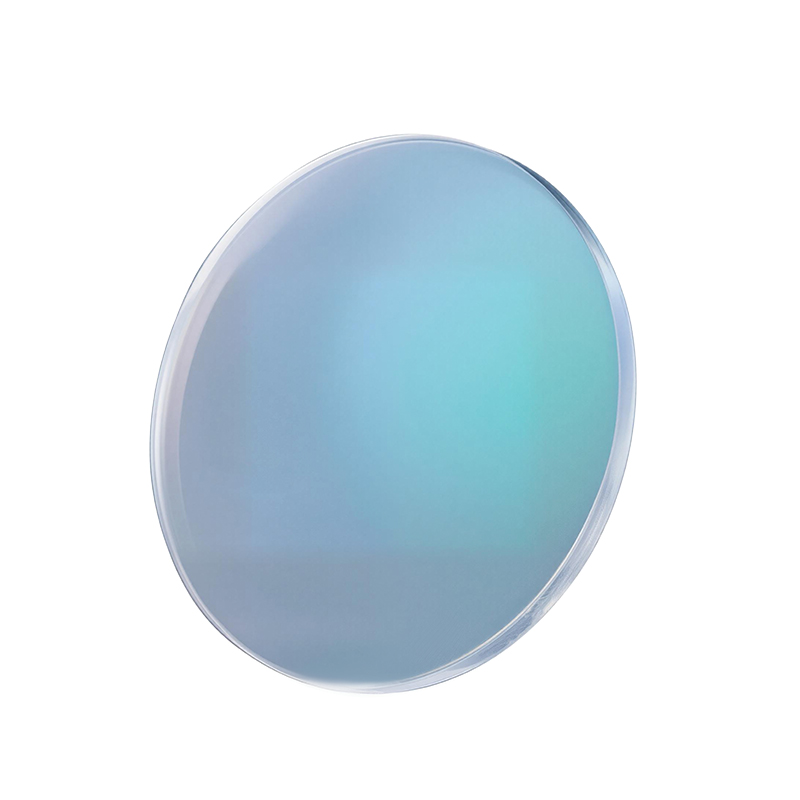
Mirror coatings add one more layer of control. A mirrored polarized lens cuts overall light transmission further and reflects the surface glare a player sees while looking up, which is why catchers and pitchers often prefer it, and why a mirrored lens hides the eyes from an opposing dugout. The trade-off is scratch sensitivity and a narrower usable range in low light.
Each tint trades color neutrality for contrast, so the right choice depends on position, start time, and how a player reads the ball off the bat.
| Tint or coating |
Best light conditions |
Effect on the ball |
Watch-outs |
| Grey polarized |
Bright sun, all positions |
Neutral color, natural depth cues |
Least contrast boost on green backgrounds |
| Brown or amber |
Mixed sun, outfield and infield |
Warm contrast, ball pops against grass |
Color shift can feel odd to some hitters |
| Yellow or gold |
Overcast, dusk, domes, twilight |
Highest contrast in flat light |
Too much transmission for midday play |
| Green |
Long games in steady sun |
Balanced contrast, low fatigue |
Less dramatic than amber in flat light |
| Mirror polarized |
Extreme glare, water, turf, catcher and pitcher |
Cuts visible light, hides the eyes |
Surface care, narrower low-light use |
Frame and Fit Notes That Affect the Lens
Lens quality gets wasted on a frame that slides. Baseball sunglasses need a close, stable fit with enough coverage to block light entering from the side and above the brow, because a stray beam at the edge of the eye causes more squinting than the lens relieves. Wrap geometry matters to us as lens makers: a high base curve changes the effective power at the edge of the lens, so a sun lens cut for an eight-base sport frame has to be designed for that surface, not simply cut from a flat blank. For youth and amateur play, also confirm that the frame and lens combination meets the applicable impact standard for the league in question, and that the lens is not thinner than the frame's design assumes.
Specifying a Polarized Sun Lens for a Retail or Team Program
For optical chains, team dealers, and brands building a baseball program, the specification sheet usually decides whether the product performs. Start with a 1.49 polarized lens in grey, brown, and yellow, offer an uncoated, hard-coated, and multilayer finish tier, and add a mirror variant if the price architecture allows a third tier. Confirm film lamination quality, because a poorly bonded polarizing film will delaminate in heat and humidity and the returns will cost more than the saved unit price. Ask for tint consistency across batches so a replacement pair matches the original, and lock down the UV400 claim in writing.
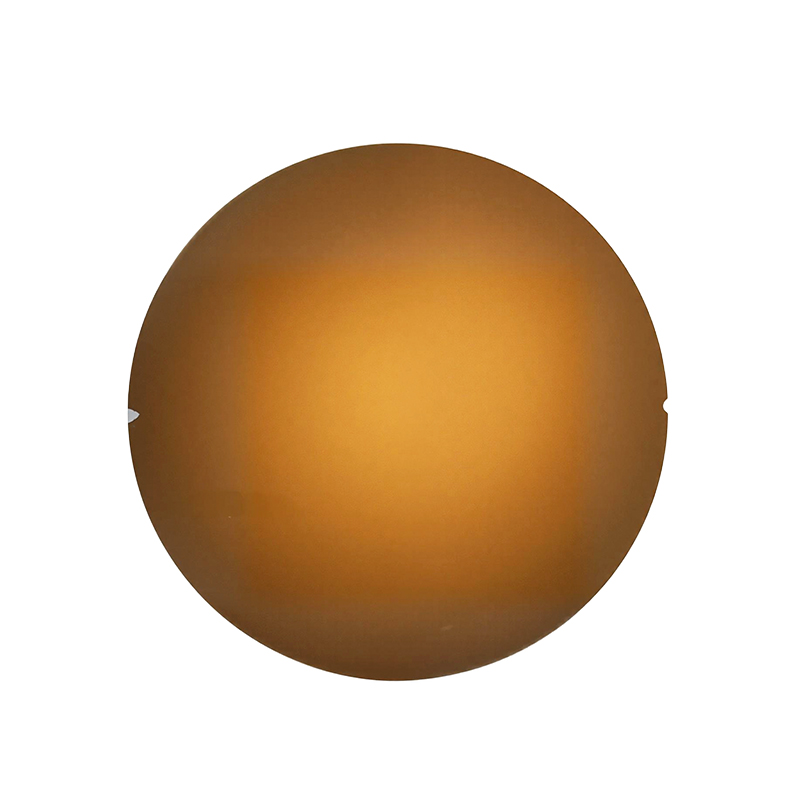 1.49 Polarized Mirror Sunglass LensMirror-coated polarized lens comes in eight coating colors with UV410 protection and 75 mm diameter, suited to bright-condition sunwear programs.View Product →
This is the part of the process we know best. At Jiangsu Junshi Optics we run a vertically integrated plant of roughly 14,000 square meters, with four automatic resin casting lines and more than nineteen coating lines for antireflective and hard coatings, producing over 25 million lenses a year for customers in more than 60 countries. Sun lenses, including polarized grey, brown, and yellow options and polarized mirror lenses, sit alongside our finished, semi-finished, and freeform lines, which means a buyer can build a baseball sunwear program and a prescription program with the same quality documentation and the same batch records.
A Practical Buying Checklist
- Decide whether the program is polarized, non-polarized contrast, or both, and plan for both if the budget allows.
- Choose two or three tints, not six, so inventory turns and players still get a choice.
- Match the lens base curve to the sport frame rather than cutting a flat sun lens for a wrap frame.
- Confirm UV400 filtering and get the test documentation attached to the purchase order.
- Ask for coated and uncoated versions of the same lens so entry and premium tiers share tooling.
- Request samples and have one real player wear them through a full practice before committing to a volume order.
Questions We Hear From Buyers
Do professional players actually wear polarized sunglasses?
Some do, especially outfielders and catchers working in strong sun, and many prefer a non-polarized contrast tint for twilight or flat light. The split is real, which is why carrying both options is safer than betting the programme on one.
Is polarized better than UV400?
They solve different problems. UV400 describes what the lens blocks from the sun's ultraviolet range; polarized describes how it handles reflected glare. A good baseball sun lens should deliver both.
Grey or brown for a team order?
Grey is the safer default for daytime games and the easiest to sell at retail. Brown is the better upsell for players who want the ball to stand out against the grass.
If you are building a baseball sunwear line and want to compare the tint and coating combinations side by side, we are always glad to send samples and a spec sheet. Tell us the frame base curve, the light conditions your players face most, and the price tier you are aiming at, and we will put the right polarized sun lens in your hands rather than in a brochure.

 English
 Français
 Español
 عربى
 中文