English

JUST JUST JUST JUST JUST JUST JUST JUST JUST JUST JUST JUST JUST JUST JUST JUST
 +86- 511-86229810
-
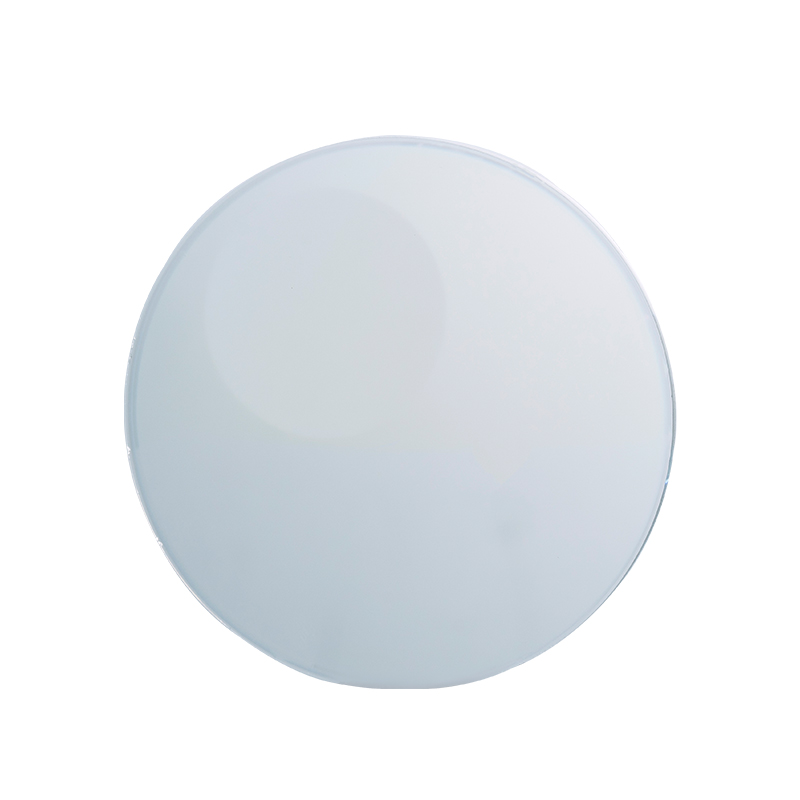
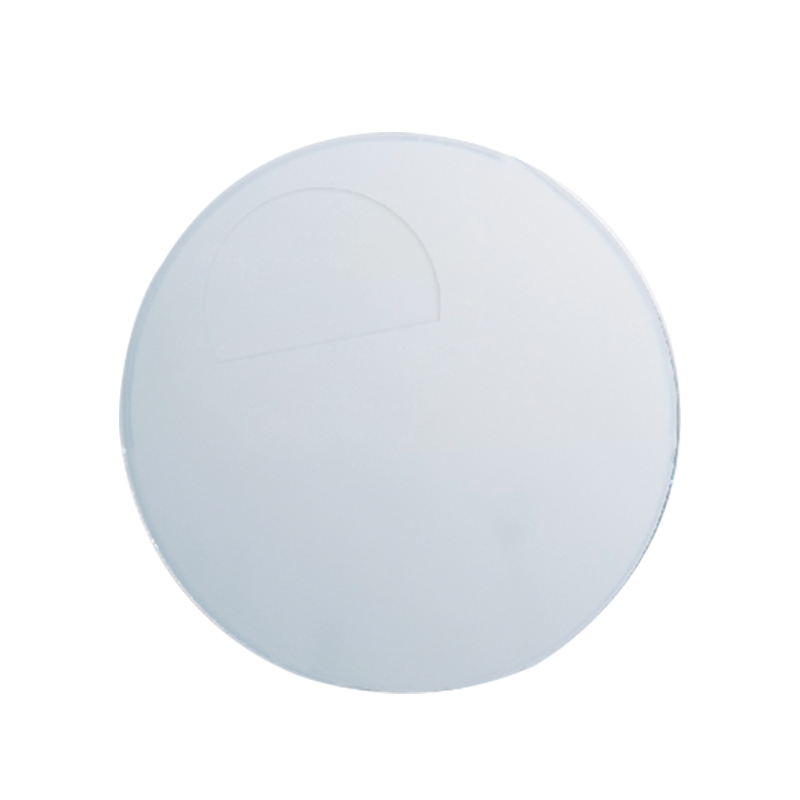
1.56 Round Top HMC Bifocal Finished Lens
1. Bifocal Design
A classic design type of bifocal lens, its core feature is the circular outline of the near reading area. Through the combination of "distance reading area + circular near reading area", it achieves "one lens, two uses", mainly addressing the dual vision needs of people with myopia/hyperopia and presbyopia.
2. Coating Advantages
The HMC (Hard Multi-Coating) offers excellent wear resistance, anti-reflective properties, and anti-fouling performance. It reduces glare on the lens surface, improves visual clarity, and also makes the lens more scratch-resistant, extending its service life.Get A Quote -
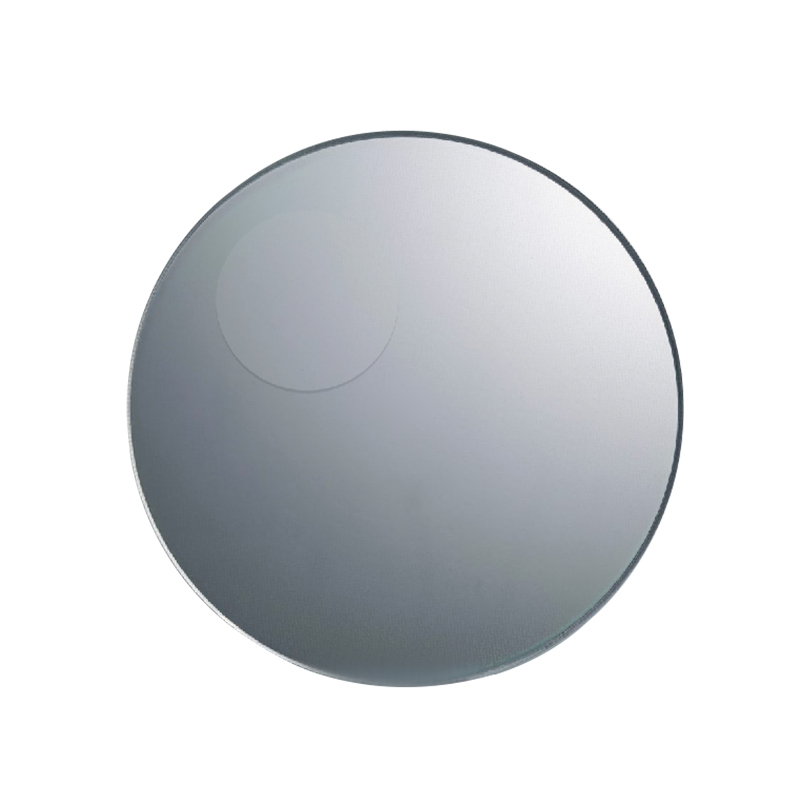
1.56 Flat Top HMC Bifocal Finished Lens
1. Bifocal Design
The upper part of the lens is the distance vision zone (for viewing distant objects), and the lower part is the near vision zone (for viewing close-up objects). It adopts a flat-top bifocal design—the upper edge of the near vision zone is a horizontal straight line. Compared with round-top bifocals, this design allows wearers to access the near vision field more quickly when looking downward. Additionally, the dividing line is relatively less obvious, resulting in a more natural appearance.
2. Material Advantages
Made of resin material, the lens features light weight and strong impact resistance, ensuring more comfortable and safe wearing—ideal for long-term daily use. Compared with glass lenses, resin lenses are less likely to break, providing better protection for the eyes against accidental injuries.Get A Quote -
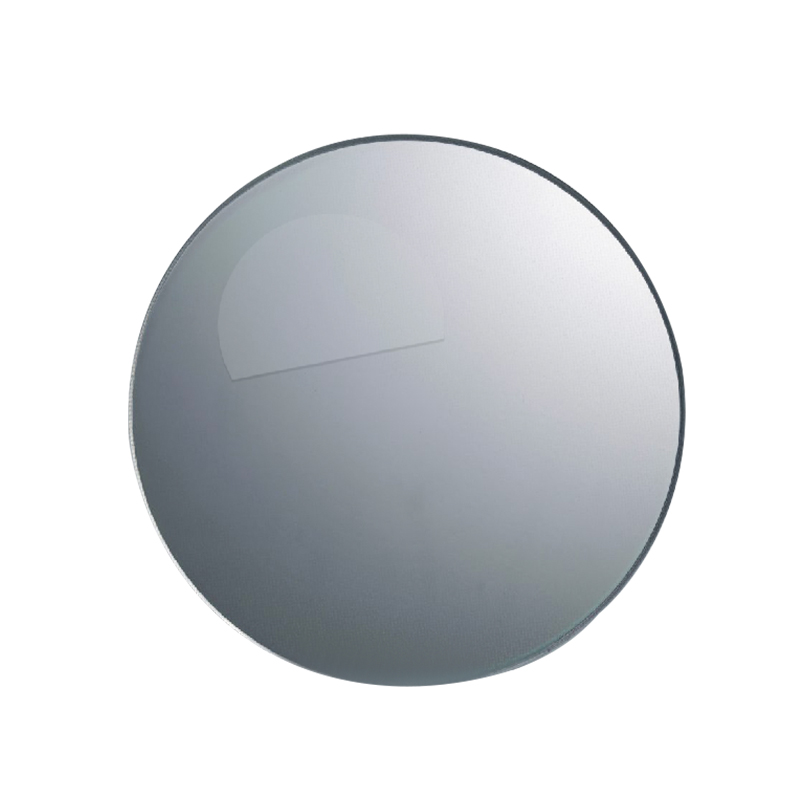
1.56 Photogrey Round Top HMC Bifocal Finished Lens
1. Photochromic Function
The photochromic materials in the lens can automatically adjust the tint depth according to the intensity of ambient light. In indoor or low-light environments, the lens remains transparent without affecting normal vision; under strong outdoor light, it darkens rapidly—functioning like sunglasses to block ultraviolet (UV) rays and harsh light, thus protecting the eyes.
2. Bifocal Design
Adopting a round-top bifocal design, the upper part of the lens is the distance vision zone (for viewing distant objects), and the lower part is the near vision zone (for viewing close-up objects). Compared with flat-top bifocals, the round-shaped reading zone of this design has a less obvious dividing line. However, wearers need to look further downward to obtain the same width of near vision field as that of flat-top bifocals.Get A Quote -
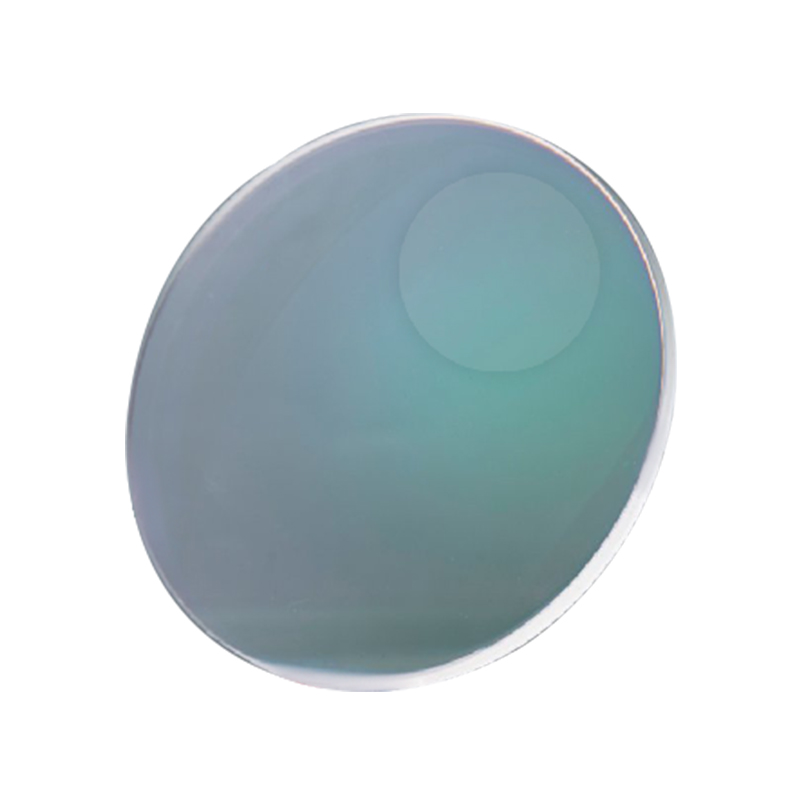
1.56 Photogrey Flat Top HMC Bifocal Finished Lens
1. Photochromic Function
Its core feature is to automatically adjust the grayscale depth as the ambient light intensity changes. It quickly darkens in strong light (especially ultraviolet light) to block strong light and ultraviolet light; when returning to low light or indoor environment, it gradually returns to transparency without affecting normal vision. Its grayscale characteristics are developed around four dimensions: "response mechanism, color change efficiency, stability, and protection capability."
2. Bifocal Design
Flat-top lenses are one of the mainstream design types of bifocal lenses. Their core feature is a horizontal straight line (flat top) on the upper edge of the near reading area. Through the zoning design of "distance correction area + flat-top near area", they achieve "one lens for two purposes", specifically addressing the dual vision needs of people with myopia/hyperopia and presbyopia.Get A Quote -
1.56 Photogrey Blue Block Round Top HMC Bifocal Finished Lens
1. Photochromic Function
The color depth can be dynamically adjusted according to the ambient light intensity, realizing "one lens with two uses" - it can become darker and serve as sunglasses in strong outdoor light, and return to transparent and serve as ordinary corrective lenses in low indoor light.
2. Bifocal Design
The edge of the circular near vision zone is a smooth arc. When switching from the distance vision zone to the near vision zone, the line of sight will not encounter a "horizontal straight line dividing line", avoiding the "image jump" (sudden discontinuity of the picture) that may occur with flat-top lenses, and the visual transition is more natural.
3. Blue Light Protection:
It only filters out high-energy short-wave blue light (wavelength 415~455nm, also known as "harmful blue light") that is harmful to the eyes, while retaining low-energy long-wave blue light (wavelength 455~490nm, involved in regulating the biological clock, improving mood, etc.) that is beneficial to the human body, avoiding visual color cast and biological clock disruption caused by "full-band filtering".Get A Quote -
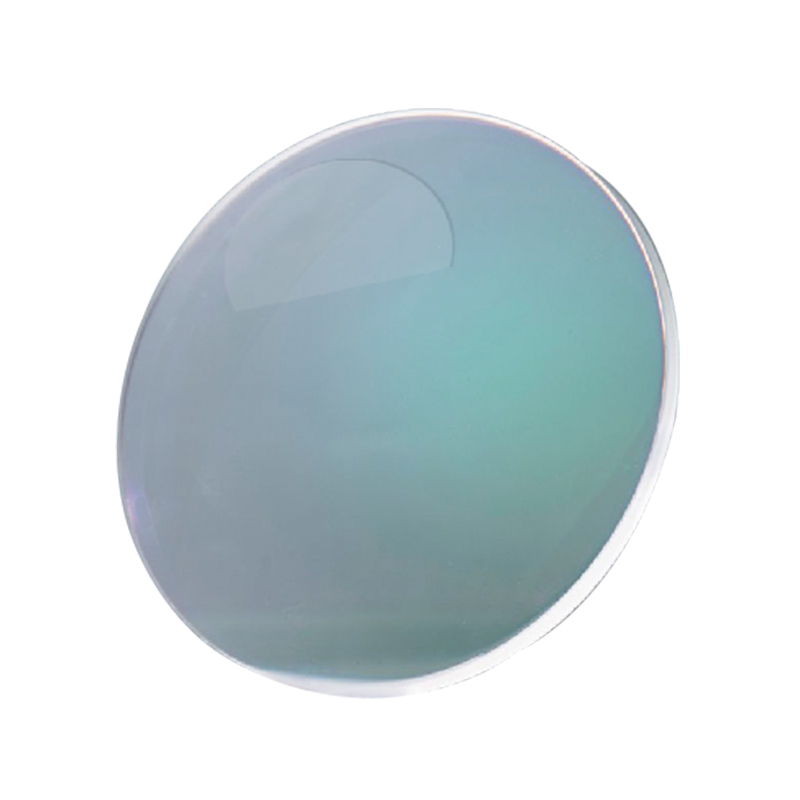
1.56 Photogrey Blue Block Flat Top HMC Bifocal Finished Lens
1. Photochromic Function
The color-changing characteristics of photochromic lenses are essentially "adaptive light adjustment" - using ultraviolet rays as a trigger signal, through "rapid darkening, slow fading, uniform color change, and coordinated protection", it can achieve "a pair of lenses replacing ordinary corrective lenses and sunglasses", which is perfectly suitable for people who "frequently go in and out of the house" and "have a lot of outdoor activities" (such as office workers commuting, middle-aged and elderly people taking outdoor walks, and students going to and from school).
2. Bifocal Design
The horizontal width of the near zone of the flat top lens (22~28mm) is wider than that of the same size dome lens (the horizontal width of the round near zone is about 18~22mm). When reading wide books, newspapers or computer screens, you don't need to turn your head frequently and can see more content at one time. It is especially suitable for middle-aged and elderly people who read for a long time.
3. Blue Light Protection:
"Precise Protection + Friendly Experience" - Using "selective filtering" technology to avoid the harm of blue light, "multi-functional integration" to adapt to daily needs, and "scenario-based design" to meet the needs of different groups of people, it perfectly solves the "blue light problem in the electronic screen era"Get A Quote